Online Courses

How to Balance Hobbies and Online Education

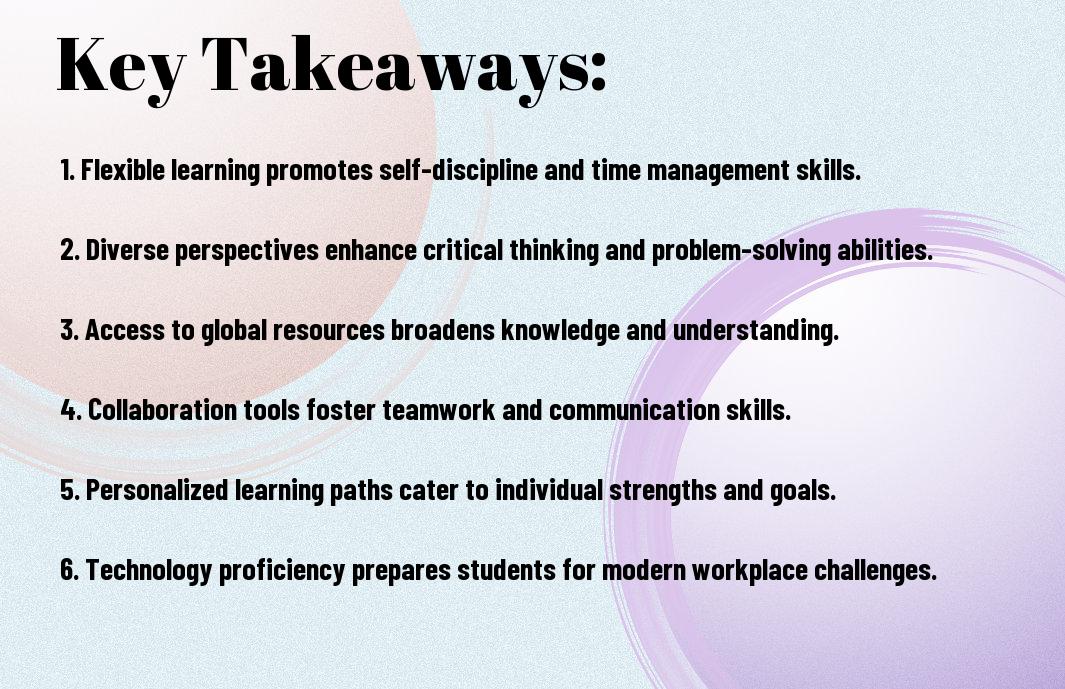
As you navigate the world of online education, you’ll need to find ways to manage your time effectively to accommodate your hobbies. You can start by prioritizing your tasks and creating a schedule that works for you. For more insights, you can explore The Perfect Ways to Balance Study and Hobbies, which offers valuable tips to help you maintain a healthy balance between your academic pursuits and personal interests, allowing you to make the most of your online learning experience.

Key Takeaways:

To effectively manage your time and prioritize your activities, consider the following points when balancing hobbies and online education:

  • Set clear goals for both your academic and personal pursuits to help you stay focused and motivated, ensuring you allocate sufficient time for each activity.
  • Establish a schedule that allows for a healthy balance between study time and hobby time, enabling you to make the most out of your day without feeling overwhelmed.
  • Prioritize time management skills to avoid procrastination and effectively juggle your online courses with your hobbies, making sure you meet deadlines and enjoy your leisure activities.
  • Choose hobbies that complement your online education, such as reading or writing, which can enhance your learning experience and provide an additional outlet for creativity and relaxation.
  • Practice self-discipline and maintain flexibility in your routine to accommodate unexpected changes or challenges, ensuring that you can adapt and continue to thrive in both your academic and personal pursuits.

Understanding the Importance of Balance

The key to successfully managing your time is finding a balance between your hobbies and online education, as this will enable you to maintain your productivity and overall well-being.

Why Hobbies Matter in Online Education

Similarly, other activities outside of your studies, such as hobbies, play a significant role in refreshing your mind and helping you to approach your online education with renewed energy and focus, which is necessary for you to perform at your best.

The Role of Online Education in Personal Development

Alternatively, acquiring new skills through online education can significantly enhance your personal development, allowing you to grow both professionally and personally, and you will find that your online education has a profound impact on your life.

Balancing your online education with other aspects of your life, you will be able to appreciate the value of the skills and knowledge you acquire, and as you progress in your online education, you will find that it contributes to your personal growth, helping you to develop new perspectives and insights that will benefit you in all areas of your life, enabling you to make the most of your online education and achieve your goals.

Setting Priorities and Goals

While pursuing online education and hobbies, you need to establish a balance between the two. You must set clear priorities and goals to achieve success in both areas.

Identifying Key Objectives in Hobbies and Online Education

Any individual seeking to balance hobbies and online education should analyze their objectives. You will need to determine what you want to achieve in your hobbies and online courses to set realistic goals.

Creating a Schedule for Balanced Time Management

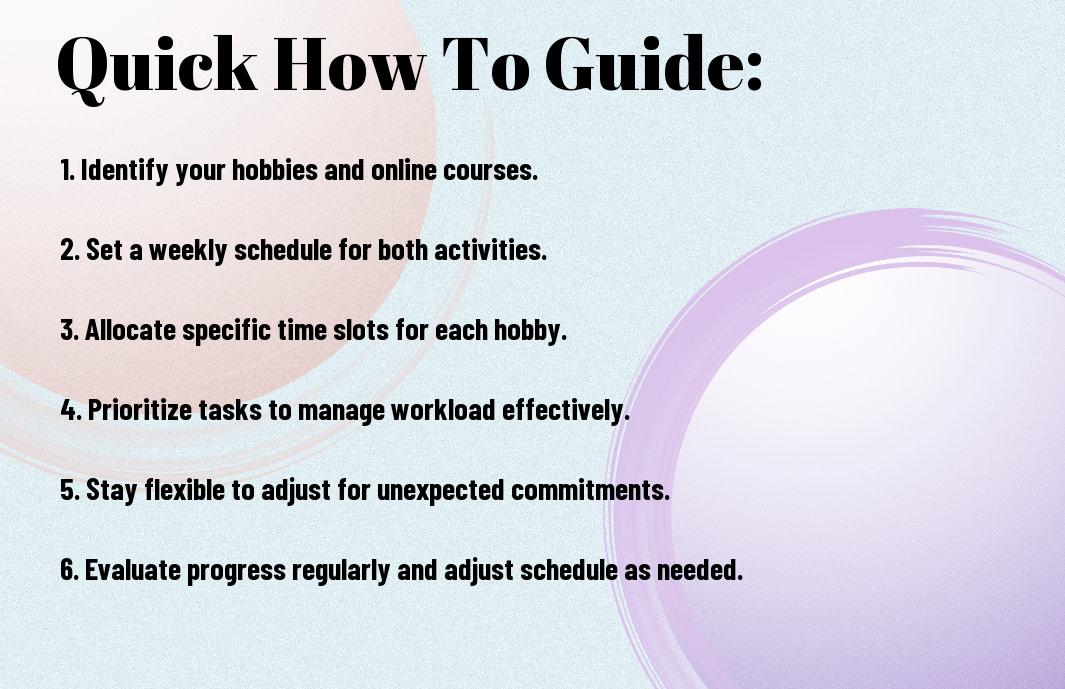
Identifying your availability and time constraints is important. You can then create a schedule that allocates specific times for your hobbies and online education, ensuring a balance between the two.

Understanding how to create an effective schedule is key to balanced time management. You should start by tracking how you spend your time, then prioritize your hobbies and online education, and allocate specific time slots for each activity. By doing so, you can ensure that you have enough time for both, and make adjustments as needed to maintain a healthy balance between your hobbies and online education.

Effective Time Management Tips

Despite the challenges of balancing hobbies and online education, you can achieve success with the right approach. Consider the following strategies:

  • Set a schedule
  • Prioritize tasks

Knowing how to manage your time effectively will help you make the most of your online education and hobby pursuits.

Strategies for Allocating Time for Hobbies and Studies

While navigating your busy schedule, you need to allocate time for both hobbies and studies, ensuring that neither aspect of your life suffers, and you can accomplish this by creating a balanced routine that caters to your needs.

Utilizing Productivity Tools for Better Organization

One way to streamline your schedule is by leveraging productivity tools, such as calendars and reminders, to stay organized and focused on your goals, helping you to manage your time more efficiently.

Tips for utilizing productivity tools include exploring different options to find what works best for you, setting reminders and notifications to stay on track, and regularly reviewing your schedule to make adjustments as needed, allowing you to optimize your time management and make the most of your online education and hobby pursuits, enabling you to achieve a better balance in your life.

Managing Distractions and Staying Focused

Many online students struggle to balance their hobbies and education, but with the right strategies, you can stay on track. You need to identify potential distractions and eliminate them while studying or engaging in your hobbies.

Minimizing Procrastination in Online Education

Centered on your goals, you can develop a schedule that allows you to manage your time effectively, allocating specific hours for studying and hobby activities, helping you to stay focused on your objectives.

Enhancing Concentration During Hobby Time

Postponing other tasks, you can dedicate your full attention to your hobby, immersing yourself in the activity and enjoying the process without worrying about pending assignments or chores.

Time management is imperative when it comes to enhancing concentration during hobby time. You can set a specific time for your hobby and stick to it, allowing you to fully engage in the activity and recharge your energy, which will ultimately benefit your online education as you will be more focused and motivated to tackle your coursework.

Overcoming Challenges and Obstacles

Keep in mind that balancing hobbies and online education can be daunting, but with the right strategies, you can overcome the hurdles and achieve your goals. You will encounter various challenges, but staying focused and motivated is key to success.

Addressing Burnout and Stress

Anyway, managing your time effectively is vital to avoid burnout and stress. You need to prioritize your tasks, set realistic goals, and take breaks to maintain your physical and mental well-being, allowing you to perform at your best.

Seeking Support from Peers and Mentors

Fortunately, you don’t have to go through this alone, as seeking support from peers and mentors can provide valuable guidance and motivation. You can join online communities, forums, or discussion groups to connect with others who share similar interests and goals, and learn from their experiences.

Another aspect of seeking support is being open to feedback and advice from your peers and mentors. You can ask for help when you need it, and be willing to learn from your mistakes, using them as opportunities for growth and improvement, which will help you to stay on track and achieve your goals in both your hobbies and online education.

Implementing Self-Care and Flexibility

All students need to prioritize self-care while balancing hobbies and online education. You can find tips on how do I keep up with my hobbies while having a part-time job and going to school to help you manage your time effectively.

Incorporating Physical Activity and Mindfulness

If you want to maintain your physical and mental well-being, try incorporating physical activity and mindfulness into your daily routine, allowing you to stay focused and energized throughout the day.

Adapting to Changes in Schedule and Commitments

Clearly, being able to adapt to changes in your schedule and commitments is important to achieving a balance between hobbies and online education, and you should be prepared to make adjustments as needed to ensure your success.

Flexibility is key when it comes to adapting to changes in your schedule and commitments, and you will need to be able to adjust your plans accordingly, whether it’s due to changes in your coursework, hobbies, or personal life, allowing you to stay on track and achieve your goals.
Final Words

Considering all points, you will find that balancing hobbies and online education requires your careful time management and self-discipline. You need to prioritize your tasks, set a schedule, and stick to it. By doing so, you can enjoy your hobbies while keeping up with your online education, leading to a more balanced and fulfilling life. You will be able to make the most of your time and achieve your goals, both academically and personally, with your hobbies and online education complementing each other.

FAQ

Q: How can I effectively manage my time to balance my hobbies and online education?

A: To balance your hobbies and online education, it’s important to create a schedule that allocates specific times for studying, hobby activities, and leisure. Set realistic goals and priorities, ensuring that you dedicate sufficient time to your online courses while also leaving space for your hobbies. Utilize time management tools like calendars or planners to stay organized and focused. By doing so, you’ll be able to fulfill your educational commitments and enjoy your hobbies without feeling overwhelmed.

Q: What strategies can help me stay motivated and engaged in both my online education and hobbies?

A: Staying motivated and engaged requires setting clear objectives for both your educational pursuits and hobbies. Breaking down larger goals into smaller, achievable milestones can help you stay focused and motivated. Additionally, seek support from peers, family, or mentors who can encourage and guide you when needed. For online education, interact with your virtual classroom community, and for hobbies, join clubs or groups that share your interests. This support system and sense of community can significantly enhance your motivation and engagement.

Q: How can I avoid burnout while juggling online education and hobbies?

A: Avoiding burnout involves recognizing your limits and taking regular breaks. It’s vital to include relaxation and self-care activities in your schedule. Ensure you get enough sleep, eat a balanced diet, and engage in physical activities. Setting boundaries between study, hobby, and personal time is also important. Sometimes, it might be necessary to adjust your commitments, either by temporarily scaling back on a hobby or adjusting the pace of your online education. Prioritizing your well-being and taking proactive steps to manage stress can help prevent burnout and maintain a healthy balance between your online education and hobbies.

The Best Online Resources for Learning Coding

As you commence on your coding journey, you’ll find a plethora of online resources at your disposal. You’re likely wondering which ones will truly help you hone your skills. Your search for the most effective learning tools is about to get a lot easier. You’ll discover a wealth of information and guidance to navigate the world of coding, and this article will serve as your guide to finding the best online resources tailored to your needs and learning style.

Key Takeaways:

To get started with learning coding, it’s helpful to know the best online resources available. Here are some key points to consider:

  • Utilize online platforms such as Codecademy, FreeCodeCamp, and Coursera, which offer interactive coding lessons and exercises to help beginners learn programming languages like Python, JavaScript, and HTML/CSS.
  • Take advantage of open-source resources like GitHub and Stack Overflow, which provide a community-driven approach to learning from experienced developers and accessing a vast repository of code examples.
  • Explore video tutorials on YouTube channels like Traversy Media, freeCodeCamp, and Tyler McGinnis, which offer step-by-step guidance on web development and other programming topics.
  • Leverage online communities like Reddit’s r/learnprogramming and r/webdev, which provide a supportive environment to ask questions, share knowledge, and get feedback from fellow coders.
  • Access e-books and blog posts from reputable sources like Mozilla Developer Network and W3Schools, which offer in-depth guides and tutorials on various programming topics, including front-end development and back-end development.

Finding Online Courses

The online learning landscape offers a vast array of resources, and you can start by exploring what others prefer, such as checking out the discussion on what’s your favorite website to learn programming? to get insights from fellow learners.

Websites Offering Coding Courses

About the numerous websites available, you will find that many provide comprehensive courses covering various programming topics, giving you the flexibility to choose what suits your interests and skill level.

Specialized Platforms for Beginners

Beginners will appreciate the tailored approach of certain platforms designed specifically for those new to coding, offering step-by-step guides and interactive exercises to help you build a strong foundation.

Courses on these platforms are often structured to introduce you to the basics of programming, gradually increasing in complexity as you progress, ensuring that you understand each concept before moving on to the next, which helps in building your confidence and coding skills effectively.

Online Communities

Even as a beginner, you can benefit from connecting with other coders online, gaining valuable insights and support to enhance your learning experience.

Forums for Coding Enthusiasts

Online forums dedicated to coding provide you with a space to ask questions, share knowledge, and engage with like-minded individuals who are passionate about coding.

Social Media Groups for Coders

With numerous social media platforms, you can join groups focused on coding, where you can participate in discussions, get feedback on your projects, and stay updated on the latest trends in the coding world.

Communities like these offer you a unique opportunity to network with experienced coders, learn from their experiences, and gain a deeper understanding of the coding community, helping you to stay motivated and inspired throughout your learning journey, and you can leverage these resources to improve your coding skills and achieve your goals.

Tutorials and Guides

Not only do you need to find the right resources, but also the right type of guidance to learn coding effectively. You will find various tutorials and guides that cater to your learning style and goals.

Step-by-Step Coding Tutorials

Guides like these provide a clear learning path, and you can use the following

Resources

Platform Description
Codecademy Interactive coding lessons

to get started.

Comprehensive Guides for Advanced Topics

The key to mastering advanced topics is to follow a well-structured guide, and you can use the following

Resources

Topic Resource
Algorithms GeeksforGeeks

and consider the following steps:

  1. Practice consistently
  2. Join online communities

to improve your skills.

Understanding the advanced concepts in coding requires dedication and persistence, and you can use the following

Resources

Topic Resource
Data Structures LeetCode

and consider the following steps:

  1. Start with the basics
  2. Work on projects

to reinforce your learning.

Resources for Practice

Keep your coding skills sharp by visiting websites that offer practical exercises and projects. You can find a list of useful resources at Top 13 Websites to Learn To Code, which will help you improve your coding abilities.

Online Platforms for Coding Challenges

Toward enhancing your coding skills, you can participate in online platforms that provide coding challenges, allowing you to apply your knowledge in real-world scenarios, and helping you to track your progress as you become more proficient.

Open-Source Projects for Real-World Experience

Approximately, you will find numerous open-source projects that enable you to gain hands-on experience, collaborating with other developers and working on projects that have practical applications, which in turn, will help you to build a portfolio of your work.

In addition, as you work on open-source projects, you will have the opportunity to develop problem-solving skills, learn from others, and develop a sense of community, all of which will be invaluable as you continue to develop your coding skills and pursue a career in this field, enabling you to make informed decisions about your own learning and career paths.

Staying Updated

Unlike other fields, coding is constantly evolving, and you need to stay informed to remain relevant. You can rely on online resources to stay updated on the latest developments and trends in the coding world.

Blogs for Coding News and Trends

Remaining current with your knowledge is important, and blogs are an excellent way to do so. You can follow popular coding blogs to get insights into the latest news, trends, and best practices in the industry.

Podcasts for Coding Insights

Staying abreast of the latest coding developments can be achieved through podcasts, which offer in-depth discussions and interviews with industry experts. You can tune in to your favorite podcasts to gain valuable insights and stay updated on the go.

Podcasts provide you with the opportunity to learn from experienced coders and gain a deeper understanding of the subject matter. You can explore various podcasts that cater to your interests and skill level, and listen to them during your daily commute or while working on your projects, making learning a seamless part of your daily routine.

Overcoming Challenges

To overcome challenges in coding, you need to develop problem-solving skills and learn from your mistakes. As you progress, you will encounter obstacles, but with persistence and the right resources, you can overcome them.

Common Coding Mistakes to Avoid

Among the most common mistakes, syntax errors and logical flaws can hinder your progress. You should be aware of these pitfalls to avoid frustration and improve your coding skills.

Tips for Debugging and Troubleshooting

Any difficulties you encounter while coding can be resolved with the right approach. You can try:

  • breaking down the code into smaller parts
  • using debugging tools
  • testing different scenarios

. This approach will help you identify and fix errors efficiently.

Hence, when debugging and troubleshooting, you should be methodical and systematic. You can use various techniques, such as:

  • print statements to track variables
  • debugging software to identify errors
  • checking online forums for solutions

. This will enable you to resolve issues quickly and continue learning.

Summing up

On the whole, you now have a wealth of information about the best online resources for learning coding. You can explore these resources to find the ones that fit your learning style and goals. With your newfound knowledge, you can start coding and unlock your full potential in the world of technology. Your coding journey begins now, and the right resources will guide you every step of the way.

FAQ

Q: What are the best online resources for beginners to learn coding?

A: For beginners, some of the best online resources for learning coding include Codecademy, FreeCodeCamp, and Coursera. Codecademy offers interactive coding lessons in a variety of programming languages, including Python, Java, and HTML/CSS. FreeCodeCamp provides a comprehensive curriculum in web development, including coding challenges and projects. Coursera, on the other hand, partners with top universities to offer courses on computer science and programming. These resources are user-friendly, well-structured, and suitable for those who are new to coding.

Q: How can I stay motivated and track my progress while learning to code online?

A: Staying motivated and tracking progress is necessary when learning to code online. One way to achieve this is by setting achievable goals and deadlines. Breaking down larger goals into smaller, manageable tasks can help maintain momentum. Additionally, joining online communities such as GitHub, Stack Overflow, or Reddit’s r/learnprogramming can provide support, feedback, and a sense of belonging. Utilizing project management tools or habit-tracking apps can also help in monitoring progress and staying organized. Celebrating small victories along the way can further boost motivation and engagement in the learning process.

Q: Are there any free online resources available for learning advanced coding skills?

A: Yes, there are numerous free online resources available for learning advanced coding skills. edX, for instance, offers a wide range of advanced courses and certifications in programming and computer science from leading institutions worldwide. MIT OpenCourseWare provides free access to the materials used in the teaching of almost all of MIT’s subjects, including advanced computer science courses. Additionally, platforms like GitHub and Open Source projects allow learners to contribute to real-world projects, gaining hands-on experience and advancing their coding skills. These resources can be invaluable for those looking to specialize in areas like artificial intelligence, cybersecurity, or data science without incurring significant costs.

How Online Education Creates Future Leaders

Key Takeaways:

To understand the impact of online education on leadership development, consider the following points:

  • Online education promotes Flexibility and Accessibility, allowing individuals to learn at their own pace and according to their own schedules, which is particularly beneficial for those with other commitments, such as work or family obligations.
  • The use of Technology in online education helps develop Digital Literacy skills, which are crucial for future leaders in today’s tech-driven world, enabling them to navigate complex systems and leverage tools for efficient communication and management.
  • Online education platforms provide Global Connectivity, offering students the opportunity to interact with peers and instructors from diverse backgrounds, fostering Cultural Awareness and International Understanding, which are vital for leaders operating in a globalized economy.
  • Through online courses and programs, individuals can acquire Specialized Skills and Knowledge in specific areas, enhancing their expertise and preparing them for leadership roles that require deep understanding and innovative problem-solving capabilities.
  • Online education encourages Self-Directed Learning and Autonomy, helping individuals develop Time Management and Self-Motivation skills, which are crucial for effective leadership, as leaders must often work independently and make strategic decisions.

The Rise of Online Education

For several years, you’ve witnessed the shift towards online education, and now it’s becoming the norm. You’re seeing more students opting for online courses, and institutions investing heavily in digital infrastructure. This trend is transforming the way you learn, making it more flexible and accessible.

Accessibility and Convenience

One of the primary benefits of online education is that it allows you to access courses from anywhere, at any time, making it incredibly convenient for your lifestyle. You can balance your work, family, and social life while pursuing your educational goals, which is a significant advantage.

Personalized Learning Experience

Experience the power of tailored learning, where you can learn at your own pace, focusing on areas that interest you the most. You’ll have the ability to interact with course materials, engage with instructors, and collaborate with peers in a way that’s tailored to your learning style.

Plus, you’ll find that personalized learning experiences in online education also provide you with real-time feedback, allowing you to track your progress, identify areas of improvement, and adjust your learning strategy accordingly, giving you a sense of control over your educational journey, and enabling you to make the most out of your online learning experience.

Developing Leadership Skills

While online education offers a unique opportunity to develop leadership skills, you can leverage its flexibility to explore various aspects of leadership. You will discover how to navigate complex situations and motivate others.

Critical Thinking and Problem-Solving

Adeptly, you will analyze problems, evaluate evidence, and develop well-informed solutions, enhancing your critical thinking and problem-solving skills through online education.

Effective Communication and Collaboration

By engaging with diverse online communities, you will refine your ability to communicate effectively and collaborate with others, fostering a strong foundation for leadership.

A key aspect of effective communication and collaboration is being open to feedback and willing to adapt to new ideas. As you interact with your online peers, you will learn to articulate your thoughts clearly, listen actively, and respond thoughtfully, developing the skills necessary to lead and inspire others in a rapidly changing world, and you will see your leadership potential grow.

Online Platforms and Resources

Once again, you find yourself at the forefront of a revolution, with online platforms and resources reshaping the educational landscape, enabling you to access a vast array of courses, tutorials, and degree programs that cater to your needs and interests.

Virtual Classrooms and Digital Tools

Almost instantly, you can immerse yourself in virtual classrooms and leverage digital tools, such as video conferencing software, online whiteboards, and mobile apps, to enhance your learning experience and interact with peers and instructors from diverse backgrounds.

Access to Global Networking Opportunities

Virtually, you can connect with fellow students, academics, and professionals worldwide, expanding your network and opening doors to new perspectives, collaborations, and opportunities that can shape your future as a leader.

In fact, as you navigate these global networking opportunities, you’ll discover that online education provides a unique chance to build relationships with people from different cultures, industries, and disciplines, helping you develop a more nuanced understanding of the world and your place in it, ultimately empowering you to become a more effective and influential leader.

Overcoming Challenges and Limitations

All online education platforms face challenges, but you can overcome them with the right mindset. You’ll encounter obstacles, yet your determination will drive your success.

Self-Motivation and Discipline

Above all, you must develop self-motivation and discipline to stay focused on your goals. You’ll need to prioritize your time and create a schedule that works for you, ensuring you stay on track.

Technological and Infrastructure Challenges

About the technical aspects, you may encounter issues with your internet connection or device compatibility. You’ll need to troubleshoot these problems to continue your learning journey.

Consequently, as you navigate these technological challenges, you’ll develop problem-solving skills and learn to adapt to new situations. You’ll discover that your ability to overcome these hurdles will prepare you for the demands of leadership, where you’ll be expected to address complex issues and make informed decisions, ultimately shaping your perspective as a future leader.

Real-World Applications and Success Stories

Despite the skepticism surrounding online education, you will find numerous examples of its effectiveness in shaping future leaders. Online courses and degree programs have produced successful individuals who have made significant contributions in their fields.

Entrepreneurship and Innovation

To tap into your entrepreneurial spirit, online education provides you with the necessary tools and resources to turn your ideas into reality. You can learn from successful entrepreneurs and innovators who have leveraged online education to launch their own businesses and create innovative products.

Social Impact and Community Engagement

Above all, online education enables you to make a positive impact in your community. You can engage with social causes, participate in online forums, and collaborate with like-minded individuals to create positive change.

At the heart of social impact and community engagement is your ability to connect with others and make a difference. As you pursue online education, you will have opportunities to participate in projects and initiatives that address real-world problems, allowing you to develop your skills and apply your knowledge in meaningful ways, ultimately empowering you to become a leader in your community and beyond.

Future Prospects and Trends

Not surprisingly, the future of online education looks bright, with emerging technologies transforming the way you learn. You can explore this topic further by visiting Education Technology Changing How Future Leaders Learn to discover the latest trends.

Artificial Intelligence and Adaptive Learning

Toward the forefront of online education, you’ll find innovative tools that utilize artificial intelligence to create personalized learning experiences tailored to your needs and abilities.

Globalization and Cultural Exchange

Among the many benefits of online education, you’ll find opportunities to connect with peers from diverse backgrounds, fostering a global community that enriches your learning experience.

Artificial barriers to education are breaking down, and you’re now able to engage with students and instructors from around the world, gaining a deeper understanding of different cultures and perspectives that will serve you well in your future endeavors, as you navigate the complexities of an increasingly interconnected world, and you’ll be able to apply this knowledge to make a positive impact.

Final Words

Presently, you are on the verge of unlocking your full potential as a leader, and online education is the key. As you harness the power of digital learning, you’ll discover how it fosters the skills necessary to succeed in a globalized world. By exploring resources like online courses on global leadership development, you’ll gain the insight to propel your career forward and make a lasting impact, ultimately shaping your path to becoming a visionary leader.

FAQ

Q: How does online education help in developing leadership skills in students?

A: Online education provides students with a unique opportunity to develop leadership skills through virtual collaboration and communication with peers from diverse backgrounds. Through online discussions, group projects, and presentations, students can hone their skills in problem-solving, decision-making, and conflict resolution, all of which are imperative for effective leadership. Moreover, online education platforms often offer leadership roles within online communities, allowing students to take on responsibilities and guide their peers, thereby developing their leadership abilities.

Q: What role does online education play in fostering a sense of global citizenship and leadership among students?

A: Online education has the power to connect students from all over the world, fostering a sense of global citizenship and broadening their perspectives on different cultures, economies, and political systems. This global connectivity enables students to develop a deeper understanding of the complexities of the modern world and prepares them to tackle global challenges. By engaging with peers from diverse backgrounds, students can develop empathy, cultural competence, and the ability to navigate complex global issues, all of which are vital qualities for future leaders.

Q: How can online education prepare students for the challenges of leadership in the digital age?

A: Online education equips students with the digital literacy and technological skills necessary to thrive in the digital age. It exposes them to various digital tools, platforms, and technologies that are transforming the way we live, work, and communicate. By learning how to leverage these technologies effectively, students can develop innovative solutions to real-world problems, cultivate a mindset of lifelong learning, and stay adaptable in a rapidly changing environment. This preparation is fundamental for future leaders who will be tasked with navigating the complexities of the digital economy and harnessing technology to drive positive change.

How to Make Learning Fun in Online Classes

As you navigate the world of online learning, you’re likely looking for ways to stay engaged and motivated. Your online classes can be just as enjoyable as traditional ones with the right approach. You can transform your learning experience by incorporating interactive elements, setting achievable goals, and leveraging technology to your advantage. By doing so, you’ll be able to make the most of your online classes and have a more enjoyable learning experience.

Key Takeaways:

To make learning fun in online classes, consider the following points:

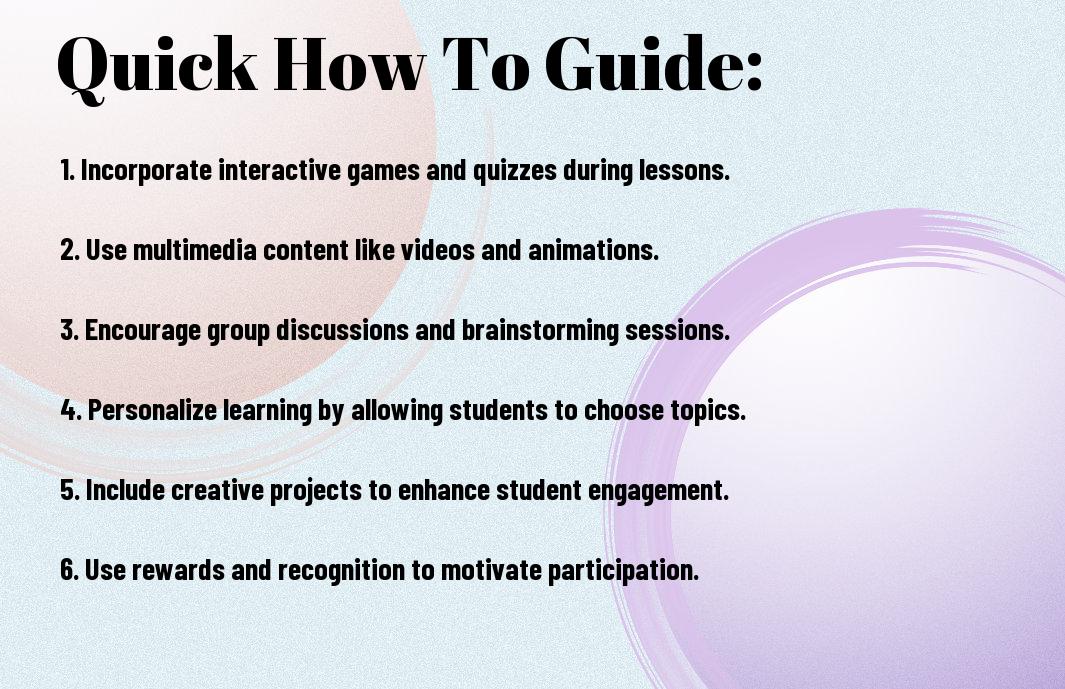
  • Use engaging content to capture students’ attention, such as videos, animations, and interactive simulations, to make the learning process more enjoyable and effective.
  • Incorporate game-based learning elements, like quizzes, puzzles, and challenges, to create a competitive and motivating environment that encourages students to participate and learn.
  • Encourage collaboration and interaction among students through discussion forums, group projects, and live sessions, to foster a sense of community and belonging in the online classroom.
  • Provide personalized feedback and support to students, using tools like learning analytics and virtual office hours, to help them stay on track and motivated throughout the course.
  • Use real-world examples and practical applications to illustrate key concepts and make the learning experience more relevant and meaningful, preparing students for future careers and success.

Understanding Key Factors

Your approach to online learning should consider several factors, including:

  • student engagement
  • learning styles

The success of your online class depends on these factors.

Identifying Student Engagement

These days, engaging students in online classes is a major challenge, you need to identify the level of engagement to make learning fun.

Recognizing Individual Learning Styles

Similarly, engagement of students depends on their individual learning styles, you should recognize these styles to make your online class effective.

It is important to note that individual learning styles can be visual, auditory, or kinesthetic, and you should use a combination of these styles to cater to different students, thereby making your online class more engaging and fun for everyone, and you will see a significant improvement in your students’ performance.

How-to Tips for Instructors

Now, to make online classes engaging, you can follow these tips:

  • Encourage student participation
  • Use gamification
  • The key to successful online teaching is to be flexible and adapt to your students’ needs.

    Creating Interactive Lessons

    Minimally, you can start by incorporating discussions and group work into your lessons, allowing your students to interact with each other and with you, making the learning process more enjoyable and effective for you and your students.

    Utilizing Multimedia Resources

    Obviously, you can enhance your online classes by using multimedia resources such as videos, images, and audio files to convey information in a more engaging way, making it easier for your students to understand and retain the material, and as you do this, you will see an improvement in your students’ engagement.

    It is worth noting that utilizing multimedia resources can also help you to cater to different learning styles, as some students may learn better through visual or auditory means, and by incorporating these resources into your lessons, you can ensure that all your students have an equal opportunity to learn and succeed in your online classes, which will ultimately make your teaching more effective and rewarding for you and your students.

    Effective Communication Strategies

    Not only is communication key to a successful online class, but it also helps you create a engaging learning environment. You can find more tips on How to make an online class fun and apply them to your teaching methods.

    Encouraging Student Participation

    Some of the most effective online classes involve students in the learning process, you can achieve this by asking questions and encouraging discussions, this will help you gauge your students’ understanding and adjust your teaching style accordingly.

    Providing Regular Feedback

    On a regular basis, you should provide your students with feedback on their performance, this will help them stay motivated and focused on their goals, you can use various tools to provide feedback, such as video recordings or written comments.

    Understanding the importance of regular feedback, you will be able to adjust your teaching methods to better suit your students’ needs, by providing feedback, you help your students identify areas where they need improvement, and guide them towards achieving their learning objectives, as you do this, you will notice an improvement in your students’ engagement and participation in the online class.

    Incorporating Gamification and Rewards

    To make online classes more engaging, you can use gamification techniques, such as points, badges, and leaderboards. You can find more information on how to increase engagement in online classes by visiting 8 ways to make lessons fun and engaging in an online classroom, which provides valuable insights on creating interactive lessons.

    Designing Point Systems and Badges

    Some online teachers find that designing point systems and badges helps to motivate students to participate in online classes, as it allows them to track their progress and earn rewards.

    Creating Virtual Class Challenges

    Little things, such as virtual class challenges, can go a long way in making online classes more engaging and fun for your students, as they encourage teamwork and healthy competition.

    Virtual class challenges can be customized to fit your teaching style and the subject matter, allowing you to create a unique and interactive learning experience for your students. You can create challenges that test their knowledge, problem-solving skills, or creativity, and provide feedback and guidance to help them improve. By incorporating virtual class challenges into your online classes, you can increase student engagement and motivation, making the learning process more enjoyable and effective.

    Leveraging Technology for Engagement

    Keep your online classes engaging by utilizing various technology tools that promote interactive learning, making it easier for you to capture your students’ attention and encourage participation.

    Using Virtual Breakout Rooms

    Utilizing virtual breakout rooms allows you to divide your students into smaller groups, facilitating discussions and teamwork, and enabling you to provide personalized attention to each group.

    Implementing Collaborative Tools

    You can implement collaborative tools, such as discussion boards and live chats, to foster a sense of community and encourage your students to share their thoughts and ideas with one another.

    Technology enables you to implement collaborative tools that cater to different learning styles, allowing you to create a personalized learning experience for your students, and helping you to track their progress and provide feedback, making it easier for you to adjust your teaching methods to meet their needs.

    Overcoming Common Challenges

    Unlike traditional classroom settings, online classes present unique challenges that you must address to ensure a productive learning experience. You will encounter various obstacles, but with the right strategies, you can overcome them and create an engaging online learning environment.

    Managing Technical Issues

    Mastering the technical aspects of online classes is imperative to avoid disruptions and ensure smooth learning. You can achieve this by familiarizing yourself with the platform, testing your equipment, and having a backup plan in place to minimize downtime and stay focused on your learning objectives.

    Maintaining Student Motivation

    Students can easily lose interest in online classes if they are not engaged and motivated. You can maintain your motivation by setting achievable goals, participating in discussions, and seeking help when needed to stay on track and make the most of your online learning experience.

    A key aspect of maintaining student motivation is to create a sense of community and connection with your instructor and peers. You can achieve this by actively participating in online discussions, sharing your thoughts and ideas, and collaborating with your peers on projects to build relationships and stay motivated throughout the course.

    Summing up

    Considering all points, you can create an engaging online learning experience by incorporating interactive elements and making your classes enjoyable. You will find that by using multimedia resources, encouraging discussions, and providing feedback, your students will stay motivated and focused. As you implement these strategies, you will see an improvement in your students’ participation and overall learning outcomes, making your online classes a success.

    FAQ

    Q: How can I make online classes more engaging for my students?

    A: To make online classes more engaging, incorporate interactive elements such as gamification, quizzes, and discussions. Utilize multimedia resources like videos, images, and podcasts to present information in a variety of formats. Additionally, encourage student participation through live chats, polls, and breakout rooms to foster a sense of community and connection among students.

    Q: What are some effective ways to encourage student participation in online classes?

    A: Encouraging student participation in online classes can be achieved by setting clear expectations and goals from the beginning. Provide opportunities for students to share their thoughts and ideas through discussion forums, group projects, and peer-to-peer learning activities. Moreover, offer incentives such as badges, points, or rewards for active participation, and use personalized feedback to help students stay motivated and invested in the learning process.

    Q: How can I use technology to make online learning more enjoyable and interactive?

    A: Leveraging technology is key to making online learning enjoyable and interactive. Utilize learning management systems that offer interactive tools such as virtual whiteboards, screen sharing, and recording capabilities. Integrate social media platforms to facilitate communication and collaboration among students. Furthermore, incorporate immersive technologies like virtual and augmented reality to create interactive and experiential learning experiences that simulate real-world scenarios, making learning more fun and effective.

The Importance of Communication in Virtual Classrooms

Key Takeaways:
  • The effectiveness of virtual classrooms largely depends on clear communication between instructors and students, as it helps to prevent misunderstandings and ensures that all parties are on the same page.
  • Active listening and engagement are important in virtual classrooms, as they enable students to fully comprehend the material being presented and allow instructors to gauge student understanding.
  • Technical issues can hinder communication in virtual classrooms, so it is important to have a reliable internet connection, quality audio and video equipment, and a backup plan in case of technical difficulties.
  • Nonverbal cues, such as body language and facial expressions, are often lost in virtual classrooms, making it important for instructors to be more explicit and clear in their communication.
  • Feedback is a vital aspect of communication in virtual classrooms, as it allows instructors to assess student understanding, identify areas of improvement, and make adjustments to their teaching methods as needed.

The Virtual Classroom Environment

To create an effective virtual classroom environment, you need to consider the tools and features that facilitate interaction and engagement. You can use video conferencing software, online discussion forums, and collaborative document editing tools to create a immersive learning experience.

Benefits of Virtual Classrooms

Around the concept of virtual classrooms, you will find numerous advantages that enhance your learning experience. You can access course materials, participate in discussions, and interact with your instructor from anywhere, at any time, making it a flexible and convenient option.

Challenges in Virtual Classrooms

On the other hand, you may encounter technical issues, such as poor internet connectivity, that can hinder your ability to fully participate in virtual classes. You may also struggle with staying motivated and engaged in a virtual setting.

Plus, as you navigate the challenges of virtual classrooms, you will need to develop strategies to overcome distractions, manage your time effectively, and establish a dedicated learning space to ensure your success in this environment. You can achieve this by setting clear goals, creating a schedule, and minimizing interruptions to stay focused and engaged throughout your virtual learning journey.

Effective Communication Strategies

There’s no denying that effective communication is key to a successful virtual classroom experience. You can learn more about Understanding the Importance of Virtual Team Communication in High School to improve your online teaching skills.

Teacher-Student Interaction

Between you and your students, clear communication is vital to ensure they understand the course material. You should make yourself available to answer questions and provide feedback, helping your students stay on track.

Student-Student Collaboration

Across different time zones and locations, your students can still work together effectively with the right tools and strategies. You can use discussion boards, group projects, and video conferencing to facilitate collaboration and teamwork.

Another aspect of student-student collaboration is the ability to share ideas and perspectives, which can enrich your students’ learning experience. You can encourage your students to participate in online discussions, share their work, and provide feedback to their peers, helping to create a sense of community in the virtual classroom.

Technology and Communication Tools

All virtual classrooms rely on technology to facilitate communication between you and your students. You can leverage various tools to create an engaging and interactive learning environment, enhancing your overall teaching experience.

Video Conferencing Platforms

Along with the rise of virtual classrooms, video conferencing platforms have become important for remote communication. You can use these platforms to conduct live sessions, share screens, and interact with your students in real-time, making your virtual classes more engaging and personalized.

Online Discussion Forums

The online discussion forums provide you with a space to share course materials, assign tasks, and encourage discussions among your students. You can use these forums to foster a sense of community, facilitate collaboration, and track your students’ progress, allowing you to adjust your teaching strategies accordingly.

Communication is the key to successful online discussions. As you use online discussion forums, you will be able to assess your students’ understanding, provide feedback, and guide them through the course materials, ensuring that they stay on track and achieve their learning objectives. You can also use these forums to share additional resources, answer questions, and address concerns, making your virtual classroom a supportive and inclusive environment.

Building Student Engagement

Once again, effective communication is key to building student engagement in virtual classrooms, as it allows you to foster a sense of community and encourage participation among your students, helping you to create a more interactive and immersive learning experience.

Encouraging Participation

The most successful virtual classrooms are those where students feel motivated to contribute to discussions and share their ideas, and you can achieve this by creating a supportive and inclusive environment that values your students’ input and perspectives.

Providing Feedback

With regular feedback, you can help your students stay on track and adjust their learning strategies as needed, and this can be particularly important in virtual classrooms where students may feel more isolated and less connected to their instructor and peers.

Considering the importance of timely and constructive feedback, you should make it a priority to provide your students with regular updates on their progress, highlighting areas where they are doing well and identifying areas where they need improvement, and offering suggestions for how they can address these challenges and achieve their learning goals.

Overcoming Language and Cultural Barriers

Keep in mind that language and cultural barriers can hinder effective communication in virtual classrooms. You can overcome these challenges by implementing strategies that cater to diverse student needs, ensuring your virtual classroom is inclusive and engaging for all participants.

Language Support Services

Approximately, about half of the students in virtual classrooms may face language barriers, you can provide language support services to help them participate fully, such as translation tools, subtitles, and multilingual facilitators.

Cultural Sensitivity Training

Across cultures, you will encounter varying learning styles, preferences, and values, and providing cultural sensitivity training can help you understand and address these differences, creating a more harmonious and productive learning environment.

Further, when you undergo cultural sensitivity training, you will be better equipped to recognize and challenge your own biases, allowing you to tailor your teaching methods to meet the unique needs of your students, fostering a sense of belonging and respect among all participants in your virtual classroom.

Measuring Communication Effectiveness

Many virtual classroom instructors face challenges in assessing the effectiveness of their communication strategies. You can learn more about these challenges, such as Communication and cooperation challenges in the online learning environment, to better understand the issues you may encounter.

Assessment Methods

After establishing your communication goals, you will need to determine the best methods to assess their effectiveness, allowing you to identify areas for improvement and adjust your strategies accordingly.

Evaluation Criteria

Methods for evaluating communication effectiveness in virtual classrooms involve considering various factors, including student engagement and participation, which help you gauge the success of your communication strategies.

This process enables you to refine your approaches, ensuring that your communication is clear, effective, and supportive of your students’ learning needs, allowing you to make data-driven decisions to enhance your virtual classroom environment.

To wrap up

Ultimately, you understand that effective communication is vital in virtual classrooms, enhancing your learning experience. You can engage with instructors and peers, clarifying doubts and broadening your understanding of complex topics. By leveraging digital tools, you foster a collaborative environment, making your online education more interactive and productive, which helps you achieve your academic goals. Your ability to communicate effectively in virtual classrooms will significantly impact your success.

FAQ

Q: What is the role of effective communication in a virtual classroom setting?

A: Effective communication plays a significant role in a virtual classroom setting as it enables students to engage with the course material, interact with instructors and peers, and clarify any doubts or concerns. Clear communication helps to establish a sense of community and fosters a collaborative learning environment, which is vital for academic success. Moreover, it facilitates the exchange of ideas, promotes active learning, and helps to build trust among students and instructors, leading to a more productive and inclusive online learning experience.

Q: How can instructors promote effective communication in a virtual classroom?

A: Instructors can promote effective communication in a virtual classroom by using a variety of strategies, such as using video conferencing tools to facilitate face-to-face interactions, creating discussion forums and chat rooms for students to engage with each other, and providing regular feedback and updates through email or announcements. Additionally, instructors can encourage students to ask questions and share their thoughts and ideas through interactive activities, such as polls, quizzes, and group projects. By being approachable, responsive, and transparent, instructors can create a supportive and inclusive online learning environment that fosters open communication and collaboration.

Q: What are some common challenges to effective communication in virtual classrooms and how can they be overcome?

A: Some common challenges to effective communication in virtual classrooms include technical issues, language barriers, and lack of nonverbal cues. To overcome these challenges, instructors can use reliable technology, provide clear instructions and guidelines, and encourage students to use video and audio tools to facilitate more personal interactions. Furthermore, instructors can use strategies such as breakout rooms, small group discussions, and one-on-one meetings to facilitate more intimate and engaging interactions. By being aware of these potential challenges and taking proactive steps to address them, instructors can create an online learning environment that supports effective communication and promotes student success.

Skip to content