The Best Online Resources for Learning New Skills

You’re looking to expand your knowledge and acquire new skills, but your schedule is tight. You need flexible and accessible learning tools. Your search ends here. With numerous online resources available, you can now learn at your own pace, anytime and anywhere. You’ll discover a wealth of opportunities to enhance your skills and stay ahead in your career, and this post will guide you through the best online resources to get you started.

Key Takeaways:

To enhance your learning experience and acquire new skills, consider the following online resources:

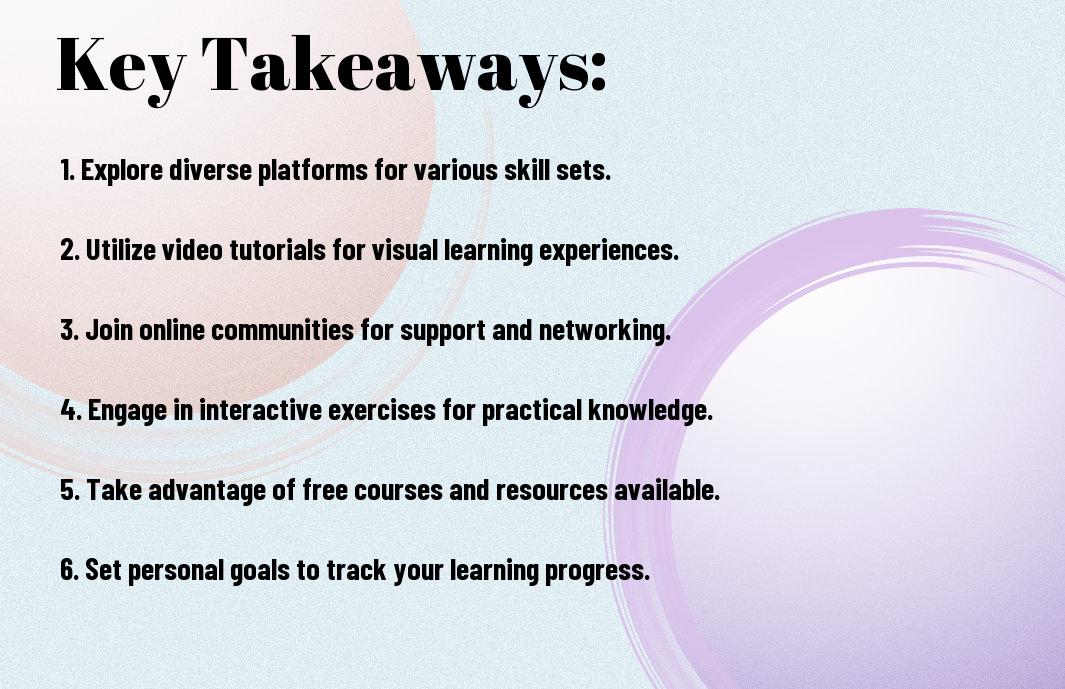
  • Online Courses platforms such as Coursera, Udemy, and edX offer a wide range of courses and certifications to help you develop new skills and enhance your knowledge in various fields.
  • Virtual Workshops and webinars provide an opportunity to learn from industry experts and gain hands-on experience in a specific area of interest.
  • eBooks and online libraries like Kindle, Scribd, and Google Books offer access to a vast collection of books, articles, and research papers on various subjects, making it easy to learn new skills at your own pace.
  • YouTube Channels and online tutorials are an excellent source of information, with many experts and educators sharing their knowledge and skills through video content, covering topics from technology and programming to art and design.
  • Podcasts and online forums provide a great way to stay updated with the latest trends and developments in your field of interest, while also allowing you to connect with like-minded individuals and learn from their experiences.

Identifying Online Resources

The internet offers a vast array of online resources for learning new skills, and you can find something that suits your needs. You’ll discover various websites, courses, and tutorials that cater to different interests and skill levels.

Websites for Skill-Building

Between numerous options, you’ll find platforms like Udemy, Coursera, and LinkedIn Learning, which provide valuable resources for skill-building. You can explore these websites to find the perfect fit for your learning goals.

Online Courses and Tutorials

Typically, tutorials are designed to be interactive and engaging, making it easier for you to learn new skills. You can find tutorials on YouTube, Skillshare, and other online platforms that offer step-by-step guidance.

With online courses and tutorials, you can learn at your own pace and revisit the material as many times as you need. You’ll have access to a wide range of topics, from creative skills like writing and graphic design to technical skills like coding and data analysis, allowing you to enhance your knowledge and skills in a flexible and convenient way.
Learning Platforms

You can find numerous online learning platforms that offer a wide range of courses and tutorials to help you acquire new skills. These platforms provide you with the flexibility to learn at your own pace and explore various subjects.

MOOCs and Online Universities

Platforms like Coursera, edX, and Udacity offer massive open online courses and degree programs from top universities, allowing you to access high-quality education from anywhere in the world.

Specialized Platforms for Creative Skills

To hone your creative skills, you can utilize platforms like Skillshare, Udemy, and CreativeLive, which provide courses and workshops on topics like graphic design, photography, and writing.

The variety of courses on these platforms is vast, and you can choose the ones that fit your interests and skill level, helping you to improve your creative skills and stay up-to-date with the latest trends and techniques in your chosen field.

Utilizing Social Media

Despite the numerous online resources available, social media platforms are often overlooked as a means of learning new skills. You can leverage these platforms to connect with experts, join communities, and gain valuable insights in your desired field.

Facebook Groups and Online Communities

Betwixt the various social media platforms, Facebook groups stand out as a valuable resource for learning. You can join groups related to your interests and engage with like-minded individuals, sharing knowledge and experiences to enhance your skills.

Twitter Chats and LinkedIn Groups

Alongside Facebook, Twitter and LinkedIn offer excellent opportunities for skill development. You can participate in Twitter chats, where experts and enthusiasts discuss specific topics, and join LinkedIn groups to connect with professionals in your industry.

Facebook may be your primary social media platform, but Twitter and LinkedIn have their own unique advantages when it comes to learning new skills. You can use Twitter to follow industry leaders, participate in chats, and stay updated on the latest trends, while LinkedIn groups provide a more professional setting to network and learn from others in your field, helping you to expand your knowledge and skills.

Accessing Free Resources

Keep in mind that you can find numerous free resources online to learn new skills, and you can start by exploring websites like 10 Best Places to Learn New Skills in 2024 to get an idea of what’s available.

Public Domain Materials and Open-Source Software

Around the web, you’ll discover a wealth of public domain materials and open-source software that can aid in your learning journey, offering you a chance to acquire new skills without spending a dime.

Free Online Libraries and Archives

Regarding your search for free online resources, resources such as digital libraries and archives can provide you with a vast array of learning materials, from e-books to educational videos, all at your fingertips.

Further exploration of free online libraries and archives will yield a treasure trove of information, allowing you to probe deeper into your chosen subject and expand your knowledge, as you take advantage of the numerous resources available to you, helping you to learn new skills and achieve your goals.

Evaluating Resource Quality

Many online resources claim to offer high-quality learning experiences, but you need to carefully assess their effectiveness. You should consider several factors, such as the qualifications of the instructors and the relevance of the content to your needs.

User Reviews and Ratings

Any potential learner can benefit from checking the opinions of others who have used the resource. You can gain valuable insights from user reviews and ratings, helping you make a more informed decision about the quality of the resource.

Expert Recommendations and Endorsements

After researching various resources, you may come across expert recommendations and endorsements. You can trust these opinions, as they often come from experienced professionals in the field, and they can help you choose a high-quality resource that meets your learning needs.

For instance, if you’re looking to learn a new programming language, you might look for resources endorsed by well-known developers or industry leaders. Their recommendations can give you confidence in the resource’s ability to provide you with the skills and knowledge you need to succeed. You can then use this information to make a more informed decision about which resource to use, and get the most out of your learning experience.

Staying Motivated

Once again, you find yourself struggling to stay on track with your learning goals. It’s easy to get discouraged, but with the right mindset and tools, you can overcome obstacles and achieve your objectives.

Setting Goals and Tracking Progress

For instance, setting specific, achievable goals and tracking your progress can help you stay focused and motivated. You can use tools like habit trackers or progress journals to monitor your advancement and make adjustments as needed.

Finding Accountability and Support

Similarly, having a support system in place can make a big difference in your learning journey. You can join online communities or find a study buddy to share your goals and progress with, providing an added motivation to stay on track.

In fact, surrounding yourself with like-minded individuals who share your interests and passions can be a great way to stay motivated and engaged. You can participate in online forums, join social media groups, or attend webinars to connect with others who are learning similar skills, and gain valuable insights and advice from their experiences.

Summing up

With this in mind, you now have the tools to enhance your skills. You can explore 8 free online resources for learning new skills to discover what works best for your needs, and take your learning to the next level, shaping your future with your newfound knowledge and expertise, and unlocking your full potential.

FAQ

Q: What are the best online resources for learning new skills in the field of technology?

A: There are numerous online resources available for learning new skills in technology, including platforms such as Udemy, Coursera, and edX, which offer a wide range of courses on topics like programming, data science, and cybersecurity. Additionally, websites like Codecademy and FreeCodeCamp provide interactive coding lessons and exercises, while YouTube channels like TechCrunch and WIRED offer informative videos and tutorials on the latest tech trends and innovations.

Q: How can I effectively use online resources to learn new skills in creative fields like writing, design, or art?

A: To learn new skills in creative fields, online resources like Skillshare, LinkedIn Learning, and CreativeLive offer a vast array of courses and workshops on topics like graphic design, digital photography, and creative writing. Furthermore, websites like Behance and DeviantArt provide platforms for artists and designers to showcase their work and get feedback from the community, while blogs like The Creative Penn and ProBlogger offer valuable tips and advice on writing, marketing, and self-publishing.

Q: Are there any free online resources available for learning new skills, and how can I stay motivated and disciplined while learning online?

A: Yes, there are many free online resources available for learning new skills, including websites like Khan Academy, Open Culture, and MIT OpenCourseWare, which offer free courses and educational materials on a wide range of subjects. To stay motivated and disciplined while learning online, it’s important to set clear goals and deadlines, create a schedule and stick to it, and join online communities or forums related to your field of interest to connect with others and get support and feedback. Additionally, using tools like project management software and productivity apps can help you stay organized and focused, and tracking your progress can help you see how far you’ve come and stay motivated to continue learning.

How to Create a Study Space for Online Education

As you initiate on your online education journey, you need a dedicated space to focus and learn effectively. Your study space plays a significant role in your academic success. You will be spending a considerable amount of time in this space, so it’s necessary to create an environment that promotes productivity and comfort. In this post, you will learn how to design a study space that meets your needs and helps you achieve your academic goals.

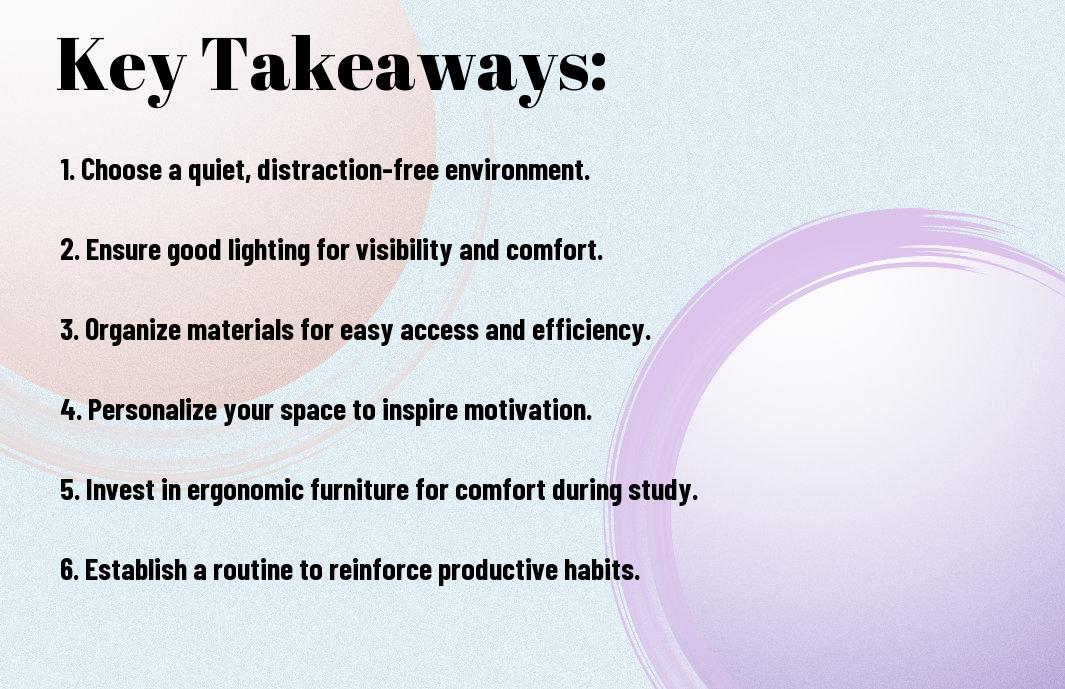
Key Takeaways:

To create an effective study space for online education, consider the following points:

  • Designate a dedicated space for studying, free from distractions and interruptions, to help you stay focused and avoid multitasking.
  • Ensure your study space has good lighting and a comfortable temperature to promote a productive learning environment.
  • Invest in a reliable computer and high-speed internet connection to support smooth online learning and minimize technical issues.
  • Organize your study space with vital materials, such as textbooks, notebooks, and a comfortable chair, to create a conducive learning atmosphere.
  • Minimize digital distractions by turning off notifications and logging out of social media accounts during study sessions to maintain a consistent workflow.

Setting Up a Productive Environment

While creating a study space for online education, you need to consider the overall environment. Your goal is to create a space that fosters productivity and focus.

Choosing a Dedicated Space

Setting a specific area for studying helps you establish a routine and get into the right mindset. You should choose a quiet and comfortable spot with minimal noise and interruptions.

Minimizing Distractions

Beneath the surface of a productive environment lies the need to minimize distractions. You can start by turning off notifications on your phone and finding a quiet spot away from family members.

Choosing the right tools to help you minimize distractions is key. You can use website blockers or apps that help you stay focused on your tasks, and take regular breaks to recharge and avoid burnout, allowing you to make the most of your study time and achieve your academic goals.

Essential Tools and Equipment

Assuming you want to create an effective study space for online education, you’ll need to consider the necessary tools and equipment. You’ll need a reliable computer, internet connection, and other accessories to stay focused and productive.

Computer and Internet Requirements

Above all, you’ll need a computer that meets the requirements of your online courses, with a sufficient processor, memory, and storage. You’ll also need a stable internet connection to access online resources and participate in virtual classes.

Additional Software and Accessories

Equipment such as a headset, webcam, and microphone can enhance your online learning experience. You’ll also need to install necessary software and plugins to access course materials and participate in online discussions.

Another important aspect of additional software and accessories is the ability to organize and manage your digital files and notes. You can use cloud storage services, note-taking apps, and productivity tools to stay organized and focused, allowing you to make the most of your online education experience.

Organizing Digital Resources

To succeed in online education, you need to organize your digital resources effectively. This involves managing various online platforms, materials, and tools to create a seamless learning experience.

Online Course Platforms and Materials

Among the digital resources you will encounter, online course platforms and materials are necessary for your studies. You will have access to virtual classrooms, educational videos, and digital textbooks, which you can use to complete your coursework.

Digital Note-taking and Organization Tools

With the abundance of digital resources available, you need tools to help you take notes and organize your studies. You can use digital note-taking apps, browsers, and task managers to keep track of your progress and stay focused.

In addition, digital note-taking and organization tools offer features such as tagging, highlighting, and bookmarking, which enable you to categorize and prioritize your notes, making it easier for you to review and prepare for exams, and you can access your notes from anywhere, at any time, as long as you have an internet connection, allowing you to study more efficiently and effectively.

Creating a Comfortable Workspace

For optimal online learning, you need a dedicated study space that fosters productivity and comfort. You should design your workspace to meet your individual needs, ensuring you can focus on your studies without distractions.

Ergonomic Furniture and Lighting

About the physical aspects of your study space, consider investing in a comfortable and ergonomic chair, as well as a desk that allows you to work with good posture. You should also ensure your space has adequate lighting, reducing eye strain and promoting a healthy study environment.

Personalizing Your Space

Before you start studying, take some time to personalize your space to suit your learning style. You can add plants, photos, or inspirational quotes to create a welcoming atmosphere that motivates you to learn.

Further, personalizing your space can involve incorporating tools and materials that help you stay organized, such as a bulletin board, a whiteboard, or a planner. By tailoring your study space to your unique needs and preferences, you can create an environment that supports your academic success and helps you achieve your goals.

Staying Motivated and Focused

Your study space plays a significant role in your online learning success. To achieve this, visit How to Set Up Your Study Area for Online Learning Success to learn more about creating an ideal study environment.

Setting Goals and Deadlines

Beneath the surface of a successful online learner lies a well-structured plan. You need to set achievable goals and deadlines to stay on track and motivated throughout your course.

Avoiding Procrastination and Burnout

Around the challenges of online learning, you will find that avoiding procrastination is key. You must prioritize your tasks and take regular breaks to maintain your physical and mental well-being.

Deadlines are looming, and you need to stay focused to meet them. To avoid burnout, you should establish a routine that includes time for study, relaxation, and exercise. By doing so, you will be able to manage your workload effectively and make the most out of your online learning experience.

Managing Time Effectively

Unlike traditional classroom settings, online education requires you to be more disciplined with your time. You can learn more about setting up your study space for success by visiting Studying Online? Set Up Your Study Space for Success to help you manage your time effectively.

Creating a Study Schedule

Managing your study time is vital to your success in online education. You need to create a study schedule that fits your lifestyle and learning style, allowing you to stay on track and meet your deadlines.

Balancing Study and Personal Life

Balancing your study and personal life is vital to maintaining your physical and mental well-being. You should set boundaries and prioritize your tasks to ensure you have time for both studying and personal activities.

Indeed, striking a balance between your study and personal life can be challenging, but it is vital to your overall well-being. You can achieve this by setting realistic goals, taking regular breaks, and communicating with your family and friends about your needs and boundaries, allowing you to stay focused on your studies while also nurturing your personal relationships and hobbies.

Final Words

Following this guide, you can create an effective study space for online education. You will be able to stay focused and motivated in your dedicated learning area. By optimizing your environment, you can improve your productivity and achieve your academic goals. With your new study space, you will be well-equipped to succeed in your online education journey, and you can confidently pursue your educational objectives.

FAQ

Q: What are the necessary elements to consider when creating a study space for online education?

A: When creating a study space for online education, it is important to consider several key elements. First, choose a quiet and comfortable location with minimal distractions, such as a dedicated home office or a library. Ensure the space is well-lit and has a comfortable temperature. Invest in a good chair, desk, and necessary storage for your books and materials. Additionally, a reliable computer or laptop, a stable internet connection, and a headset or speaker are necessary for online classes and video conferencing. Lastly, personalize your space to promote productivity and motivation, such as adding plants, inspirational quotes, or family photos.

Q: How can I minimize distractions and stay focused in my study space?

A: Minimizing distractions and maintaining focus in your study space requires some intentional design and habits. Start by removing or silencing notifications from your phone, closing unnecessary tabs on your computer, and finding a quiet time of the day when family members or roommates are less likely to interrupt. Consider using website blockers or apps that help you stay focused on your studies. It’s also beneficial to establish a routine, setting specific study times and breaks to maintain a healthy work-life balance. Furthermore, keeping your study space organized and clutter-free can help reduce stress and improve concentration.

Q: How do I ensure my study space is ergonomically designed to support long study sessions?

A: An ergonomically designed study space is vital for comfort and health, especially during long study sessions. Start by adjusting your chair height to ensure your feet are flat on the floor or on a footrest, and your knees are at or below hip level. Position your computer monitor directly in front of you, at a distance of about 20-25 inches, and at a height that allows you to gaze slightly downward. Keep your keyboard close and directly in front of your body, with your wrists straight and elbows at a 90-degree angle. Consider investing in an ergonomic mouse and keyboard to reduce strain on your hands and wrists. Lastly, take breaks every 30-60 minutes to stand up, stretch, and move around to prevent fatigue and stiffness.

How Online Learning Empowers Students with Disabilities

As you consider the ways in which education is evolving, you may be surprised by the impact online learning is having on students with disabilities. You’ll discover that virtual classrooms are breaking down barriers, providing your child with unprecedented access to educational opportunities. With online learning, you’ll see how students with disabilities can thrive in a more personalized and flexible environment, tailored to their unique needs and abilities, ultimately unlocking their full potential.

Key Takeaways:

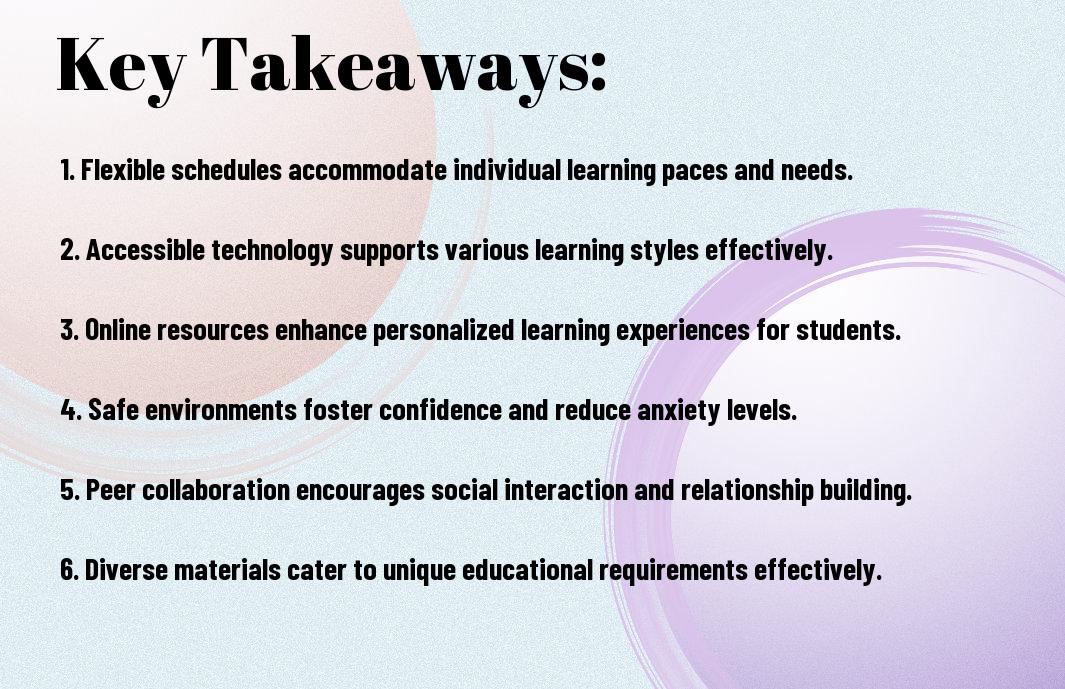
  • Online learning provides flexibility and accessibility for students with disabilities, allowing them to learn at their own pace and on their own schedule.
  • Personalized learning experiences can be created through online learning, catering to the individual needs and abilities of students with disabilities.
  • Online learning platforms can offer a range of assistive technologies, such as text-to-speech software and closed captions, to support students with disabilities.
  • Inclusive online learning environments can help to reduce stigma and promote equity for students with disabilities, providing them with equal opportunities to succeed.
  • Self-paced online learning can help students with disabilities to develop independence and self-advocacy skills, which are imperative for their future academic and professional success.

    Access to Education

    The advent of online learning has revolutionized the way you access education, especially for students with disabilities. You can now participate in classes from the comfort of your own home, at your own pace, and with the support you need.

    Breaking down barriers

    Around the world, online learning platforms are opening doors to education for students with disabilities. You can explore various courses and degree programs, tailored to your needs and abilities, and connect with instructors and peers who understand your challenges.

    Equal opportunities for all

    One of the most significant benefits of online learning is that it provides you with equal opportunities to succeed. You can engage with course materials, participate in discussions, and submit assignments in a way that suits your learning style, free from physical or social barriers.

    Barriers that once hindered your progress, such as transportation or accessibility issues, are no longer a concern. You can focus on your studies, develop your skills, and pursue your passions, just like any other student. As you navigate online learning, you’ll discover that your abilities and strengths are valued and supported, empowering you to reach your full potential and achieve your goals.

    Personalized Learning

    Some of the most significant benefits of online learning for students with disabilities come from personalized learning. You can access a range of tools and resources tailored to your needs, allowing you to learn at your own pace.

    Tailoring education to individual needs

    Individually, you have unique learning requirements that may not be fully met in a traditional classroom setting. Your online learning experience can be adapted to address these needs, providing you with a more effective learning environment.

    Technology-enabled learning platforms

    On the forefront of online learning are technology-enabled platforms that offer a wide range of features and tools. You can utilize these platforms to access various learning materials, interact with instructors, and connect with peers, all from the comfort of your own space.

    Further, as you explore these platforms, you’ll discover that they often include features such as text-to-speech functionality, closed captions, and customizable fonts, which can greatly enhance your learning experience. You can also use these platforms to set your own goals, track your progress, and adjust your learning strategy as needed, giving you a sense of control and agency over your education.

    Increased Flexibility

    Unlike traditional classroom settings, online learning offers you the ability to access course materials at your own pace. You can learn more about Making Online Learning Accessible for Students with Disabilities to understand how it can benefit you. This flexibility is especially helpful for students with disabilities who may need to take breaks or require more time to complete assignments.

    Self-paced learning

    Beneath the surface of online learning lies the opportunity for self-paced learning, where you can take control of your education and learn at a pace that suits your needs. You can speed up or slow down as necessary, allowing you to grasp complex concepts more effectively.

    Flexibility in scheduling

    Prior to the advent of online learning, students with disabilities often faced significant barriers in traditional classroom settings. You can now access course materials and participate in discussions at a time that works best for you, whether that’s early in the morning or late at night.

    Learning is a highly personal and individualized process, and online learning’s flexibility in scheduling allows you to tailor your education to your unique needs and preferences. You can create a schedule that works for you, taking into account your energy levels, focus, and other factors that might impact your ability to learn. As you explore the world of online learning, you’ll discover that this flexibility is a game-changer, enabling you to achieve your academic goals in a way that’s tailored to your strengths and abilities.

    Improved Engagement

    For students with disabilities, online learning can be a game-changer, offering a more engaging and inclusive experience. You can learn more about How Online School Supports Students with Special Needs and how it can benefit your child.

    Interactive online materials

    Above all, interactive online materials can help you stay focused and motivated, with multimedia content that caters to different learning styles and abilities.

    Enhanced participation and feedback

    An added benefit of online learning is the ability to participate and receive feedback in a comfortable and supportive environment, which can help you build confidence and skills.

    And as you navigate the online learning platform, you’ll find that the feedback mechanisms allow you to track your progress, identify areas for improvement, and adjust your learning strategy accordingly, giving you a sense of control and agency over your educational journey.

    Support Services

    Online resources and accommodations

    Virtual support networks

    Empowering Students

    Keep in mind that online learning provides numerous opportunities for students with disabilities to thrive. You can learn more about this topic by visiting Disability Awareness and History Weeks: How Online Learning Empowers Every Student, which highlights the benefits of inclusive education.

    Building confidence and independence

    Alongside this, an added advantage of online learning is that it allows you to work at your own pace, helping you build confidence and independence in your academic pursuits.

    Preparing students for success

    After accessing online resources and support, you’ll find that your learning experience is tailored to your individual needs, setting you up for success in your educational journey.

    It is worth noting that online learning platforms often provide a range of tools and accommodations to support students with disabilities, enabling you to access course materials, participate in discussions, and engage with your instructors in a way that suits your learning style, ultimately preparing you for success in your future endeavors.

    Summing up

    On the whole, you can see that online learning offers your child a world of opportunities, levelling the playing field for students with disabilities. You now have the power to provide your child with a personalized learning experience, free from physical barriers, allowing them to thrive and reach their full potential. As you explore online learning, you’ll discover how it empowers your child to take control of their education, fostering independence and confidence that will last a lifetime.

    FAQ

    Q: How does online learning provide accessibility for students with disabilities?

    A: Online learning empowers students with disabilities by providing them with accessible materials and resources that can be tailored to their individual needs. For instance, digital textbooks can be easily converted into audio or braille formats, and video lectures can be captioned or translated into sign language. Additionally, online learning platforms can be designed to be navigable by students with mobility or dexterity impairments, allowing them to fully participate in the learning process.

    Q: What accommodations can online learning offer to students with different types of disabilities?

    A: Online learning can offer a wide range of accommodations to students with different types of disabilities. For example, students with hearing impairments can benefit from video lectures with captions or sign language interpretation, while students with visual impairments can use screen readers or braille displays to access course materials. Students with learning disabilities, such as dyslexia or ADHD, can use text-to-speech software or mind mapping tools to help them organize and process information. Moreover, online learning platforms can provide extensions on assignments and exams, or offer one-on-one support from instructors or tutors, to help students with disabilities stay on track.

    Q: How can online learning help students with disabilities to develop independence and self-advocacy skills?

    A: Online learning can help students with disabilities develop independence and self-advocacy skills by providing them with the flexibility to learn at their own pace and in their own environment. With online learning, students can take ownership of their learning process, setting their own schedule and goals, and seeking help when needed. Online learning platforms can also provide students with tools and resources to help them develop self-advocacy skills, such as online support groups, peer mentoring, and self-assessment tools. By taking control of their learning, students with disabilities can build confidence and develop the skills they need to succeed in their academic and professional pursuits.

The Role of Gamification in Online Education

As you navigate the evolving landscape of online education, you’re likely to encounter a phenomenon that’s transforming the way you learn: gamification. You may wonder how incorporating game design elements into educational platforms can enhance your engagement and motivation. Your curiosity is warranted, as the implications of gamification in online education are far-reaching, influencing not only your learning outcomes but also your overall educational experience, forcing you to consider the potential benefits and drawbacks of this innovative approach.

Key Takeaways:

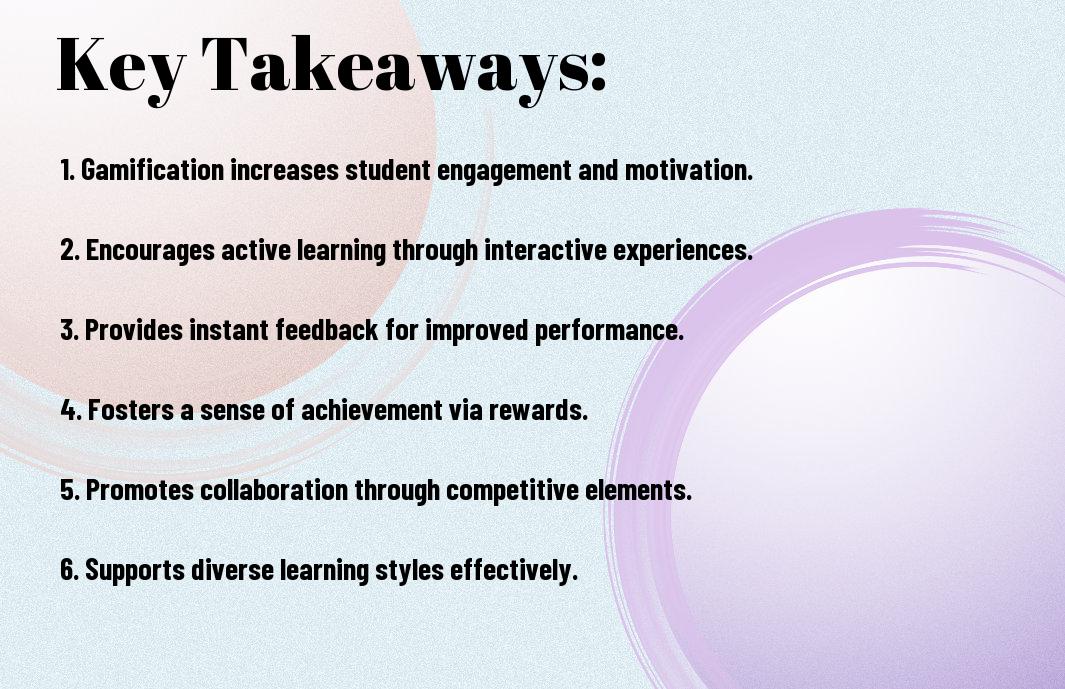
  • The engagement of students in online education can be significantly improved through the use of gamification elements, such as points, badges, and leaderboards, which provide a sense of competition and achievement.
  • Personalization is a key aspect of gamification in online education, as it allows students to progress at their own pace and focus on areas where they need improvement, leading to a more effective learning experience.
  • Interactivity is another important aspect of gamification, as it enables students to participate in simulations, quizzes, and other interactive activities that make learning more enjoyable and interactive.
  • The use of data analytics in gamification allows educators to track student progress and identify areas where students may need extra support, enabling them to provide more targeted and effective instruction.
  • Overall, the integration of gamification into online education can lead to improved student outcomes, including increased motivation, retention, and academic achievement.

The Concept of Gamification

Before plunging into the role of gamification in online education, it’s necessary to understand what gamification entails. You will find that gamification is a concept that has been increasingly popular in recent years, and its application in various fields, including education, has been a subject of interest for many researchers and educators.

Definition and Principles

With the rise of digital technologies, you are likely to encounter gamification in various forms, from mobile apps to online courses. You will notice that gamification typically involves the use of game design elements, such as points, badges, and leaderboards, to engage and motivate users.

Application in Online Learning

Practically, you can apply gamification in online learning by incorporating interactive elements, such as quizzes, discussions, and challenges, into your courses. You will see that this approach can help increase student engagement and motivation, leading to a more effective learning experience.

Further, as you explore the application of gamification in online learning, you will discover that it can be used to support various learning objectives, from developing problem-solving skills to promoting collaboration and critical thinking. You can design gamified learning experiences that cater to different learning styles and preferences, allowing you to tailor your instruction to meet the diverse needs of your students.

Benefits of Gamification

You can leverage gamification to enhance your online learning experience, and to learn more about its applications, visit What is Gamification in E-Learning? to discover its potential.

Enhanced Engagement and Motivation

Benefits such as increased participation and enthusiasm are evident when you incorporate gamification elements into your online courses, making the learning process more enjoyable and interactive for you.

Improved Learning Outcomes and Retention

Between the various advantages of gamification, one significant aspect is its ability to help you retain information better, as engaging and fun learning experiences tend to stick with you longer.

Motivation plays a significant role in the success of gamification in online education, as it encourages you to take an active part in the learning process, leading to improved learning outcomes and a more rewarding experience, allowing you to reflect on your progress and set goals for yourself, ultimately enhancing your overall educational journey.

Designing Effective Gamification

To create an engaging online learning experience, you need to consider how gamification can be used to motivate and support your students. Effective gamification can enhance learner engagement, promote friendly competition, and foster a sense of community.

Setting Clear Goals and Objectives

Any attempt to design a gamified learning environment should begin with a clear understanding of what you want to achieve. You must define your objectives and ensure that your gamification strategy aligns with your educational goals, providing a meaningful and relevant experience for your students.

Choosing Relevant Game Elements and Mechanics

Behind every successful gamified learning experience lies a thoughtful selection of game elements and mechanics. You will need to choose the ones that best fit your learning objectives, considering what will motivate and engage your students, and what will help them achieve their goals.

The selection of game elements and mechanics is a critical step in designing effective gamification, as it can significantly impact the learner’s experience. You should consider elements such as points, badges, leaderboards, and quizzes, and think about how they can be used to support your learning objectives, promoting engagement, interaction, and knowledge retention, and helping your students develop a deeper understanding of the subject matter. As you design your gamified learning environment, you will need to strike a balance between fun and learning, ensuring that the game elements and mechanics serve to enhance, rather than distract from, the educational experience.

Challenges and Limitations

For educators, implementing gamification in online education presents several challenges that you must consider to ensure its effective integration. You will need to navigate the complexities of balancing engagement with academic rigor, a delicate balance that can make or break the learning experience.

Overemphasis on Entertainment

One potential pitfall you may encounter is the overemphasis on entertainment, which can undermine the educational value of your online courses, causing you to question whether the gamification elements are truly enhancing the learning experience or merely serving as a distraction.

Ensuring Equity and Inclusivity

About the issue of equity and inclusivity, you should be aware that gamification can sometimes exacerbate existing inequalities, particularly if certain groups of students lack access to the necessary technology or have different learning styles that are not accounted for in the gamification design, forcing you to think critically about how to make your online education more inclusive.

A closer examination of the issue of ensuring equity and inclusivity in gamified online education reveals that you must consider the diverse needs and abilities of your students, taking into account factors such as socioeconomic status, prior knowledge, and learning disabilities, in order to create a truly inclusive and effective learning environment that benefits all students, regardless of their background or abilities, and allows you to harness the full potential of gamification to enhance their educational experience.

Implementation and Integration

Unlike traditional teaching methods, gamification requires a thoughtful approach to integration, as you need to consider how to seamlessly merge engaging elements with your existing curriculum, ensuring a cohesive learning experience for your students.

Technical Considerations and Support

Alongside the implementation, an array of technical factors must be evaluated, as you will need to assess your institution’s infrastructure and technical capabilities to support gamification, considering factors such as software compatibility and hardware requirements.

Teacher Training and Professional Development

One of the key aspects to consider is how you, as an educator, will develop the necessary skills to effectively incorporate gamification into your teaching practices, which may involve seeking out additional training or resources to enhance your professional development.

Considerations such as the time and effort required to design and implement gamification elements, as well as the potential need for ongoing support and evaluation, are crucial as you commence on this journey, and you must be prepared to adapt and evolve your approach as you gather feedback from your students and reflect on the effectiveness of your methods, ensuring that your use of gamification ultimately enhances the learning experience for your students.

Future Directions

Despite the current limitations of gamification in online education, you will likely see significant advancements in the coming years, as you explore new ways to integrate game design and mechanics into your learning experiences.

Emerging Trends and Technologies

With the rise of technologies like virtual and augmented reality, you will have the opportunity to create even more immersive and engaging learning environments that simulate real-world experiences and challenges.

Potential for Personalized and Adaptive Learning

By leveraging gamification and learning analytics, you can tailor your educational experiences to individual students’ needs, abilities, and learning styles, allowing for a more effective and efficient learning process.

Hence, as you consider the potential of gamification to support personalized and adaptive learning, you should think about how you can use data and analytics to create a more responsive and dynamic learning environment, one that adjusts to your students’ progress and performance in real-time, providing them with the right level of challenge and support to optimize their learning outcomes.

Summing up

Drawing together the threads of this discussion, you begin to see how gamification can shape your online learning experience, influencing your perception of knowledge and engagement with educational content. As you reflect on the role of gamification, you may consider how it can enhance your motivation and participation in online courses, ultimately affecting your overall educational journey, and your understanding of the complex interplay between technology, education, and your own learning process.

FAQ

Q: What is the role of gamification in online education and how does it enhance the learning experience?

A: The role of gamification in online education is to increase student engagement, motivation, and participation by incorporating game design elements into the learning process. This approach enhances the learning experience by making it more interactive, fun, and challenging, which leads to improved knowledge retention and better academic outcomes. Gamification can include elements such as points, badges, leaderboards, and rewards, which help to create a sense of competition and achievement among students, fostering a more enjoyable and effective learning environment.

Q: How does gamification in online education impact student motivation and participation?

A: Gamification in online education has a significant impact on student motivation and participation. By introducing game-like elements, students are more likely to be motivated to learn and engage with the course materials, as they are encouraged to earn rewards, climb leaderboards, or achieve specific goals. This motivation translates into increased participation, as students become more active in discussions, complete assignments more thoroughly, and are more inclined to explore additional learning resources. Furthermore, gamification can help to build confidence and a sense of accomplishment among students, which can lead to a more positive attitude towards learning and improved overall performance.

Q: Can gamification be effective in all types of online education courses, and what are the key considerations for its successful implementation?

A: While gamification can be applied to various types of online education courses, its effectiveness depends on several factors, including the course content, target audience, and learning objectives. For gamification to be successful, it must be aligned with the course goals and designed in a way that is meaningful and relevant to the students. Key considerations for its implementation include understanding the students’ preferences and behaviors, setting clear rules and expectations, providing timely feedback and rewards, and continuously evaluating and adjusting the gamification elements to ensure they remain engaging and effective. Additionally, instructors should be aware of potential pitfalls, such as overemphasizing competition or using gamification as a mere add-on, rather than an integral part of the learning experience.

How to Engage in Online Discussions Effectively

As you navigate online platforms, you’ll encounter various discussions that spark your interest. To make your voice heard and build meaningful connections, you need to engage in these conversations thoughtfully. Your participation can elevate the discussion, providing valuable insights and perspectives. By following effective strategies, you can articulate your thoughts clearly, address others’ opinions, and foster a productive exchange of ideas, ultimately enhancing your online presence and reputation.

Key Takeaways:

To participate in online discussions productively, consider the following points:

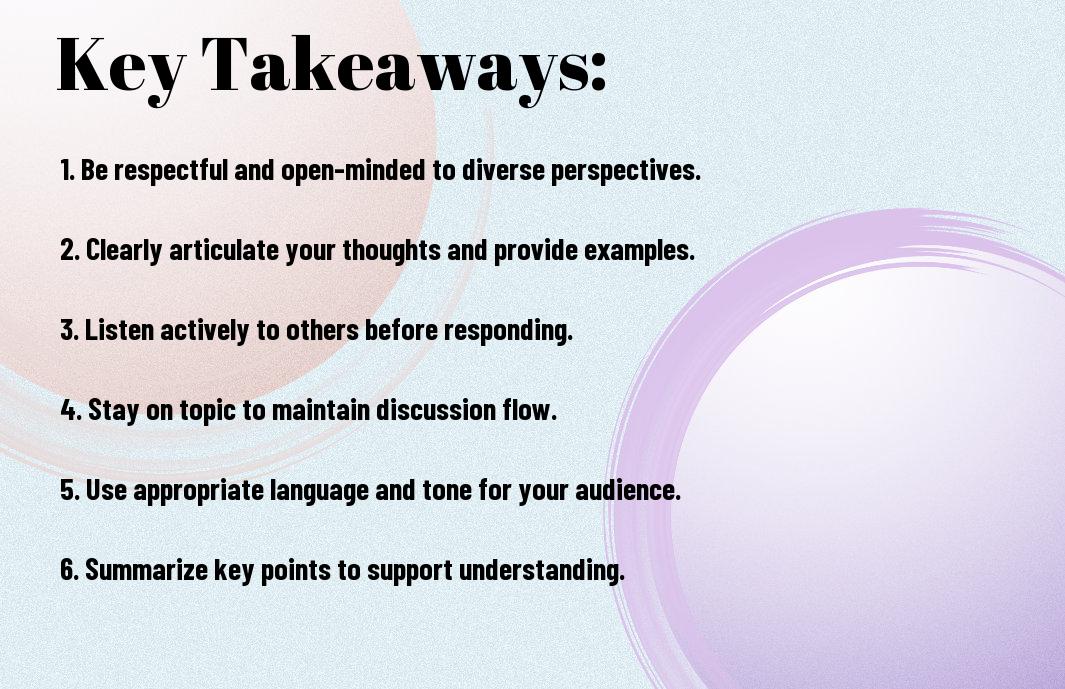
  • Be respectful and open-minded in your interactions, acknowledging the diversity of opinions and ideas presented in the discussion.
  • Use clear and concise language to convey your thoughts, avoiding jargon and ensuring your messages are easily understandable by all participants.
  • Actively listen to others by reading their comments thoroughly and responding thoughtfully, which helps to build a constructive dialogue and foster a positive community environment.
  • Stay focused on the topic at hand, avoiding tangents and maintaining a professional tone even in the face of disagreement or conflict.
  • Reflect on the discussion after it has concluded, considering what you have learned and how you can apply those insights in future online interactions to enhance your engagement and participation.

Preparing for Online Discussions

While engaging in online discussions, you need to be prepared to maximize your impact. This involves setting clear objectives, choosing the right platforms, and understanding your audience.

Setting Clear Goals

Clarifying your intentions helps you stay focused and ensures your messages are concise and effective, allowing you to achieve your desired outcomes in online discussions.

Choosing the Right Platforms

Across various social media platforms, you have numerous options to engage with your audience, and selecting the ones that best fit your needs is vital for effective online discussions.

Discussions can take many forms, from social media groups to specialized forums, and each platform has its unique characteristics, user demographics, and rules of engagement, so you should consider these factors when choosing where to participate in online discussions to ensure your message is seen and heard by the right people.

Effective Communication Strategies

If you want to engage in online discussions effectively, you should develop a set of skills that will help you convey your thoughts clearly. You can find more information on this topic in the Effective Online Discussions guide, which provides valuable insights into online communication.

Active Listening

After joining an online discussion, you need to pay attention to what others are saying and show that you are engaged in the conversation by responding thoughtfully.

Clear and Concise Messaging

An imperative aspect of online discussions is being able to express your thoughts in a clear and concise manner, allowing others to understand your point of view easily.

Messaging that is straightforward and to the point will help you convey your ideas more effectively, enabling you to engage in productive online discussions and avoid misunderstandings, which is key to achieving your goals in online interactions, as you will be able to articulate your thoughts and participate in discussions with confidence.

Managing Conflicts and Criticisms

To engage in online discussions effectively, you should be prepared to handle conflicts and criticisms. You can find useful tips on how to manage these situations in 10 Tips for Effective Online Discussions, which will help you navigate challenging conversations.

Staying Calm Under Pressure

For your own sake, it’s important to maintain your composure when faced with aggressive or confrontational comments, as this will help you respond thoughtfully and avoid escalating the situation.

Constructive Feedback

Conflicts can arise when you disagree with others, but you can turn these into opportunities for growth by focusing on constructive feedback that improves your understanding and fosters respectful dialogue.

Under this approach, you will be able to provide and receive feedback that is specific, timely, and actionable, allowing you to learn from your mistakes and adapt your approach to online discussions, ultimately leading to more productive and respectful interactions with others in online communities.

Building a Positive Online Presence

Your online presence is a reflection of your personality and values, and it plays a significant role in how others perceive you in online discussions. You need to be mindful of the image you project and ensure it is consistent with your intentions.

Authenticity and Transparency

Along with honesty, being authentic and transparent is crucial in building trust with others online. You should be open about your thoughts and opinions, and willing to share your experiences and knowledge with others.

Respectful Interactions

The way you interact with others online can greatly impact your online presence. You should always strive to be respectful and considerate in your interactions, even when disagreeing with others.

It is important to approach online discussions with empathy and an open mind, considering different perspectives and opinions. You can achieve this by actively listening to others, asking questions, and seeking clarification when needed, which helps to foster a positive and respectful environment for discussion.

Utilizing Technology to Enhance Discussions

Now that you’re familiar with the basics of online discussions, you can leverage technology to take your engagement to the next level, making your interactions more productive and efficient, allowing you to connect with others worldwide.

Video Conferencing Tools

Between meetings and online chats, you can use video conferencing tools to facilitate face-to-face interactions, enabling you to pick up on non-verbal cues and build stronger relationships with your fellow discussants.

Collaboration Software

To streamline your discussions, you can utilize collaboration software, which allows you to share documents, track changes, and work together in real-time, making it easier to achieve your goals and stay organized.

With collaboration software, you can centralize your discussions, assign tasks, and set deadlines, keeping everyone on the same page and ensuring that your discussions yield tangible results, ultimately helping you to achieve your objectives and make the most out of your online interactions.

Maintaining Productivity in Online Discussions

All online discussions require your active participation to be effective. You need to manage your time and stay focused to get the most out of them.

Staying Focused

Maintaining your concentration is key to engaging in online discussions. You will be able to understand and contribute to the conversation better when you are focused.

Time Management

Around your busy schedule, you need to allocate time for online discussions. You should prioritize and set a specific time for engaging in online discussions.

Staying on top of your time management skills will help you make the most out of online discussions. You can achieve this by setting goals for what you want to accomplish in each discussion and avoiding distractions during that time, allowing you to stay engaged and productive.

Conclusion

So, to engage in online discussions effectively, you will need to be an active participant, sharing your thoughts and opinions clearly. You should stay focused on the topic, listening to others and responding thoughtfully to their comments. By doing so, you will be able to navigate online discussions with ease, making your voice heard and contributing to meaningful conversations, which will help you achieve your goals and expand your knowledge.

FAQ

Q: What are the initial steps to engage in online discussions effectively?

A: To engage in online discussions effectively, it’s important to start by thoroughly reading and understanding the topic or question being discussed. This involves analyzing the context, identifying key points, and familiarizing yourself with any relevant background information. Additionally, take a moment to review the discussion guidelines or rules, if any, to ensure you’re contributing appropriately. By doing so, you set a solid foundation for meaningful participation and can craft well-informed contributions that add value to the conversation.

Q: How can I ensure my contributions to online discussions are respectful and constructive?

A: Ensuring your contributions to online discussions are respectful and constructive involves maintaining a considerate tone and focusing on the topic at hand. It’s helpful to approach discussions with an open mind, acknowledging the diversity of opinions and experiences that participants may bring. Avoid using offensive language or making personal attacks, and instead, focus on the ideas and arguments being presented. Furthermore, support your points with credible sources or personal experiences when relevant, which can enhance the depth and enrich the discussion. By adopting this approach, you contribute to a positive and productive dialogue.

Q: What strategies can I use to manage my time effectively during online discussions?

A: Managing your time effectively during online discussions can be achieved through several strategies. First, set a specific time frame for participating in discussions each day or week, depending on your schedule and the discussion’s pace. Prioritize the discussions that interest you the most or those where your input is most relevant. It’s also beneficial to draft your responses in a separate document before posting, allowing you to organize your thoughts, check for clarity, and edit as necessary. This not only saves time but also helps in presenting well-structured and coherent arguments. Lastly, consider using time management tools or reminders to keep track of ongoing discussions and deadlines for responses, ensuring you stay engaged without feeling overwhelmed.

Skip to content