How Online Education Fosters Global Citizenship

As you navigate the vast expanse of the digital world, you’re likely to stumble upon online educational platforms that transcend geographical boundaries. You’ll find yourself learning alongside individuals from diverse cultural backgrounds, exchanging ideas and perspectives that broaden your understanding of the world. Your exposure to global issues and collaborative learning experiences will inevitably shape your worldview, cultivating a sense of global citizenship that extends beyond your local community.

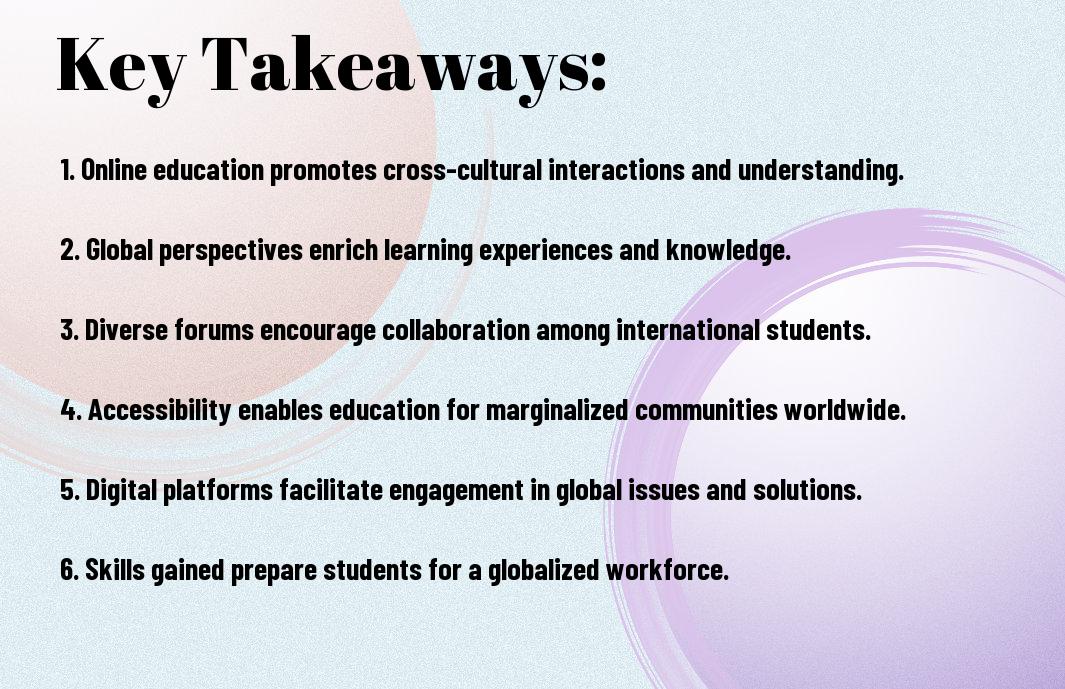
Key Takeaways:

  • Online education promotes Global Understanding by providing students with the opportunity to interact with people from diverse cultural backgrounds, fostering empathy and tolerance towards different perspectives and beliefs.
  • The Digital Classroom environment enables students to access educational resources and connect with peers from all over the world, breaking geographical barriers and promoting a sense of Community.
  • Through online education, students can develop Cross-Cultural Competence by engaging in discussions, collaborations, and projects that require them to navigate different cultural norms and values.
  • Online education platforms often incorporate Real-World Issues into their curricula, allowing students to develop a deeper understanding of global challenges and their role as Active Citizens in addressing these issues.
  • By participating in online educational experiences, students can cultivate a Global Mindset, characterized by adaptability, open-mindedness, and a willingness to engage with diverse perspectives, preparing them for success in an increasingly interconnected world.

    Defining Global Citizenship

    While exploring the concept of global citizenship, you’ll discover that it encompasses a broad range of values and principles, including cultural awareness, social responsibility, and environmental sustainability. As you explore deeper, you’ll find that global citizenship is about being an active and engaged member of a global community.

    The Concept of Global Citizenship

    Besides the obvious geographical connections, global citizenship is also about understanding and embracing the diversity of cultures, languages, and perspectives that exist around the world. As you navigate this complex landscape, you’ll begin to see the world from different viewpoints, broadening your own perspective and fostering a sense of global awareness.

    Importance of Global Citizenship in the Digital Age

    Globally, you are connected to a vast network of people and information, and this has significant implications for your role as a global citizen. You have the power to access and share knowledge, ideas, and cultural practices with others across the globe, facilitating cross-cultural understanding and collaboration.

    Due to the rapid advancement of technology and social media, your ability to engage with global issues and communities has increased exponentially. You can now participate in online discussions, collaborate on international projects, and access educational resources from around the world, enabling you to make a positive impact on a global scale and develop a deeper understanding of the complex issues that shape our world.
    Online Education and Global Connectivity

    There’s a profound impact of online education on global connectivity, as it bridges geographical gaps and fosters a sense of community among learners from diverse backgrounds, allowing you to engage with peers and instructors from around the world.

    Breaking Geographical Barriers

    At the forefront of online education lies the ability to transcend physical boundaries, enabling you to access courses and resources that may not be available in your local area, and connect with people from different parts of the globe.

    Cultural Exchange and Diversity

    For your educational journey, online platforms provide a unique opportunity to engage with diverse perspectives and cultures, broadening your understanding of the world and its complexities, as you interact with individuals from varied backgrounds and experiences.

    The cultural exchange that occurs through online education is particularly significant, as you are exposed to different customs, traditions, and ways of thinking, which can help you develop a more nuanced and empathetic worldview, preparing you to navigate an increasingly interconnected and globalized society, and making you a more informed and engaged global citizen.

    Skills for Global Citizenship

    All individuals can develop skills for global citizenship through online education, which enables you to access resources such as Using Online Education to Foster Global Citizenship in diverse contexts. This helps you understand different perspectives and foster a sense of global community.

    Critical Thinking and Problem-Solving

    After engaging with online educational resources, you’ll develop your critical thinking and problem-solving skills, allowing you to approach complex global issues from multiple angles and find innovative solutions that benefit your community and the world at large.

    Effective Communication and Collaboration

    Critically, effective communication and collaboration are important skills for global citizenship, and online education provides you with opportunities to interact with people from diverse backgrounds, helping you to navigate different cultural norms and develop your ability to work together towards common goals.

    Further, as you investigate deeper into online education, you’ll find that effective communication and collaboration become second nature, enabling you to transcend geographical boundaries and work with others to address pressing global issues, ultimately enriching your understanding of the world and your place within it, and empowering you to make a positive impact on your own community and the global community at large.

    Online Platforms and Resources

    To navigate the vast expanse of online education, you’ll encounter a plethora of platforms and resources. These tools facilitate your journey, allowing you to access a world of knowledge from the comfort of your own space.

    Massive Open Online Courses (MOOCs)

    Onward, online courses have democratized education, enabling you to engage with esteemed institutions and instructors worldwide. MOOCs offer a unique opportunity for you to explore diverse subjects, fostering a deeper understanding of global issues and perspectives.

    Social Media and Online Communities

    Opening up new avenues for connection, social media and online communities enable you to interact with individuals from diverse backgrounds, sharing ideas and experiences that broaden your worldview. You can join online forums, discuss courses, and collaborate on projects, thereby enriching your learning experience.

    Also, as you research into social media and online communities, you’ll discover a wealth of opportunities to develop your skills, challenge your assumptions, and cultivate empathy. You can participate in online discussions, join global projects, and engage with people from different cultures, ultimately enriching your understanding of the world and your place within it.

    Challenges and Opportunities

    For you to fully grasp the impact of online education on global citizenship, consider the obstacles that arise when implementing these programs, as well as the benefits they bring to your understanding of the world.

    Access to Quality Education

    Alongside the benefits of online education, an added advantage is that it provides you with access to quality educational resources, allowing you to learn from renowned instructors and expand your knowledge in your desired field.

    Digital Divide and Inequality

    Complexities such as digital divide and inequality pose significant challenges, affecting your ability to access online educational platforms and fully engage with the global community.

    A notable aspect of the digital divide is that it not only limits your access to information and educational resources but also hinders your potential to connect with people from diverse backgrounds, thus impeding your growth as a global citizen, and it’s up to you to seek out solutions to bridge this gap and ensure equal opportunities for all.

    Empowering Global Citizens

    Not only does online education provide access to a wealth of information, but it also enables you to connect with people from diverse backgrounds, fostering a sense of global community and cooperation.

    Promoting Cultural Awareness and Exchange

    On the digital platform, you can engage with peers from different cultures, sharing your perspectives and learning from theirs, which helps break down cultural barriers and broadens your understanding of the world.

    Fostering Global Perspectives and Empathy

    To become a global citizen, you need to be able to see things from other people’s point of view, and online education provides you with the opportunity to do just that, by exposing you to different viewpoints and encouraging you to think critically about global issues.

    Empowering you to make a positive impact on the world, online education helps you develop a deeper understanding of global challenges and your role in addressing them, allowing you to become an active and engaged global citizen, capable of making informed decisions that consider the needs of people from all over the world.

    To wrap up

    Now, as you consider the impact of online education, you begin to see how it breaks down cultural barriers, allowing you to engage with diverse perspectives and ideas. You start to appreciate how this digital landscape broadens your understanding of the world, enabling you to become a more empathetic and informed global citizen. Your online educational journey empowers you to think critically and approach problems with a unique, globally-minded perspective.

    FAQ

    Q: What role does online education play in fostering global citizenship, and how does it promote cultural exchange among students from diverse backgrounds?

    A: Online education plays a significant role in fostering global citizenship by providing a platform for students from all over the world to interact, share ideas, and learn from each other. This type of education promotes cultural exchange by allowing students to engage in discussions, collaborate on projects, and participate in virtual field trips, which helps to break down cultural barriers and develop a deeper understanding of different perspectives and values. Moreover, online education provides access to a vast array of educational resources, including courses, lectures, and educational materials from reputable institutions worldwide, further enriching the learning experience and broadening students’ global outlook.

    Q: How does online education help students develop the skills and knowledge necessary to become active and engaged global citizens, and what specific skills are acquired through this type of learning?

    A: Online education helps students develop a range of skills and knowledge that are vital for becoming active and engaged global citizens. These include communication skills, gained through online discussions and collaborative projects; critical thinking and problem-solving skills, developed through analyzing complex global issues and finding innovative solutions; and digital literacy, which is fundamental in today’s interconnected world. Additionally, online education exposes students to diverse viewpoints and experiences, fostering empathy, tolerance, and understanding. These skills are not only valuable in academic pursuits but also in professional and personal lives, enabling individuals to contribute positively to global communities and address global challenges effectively.

    Q: Are there any specific challenges that online education faces in fostering global citizenship, and how can these challenges be addressed to ensure that online learning environments are inclusive and effective for all students?

    A: Despite its many benefits, online education faces several challenges in fostering global citizenship, including issues related to accessibility, language barriers, and technological disparities. To address these challenges, educational institutions and platforms can invest in developing inclusive and accessible online learning environments. This can be achieved by providing technical support, offering courses in multiple languages, and ensuring that digital resources are accessible on a variety of devices. Furthermore, promoting cultural sensitivity and awareness among educators and students can help create a more inclusive online learning community. By addressing these challenges, online education can more effectively foster global citizenship, providing equal opportunities for students from all backgrounds to engage in global learning and contribute to the global community.

How to Learn Languages Through Online Education

You can now learn languages from the comfort of your own home, thanks to online education. As you explore your options, you’ll find numerous resources available to help you achieve your language goals. To get started, you can browse Best Online Language Courses and Programs that cater to your learning style and schedule, allowing you to take control of your language learning journey and make progress at your own pace.

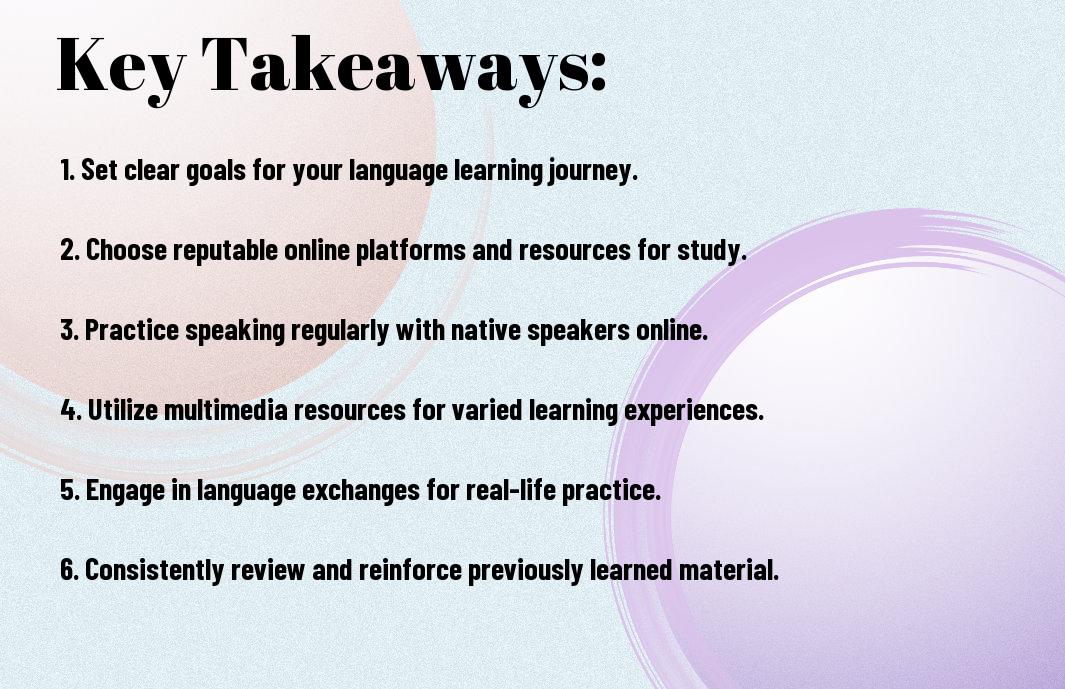
Key Takeaways:

To effectively learn languages through online education, consider the following points:

  • Utilize Interactive Resources such as videos, podcasts, and language learning apps to create an engaging learning experience.
  • Focus on Immersion Techniques like watching TV shows or movies, listening to music, and speaking with native speakers to improve pronunciation and comprehension.
  • Join Online Communities and forums to connect with other language learners, practice speaking and writing, and get feedback on progress.
  • Set Realistic Goals and track progress through regular assessments and self-evaluation to stay motivated and adjust the learning strategy as needed.
  • Take advantage of Personalized Learning tools that offer tailored lessons, exercises, and feedback to address individual learning styles and needs.

Benefits of Online Language Learning

A significant advantage of online language learning is the opportunity to acquire new skills at your own pace, which helps to enhance your language proficiency efficiently.

Flexibility and Accessibility

Almost any device with an internet connection can be used to access language learning platforms, allowing you to study from anywhere and at any time that suits your schedule.

Personalized Learning Experience

Against the backdrop of traditional classroom learning, online language courses offer you a tailored experience, adapting to your learning style, pace, and goals, making your learning journey more effective.

In addition, you can explore various interactive tools and resources that cater to your individual needs, providing you with a unique learning experience that helps you stay motivated and engaged throughout your language learning process.

Choosing the Right Online Platform

There’s a wide range of online platforms to learn languages, each with its unique features and benefits. You can choose from language learning apps, online courses, and tutorials, depending on your learning style and goals. Your selection will depend on the level of interaction, feedback, and support you need to stay motivated and achieve your objectives.

Language Learning Apps

Against the backdrop of numerous options, language learning apps are a popular choice, offering convenience and flexibility. You can access lessons, exercises, and quizzes on-the-go, making it easy to fit language learning into your busy schedule. Your progress is tracked, and you receive personalized feedback to help you improve.

Online Courses and Tutorials

Around the world, online courses and tutorials are gaining popularity, providing structured lessons and expert instruction. You can choose from various subjects, levels, and teaching methods, allowing you to tailor your learning experience to your needs and interests. Your learning is supported by interactive materials, assignments, and discussions with instructors and peers.

Understanding the different types of online courses and tutorials available will help you make an informed decision. You can opt for self-paced courses, which allow you to learn at your own pace, or instructor-led courses, which provide real-time interaction and feedback. Your goals, learning style, and schedule will determine the best fit for your language learning journey, and with the right online platform, you can achieve your objectives and become proficient in your target language.

Effective Learning Strategies

For successful language learning, you need to develop a well-structured approach. This involves using various techniques and tools to stay motivated and engaged.

Setting Realistic Goals

Strategically, you should set achievable objectives, breaking your learning process into manageable tasks, allowing you to track your progress and stay focused on your targets.

Creating a Study Schedule

Goal-oriented learners like you understand the importance of planning, so you establish a routine that suits your lifestyle, ensuring consistency in your learning journey.

Considering your schedule, you should allocate specific times for different activities, such as grammar exercises, vocabulary practice, and listening comprehension, to maintain a balanced learning experience, helping you to make the most out of your online education.

Interactive Learning Tools

Now that you’re exploring online education, you’ll discover a wide range of interactive tools to enhance your language learning experience. These tools offer engaging and immersive ways to practice your language skills, making learning more enjoyable and effective.

Language Exchange Websites

With the help of language exchange websites, you can connect with native speakers and practice your language skills through conversations and text exchanges, helping you improve your speaking and writing abilities.

Online Communities and Forums

The online language learning communities and forums provide you with a platform to discuss your progress, ask questions, and get feedback from other learners and experienced teachers, which can be incredibly beneficial for your learning journey.

Even as you engage with online communities and forums, you’ll find that you can tailor your learning to your specific needs and interests, allowing you to focus on areas where you need improvement, and you’ll also be able to learn from others who may be facing similar challenges, making your learning experience more personalized and supportive.

Overcoming Language Learning Challenges

After encountering obstacles, you’ll find that online education offers numerous resources to help you overcome them, ensuring your language learning journey stays on track.

Dealing with Grammar and Syntax

At the core of language learning lies the complexity of grammar and syntax, and you’ll need to tackle these challenges head-on to achieve fluency, using online tools and tutorials to guide you.

Improving Pronunciation and Fluency

Behind every fluent speaker is a dedication to practicing pronunciation, and you can achieve this by utilizing online speech recognition tools and interactive exercises to refine your skills.

A key aspect of improving your pronunciation and fluency is to immerse yourself in the language, listening to and speaking with native speakers, either through online language exchange platforms or video conferencing, allowing you to pick up on nuances and intonations that will make your speech more natural and confident.

Staying Motivated and Engaged

To maintain momentum in your online language learning journey, you need to stay motivated and engaged. This involves setting achievable goals, celebrating small victories, and making language learning a habit. You can achieve this by dedicating a specific time each day to language learning and making it a priority.

Finding Language Learning Partners

One effective way to stay motivated is to find a language learning partner. You can join online language exchange communities, forums, or social media groups to connect with others who share your interests and goals. This will enable you to practice your language skills, get feedback, and stay accountable.

Tracking Progress and Rewarding Yourself

Against all odds, tracking your progress and rewarding yourself can be a powerful motivator. You can use language learning apps, journals, or spreadsheets to monitor your progress and identify areas that need improvement. This will help you stay focused and motivated to continue learning.

It is crucial to track your progress regularly and reward yourself for achieving milestones. You can set specific goals, such as completing a certain number of lessons or reaching a certain level of proficiency, and reward yourself with something you enjoy, like watching a movie in the target language or trying a new recipe from the target culture. By doing so, you will stay motivated and engaged throughout your language learning journey, and you will be more likely to achieve your goals.

Final Words

So, as you conclude your journey of learning languages through online education, you have acquired the skills to effectively utilize digital platforms. You can now navigate through various courses, interact with instructors, and engage with fellow learners. Your dedication and persistence have been key to achieving your language learning goals, and you will continue to improve with consistent practice, expanding your linguistic abilities and exploring new cultural perspectives.

FAQ

Q: What are the benefits of learning languages through online education?

A: Learning languages through online education offers numerous benefits, including flexibility, convenience, and affordability. With online courses, you can learn at your own pace, anytime and anywhere, as long as you have a stable internet connection. Online language courses also provide access to a wide range of resources, such as interactive lessons, videos, and practice exercises, which can help you stay engaged and motivated. Additionally, online education platforms often offer personalized learning plans, allowing you to focus on areas where you need improvement and track your progress over time.

Q: How can I stay motivated and engaged while learning languages online?

A: To stay motivated and engaged while learning languages online, it’s imperative to set achievable goals and track your progress. Break down your learning process into smaller, manageable tasks, and reward yourself when you reach milestones. You can also join online language learning communities or find a language exchange partner to practice speaking and get feedback. Moreover, immerse yourself in the language by watching TV shows or movies, listening to music, or reading books and articles in the target language. This will help you develop a deeper understanding of the language and culture, making the learning process more enjoyable and effective.

Q: What are some effective online resources and tools for learning languages?

A: There are numerous online resources and tools available for learning languages, catering to different learning styles and levels. Some popular options include language learning apps like Duolingo, Babbel, and Rosetta Stone, which offer interactive lessons and exercises. You can also use online platforms like Coursera, edX, and Udemy, which provide courses and tutorials from reputable institutions and instructors. Additionally, language exchange websites and forums, such as italki and Reddit’s language learning community, can connect you with native speakers and fellow learners, providing opportunities for practice and feedback. Furthermore, online dictionaries, translation tools, and language learning podcasts can supplement your learning and help you stay up-to-date with language developments.

The Best Online Education Tools for Teachers

As you navigate the ever-evolving landscape of education, you’re likely on the lookout for innovative ways to enhance your teaching practices and engage your students. Your quest for effective online tools can be daunting, but what if you had access to a curated list of the most impactful platforms and resources? You’re about to discover a treasure trove of online education tools that will revolutionize the way you teach and your students learn, making your job more efficient and enjoyable.

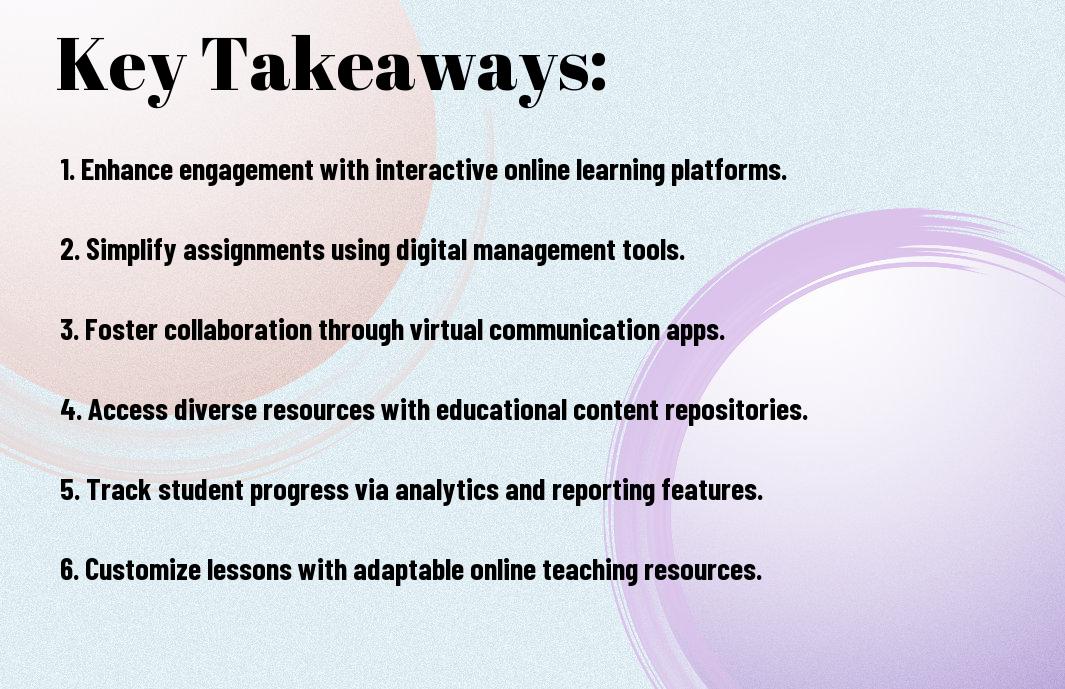
Key Takeaways:

To enhance the online learning experience, teachers can utilize various educational tools. Here are the main points to consider:

  • The Learning Management System (LMS) is a vital platform for teachers to manage and deliver online courses, track student progress, and facilitate communication with students and parents.
  • Virtual classroom tools, such as video conferencing software, enable teachers to conduct live online classes, interact with students in real-time, and create a more engaging learning environment.
  • Online assessment tools allow teachers to create and administer quizzes, tests, and exams, providing an efficient way to evaluate student understanding and progress.
  • Collaboration tools, including discussion forums and group project platforms, facilitate student interaction, teamwork, and peer-to-peer learning, promoting a sense of community in online courses.
  • Content creation tools, such as multimedia authoring software, enable teachers to develop interactive and engaging educational content, including videos, podcasts, and presentations, to support student learning and understanding.

Effective Online Platforms

For teachers looking to enhance their online teaching experience, you can explore various platforms that cater to your needs. You can find more information on Software for Teachers > Online Education Tools to discover the best tools for your teaching practice.

Learning Management Systems

About the most popular learning management systems, you will find that they offer a range of features to support your teaching, from grading and assessment to communication and collaboration tools, making it easier for you to manage your online classroom.

Virtual Classrooms

Above all, virtual classrooms provide you with the flexibility to teach from anywhere, at any time, and offer your students a more immersive and engaging learning experience, which can be particularly beneficial for students who prefer online learning.

In addition, as you research deeper into virtual classrooms, you will discover that they offer a wide range of interactive tools, such as video conferencing, screen sharing, and live chats, allowing you to create a more dynamic and interactive learning environment that caters to the diverse needs of your students, enabling you to build a stronger connection with them and enhance their overall learning experience.

Interactive Tools

Assuming you want to create an engaging online learning experience, interactive tools are the way to go. You can use them to boost student participation, encourage discussion, and make learning fun. With interactive tools, you can create a dynamic online classroom that simulates real-world scenarios, making it easier for your students to understand complex concepts.

Quizzes and Polls

Between various interactive tools, quizzes and polls stand out as effective ways to assess student understanding and encourage participation. You can use these tools to create interactive assessments, gather feedback, and track student progress, helping you to refine your teaching methods and improve student outcomes.

Collaborative Documents

About to take your online teaching to the next level, collaborative documents are a great place to start. You can use these tools to create shared workspaces where students can collaborate on projects, share ideas, and work together in real-time, promoting teamwork and communication skills.

Also, as you explore deeper into collaborative documents, you’ll discover that they offer a range of features that facilitate seamless collaboration, such as real-time commenting, version control, and task assignment. You can use these features to guide your students, provide feedback, and monitor their progress, making it easier to manage group projects and ensure everyone is on the same page.

Multimedia Resources

Despite the abundance of online tools, selecting the right ones can be overwhelming. You can explore 🥇The 53 Best Free Online Teaching Tools in 2025 to discover a plethora of options tailored to your needs.

Educational Videos

One of the most effective ways to engage your students is through educational videos, which you can seamlessly integrate into your lesson plans to enhance their learning experience.

Interactive Simulations

Interactive simulations allow you to create immersive experiences, enabling your students to explore complex concepts in a virtual environment, making learning more enjoyable and effective.

Due to the versatility of interactive simulations, you can use them to teach a wide range of subjects, from science and math to language and history, helping your students develop a deeper understanding of the material and retain information better.

Assessment and Feedback

Once again, you’ll find that technology can greatly enhance your teaching practices, particularly when it comes to evaluating student performance and providing constructive feedback.

Online Quizzes and Tests

Around the clock, you can create and administer online quizzes and tests, using tools that automatically grade assignments and provide instant feedback to your students.

Peer Review Tools

Utilizing peer review tools, you can facilitate collaborative learning and encourage your students to learn from one another, developing vital critical thinking and communication skills.

Plus, with peer review tools, you can easily track student participation and engagement, identifying areas where your students may need extra support, and allowing you to tailor your teaching to meet their unique needs, ultimately helping you refine your instructional approach and improve student outcomes.

Student Engagement

All educators strive to create an environment that captivates their students’ attention and motivates them to learn. You can achieve this by leveraging various online tools that make learning fun and interactive, allowing you to track your students’ progress and adjust your teaching strategies accordingly.

Gamification and Rewards

For instance, you can utilize platforms that incorporate game design and rewards to encourage healthy competition and engagement among your students, making the learning process enjoyable and effective.

Discussion Forums

Encouragingly, online discussion forums enable you to facilitate meaningful conversations and debates, allowing your students to express their thoughts and opinions, and you to gauge their understanding of the subject matter.

Another significant aspect of discussion forums is that they provide a space for your students to collaborate on projects, share resources, and learn from one another, helping you to foster a sense of community and cooperation in your online classroom, and enabling you to assess their ability to work together towards a common goal.

Implementation and Support

To ensure a seamless integration of online education tools into your teaching practice, you’ll want to consider several key factors. Your goal is to create an environment where technology enhances learning, rather than hinders it.

Technical Requirements

On the heels of selecting the right tools, you’ll need to assess the technical capabilities of your classroom and school. Obviously, having the necessary hardware, software, and internet connectivity is crucial for a smooth implementation.

Teacher Training

The key to successful adoption lies in providing your teachers with the necessary training and support. You’ll want to ensure they are comfortable using the new tools and can effectively integrate them into their lesson plans.

Support for your teachers is vital as they navigate this new landscape. You’ll be helping them to develop the skills and confidence they need to make the most of these innovative tools, and in turn, enhance the learning experience for your students. As you consider the various online education tools available, think about how they can be used to supplement your existing curriculum and create a more engaging, interactive learning environment for your students. With the right tools and support, you can empower your teachers to take their instruction to the next level, and watch your students thrive as a result.

Summing up

The best online education tools for teachers are now at your fingertips, enabling you to create engaging lessons and track your students’ progress with ease. As you explore these tools, you’ll discover how they can enhance your teaching practices and make your job more efficient. With your newfound knowledge, you can harness the power of technology to inspire your students and take your teaching to the next level, making a lasting impact on their educational journey.

FAQ

Q: What are the best online education tools for teachers to enhance student engagement and participation?

A: The best online education tools for teachers include Learning Management Systems (LMS) like Canvas, Blackboard, and Moodle, which allow teachers to create and manage online courses, assign tasks, and track student progress. Additionally, interactive tools like Kahoot, Quizlet, and Padlet enable teachers to create engaging quizzes, games, and discussions that promote student participation and collaboration. Video conferencing tools like Zoom and Google Meet also facilitate virtual classroom interactions and remote learning.

Q: How can teachers effectively integrate online education tools into their teaching practices to support diverse learning needs?

A: Teachers can effectively integrate online education tools into their teaching practices by first identifying the specific learning objectives and needs of their students. They can then select tools that cater to different learning styles, such as visual, auditory, or kinesthetic. For example, teachers can use multimedia resources like videos, podcasts, and interactive simulations to support visual and auditory learners. They can also use tools like text-to-speech software and closed captions to support students with disabilities. Furthermore, teachers can use data analytics and tracking features in online tools to monitor student progress and adjust their instruction to meet the diverse needs of their students.

Q: What are some tips for teachers to ensure the safe and responsible use of online education tools in the classroom?

A: To ensure the safe and responsible use of online education tools, teachers should establish clear guidelines and expectations for online behavior and digital citizenship. They should also educate students about online safety, cyberbullying, and digital etiquette. Teachers can use built-in safety features in online tools, such as privacy settings and content filters, to protect students from inappropriate content. Additionally, teachers should regularly monitor student activity online and encourage students to report any concerns or incidents. By promoting a culture of digital responsibility and respect, teachers can create a safe and supportive online learning environment that fosters academic success and social growth.

How to Create Effective Online Study Groups

To enhance your learning experience, you can leverage online study groups, which offer a flexible and collaborative environment to achieve your academic goals. You will learn how to set up and manage these groups effectively. For inspiration, you can explore resources on Setting Up Virtual Study Groups to get started. As you follow this guide, you will discover how to create a productive and engaging online space that supports your academic success.

Key Takeaways:

To create effective online study groups, consider the following points:

  • Establish a clear structure for your online study group, including a defined schedule, specific goals, and assigned roles for each member to ensure everyone is on the same page.
  • Utilize collaboration tools such as video conferencing software, online whiteboards, and file-sharing platforms to facilitate communication and information exchange among group members.
  • Foster an inclusive environment by encouraging active participation, respectful dialogue, and open feedback to help build trust and promote productive discussions.
  • Set measurable objectives and track progress regularly to help the group stay focused and motivated, and to identify areas where additional support may be needed.
  • Leverage technology to enhance the online study group experience, such as using screen sharing to review materials, recorded sessions for future reference, and polls to gauge understanding and engage members.

Understanding the Importance of Online Study Groups

To create an effective online study group, you need to understand its importance in enhancing your learning experience. You will be able to learn from others, share knowledge, and stay motivated throughout your academic journey.

Benefits of collaborative learning

For instance, when you engage in collaborative learning, you develop important skills such as communication, problem-solving, and teamwork, which are valuable in your academic and professional life. You will be able to approach problems from different perspectives and gain a deeper understanding of the subject matter.

Advantages of online study groups

The flexibility and convenience of online study groups allow you to learn at your own pace and participate in discussions at any time. You can access a wide range of resources, including videos, tutorials, and online forums, to support your learning.

Learning in an online study group enables you to take ownership of your learning, set goals, and track your progress. You can reflect on your learning, identify areas where you need improvement, and adjust your approach accordingly, which helps you to achieve your academic goals more effectively. You will also be able to connect with your peers, build relationships, and develop a sense of community, which is important for your academic success and personal growth.

Planning and Organizing Effective Online Study Groups

While creating an online study group, you need to consider several factors to ensure its success. You must plan and organize your group effectively, setting clear goals and objectives, and choosing the right platform and tools to facilitate collaboration and communication.

Setting clear goals and objectives

Less emphasis on vague plans allows you to focus on what you want to achieve with your online study group, enabling you to create a clear roadmap for your learning journey. You can then establish specific, measurable objectives that guide your studying and help you stay on track.

Choosing the right platform and tools

Right from the start, you should consider the features and functionalities that your online study group needs, such as video conferencing, file sharing, and discussion forums. You can then select a platform that meets these needs, ensuring that your group has the tools necessary to collaborate and learn effectively.

A key aspect of choosing the right platform and tools is considering your group’s size, preferences, and technical expertise. You should also think about the level of flexibility and customization you need, as well as the cost and accessibility of the platform. By carefully evaluating these factors, you can select a platform that supports your group’s learning goals and facilitates a productive and engaging online study experience.

Key Factors for Successful Online Study Groups

Despite the challenges, you can create a productive online study group by considering a few key factors. You’ll want to:

  • Set clear goals
  • Establish a schedule

You can learn more about creating a successful online study group by visiting Build a Successful Virtual Study Group. Recognizing these factors will help you create an effective online study group.

Active participation and engagement

Encouraging participation is vital to the success of your online study group. You can foster engagement by encouraging discussion and collaboration among members, which will help you stay motivated and accountable.

Effective communication and feedback

While communication is key to any successful group, it’s especially important in an online setting. You’ll want to establish clear channels of communication and provide regular feedback to ensure everyone is on the same page.

It is imperative to have a clear understanding of how to communicate effectively in your online study group. You should use video conferencing tools, messaging apps, and email to stay in touch with your group members. By doing so, you’ll be able to share ideas, ask questions, and provide feedback, which will help you achieve your academic goals. Regular check-ins and open discussions will also help you build trust and resolve any issues that may arise, making your online study group a productive and successful experience.

Tips for Facilitating Productive Online Discussions

Keep your online discussions focused by setting clear goals and guidelines. Consider the following:

  • Establish a respectful tone
  • Encourage active participation
  • Perceiving the needs of your group members will help you create a productive and engaging online discussion environment.

    Encouraging critical thinking and debate

    Alike other online activities, you should approach discussions with an open mind, allowing your group members to share their thoughts and opinions freely, which will help you to create a collaborative and engaging online study group.

    Managing conflicts and maintaining a positive atmosphere

    Maintaining a positive and respectful atmosphere is key to a successful online study group, you should be able to manage conflicts in a fair and constructive manner, ensuring all group members feel valued and supported.

    Another important aspect of managing conflicts and maintaining a positive atmosphere is being proactive, you should regularly check-in with your group members to identify any potential issues and address them before they escalate, this will help you to prevent conflicts and maintain a positive and productive online discussion environment, allowing you to achieve your study goals more effectively.

    Strategies for Enhancing Online Study Group Engagement

    Once again, you’ll find that creating an effective online study group requires careful consideration of how to keep members engaged. You’ll need to think about how to encourage participation, foster collaboration, and make your study group a valuable resource for all members.

    Using multimedia and interactive resources

    You will likely find that incorporating multimedia and interactive resources into your online study group can be an effective way to boost engagement, as these tools can help to break up traditional text-based discussions and add some visual interest to your online meetings.

    Incorporating gamification and incentives

    The use of gamification and incentives can be a great way to motivate your study group members and encourage them to participate more fully in your online discussions and activities, which can help to create a more dynamic and engaging online learning environment for you.

    Enhancing your online study group with gamification and incentives can help you to increase member participation and engagement, as you can use rewards and recognition to motivate your members to contribute to discussions, complete tasks, and achieve their learning goals, which can help you to create a more supportive and effective online learning community.

    Overcoming Common Challenges in Online Study Groups

    Not all online study groups are immune to challenges, and you will likely encounter some obstacles along the way. To succeed, you need to be prepared to address these issues and find solutions that work for your group.

    Addressing technical issues and accessibility concerns

    You will need to consider the technical capabilities of your group members and ensure that everyone has access to the necessary tools and resources to participate fully in online discussions and activities.

    Maintaining motivation and preventing burnout

    Challenges such as procrastination and lack of engagement can arise in online study groups, and it’s up to you to stay motivated and encourage your fellow group members to do the same.

    Understanding the importance of setting clear goals and deadlines, as well as establishing a routine, can help you stay focused and motivated throughout your online study group experience. By doing so, you can prevent burnout and maintain a productive and successful online study group.

    To wrap up

    Ultimately, you now have the tools to create effective online study groups. You can establish a productive environment by setting clear goals and expectations for your group. By leveraging technology and encouraging active participation, you can facilitate engaging discussions and help your members achieve their academic objectives. With your careful planning and guidance, your online study group will become a valuable resource for your members, enhancing their learning experience and fostering a sense of community.

    FAQ

    Q: What are the benefits of creating an online study group and how can it enhance my learning experience?

    A: Creating an online study group can have numerous benefits, including increased collaboration, improved knowledge sharing, and enhanced motivation. By working together with peers, you can gain new insights, discuss challenging topics, and stay accountable to your study schedule. Additionally, online study groups can be highly flexible, allowing members to participate from anywhere and at any time, making it an ideal option for those with busy schedules or living in different locations. Effective online study groups can lead to better understanding and retention of material, as well as improved overall academic performance.

    Q: How do I organize and manage an online study group to ensure it remains productive and effective?

    A: To organize and manage an online study group effectively, start by setting clear goals and objectives for the group, such as what topics to cover and how often to meet. Choose a suitable online platform, such as video conferencing software or a dedicated study group app, that allows for easy communication and collaboration. Establish a routine or schedule for meetings and stick to it, ensuring all members are aware of their roles and responsibilities. It’s also important to encourage active participation, respect differing opinions, and maintain open lines of communication to foster a supportive and inclusive environment. Regularly evaluate the group’s progress and make adjustments as needed to keep the group focused and motivated.

    Q: What tools and resources are available to support the creation and management of a successful online study group?

    A: There are numerous tools and resources available to support the creation and management of a successful online study group. Video conferencing tools like Zoom or Google Meet enable face-to-face interaction, while collaboration platforms such as Slack or Trello facilitate communication, organization, and task management. Online learning management systems, like Moodle or Blackboard, can be used to share resources, track progress, and assign tasks. Additionally, digital whiteboard tools, such as Mural or Google Jamboard, allow for real-time collaboration and brainstorming. Utilizing these tools can help streamline the study group’s operations, increase productivity, and enhance the overall learning experience. By exploring and leveraging these resources, you can create a well-structured and effective online study group that meets the needs of all its members.

The Benefits of Online Learning for High School Students

As you navigate your high school education, you’re likely considering various learning options that cater to your needs. Online learning is becoming increasingly popular, and for good reason. You can experience flexibility and personalized learning, allowing you to learn at your own pace. Your academic goals and interests can be met through online courses, providing you with a tailored educational experience that prepares you for future success.

Key Takeaways:

  • The flexibility of online learning allows high school students to balance their academic responsibilities with other aspects of their lives, such as extracurricular activities, part-time jobs, or family obligations.
  • Online learning provides access to a wide range of courses and educational resources that may not be available in traditional brick-and-mortar schools, including advanced placement courses, foreign languages, and specialized electives.
  • High school students can benefit from personalized learning experiences through online education, as they can learn at their own pace and engage with course materials in a way that suits their individual learning style.
  • Online learning helps high school students develop independent learning skills, such as time management, self-motivation, and self-discipline, which are necessary for success in higher education and the workforce.
  • The convenience of online learning enables high school students to learn from anywhere with an internet connection, reducing the need for lengthy commutes and allowing them to stay on top of their schoolwork even when faced with scheduling conflicts or personal obligations.

    Advantages of Online Learning

    While exploring online learning options, you can discover the benefits it offers, including flexibility and accessibility. You can learn more about the Advantages and Disadvantages of Online Courses to make an informed decision.

    Increased Flexibility

    Besides traditional classroom settings, online learning provides you with the flexibility to manage your schedule and learn at your own pace, allowing you to balance school with other activities.

    Accessibility and Convenience

    Online, you can access course materials and learning resources from anywhere, making it easier to manage your time and stay organized, as you can learn from the comfort of your own space.

    To further enhance your learning experience, online platforms often offer tools and features that facilitate communication with instructors and peers, ensuring you stay connected and supported throughout your academic journey, and you can utilize these resources to get the most out of your online learning experience.

    Personalized Learning Experiences

    One of the significant advantages of online learning for high school students is the ability to tailor your education to your individual needs and interests. This approach enables you to learn at your own pace, explore topics in-depth, and develop a deeper understanding of the subject matter.

    Self-Paced Learning

    Around the clock, you can access online courses and learning materials, allowing you to learn at a pace that suits your schedule and learning style. This flexibility enables you to manage your time effectively and make the most of your online learning experience.

    Targeted Learning Objectives

    Beneath the surface of traditional classroom learning, online learning platforms provide you with targeted learning objectives that cater to your specific needs and goals. This approach helps you to focus on areas where you need improvement, ensuring that you achieve your full potential.

    With targeted learning objectives, you can set clear goals for your online learning journey, track your progress, and adjust your approach as needed. This helps you to stay motivated, engaged, and committed to your academic success, ultimately leading to better outcomes and a more fulfilling educational experience.

    Preparing Students for the Digital Age

    To succeed in today’s technology-driven world, you need to be equipped with the skills to navigate online platforms and tools. Online learning helps your high school students develop these skills, preparing them for their future careers.

    Developing Technical Skills

    Technologically, you will find that online learning provides your students with hands-on experience with digital tools and software, enhancing their technical abilities and confidence in using technology.

    Enhancing Online Collaboration

    After enrolling in online courses, you will notice that your students improve their ability to collaborate with peers and instructors remotely, fostering effective communication and teamwork skills.

    In addition, as you explore online collaboration further, you will discover that it allows your students to work with others from diverse backgrounds and locations, broadening their perspectives and preparing them for global interactions and collaborations in their future careers.

    Breaking Down Geographical Barriers

    Your location is no longer a limitation with online learning, as you can access educational resources from anywhere in the world with an internet connection.

    Global Access to Education

    Following the advancement of technology, online learning platforms have made it possible for you to access quality education from reputable institutions globally, regardless of your geographical location.

    Cultural Exchange Opportunities

    Among the benefits of online learning, you’ll find the opportunity to interact with students from diverse cultural backgrounds, broadening your perspective and understanding of the world.

    Geographically, you are no longer restricted to learning from people in your immediate surroundings, as online learning allows you to engage with peers and instructors from different parts of the world, enriching your learning experience and preparing you for an increasingly globalized society, where you will likely interact with people from diverse backgrounds, and this will help you to develop a more nuanced understanding of different cultures and perspectives.

    Overcoming Traditional Learning Limitations

    All traditional learning limitations can be overcome through online learning, offering you a flexible and personalized education experience. You can learn at your own pace, accessing course materials and resources from anywhere, at any time.

    Accommodating Different Learning Styles

    Diverse learning styles are accommodated through online learning, allowing you to learn in a way that suits your needs. You can engage with multimedia content, interactive simulations, and virtual discussions, making learning more engaging and effective.

    Providing Equal Opportunities

    Overcoming geographical and financial barriers, online learning provides equal opportunities for you to access quality education. You can participate in courses and programs offered by institutions worldwide, regardless of your location or financial situation.

    Due to the flexibility and accessibility of online learning, you can balance your education with other responsibilities, such as work or family commitments. You can also pursue courses and programs that may not be available in your local area, expanding your educational opportunities and enhancing your career prospects.

    Empowering Student Autonomy

    Once again, you can benefit from online learning as it allows for a more autonomous experience. You can learn more about The Benefits of Online High School and how it can empower your educational journey.

    Encouraging Self-Motivation

    Above all, online learning encourages you to take charge of your education, promoting self-motivation and a sense of accomplishment as you complete coursework at your own pace.

    Fostering Independent Learning

    Among the many benefits of online learning, fostering independent learning is key, as you develop skills to navigate and manage your educational path with ease.

    In fact, as you progress through your online courses, you will become more proficient in seeking out resources, evaluating information, and applying knowledge to real-world situations, ultimately preparing you for success in your future endeavors.

    Final Words

    The numerous benefits of online learning for high school students are now at your fingertips, and you can leverage them to enhance your educational experience. You have the flexibility to learn at your own pace, access a wide range of courses, and develop vital skills. As you explore online learning, you will discover its potential to cater to your individual needs, making it an invaluable resource for your academic growth and future success.

    FAQ

    Q: What are the advantages of online learning for high school students in terms of flexibility and autonomy?

    A: Online learning provides high school students with the flexibility to complete coursework at their own pace, allowing them to balance school with other activities such as sports, part-time jobs, or family responsibilities. This autonomy enables students to take ownership of their learning, making it easier to manage their time effectively and reduce stress. With online learning, students can access course materials and submit assignments from anywhere, at any time, as long as they have a stable internet connection.

    Q: How does online learning enhance the accessibility of educational resources for high school students, particularly those with special needs or from rural areas?

    A: Online learning platforms make educational resources more accessible to all high school students, regardless of their geographical location or physical abilities. For students with special needs, online learning can provide accommodations such as text-to-speech functionality, closed captions, and keyboard-only navigation, which can be tailored to meet individual needs. Additionally, students from rural areas can access a wide range of courses and resources that may not be available in their local schools, bridging the gap in educational opportunities and providing equal access to quality education.

    Q: Can online learning help improve the academic performance and engagement of high school students, and if so, how?

    A: Yes, online learning can help improve the academic performance and engagement of high school students. Interactive online lessons and multimedia resources can make learning more engaging and fun, increasing student motivation and participation. Moreover, online learning platforms often provide real-time feedback and assessment tools, enabling students to track their progress and identify areas where they need extra support. This personalized approach to learning can lead to better academic outcomes, as students are able to focus on their strengths and weaknesses, and develop a more profound understanding of the subject matter.

Skip to content