The Best Online Learning Tools for Students

As you navigate the vast expanse of online learning, you’re likely to encounter a plethora of tools designed to make your educational journey smoother. Your quest for knowledge is about to get a whole lot easier, as you discover the hidden gems that will help you learn, grow, and thrive in a digital landscape. With a multitude of options at your fingertips, you’ll soon be unlocking your full potential and making the most of your online learning experience.

Key Takeaways:

To enhance the online learning experience, several tools and platforms are available. Here are some key points to consider:

  • Utilizing interactive learning tools such as Khan Academy, Coursera, and edX can provide students with a wide range of academic courses and resources.
  • Virtual classrooms and collaboration tools like Zoom, Google Meet, and Slack can facilitate communication and teamwork among students and instructors.
  • Personalized learning platforms such as Duolingo and Grammarly offer adaptive technology that caters to individual learning styles and needs.
  • Organizational tools like Trello, Evernote, and Todoist help students manage their time, tasks, and assignments more effectively.
  • Access to digital libraries and online research databases such as JSTOR and PubMed can provide students with a wealth of information and resources for their studies.

Online Learning Platforms

A wealth of online learning platforms are available to you, offering a range of tools and resources to enhance your educational experience. You can explore various platforms to find the one that suits your needs, from interactive lessons to collaborative workspaces.

MOOCs and Online Courses

Beneath the surface of traditional education, you’ll find MOOCs (Massive Open Online Courses) and online courses that provide flexible learning opportunities. You can access courses from top universities and institutions, allowing you to learn at your own pace.

Virtual Classrooms and Lecture Series

Alongside traditional teaching methods, you’ll discover virtual classrooms and lecture series that bring education to life. You can engage with instructors and peers in real-time, creating a more immersive learning experience.

Lecturing in a virtual classroom is an art that instructors have perfected, using multimedia tools to convey complex ideas in an engaging way. As you participate in virtual lectures, you’ll find that the interactive elements and discussion forums help to clarify your understanding of the subject matter, making it easier for you to apply what you’ve learned to your own projects and assignments.
Educational Resources

Some of the most valuable online learning tools for you as a student are those that provide access to educational content, helping you to expand your knowledge and skills in a specific area of study. You can explore various types of resources that cater to your learning style and preferences.

Digital Textbooks and eBooks

Educative materials like digital textbooks and eBooks offer you a convenient and accessible way to access course materials, allowing you to study anywhere, at any time, and making it easier for you to organize your studying.

Online Libraries and Research Tools

Research-oriented platforms like online libraries and research tools enable you to examine deeper into your subject matter, providing you with a wealth of information and resources to support your learning and academic pursuits, helping you to find credible sources for your assignments and projects.

Digital archives and research databases are especially useful for you, as they provide access to a vast array of academic journals, articles, and books, allowing you to conduct thorough research and stay up-to-date with the latest developments in your field of study, which can be incredibly helpful in completing your assignments and achieving your academic goals.

Productivity and Organization Tools

All students need the right tools to stay organized and focused. You can discover the Top 10 distance learning tools to maximize student success and explore various options to find what works best for you.

Task Management and Scheduling Apps

Task management is necessary to your success, and with the right apps, you can prioritize your assignments and stay on track, making the most of your time.

Note-taking and Collaboration Software

Around the globe, students are using digital tools to take notes and collaborate with their peers, making learning more efficient and fun, and helping you to achieve your academic goals.

For instance, you can use note-taking software to organize your thoughts, tag important information, and share your notes with classmates, making group projects and study sessions more productive and enjoyable, allowing you to learn from each other and grow together.

Interactive Learning Tools

Once again, you’re in luck because there are countless online resources available to enhance your learning experience. Check out the discussion on Favorite Online Learning Tools? : r/nerdfighters to discover new platforms tailored to your needs.

Gamification and Simulation Platforms

Besides traditional learning methods, you can engage with interactive tools that make learning fun. Gamification platforms offer an immersive experience, allowing you to explore complex concepts in a virtual environment.

Virtual Labs and Science Tools

Laboratory settings can be replicated online, giving you access to experiments and investigations that might not be possible in a physical classroom. You can conduct virtual dissections, explore the human body, or analyze data in a safe and controlled environment.

Also, as you probe into virtual labs and science tools, you’ll find that they cater to various learning styles, providing you with interactive simulations, 3D models, and real-time data analysis. This will enable you to visualize complex concepts, making your learning experience more engaging and effective.

Accessibility and Support

Not all online learning tools are created equal, and as you navigate the vast landscape of digital education, you’ll want to consider the accessibility and support options available to you. This is particularly important if you have specific needs or requirements that must be met in order to succeed.

Tools for Students with Disabilities

Among the many tools designed to help students with disabilities, you’ll find text-to-speech software, speech-to-text software, and other assistive technologies that can help level the playing field and provide equal access to educational resources.

Online Tutoring and Mentorship Programs

Accessible to you from anywhere, online tutoring and mentorship programs can provide one-on-one support and guidance, helping you to stay on track and achieve your academic goals.

It is worth exploring the various online tutoring and mentorship programs available, as they can offer a range of benefits, from personalized learning plans to ongoing support and encouragement, all of which can help you succeed in your online learning journey, and you can choose the ones that best fit your needs and learning style.

Staying Motivated and Engaged

Unlike traditional learning methods, online learning requires you to be self-motivated and disciplined to stay on track. You can achieve this by setting realistic goals and rewarding yourself for milestones achieved, making the learning process more enjoyable and rewarding.

Time Management and Goal Setting Strategies

Conversely, developing effective time management skills will help you prioritize tasks and allocate sufficient time for each activity, enabling you to stay focused and avoid procrastination, allowing you to make the most of your online learning experience.

Online Communities and Forums for Students

Anyway, joining online communities and forums can provide you with a sense of belonging and connection with fellow students, where you can share knowledge, ask questions, and learn from one another, making your online learning journey more engaging and interactive.

Understanding the benefits of online communities and forums, you can leverage these platforms to get feedback on your work, participate in discussions, and collaborate on projects, which can help you develop vital skills such as communication, teamwork, and problem-solving, ultimately enhancing your overall learning experience and preparing you for real-world challenges.

Summing up

As a reminder, you now have a treasure trove of online learning tools at your fingertips. You can explore, discover, and learn with ease, making your educational journey a wondrous adventure. With these tools, you’ll unlock your full potential, and your learning experience will be tailored to your unique needs and interests, helping you to grow and thrive in a world of endless possibilities.

FAQ

Q: What are the benefits of using online learning tools for students?

A: The best online learning tools for students offer a range of benefits, including increased flexibility and accessibility, allowing students to learn at their own pace and from any location. These tools also provide a wealth of interactive and engaging content, such as videos, quizzes, and games, which can help to make learning more enjoyable and effective. Additionally, online learning tools can help students to develop important skills, such as time management, self-motivation, and digital literacy.

Q: How can students choose the best online learning tools to suit their needs?

A: To choose the best online learning tools, students should consider their individual learning style, goals, and needs. They should look for tools that offer a user-friendly interface, high-quality content, and opportunities for interaction and feedback. Students should also read reviews and ask for recommendations from teachers, peers, or mentors to find the most effective tools. Furthermore, many online learning platforms offer free trials or demos, which can help students to test and evaluate different tools before committing to a particular one.

Q: Are online learning tools effective for students with different learning abilities and needs?

A: Yes, the best online learning tools can be highly effective for students with different learning abilities and needs. Many online platforms offer personalized learning pathways, adaptive technology, and accessibility features, such as text-to-speech functionality, font size adjustment, and closed captions, which can help students with disabilities or learning difficulties. Additionally, online learning tools can provide opportunities for students to work at their own pace, review material as needed, and access additional support resources, such as tutoring or mentoring, which can help to level the playing field and promote inclusive learning.

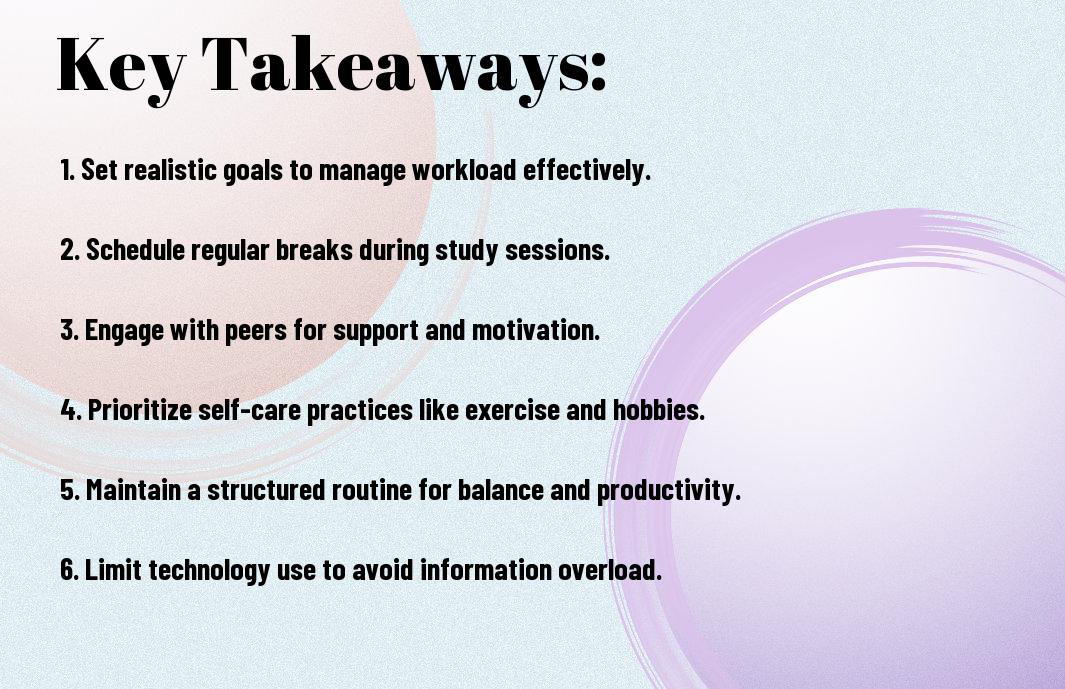
How to Avoid Burnout in Online Education

You’re investing time and effort into your online education, but the isolation and constant screen time can take a toll on your mental and physical health. You need to find ways to maintain your productivity and motivation without exhausting yourself. Your goal is to learn and grow, not to burn out. You’ll learn how to set boundaries, prioritize self-care, and stay focused to achieve success in your online educational journey.

Key Takeaways:

To maintain productivity and well-being in online education, consider the following points:

  • Set boundaries between work and personal life to avoid the blurring of lines that can lead to burnout in online learning environments.
  • Establish a schedule and stick to it, allowing for regular breaks and time for self-care to manage workload effectively.
  • Prioritize self-care activities, such as exercise, meditation, or spending time with family and friends, to maintain mental and physical health.
  • Seek support from instructors, peers, or online communities when facing challenges or feeling overwhelmed to prevent burnout.
  • Stay organized and manage digital distractions by using tools and strategies that help minimize procrastination and maximize focus on learning objectives.

Setting Boundaries

Before plunging into online education, you need to establish clear boundaries to maintain your mental and physical well-being. This involves creating a dedicated space for learning and separating your work from your personal life.

Establishing a dedicated workspace

Behind your computer screen, a clutter-free and organized workspace awaits. You will set up a dedicated area for learning, free from distractions and interruptions, allowing you to focus on your online education.

Separating work and personal life

After logging off from your online courses, you will close the door to your workspace, leaving your work behind. You will create a clear distinction between your learning time and personal time, allowing you to recharge and relax.

It is imperative to stick to your schedule and avoid the temptation to work or study during your personal time. You will prioritize self-care activities, such as exercise, meditation, or spending time with loved ones, to maintain a healthy work-life balance and avoid burnout in online education.

Time Management

Even with a flexible online schedule, you can quickly fall behind. Set clear goals and deadlines to stay on track.

Creating a schedule

Timing is everything when it comes to online education. You create a schedule that works for you, including dedicated blocks of time for studying and breaks.

Prioritizing tasks

Across your coursework, you will have multiple tasks competing for your attention. You focus on the most important ones first, tackling them when you are most alert.

Tasks that require the most effort and attention should be your top priority. You identify these tasks and tackle them first, ensuring you make progress on your most challenging assignments. This helps you stay on top of your workload and avoid last-minute cramming.

Staying Engaged

Once again, your approach to online education will determine your level of engagement. You need to find ways to stay motivated and focused to achieve your goals.

Finding motivation

Above all, you must identify what drives you to learn. You will find that setting clear expectations and celebrating small victories helps to boost your motivation.

Setting achievable goals

After establishing your motivation, you will need to set specific, achievable goals. You should prioritize your objectives and create a schedule to help you stay on track.

But as you set your goals, you will realize that breaking them down into smaller, manageable tasks is key to success. You will be able to track your progress and make adjustments as needed, which will help you stay focused and motivated throughout your online education journey.

Taking Breaks

All online students need to take breaks to avoid burnout. You can find tips on how to avoid burnout in college to help you manage your time effectively.

Importance of self-care

Around your daily routine, you should prioritize self-care to maintain your mental health. You need to take care of your physical and emotional well-being to stay focused.

Relaxation techniques

About relaxation, you have various options to choose from, such as meditation or deep breathing exercises. You can use these techniques to calm your mind.

For instance, you can start with simple exercises like taking a few minutes each day to breathe deeply, focusing on your breath, and letting go of your thoughts. You can also try progressive muscle relaxation, where you tense and then relax different muscle groups in your body. This can help you release physical tension and calm your mind, allowing you to focus on your studies and avoid burnout.

Seeking Support

Many online students overlook the importance of seeking support, but it’s important for avoiding burnout. You can find help from various sources, including peers and instructors, to maintain your well-being and academic success.

Connecting with peers

On top of managing coursework, connecting with peers can provide a sense of community and help you stay motivated. You can join online forums or discussion groups to interact with fellow students and build relationships.

Reaching out to instructors

Like peers, instructors can offer valuable guidance and support when you need it. You can contact them via email or video calls to discuss your progress and address any challenges you’re facing.

Considering your instructors’ experience and expertise, they can provide personalized advice and help you develop strategies to manage your workload and avoid burnout. You can ask them about additional resources or support services that may be available to help you succeed in your online course.

Staying Organized

After enrolling in an online course, you need to establish a routine to stay on top of your work. This means creating a schedule and sticking to it, setting aside dedicated time for studying and completing assignments.

Keeping track of assignments

Keenly monitoring your assignments and deadlines is vital to avoid last-minute rushes. You can use a planner or calendar to keep track of upcoming deadlines and stay organized.

Managing digital tools

Diligently utilizing digital tools can help you stay organized. You can use apps and software to manage your time, organize your notes, and stay connected with your instructors and peers.

The digital tools you choose should be intuitive and easy to use, allowing you to focus on your studies rather than wasting time figuring out how to use them. You should explore different options to find the ones that work best for your needs, and use them consistently to stay organized and on track.

Summing up

Conclusively, you’ve learned how to navigate the challenges of online education without sacrificing your well-being. To maintain your physical and mental health, prioritize self-care and set realistic goals. For more guidance, visit Burnout in Online Learning: Prevention Strategies to ensure your online learning journey is successful and sustainable, allowing you to reach your full potential.

FAQ

Q: What are the signs of burnout in online education, and how can I identify them?

A: The signs of burnout in online education can be subtle, but common indicators include feeling exhausted, detached, or cynical about your coursework, experiencing reduced performance, and lacking motivation. To identify these signs, take regular self-assessments, seeking feedback from instructors or peers, and acknowledge any physical, emotional, or mental strain you may be feeling. Regularly reviewing your goals and adjusting your study habits can also help in early detection of burnout.

Q: How can I manage my time effectively to avoid burnout in online education?

A: Effective time management is key to avoiding burnout in online education. This can be achieved by creating a structured schedule that balances study sessions with regular breaks, ensuring you have time for rest, exercise, and social activities. Utilizing planners, calendars, or apps can help organize your time and set realistic goals for each study session. Prioritizing tasks, avoiding procrastination, and setting aside dedicated times for checking and responding to emails or discussion boards can also significantly reduce stress and workload.

Q: What strategies can I use to maintain motivation and engagement in online courses to prevent burnout?

A: Maintaining motivation and engagement in online courses requires a proactive approach. Setting clear, achievable goals for each course and celebrating the completion of modules or assignments can provide a sense of accomplishment and motivation. Engaging actively with the course material, such as participating in discussions, asking questions, and seeking help when needed, can also enhance learning and prevent feelings of isolation. Additionally, connecting with classmates through group projects or study groups can foster a sense of community and support, making the learning experience more enjoyable and interactive.

How to Stay Connected in a Virtual Classroom

As you navigate the world of online learning, you’re probably wondering how to make meaningful connections with your instructors and fellow students. You’re not alone in this feeling – many students struggle to feel engaged in a virtual environment. Fortunately, there are ways to combat this sense of isolation. For instance, you can check out 4 Ways to Connect With Students in a Virtual Classroom to get started, and then discover more tips and tricks to help you stay connected and thrive in your virtual classroom.

Key Takeaways:

To maintain a productive and engaging learning environment in a virtual classroom, consider the following points:

  • Establish a strong online presence by being visible and approachable to students, fostering a sense of community and encouraging participation.
  • Utilize video conferencing tools to facilitate face-to-face interaction, promoting a more personal connection among students and instructors.
  • Foster open communication by setting clear expectations and providing regular feedback, helping students stay motivated and focused throughout the course.
  • Encourage collaboration among students through group projects and discussions, promoting teamwork and problem-solving skills in a virtual setting.
  • Leverage technology to create an interactive learning environment, incorporating multimedia resources and real-time assessments to enhance student engagement and understanding.

Setting Up Your Virtual Classroom

To establish a virtual classroom, you’ll need to consider a few key elements. You’ll want to create an environment that’s conducive to learning, with the right tools and technology to support your students.

Choosing the Right Platform

Any virtual classroom platform you select should be user-friendly and accessible to all your students. You’ll want to explore options that offer features like video conferencing, screen sharing, and chat functionality to facilitate interaction and engagement.

Configuring Your Equipment

Before you start teaching, you’ll need to set up your equipment, including your computer, webcam, and microphone. You’ll want to ensure that your internet connection is stable and that your audio and video are clear and of high quality.

Understanding how to configure your equipment is vital to a successful virtual classroom experience. You’ll want to familiarize yourself with the settings and features of your equipment, and test them beforehand to avoid any technical issues during your classes. This will help you to create a seamless and effective learning environment for your students, and allow you to focus on what matters most – teaching and engaging with them.

Effective Communication Strategies

The key to a successful virtual classroom lies in your ability to convey ideas and facilitate discussions. You’ll need to be intentional about creating opportunities for interaction and feedback, using tools like video conferencing and instant messaging to stay connected with your students.

Verbal and Nonverbal Cues

One of the most significant challenges in a virtual setting is conveying nonverbal cues, such as body language and facial expressions. You can use video conferencing to help you pick up on these cues and adjust your teaching style accordingly, making sure your students feel seen and heard.

Encouraging Student Participation

Behind every successful virtual classroom is a teacher who knows how to draw out their students. You can do this by asking open-ended questions, using breakout rooms, and encouraging collaboration on projects, which helps to build a sense of community and shared purpose among your students.

To take it to the next level, you can also use interactive tools like polls, quizzes, and discussions to keep your students engaged and motivated. By doing so, you’ll create a space where your students feel comfortable sharing their thoughts and ideas, and where they can learn from one another, making the virtual classroom feel more like a real, vibrant community.

Building a Sense of Community

Many virtual classrooms struggle to replicate the sense of connection found in traditional settings, but with a little effort, you can create a thriving online community that supports your learning journey. You can start by encouraging open communication, sharing personal experiences, and celebrating each other’s successes.

Icebreaker Activities

Beneath the surface of any successful virtual classroom lies a foundation of familiarity and comfort, which you can establish through icebreaker activities that help you get to know your fellow students and instructors. You’ll find that these activities can be as simple as sharing your favorite hobbies or interests, and they can go a long way in breaking down barriers and fostering connections.

Fostering Collaboration and Teamwork

Alongside the need for individual connection, you’ll also want to create opportunities for collaboration and teamwork, which can be achieved through group projects, discussions, and peer review. You’ll be amazed at how these interactions can help you learn from one another, share knowledge, and develop a sense of camaraderie that enhances your overall learning experience.

And as you investigate deeper into collaborative work, you’ll discover that your virtual classroom can become a vibrant hub of activity, with you and your peers working together to achieve common goals, sharing resources, and supporting each other through challenges. You’ll find that this collective effort not only enriches your learning but also helps you develop important skills in communication, problem-solving, and leadership, which will serve you well beyond the virtual classroom.

Managing Virtual Classroom Dynamics

Despite the distance, you can still create a sense of community in your virtual classroom by being approachable and engaging with your students.

Establishing Clear Expectations

Similarly, dynamics are key to a successful virtual classroom, and you can establish this by setting clear expectations for participation and communication from the start, making sure your students know what to expect.

Handling Technical Issues

For instance, you’ll need to be prepared for technical issues that may arise, and have a plan in place to troubleshoot problems quickly and efficiently, so you can get back to teaching without interruption.

Plus, when handling technical issues, you’ll want to stay calm and patient, as your students will take their cue from you, and a positive attitude can go a long way in resolving problems and keeping your virtual classroom running smoothly, allowing you to focus on what matters most – teaching and learning.

Engaging Students in Virtual Lessons

Not all students thrive in a virtual environment, but with the right strategies, you can keep them invested in the learning process. You’ll need to be creative and flexible to hold their attention and encourage participation.

Interactive Tools and Resources

Among the many options available, you’ll find that interactive whiteboards, videos, and collaborative software can be powerful tools to enhance your virtual lessons. You can use these resources to create engaging presentations, facilitate discussions, and encourage teamwork.

Real-time Feedback and Assessment

To get the most out of your virtual lessons, you’ll want to provide your students with immediate feedback and assessment. You can use online polling tools, quizzes, and discussions to gauge their understanding and adjust your teaching on the fly.

Students will appreciate the opportunity to track their progress and receive constructive feedback in real-time. You can use this feedback to identify areas where your students need extra support, and adjust your lesson plans accordingly, helping you to refine your teaching and improve student outcomes. As you do this, you’ll find that your virtual classroom becomes a more dynamic and responsive learning environment, where you can respond to the needs of your students and help them achieve their full potential.

Overcoming Common Challenges

Unlike traditional classrooms, virtual classrooms come with their own set of challenges that you’ll need to navigate. You’ll face issues like technical difficulties, communication barriers, and student motivation, but with the right strategies, you can overcome them and create a engaging learning environment.

Time Zone Differences and Scheduling

Against the backdrop of a global classroom, you’ll need to contend with time zone differences and scheduling conflicts. You’ll have to find ways to accommodate students from different parts of the world, ensuring that everyone can participate and engage with the material.

Maintaining Student Motivation

Outlasting the initial enthusiasm, you’ll need to devise strategies to keep your students motivated and invested in the course. You’ll have to create a sense of community and connection, encouraging students to participate and engage with the material.

In fact, maintaining student motivation is an ongoing process that requires creativity and effort. You can use various techniques such as gamification, discussion forums, and personalized feedback to keep your students engaged and motivated throughout the course. As you experiment with different approaches, you’ll find what works best for your students and your teaching style, helping you to build a supportive and inclusive virtual classroom environment that fosters learning and growth.

Conclusion

As a reminder, you now have the tools to stay connected in a virtual classroom. You’ve learned how to engage with your peers, participate in discussions, and build relationships with your instructors. With these skills, you can create a sense of community and make the most of your online learning experience. By staying connected, you’ll find that your virtual classroom feels more like a collaborative space, and you’ll be more likely to succeed in your studies. Your online education will be a more enjoyable and rewarding experience.

FAQ

Q: How can I effectively communicate with my instructor and peers in a virtual classroom?

A: To stay connected with your instructor and peers, utilize the various communication tools provided by the virtual classroom platform, such as video conferencing, instant messaging, and discussion forums. Regularly check the platform for announcements and updates, and don’t hesitate to reach out to your instructor or peers via email or phone if you have questions or need clarification on any topic. Additionally, participate in virtual office hours and group discussions to engage with your instructor and peers in real-time.

Q: What strategies can I use to stay engaged and motivated in a virtual classroom environment?

A: To stay engaged and motivated, create a dedicated learning space that is quiet, comfortable, and free from distractions. Establish a routine and stick to it, just as you would in a traditional classroom. Set specific goals and deadlines for yourself, and break down larger tasks into smaller, manageable chunks. Actively participate in virtual discussions and activities, and seek help when needed. You can also use tools like calendars, reminders, and to-do lists to stay organized and on track. Furthermore, reward yourself for achieving milestones and completing assignments to stay motivated.

Q: How can I troubleshoot technical issues and access support in a virtual classroom?

A: If you encounter technical issues in the virtual classroom, start by checking the platform’s troubleshooting guide or FAQ section for solutions to common problems. If the issue persists, contact the platform’s technical support team via phone, email, or live chat. You can also reach out to your instructor or teaching assistant for assistance, as they may be able to provide guidance or point you in the right direction. Additionally, make sure your computer or device meets the minimum system requirements for the virtual classroom platform, and keep your software and browser up to date to prevent compatibility issues. It’s also a good idea to have a backup plan, such as a secondary device or internet connection, in case of an emergency.

The Top Certifications You Can Earn Online

As you explore ways to enhance your skills and boost your career, you’re likely considering various options for online certifications. You want to invest your time and effort into programs that will yield tangible results and open doors to new opportunities. Your goal is to gain a competitive edge in the job market, and earning the right certification can be a significant step in that direction. You’re about to discover the top certifications that you can earn online, tailored to help you achieve your professional aspirations.

Key Takeaways:

To enhance your career prospects and stay competitive in the job market, earning online certifications can be highly beneficial. Here are some key points to consider:

  • The CompTIA A+ certification is a great starting point for those interested in IT and computer hardware, covering a wide range of topics from hardware to networking and security.
  • Earning a Google Analytics certification can significantly boost your skills in digital marketing, helping you understand how to measure and analyze website data to inform business decisions.
  • A Project Management Professional (PMP) certification is ideal for those looking to advance their careers in project management, teaching you how to plan, execute, and monitor projects efficiently.
  • The Certified Information Systems Security Professional (CISSP) certification is highly valued in the field of cybersecurity, demonstrating your expertise in designing and implementing secure systems and networks.
  • A HubSpot Content Marketing certification can help you develop skills in content creation and strategy, enabling you to craft effective marketing campaigns that drive engagement and sales.

Benefits of Online Certifications

While pursuing online certifications, you can enhance your career prospects by acquiring new skills and knowledge. You can explore various certification options, including 75+ Free Certifications to Help You Land Your Dream Job, to find the one that suits your interests and career goals.

Increased Job Prospects

Along with the flexibility and convenience of online learning, you can increase your chances of getting hired by showcasing your certifications to potential employers, making your resume more attractive and competitive in the job market.

Improved Skills and Knowledge

After earning an online certification, you will gain a deeper understanding of your chosen field, allowing you to tackle complex tasks with confidence and accuracy, which will ultimately benefit your career advancement.

But as you explore deeper into the world of online certifications, you will discover that the benefits extend far beyond just career advancement, as you will have the opportunity to network with like-minded individuals, access exclusive resources, and stay up-to-date with the latest industry trends, further enriching your skills and knowledge.

Top Certifications in Technology

It is easier than ever to earn a certification in technology from the comfort of your own home, and you can find the Best Online Certifications That Pay Well for 2025 to advance your career.

Cybersecurity Certifications

On the path to a career in technology, you will find that cybersecurity certifications are in high demand, and you can earn them online to protect networks and systems from threats.

Data Science Certifications

Similarly, data science certifications will help you develop skills to analyze and interpret complex data, and you can apply them in various industries to drive business decisions.

Technology is rapidly evolving, and with a data science certification, you will be able to stay ahead of the curve, making informed decisions and driving business growth, and you can start by exploring online courses and certifications that fit your schedule and career goals.

Business and Management Certifications

Keep in mind that business and management certifications can significantly enhance your career prospects. You can earn certifications in various fields, including project management, digital marketing, and more, all from the comfort of your own home.

Project Management Certifications

Above all, project management certifications are highly valued in the industry, and you can obtain them online. You can choose from a range of certifications, such as PMP or CAPM, to boost your skills and knowledge.

Digital Marketing Certifications

Against the backdrop of a rapidly changing digital landscape, you can stay ahead of the curve with online digital marketing certifications. You can specialize in areas like SEO, social media, or content marketing to enhance your career.

It is worth noting that digital marketing certifications can open up new opportunities for you, whether you are a beginner or an experienced professional. You can learn about the latest trends and tools, and apply your knowledge to drive real results for your business or clients, giving you a competitive edge in the market.

Creative Field Certifications

Unlike other fields, creative pursuits often require a showcase of skill rather than a traditional degree. You can earn certifications online in various creative fields, enhancing your portfolio and attracting potential clients or employers.

Graphic Design Certifications

Aiming to specialize in visual arts, you can obtain certifications in graphic design, learning the latest software and techniques to create stunning visuals that capture your audience’s attention.

Writing and Editing Certifications

Similarly, general writing and editing skills are in high demand, and you can earn certifications to polish your writing style, grammar, and storytelling abilities, making your content more engaging and professional.

Consequently, as you probe deeper into writing and editing certifications, you will discover a wide range of specialties, from content writing to copywriting, and even technical writing, allowing you to tailor your skills to your interests and career goals, and enabling you to produce high-quality content that resonates with your audience.

Healthcare and Wellness Certifications

Despite the demands of the healthcare industry, you can now earn certifications online, advancing your career in this field. You can choose from various specialties, including medical billing and coding, fitness, and nutrition. These certifications will enhance your skills, making you a competitive candidate in the job market.

Medical Billing and Coding Certifications

About 300,000 medical billing and coding professionals are employed in the US. You can join their ranks by earning a certification online, learning to assign codes for diagnoses and procedures, and processing insurance claims.

Fitness and Nutrition Certifications

Along with the growing interest in healthy living, you can now pursue fitness and nutrition certifications online. You will learn to create personalized fitness plans, design nutritious meal plans, and advise clients on wellness strategies.

Indeed, as a certified fitness and nutrition professional, you will be equipped to guide clients in achieving their health goals. You will understand the principles of nutrition, learn to assess fitness levels, and develop programs to promote overall wellness. With your certification, you can work in gyms, hospitals, or start your own practice, helping others achieve a healthier lifestyle.

Education and Teaching Certifications

After considering your career options, you may find that education and teaching certifications are a great way to enhance your skills and knowledge. You can earn these certifications online, allowing you to advance your career in education from the comfort of your own home.

Online Teaching Certifications

Contrary to traditional certification programs, online teaching certifications offer flexibility and convenience. You can choose from a variety of programs, such as special education or English as a second language, and complete coursework on your own schedule.

Educational Leadership Certifications

Prior to enrolling in an educational leadership certification program, you should consider your career goals and what you hope to achieve. You will gain the skills and knowledge needed to become a successful leader in education, and be able to make a positive impact on your students and community.

Online educational leadership certification programs provide you with the opportunity to learn from experienced educators and gain insight into the latest teaching methods and technologies. You will be able to complete coursework and assignments on your own schedule, allowing you to balance your work and personal life.

Final Words

Summing up, you now have a list of top certifications to earn online, enhancing your career prospects. As you explore these options, consider what aligns with your goals. You can also discuss with others, like on Any 3-6 month certificates that lead to decent paying well jobs, to find your perfect fit, shaping your future with your chosen online certification.

FAQ

Q: What are the benefits of earning certifications online?

A: Earning certifications online offers a range of benefits, including flexibility and convenience. Online certifications allow you to learn at your own pace, from anywhere in the world, as long as you have a stable internet connection. This makes it easier to balance your studies with work or other responsibilities. Additionally, online certifications often cost less than traditional classroom-based programs, and they can be completed in a shorter amount of time. Many online certifications are also self-paced, which means you can review material as many times as you need to before moving on to the next topic.

Q: What are some of the top certifications that can be earned online in the field of technology?

A: There are numerous certifications that can be earned online in the field of technology, including CompTIA A+, Cisco CCNA, and Microsoft Certified Azure Developer. CompTIA A+ is an entry-level certification that covers a broad range of topics, including hardware, software, and networking. Cisco CCNA is a more advanced certification that focuses on networking and is highly valued in the industry. Microsoft Certified Azure Developer is a certification that validates your skills in developing cloud-based solutions using Microsoft Azure. These certifications can be earned through online courses and study materials, and can help you advance your career in the tech industry.

Q: How can I choose the right online certification program for my career goals?

A: Choosing the right online certification program for your career goals involves several steps. First, identify your career objectives and the skills you need to acquire to achieve them. Next, research different certification programs and their requirements, including the format, duration, and cost. Look for programs that are accredited by a reputable organization and have good reviews from past students. It’s also a good idea to check if the certification is recognized by employers in your industry. Finally, consider your learning style and preferences, and choose a program that offers a format that works for you, such as video lessons, interactive simulations, or virtual labs. By doing your research and choosing a program that aligns with your goals and learning style, you can set yourself up for success and achieve your career objectives.

Online Education for Skill Development

You’re looking to upgrade your skills, and the internet is your playground. With online education, you can acquire new knowledge and skills at your own pace. Your career goals are within reach, and online courses can help you get there. You’ll find a wide range of programs tailored to your needs, from technical skills to soft skills. You’re in control, and your future is waiting.

Key Takeaways:

  • Online education provides flexible learning opportunities, allowing individuals to acquire new skills at their own pace and convenience, which is especially beneficial for those with busy schedules or limited access to traditional educational institutions.
  • The availability of online courses and resources has made it possible for people to develop a wide range of technical and soft skills, enhancing their overall employability and career prospects.
  • Personalized learning experiences can be created through online education, where individuals can focus on specific areas of interest and knowledge gaps, leading to more effective skill development and knowledge retention.
  • Online education platforms often provide interactive tools and real-time feedback, enabling learners to engage with course materials, track their progress, and receive support from instructors and peers, which can lead to improved learning outcomes.
  • The accessibility of online education has democratized learning, enabling people from diverse backgrounds and locations to access high-quality educational content and training, promoting social mobility and economic growth.

Benefits of Online Education

For your skill development, online education offers numerous advantages. You can acquire new skills at your own pace, and it provides you with the flexibility to learn from anywhere.

Flexibility and Accessibility

Education has become more accessible with online platforms, allowing you to learn at any time, giving you the freedom to balance your work and personal life.

Cost-Effective and Time-Saving

Online courses are often less expensive, and you can save time by not having to commute to a physical location, making it easier for you to manage your schedule.

A significant advantage of online education is that it allows you to take courses from institutions worldwide, giving you access to a broader range of courses and instructors, which can enhance your learning experience and provide you with more opportunities for skill development.

Types of Online Courses

While exploring online education, you’ll find various options. Some types include:

  • MOOCs
  • -degree courses

Any course you choose will be outlined in the following table:

Course Type Description
MOOCs Massive Open Online Courses
Degree Courses Full degree programs online
Certifications Professional certifications online
Vocational Training for specific jobs
Personal Personal interest courses

Vocational Training

Between what you want and what you need, vocational training can help you acquire skills for your desired job, allowing you to jumpstart your career in a short span.

Professional Certifications

Professionally, certifications can enhance your resume and open new doors, as you gain specialized knowledge in your field.

Types of professional certifications vary widely, from IT and healthcare to marketing and finance, allowing you to choose the one that best suits your career goals, as you learn from experienced instructors and gain hands-on experience, which can significantly boost your confidence and your chances of getting hired or promoted, making your investment in online education worthwhile, and enabling you to achieve your goals.

Effective Learning Strategies

Not all online courses are created equal, and your success depends on your approach. You need to find what works best for you and stick to it.

Self-Paced Learning

Besides giving you flexibility, self-paced learning allows you to take control of your education, letting you learn at your own speed and review material as needed.

Interactive Learning Tools

Efficiently designed tools can enhance your online learning experience, providing you with a more engaging and immersive environment to develop new skills.

Consequently, as you explore interactive learning tools, you will discover that they offer a range of benefits, from virtual labs and simulations to discussion forums and live chats, all designed to help you stay motivated and connected with your peers and instructors, facilitating a more dynamic and effective learning process.

Overcoming Challenges

Unlike traditional learning, online education requires discipline and self-motivation. You’ll face challenges, but with the right mindset, you can overcome them and achieve your goals.

Staying Motivated

With dedication, you can stay motivated and engaged in your online courses. You’ll need to set goals and track your progress to maintain your enthusiasm and interest.

Managing Time and Resources

Challenging as it may be, managing your time and resources effectively is key to success in online education. You must prioritize your tasks and allocate your time wisely to get the most out of your courses.

Understanding your learning style and pace helps you manage your time and resources better. You can then create a schedule that suits your needs, allowing you to balance your coursework with other responsibilities and obligations, ensuring you make the most of your online education experience.

Career Opportunities

Your career prospects expand with online education, offering a wide range of opportunities for skill development and professional growth.

Enhanced Job Prospects

Beneath the surface of traditional education, online learning provides you with the skills to enhance your job prospects and increase your chances of getting hired.

Entrepreneurial Ventures

Only through online education can you acquire the skills to turn your ideas into successful entrepreneurial ventures, giving you the freedom to work on your own terms.

Considering your passion and interests, you can use online education to develop a business plan, create a product or service, and reach a global market, allowing you to turn your entrepreneurial dreams into a reality, and you can start building your business from the ground up, with the skills and knowledge you’ve gained through online learning.

Technology and Resources

To enhance your online education experience, you can explore various resources, including The Best Online Learning Platforms for Skill Development, which offer a wide range of courses and tutorials.

Learning Management Systems

After selecting your courses, you’ll need to familiarize yourself with the learning management systems that host them, which will help you navigate and organize your studies.

Digital Tools and Platforms

Systems like online whiteboards and virtual classrooms are crucial for effective online learning, allowing you to interact with instructors and peers in real-time.

Platforms such as Coursera, Udemy, and LinkedIn Learning provide you with access to a vast array of digital tools and platforms, enabling you to acquire new skills and expand your knowledge in a flexible and convenient manner, making it easier for you to achieve your goals.

Summing up

Considering all points, you now know that online education is a valuable tool for your skill development. You can acquire new skills and enhance your knowledge at your own pace. For your professional growth, you can explore Employee Development: Online Training Solutions | Skillsoft to find the right fit for your needs. You’ll be able to make informed decisions about your learning path and take control of your career development.

FAQ

Q: What are the benefits of online education for skill development?

A: Online education for skill development offers numerous benefits, including flexibility, convenience, and accessibility. With online courses, individuals can learn at their own pace, anytime and anywhere, allowing them to balance work, family, and other responsibilities while acquiring new skills. Additionally, online education provides access to a wide range of courses and programs from top institutions and industry experts, which may not be available locally. This enables individuals to enhance their skills, knowledge, and career prospects in a flexible and self-directed manner.

Q: How does online education support personalized learning for skill development?

Q: What are the key considerations for selecting an effective online education platform for skill development?

A: When choosing an online education platform for skill development, several key considerations should be taken into account. Firstly, the platform should offer relevant, high-quality courses and programs that align with the individual’s skill development goals. Secondly, the platform’s user interface and navigation should be intuitive and user-friendly, ensuring a seamless learning experience. Thirdly, the platform should provide adequate support services, including technical support, mentoring, and community engagement, to facilitate learning and address any challenges that may arise. Finally, the platform’s credibility, reputation, and accreditation should be verified to ensure that the skills and knowledge acquired are recognized and valued by employers and industry stakeholders.

Skip to content