Mobile

The Impact of Mobile Technology on Online Education

Key Takeaways:

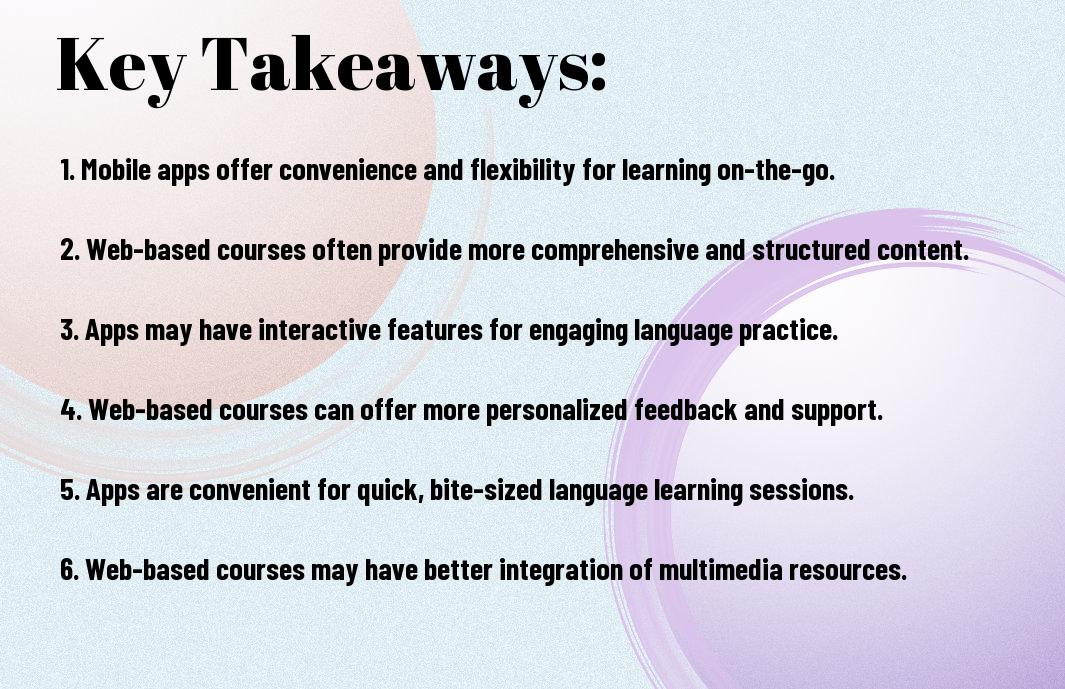
  • The accessibility of online educational resources has increased significantly with the advent of mobile technology, allowing students to access course materials and participate in learning activities from anywhere, at any time.
  • Personalized learning experiences can be created using mobile devices, enabling students to learn at their own pace and receive tailored feedback and assessments.
  • The use of mobile apps and learning management systems can enhance student engagement and motivation, as well as provide instructors with valuable insights into student performance and progress.
  • Mobile technology has also enabled the development of virtual classrooms and online communities, facilitating collaboration and interaction among students and instructors across geographical locations.
  • The affordability and convenience of mobile devices have made online education more inclusive, allowing students from diverse backgrounds and locations to access high-quality educational resources and opportunities.

Mobile Technology in Education

A significant shift is occurring in the way you learn, as mobile technology becomes increasingly integrated into educational settings, offering you new opportunities for flexible and accessible learning.

Advantages of Mobile Learning

Albeit with some limitations, mobile learning provides you with the ability to access a wide range of educational resources, facilitating a more personalized and engaging learning experience, as you can learn at your own pace, anytime and anywhere.

Challenges of Mobile Integration

Toward the successful implementation of mobile technology in education, you will encounter several obstacles, including issues related to equity, connectivity, and distraction, which can hinder the effectiveness of mobile learning, as you navigate the complexities of this new educational landscape.

Consequently, as you explore deeper into the challenges of mobile integration, you will find that addressing these issues requires a thoughtful and multi-faceted approach, taking into account your individual needs, the infrastructure of your educational institution, and the pedagogical goals of your courses, in order to unlock the full potential of mobile technology and enhance your overall learning experience.
Online Education Platforms

You are likely familiar with the numerous online education platforms that have emerged in recent years, offering a wide range of courses and degree programs. These platforms have made it possible for you to access educational content from anywhere, at any time.

Evolution of Online Learning

For instance, the development of online learning platforms has undergone significant changes, shifting from traditional classroom-based learning to more flexible and accessible formats. This evolution has enabled you to take control of your learning experience.

Role of Mobile Devices in Online Education

Beneath the surface of online education lies the significant impact of mobile devices, which have enabled you to access educational content on-the-go. Your mobile device has become an imperative tool for learning, allowing you to participate in online discussions and access course materials.

Online learning has become more personalized and interactive, thanks to the role of mobile devices in online education. As you navigate through online courses, you can access multimedia content, participate in discussions, and engage with instructors and peers, all from the convenience of your mobile device, thereby enhancing your overall learning experience.

Student Engagement and Motivation

Not surprisingly, mobile technology has transformed the way you approach online education, and as you can explore The Growth of Mobile Technologies in Educational Settings, you’ll find that it has a significant impact on your learning experience.

Impact of Mobile Technology on Student Participation

Mobility has become a key factor in enhancing your participation in online courses, as you can access course materials and engage with your peers from anywhere, at any time.

Mobile Devices as Motivational Tools

Mobility enables you to use your mobile devices as motivational tools, providing you with a sense of freedom and flexibility that can boost your enthusiasm for learning.

Participation in online discussions and activities becomes more engaging when you use mobile devices, as you can share your thoughts and ideas instantly, and you’ll find that your motivation to learn increases as you feel more connected to your course materials and peers.

Accessibility and Equity

All aspects of online education are influenced by mobile technology, and you will find that it has a significant impact on accessibility and equity, enabling you to access educational resources from anywhere, at any time, as long as you have a mobile device and internet connection.

Mobile Technology and Accessibility in Education

Beneath the surface of this conveniece lies a complex issue, as you consider how mobile technology affects the way you learn, and you will notice that it opens up new opportunities for students with disabilities, allowing you to participate more easily in online courses.

Addressing the Digital Divide

Prior to the widespread adoption of mobile technology, you may have faced significant barriers to accessing online education, but now you can use mobile devices to access educational resources, helping to bridge the gap between those who have access to technology and those who do not.

Consequently, as you research deeper into the world of online education, you will see that mobile technology has the potential to increase equity in education, but you must also consider the challenges that still exist, such as the cost of mobile devices and internet access, and how these challenges affect your ability to participate in online learning.

Pedagogical Implications

To effectively integrate mobile technology into online education, you should consider its impact on your teaching methods. As you explore the possibilities of mobile learning, you can learn more about The Role of Mobile Technology in Improving Accessibility and Quality of Learning to enhance your understanding.

Teaching Methods in the Mobile Era

Toward a more mobile-centric approach, you will need to adapt your teaching strategies to accommodate the unique characteristics of mobile devices, allowing you to create more engaging and interactive learning experiences for your students.

Redefining Teacher Roles

Methods of instruction are evolving, and as you navigate this shift, you will find that your role as an educator is transforming to accommodate the needs of mobile learners, requiring you to be more flexible and responsive to the changing needs of your students.

With the integration of mobile technology, you will have the opportunity to reimagine your role as a teacher, focusing on facilitating collaborative learning, providing personalized support, and developing interactive content that caters to the diverse needs of your students, ultimately enhancing the overall learning experience and helping you to create a more dynamic and effective online learning environment.

Future Directions

Many developments in mobile technology will continue to shape the online education landscape, offering you new opportunities for learning and growth, as you navigate the ever-changing world of digital education.

Emerging Trends in Mobile Education

Alongside the rise of mobile devices, you will see a shift towards more personalized and interactive learning experiences, allowing you to take greater control of your educational journey, with mobile education trends evolving to meet your unique needs.

Harnessing Mobile Technology for Educational Innovation

Aware of the potential benefits, you can leverage mobile technology to enhance your learning experience, as educators and institutions work to harness its power, creating innovative solutions to meet the demands of modern learners like you.

Mobile technology will undoubtedly play a significant role in shaping your educational experience, as you consider how to effectively integrate it into your learning routine, you will need to think critically about the ways in which it can support your academic goals, and how you can use it to access a wide range of educational resources, from online courses to interactive simulations, and collaborative learning tools, thereby expanding your opportunities for growth and development.

Conclusion

Drawing together the various threads of discussion, you can see that mobile technology has transformed your online education experience. As you explore the possibilities, consider consulting resources like (PDF) The effects of the use of mobile devices on the E-learning process to deepen your understanding of this impact, and shape your approach to your own learning in a rapidly changing world.

FAQ

Q: What are the benefits of mobile technology in online education?

A: The integration of mobile technology in online education has numerous benefits, including increased accessibility, flexibility, and convenience. With mobile devices, students can access course materials, participate in discussions, and submit assignments from anywhere, at any time. This flexibility is particularly beneficial for students with busy schedules or those who live in remote areas with limited access to traditional educational institutions. Moreover, mobile technology enables educators to create interactive and engaging learning experiences, such as gamification, simulations, and virtual labs, which can enhance student engagement and motivation.

Q: How does mobile technology enhance the learning experience in online education?

A: Mobile technology enhances the learning experience in online education by providing a personalized and interactive learning environment. Mobile devices allow students to access a wide range of educational resources, including videos, podcasts, and educational apps, which can be tailored to their individual learning needs and preferences. Additionally, mobile technology enables real-time feedback and assessment, which can help students track their progress and identify areas where they need improvement. Furthermore, mobile devices facilitate collaboration and communication among students and instructors, which can foster a sense of community and support in online learning environments.

Q: What are the potential challenges and limitations of using mobile technology in online education?

A: Despite the benefits of mobile technology in online education, there are several potential challenges and limitations that need to be considered. One of the main challenges is the issue of equity and access, as not all students may have access to mobile devices or reliable internet connectivity. Another challenge is the potential for distractions and multitasking, which can negatively impact student engagement and learning outcomes. Furthermore, mobile technology can also create new opportunities for academic dishonesty and cheating, which can compromise the integrity of online education. Finally, instructors may need to invest time and effort into developing mobile-friendly course materials and learning activities, which can be a significant challenge, particularly for those with limited technical expertise.
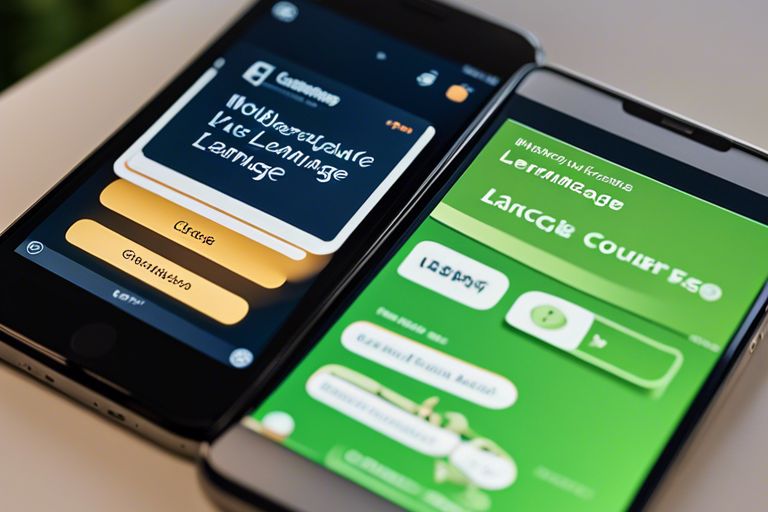
How effective are mobile apps compared to web-based online language learning courses

Most language learners today turn to mobile apps or web-based online courses to master a new language. But have you ever wondered which option is truly more effective in helping you achieve fluency? In this insightful comparison, we probe into the effectiveness of mobile apps versus web-based language learning courses, uncovering the strengths and weaknesses of each platform to guide you in choosing the best method for your language learning journey.

Key Takeaways:

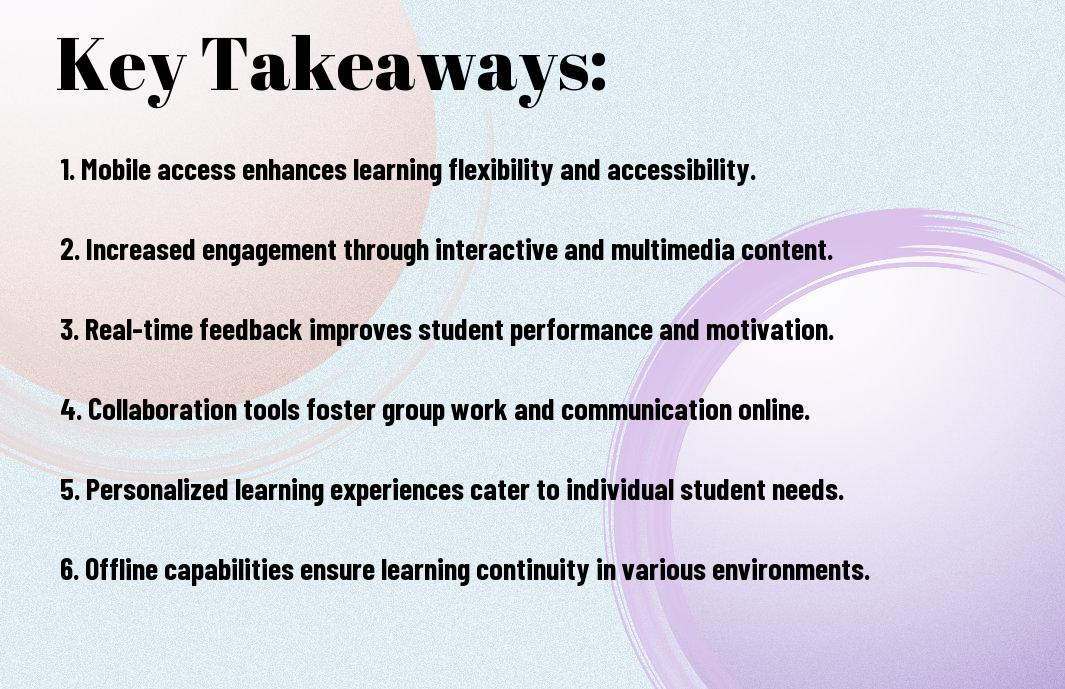
  • Convenience: Mobile apps offer the convenience of learning on-the-go, anytime and anywhere, as compared to web-based courses which require a stable internet connection and a larger screen.
  • Engagement: Mobile apps have the capability to offer interactive and gamified learning experiences, which can enhance user engagement and motivation, as compared to web-based courses which may feel more static and less immersive.
  • Content Depth: Web-based online language learning courses may provide more in-depth content, resources, and structure compared to mobile apps, which may offer more supplementary or bite-sized learning opportunities.

The Rise of Online Language Learning

The growing demand for language learning

For many years, the desire to learn a new language has been a popular goal for individuals seeking personal growth and professional development. As the world becomes more interconnected, the ability to communicate in multiple languages is increasingly important. With globalization creating more opportunities for travel, work, and cultural exchange, the demand for language learning has never been higher. Whether for business purposes, academic pursuits, or simply the love of learning, mastering a foreign language has become a valuable skill in today’s society.

The emergence of mobile apps and web-based courses

The advent of mobile technology and the internet has revolutionized the way people approach language learning. Mobile apps and web-based courses offer flexibility, convenience, and accessibility that traditional classroom settings often cannot match. You can now carry an entire language learning program in your pocket, allowing you to study anytime, anywhere. These apps and courses cater to different learning styles, offering interactive exercises, gamified challenges, and real-time feedback to keep you engaged and motivated in your language learning journey.

This shift towards digital platforms has democratized language learning, breaking down barriers of cost and location. You no longer need to enroll in expensive language classes or travel to immersion programs abroad to advance your language skills. With just a smartphone or computer, you can access a wealth of resources and tools to support your learning, making the process more affordable and convenient than ever before.

Mobile Apps: Convenience and Accessibility

If you are looking for convenience and accessibility in your language learning journey, mobile apps are the perfect solution for you. With language learning apps at your fingertips, you can study anytime, anywhere, making the most of those short pockets of free time during your day.

The benefits of mobile apps for language learners

Mobile apps offer flexibility that traditional web-based courses may not provide. You have the freedom to practice your language skills on the go, whether you’re waiting in line, commuting, or just relaxing at home. This accessibility allows you to integrate language learning seamlessly into your daily routine, maximizing your study time.

How mobile apps cater to different learning styles

One of the advantages of mobile language learning apps is their ability to cater to different learning styles. Whether you are a visual learner who benefits from interactive exercises and flashcards, an auditory learner who prefers listening to conversations and pronunciations, or a kinesthetic learner who learns best through hands-on activities, there is an app out there to suit your needs.

Apps can adapt to your preferred learning style by offering a variety of features such as quizzes, games, videos, and chatbots, allowing you to engage with the language in a way that resonates most with you.

The role of gamification in mobile language learning

Catering to your learning preferences, mobile language learning apps often incorporate gamification elements to make the learning process more engaging and enjoyable for you. By turning language practice into a game, with rewards, points, and levels to unlock, apps motivate you to stay consistent and progress in your studies.

Engaging with language learning through gamified activities can enhance your retention of vocabulary and grammar rules, as well as improve your overall fluency in a fun and interactive way.

Web-Based Courses: Comprehensive and Structured

Not all online language learning methods are created equal. While mobile apps offer convenience and flexibility, web-based courses provide a more comprehensive and structured approach to language learning. These courses are designed to take you through a systematic learning process, ensuring you cover all aspects of language learning, from grammar rules to vocabulary building and beyond.

The advantages of web-based courses for language learners

Any language learner knows that consistency and structure are key to mastering a new language. Web-based courses offer a step-by-step curriculum that guides you through your language journey. With organized lessons and clear learning objectives, you can track your progress and stay motivated to achieve fluency.

The importance of interactive exercises and quizzes

Learners thrive when they have opportunities to apply their knowledge in real-time. Interactive exercises and quizzes provided by web-based language courses allow you to practice what you’ve learned instantly. This active engagement helps reinforce concepts, improve retention, and enhance your overall language skills.

Another benefit of interactive exercises and quizzes is that they cater to different learning styles. Whether you prefer visual, auditory, or kinesthetic learning, these exercises can be tailored to suit your individual preferences, making your language learning experience more effective and enjoyable.

How web-based courses provide personalized feedback

Any effective language learning journey involves feedback to track your progress and identify areas for improvement. Web-based courses leverage technology to provide personalized feedback on your exercises and quizzes. This immediate feedback helps you understand your strengths and weaknesses, allowing you to focus on areas that need more practice.

Web-Based courses can analyze your performance and customizes recommendations based on your proficiency level. This personalized approach ensures that you receive targeted support tailored to your specific learning needs, accelerating your language learning progress.

Comparing Mobile Apps and Web-Based Courses

A side-by-side comparison of features and functionality

Keep in mind that mobile apps and web-based language learning courses each have their strengths and limitations. Let’s break down the key features and functionalities of both platforms:

Mobile Apps Web-Based Courses
Convenient access on-the-go More comprehensive lessons and resources
Interactive exercises and games Ability to track progress and set goals
Quick vocabulary and grammar practice Opportunities for live interaction and feedback

Which platform is better suited for beginners?

Courses on both platforms cater to beginners, but the choice ultimately depends on your learning preferences. If you prefer a more guided and structured approach, web-based courses may be better suited for you. They often offer a more comprehensive curriculum and the ability to track your progress over time.

On the other hand, mobile apps are ideal for beginners who enjoy learning in short bursts and on the go. The interactive nature of apps, with games and quick exercises, can help you start learning a new language in a fun and engaging way.

Any platform you choose, as a beginner, it’s crucial to set realistic goals, stay consistent in your practice, and take advantage of the features that best support your learning style. Do not forget, everyone learns differently, so find what works best for you.

How mobile apps and web-based courses complement each other

Complement your language learning journey by utilizing both mobile apps and web-based courses. Mobile apps are great for daily vocabulary practice, grammar drills, and enhancing language skills on the go. Meanwhile, web-based courses offer in-depth lessons, interactive tools, and the opportunity for live practice and feedback.

When used together, these platforms can provide a well-rounded language learning experience. For example, you can use a mobile app for daily practice and reinforcement, while turning to a web-based course for more structured lessons and interactive exercises. By combining the strengths of both platforms, you can enhance your language skills more effectively.

Learning Outcomes and Effectiveness

Measuring the effectiveness of mobile apps and web-based courses

After engaging with both mobile apps and web-based online language learning courses, you may wonder about their effectiveness. Any assessment of the effectiveness of these tools should consider various aspects, including learner progress, retention of knowledge, and overall satisfaction with the learning experience.

By analyzing your improvement in language proficiency, the completion rates of lessons or modules, and feedback mechanisms provided by the platforms, you can gauge the effectiveness of mobile apps and web-based courses in helping you achieve your language learning goals.

The role of motivation and engagement in language learning

Web-based language learning courses often emphasize the importance of motivation and engagement in determining your success in acquiring a new language. This intrinsic motivation can be fostered through interactive exercises, progress tracking, and gamified elements that keep you motivated to continue learning.

This engagement not only boosts your interest in the language but also enhances your overall learning experience. By staying motivated and consistently engaging with the course materials, you are more likely to see significant progress in your language skills.

Real-life examples of successful language learners

When exploring the effectiveness of language learning courses, looking at real-life examples of successful language learners can provide valuable insights. courses Highlighting individuals who have achieved fluency or proficiency in a language through mobile apps or web-based courses can inspire you and showcase the potential outcomes of dedicated language learning.

By learning from the strategies and experiences of these successful language learners, you can gain a better understanding of how to maximize the effectiveness of your chosen language learning tools and approaches to reach your own language goals.

Limitations and Challenges

The limitations of mobile apps for language learning

Unlike web-based online language learning courses, mobile apps have certain limitations that may impact your learning experience. One of the main drawbacks of mobile apps is the limited scope of content they offer compared to web-based courses. While apps can be convenient for on-the-go practice, they may not provide as comprehensive a learning experience as web-based platforms.

The challenges of web-based courses for language learners

On the other hand, web-based online language learning courses present their own set of challenges for learners. These courses often require a stable internet connection, which may not always be accessible, especially for those in remote areas or while traveling. Additionally, some web-based courses can be overwhelming with the sheer amount of content available, making it challenging to stay focused and motivated throughout your learning journey.

Web-based language courses can sometimes feel impersonal, lacking the immediate feedback and interaction that you might get from a live teacher in a traditional classroom setting. This can make it harder to gauge your progress and address any specific language learning needs you may have.

Overcoming common obstacles in online language learning

To make the most out of your online language learning experience, it’s imperative to be proactive in overcoming common obstacles. Set specific goals for your learning, break down the content into manageable chunks, and establish a consistent study routine to stay on track. Additionally, don’t hesitate to reach out to online communities, language exchange partners, or tutors for support and guidance along the way.

This proactive approach can help you stay motivated and engaged throughout your online language learning journey, whether you choose to use mobile apps or web-based courses. Be mindful of, the key to success lies in your commitment and dedication to improving your language skills, regardless of the platform you choose to learn from.

Summing up

Taking this into account, when it comes to comparing mobile apps with web-based online language learning courses, it is vital to consider your individual learning style and preferences. Mobile apps can provide convenient, on-the-go learning opportunities that fit into your daily routine, while web-based courses may offer more comprehensive and structured lessons. Ultimately, the effectiveness of either option will depend on how well it aligns with your learning goals and preferences.

So, before plunging into language learning with either mobile apps or web-based courses, take the time to assess your learning style, schedule, and goals. By doing so, you can choose the option that best suits your needs and offers you the most effective path to language proficiency.

Q: How effective are mobile apps compared to web-based online language learning courses?

A: Both mobile apps and web-based online language learning courses can be effective, but they have different advantages and limitations. Mobile apps are usually more accessible and convenient, allowing users to learn on-the-go anytime, anywhere. On the other hand, web-based courses often offer more comprehensive content and interactive exercises.

Q: Are there any specific benefits of using mobile apps for language learning?

A: Yes, mobile apps offer several benefits for language learning. They often have gamified features, such as quizzes and rewards, that can make learning more engaging and enjoyable. Additionally, many apps use spaced repetition algorithms to help users retain information more effectively.

Q: Can web-based online language learning courses be more effective than mobile apps?

A: Web-based online language learning courses can be more effective in certain cases. They often provide more structured and in-depth lessons, which can be beneficial for learners who prefer a more traditional approach to language learning. Additionally, web-based courses may offer more opportunities for interaction with instructors or other learners.

Skip to content