Online

How Online Learning Benefits Digital Nomads

You’re a digital nomad, always on the move, and your work knows no borders. Your lifestyle demands flexibility, and online learning provides just that. With virtual courses, you can acquire new skills from anywhere, at any time, and stay ahead in your career. You can tailor your education to fit your unique needs, and your travels can become a rich source of inspiration and knowledge. Your digital nomad lifestyle just got a whole lot more rewarding.

Key Takeaways:

  • Online learning provides flexibility for digital nomads, allowing them to access educational resources from anywhere in the world with a stable internet connection, at any time.
  • With online learning, digital nomads can acquire new skills and enhance their professional development, making them more competitive in the remote job market.
  • Online learning platforms offer a wide range of courses and certifications that cater to the needs of digital nomads, helping them to stay up-to-date with the latest industry trends.
  • Through online learning, digital nomads can expand their professional network and connect with like-minded individuals from diverse backgrounds, potentially leading to new business opportunities.
  • Online learning enables digital nomads to achieve a better work-life balance, as they can manage their learning schedule around their travel and work commitments, promoting overall well-being and productivity.

    Benefits of Online Learning

    The advantages of online learning are numerous, and as a digital nomad, you’ll find that it can greatly enhance your lifestyle. You can acquire new skills, expand your knowledge, and stay up-to-date with the latest developments in your field, all from the comfort of your own space.

    Flexibility and Autonomy

    One of the most significant advantages of online learning is the freedom it offers. You can create your own schedule, learning at your own pace, and taking breaks whenever you need to, giving you the autonomy to balance your work and personal life.

    Accessibility and Affordability

    Above all, online learning provides you with unparalleled access to a wide range of courses and programs, regardless of your location. You can choose from a variety of institutions and courses, and often at a lower cost than traditional education.

    Even with a limited budget, you can find high-quality online courses that fit your needs, allowing you to invest in your personal and professional growth without breaking the bank. You can access courses from top institutions, and learn from experienced instructors, all from the comfort of your own home, or wherever you happen to be in the world.

    Enhanced Career Opportunities

    If you’re a digital nomad, online learning opens doors to new career paths and opportunities. You can acquire skills that are in high demand, making you a competitive candidate in the global job market.

    Skill Development and Specialization

    Deploying your energy into online courses, you can develop specialized skills that set you apart from others. You can focus on areas that interest you, enhancing your expertise and boosting your career prospects.

    Networking and Community Building

    For digital nomads, online learning platforms provide a space to connect with like-minded individuals. You can build relationships with people from diverse backgrounds, sharing knowledge and experiences that benefit your career.

    Plus, as you engage with online communities, you’ll discover new opportunities for collaboration and mentorship, helping you grow both personally and professionally. You’ll be able to learn from others, get feedback on your work, and stay updated on industry trends, all of which can help you advance in your career as a digital nomad.

    Personalized Learning Experience

    Keep in mind that online learning provides you with a tailored experience, allowing you to learn at your own pace and focus on areas that interest you most.

    Self-Paced Learning and Adaptability

    Any moment you choose, you can access your course materials and learn according to your schedule, giving you the flexibility to balance work and travel as a digital nomad.

    Interactive and Engaging Content

    Behind the screens of your device, a world of interactive content awaits, helping you stay engaged and motivated throughout your learning journey, with features like videos, quizzes, and discussions.

    For instance, you can participate in online forums, collaborate with peers on projects, and engage with instructors through live sessions, making your learning experience more immersive and effective, allowing you to apply new skills directly to your work as a digital nomad.

    Overcoming Geographical Barriers

    Your location is no longer a limitation with online learning, as you can access courses and resources from anywhere in the world with an internet connection.

    Global Access to Education and Resources

    Across the globe, you can now tap into a vast array of educational opportunities, giving you the freedom to learn from renowned institutions and experts.

    Cultural Exchange and Diversity

    Culturally, you’ll be exposed to diverse perspectives and ideas, broadening your understanding of the world and its many nuances.

    But as you engage with people from different backgrounds, you’ll discover that online learning platforms provide a unique chance to connect with like-minded individuals, fostering a sense of community and collaboration that transcends borders, allowing you to grow both personally and professionally.

    Effective Time Management

    Now, as a digital nomad, you need to manage your time wisely, and online learning can help you achieve that. You can learn more about the Benefits of Traveling and Pursuing Online Learning to maximize your productivity.

    Prioritization and Organization

    Among the key skills you’ll develop through online learning is the ability to prioritize tasks and organize your schedule, allowing you to make the most of your time.

    Balancing Work and Personal Life

    At the heart of effective time management is finding a balance between work and personal life, and online learning can help you achieve that by providing you with the flexibility to create your own schedule.

    Due to the flexibility of online learning, you can easily balance your work and personal life, pursuing your passions and interests while still meeting your professional obligations, and you can do this from anywhere in the world, at any time, as long as you have a stable internet connection, giving you the freedom to live life on your own terms.

    Staying Motivated and Focused

    Once again, you find yourself in a new environment, and your motivation is put to the test. Online learning helps you stay on track, with flexible schedules and self-paced courses. You can learn anywhere, anytime, keeping your goals in sight.

    Goal Setting and Accountability

    Stepping into the world of online learning, you set clear goals for yourself. You define what you want to achieve, and your online courses help you stay accountable, keeping you committed to your objectives.

    Tracking Progress and Celebrating Successes

    Among the benefits of online learning, tracking your progress stands out. You can monitor your performance, identify areas for improvement, and celebrate your successes along the way.

    In fact, celebrating your successes is vital to your growth as a digital nomad. As you achieve your goals, you build confidence and reinforce your motivation, driving you to continue learning and improving. You can reflect on your progress, adjust your strategy, and keep moving forward, always focused on your next challenge.

    Summing up

    As a reminder, you’ve seen how online learning benefits your lifestyle as a digital nomad. You can access courses from anywhere, at any time, and learn new skills to boost your career. Your freedom and flexibility increase, allowing you to work and travel without interruption. You can stay up-to-date with the latest trends and technologies, making you more competitive in the job market. This flexibility is a key advantage, enabling you to live and work on your own terms.

    FAQ

    Q: What are the advantages of online learning for digital nomads in terms of flexibility and accessibility?

    A: Online learning offers digital nomads the flexibility to access educational resources and courses from anywhere in the world, at any time, as long as they have a stable internet connection. This flexibility allows them to balance their work and travel schedules without having to worry about being tied to a traditional classroom setting. Additionally, online learning platforms often provide a wide range of courses and resources, making it easier for digital nomads to access the knowledge and skills they need to stay up-to-date in their field, regardless of their location.

    Q: How does online learning help digital nomads to stay connected with a community and network while traveling?

    A: Online learning provides digital nomads with the opportunity to connect with a global community of like-minded individuals who share similar interests and goals. Many online courses and platforms offer discussion forums, social media groups, and virtual events, allowing digital nomads to engage with others, ask questions, and share their experiences. This sense of community and connection can be especially important for digital nomads who may be traveling solo or feeling isolated in a new location. By being part of an online learning community, digital nomads can build relationships, find support, and stay motivated, even when they are thousands of miles away from home.

    Q: Can online learning help digital nomads to enhance their career prospects and increase their earning potential while working remotely?

    A: Yes, online learning can definitely help digital nomads to enhance their career prospects and increase their earning potential. By acquiring new skills and knowledge through online courses and training programs, digital nomads can stay competitive in the job market and take on more challenging and higher-paying projects. Many online courses and certifications are designed to help professionals develop specialized skills that are in high demand, such as digital marketing, coding, or data analysis. By investing in online learning, digital nomads can boost their confidence, expand their professional network, and increase their earning potential, allowing them to enjoy a more sustainable and fulfilling lifestyle while working remotely.

How to Handle Stress in Online Classes

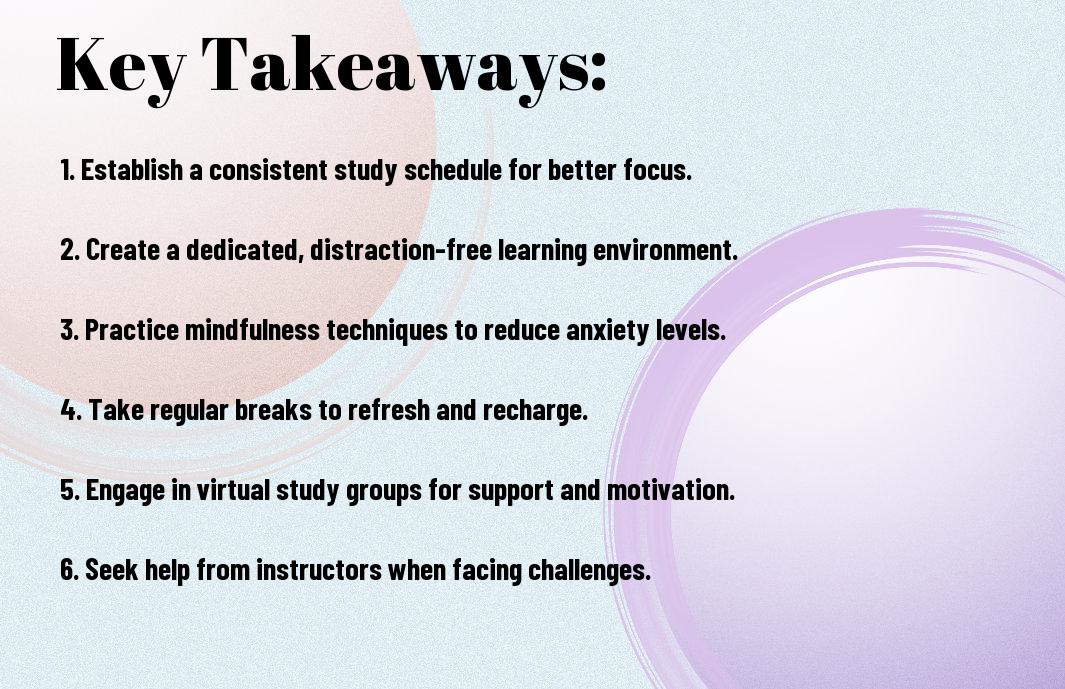
Key Takeaways:
  • Establish a routine to help manage your time effectively and reduce anxiety in online classes. Set a schedule and stick to it to stay organized and focused.
  • Use technology strategically to your advantage, such as using apps and tools to stay organized, take notes, and collaborate with classmates.
  • Develop self-care habits, such as regular exercise, healthy eating, and sufficient sleep, to help mitigate the negative effects of stress.
  • Communicate openly with your instructors and peers to build a support network and get help when you need it, which can help reduce feelings of isolation.
  • Take regular breaks to give yourself time to relax and recharge, which can help you stay motivated and focused throughout your online classes.

Recognizing Stress

The first step in handling stress in online classes is to acknowledge its presence. You can find helpful tips on managing stress by visiting 8 Ways to Manage Stress as an Online Student and developing strategies to cope with it.

Identifying Symptoms

Above all, you must be aware of the signs of stress, such as anxiety and fatigue, that may be affecting your online learning experience. You can take a moment to reflect on your emotions and thoughts to identify these symptoms.

Effects on Online Learning

About the impact of stress on your online education, it’s imperative to consider how it can hinder your ability to focus and engage with course materials. You may find yourself struggling to keep up with assignments and discussions.

Effects of stress on your online learning can be far-reaching, influencing your motivation and overall performance. You may feel overwhelmed, leading to a decrease in your participation and grades, which is why it’s vital to address stress and develop healthy coping mechanisms to ensure your success in online classes.

Time Management

There’s no doubt that managing your time effectively is key to handling stress in online classes. By taking control of your schedule, you can create a sense of balance and harmony in your life, allowing you to navigate your coursework with ease and confidence.

Prioritizing Tasks

Behind every successful online student is a strategy for prioritizing tasks, and you can develop one too. You will focus on the most important assignments and break them down into manageable chunks, making it easier to stay on top of your work.

Creating a Schedule

Before you start your online classes, you will create a schedule that works for you, taking into account your learning style, pace, and other commitments. You will allocate specific times for studying, attending virtual classes, and completing assignments, helping you stay organized and focused.

Prioritizing your tasks and creating a schedule will help you make the most of your time, allowing you to pace yourself and avoid last-minute rushes. As you plan your schedule, you will consider your strengths and weaknesses, and make adjustments as needed, ensuring that you’re using your time wisely and making steady progress in your online classes.

Staying Organized

Now, as you navigate the world of online classes, staying organized is key to managing stress. You’ll find that keeping track of assignments and deadlines helps to reduce anxiety and increase productivity.

Digital Tools

By utilizing digital calendars and planners, you can stay on top of your schedule and receive reminders, helping you stay focused and in control of your time.

Note-taking Strategies

On the path to success, effective note-taking is important. You’ll discover that developing a system that works for you, whether it’s typing or handwriting, will help you retain information and feel more confident in your abilities.

This approach to note-taking allows you to process information at your own pace, and as you practice, you’ll find that your understanding and retention of the material will improve, giving you a sense of accomplishment and reducing stress as you move forward in your online classes.

Building Support

To cultivate a sense of community in online classes, you can explore resources like 9 Stress Management Tips for Successful Online Learning to help you navigate challenges. This will enable you to develop strategies for managing stress and staying connected with your academic community.

Reaching Out to Instructors

About the time you start feeling overwhelmed, consider reaching out to your instructors for guidance and support. You can ask for their advice on managing your workload and staying on top of assignments, which will help you feel more grounded and focused.

Connecting with Peers

Building relationships with your peers is an crucial part of your online learning journey. You can join online discussion forums, participate in group projects, and engage in social media groups to connect with your classmates and build a sense of camaraderie.

Even as you navigate the challenges of online learning, you will find that connecting with your peers can be a powerful way to share knowledge, experiences, and support. You can learn from one another, share tips and strategies, and celebrate each other’s successes, which will help you stay motivated and inspired throughout your online learning journey.

Taking Breaks

All online students need to step away from their screens to recharge. You can take a short walk, stretch, or do some jumping jacks to get your blood flowing. Taking breaks will help you stay focused and retain information better.

Self-Care Activities

Similarly, selfcare is vital for your well-being. You can engage in activities that bring you joy, such as reading, journaling, or practicing yoga. These activities will help you relax and reduce stress.

Relaxation Techniques

By incorporating relaxation techniques into your daily routine, you can manage stress effectively. You can try deep breathing exercises, meditation, or progressive muscle relaxation to calm your mind and body.

Another technique you can try is visualization, where you imagine yourself in a peaceful and safe place. You can also listen to calming music or nature sounds to help you unwind and focus on your studies. As you practice these techniques, you will find that you are better equipped to handle the challenges of online classes.

Seeking Help

Keep in mind that you are not alone in your online learning journey, and seeking help is a sign of strength. You can find valuable resources, such as 7 Proven Secrets to Manage Stress as an Online Learning Student, to guide you through challenging times.

Campus Resources

Along with online support, an array of campus resources are available to you, including counseling services, academic advisors, and student organizations, all designed to support your well-being and academic success.

Online Support Services

Similarly, campus support extends to online platforms, where you can access resources, such as virtual counseling, online tutoring, and support groups, to help you navigate your online learning experience.

Consequently, as you explore online support services, you will discover a wealth of opportunities to connect with peers, instructors, and support staff who can offer guidance, encouragement, and assistance, helping you to stay focused, motivated, and committed to your academic goals, and empowering you to thrive in your online learning environment.

Conclusion

With this in mind, you now have the tools to navigate the challenges of online classes with ease and poise. You can transform your online learning experience by prioritizing your well-being and cultivating a stress-free environment. As you move forward, your ability to manage stress will empower you to reach your full potential and unlock your unique strengths, bringing balance and harmony to your academic journey.

FAQ

Q: What are some effective ways to manage stress while taking online classes?

A: To handle stress in online classes, it’s vital to establish a routine and stick to it. Create a dedicated learning space that is quiet, comfortable, and free from distractions. Break down larger tasks into smaller, manageable chunks, and prioritize them based on importance and deadlines. Regular exercise, healthy eating, and sufficient sleep also play a significant role in reducing stress levels. Additionally, staying connected with classmates and instructors through discussion forums or video meetings can help you feel more engaged and supported throughout the course.

Q: How can I avoid procrastination and stay motivated in online classes?

A: Procrastination can be a significant obstacle in online learning. To avoid it, set specific, achievable goals for each study session, and use a timer to keep yourself on track. Remove or limit distractions by turning off notifications, logging out of social media, and finding a quiet workspace. Reward yourself after completing tasks or reaching milestones to maintain motivation. It’s also helpful to track your progress and reflect on what works best for you. Communicating with your instructor or a study group can provide additional motivation and support when you’re feeling stuck or demotivated.

Q: What resources are available to help me cope with the stress of online learning?

A: Many institutions offer a variety of resources to support students in managing stress and succeeding in online classes. These may include counseling services, academic support centers, and online resources such as stress management guides, time management tools, and study skills workshops. Some courses also incorporate mindfulness exercises or stress reduction techniques directly into the curriculum. Don’t hesitate to reach out to your instructor or student support services to find out what’s available to you. Utilizing these resources can make a significant difference in your academic success and overall well-being during your online learning journey.

How Online Learning Promotes Diversity

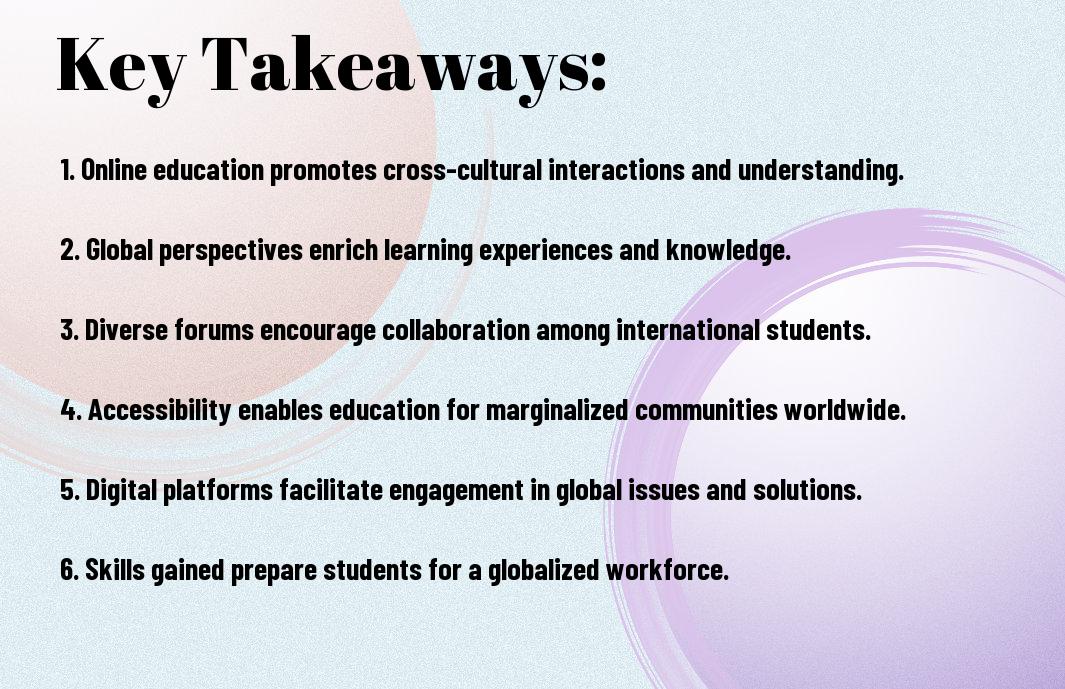
As you explore the benefits of online learning, you’ll discover that it offers a unique opportunity to promote diversity in education. You can access a wide range of courses and programs from anywhere in the world, allowing you to engage with people from different backgrounds and cultures. For more information on creating inclusive learning content, you can visit Embracing Diversity: Transforming E-Learning Content for Inclusive Success, which provides valuable insights on this topic. Your understanding of diversity will broaden as you learn online.

Key Takeaways:

  • Online learning promotes geographic diversity by allowing students from different parts of the world to access the same educational resources and courses, breaking down physical barriers and fostering a more inclusive learning environment.
  • It also advances cultural diversity by providing opportunities for students to interact with peers from diverse backgrounds, exchange ideas, and gain a deeper understanding of different perspectives and experiences.
  • Online learning supports educational equity by offering flexible scheduling and pace, which can be particularly beneficial for students with disabilities or those who have to balance work and family responsibilities.
  • The use of digital technologies in online learning can help reduce language barriers through the use of translation tools and multilingual resources, making education more accessible to a broader range of students.
  • Moreover, online learning encourages social diversity by creating spaces for students to engage in collaborative learning activities, discuss topics of interest, and develop soft skills such as communication, teamwork, and problem-solving.

    Benefits of Online Learning

    The advantages of online learning are numerous, and you can experience them firsthand by participating in virtual classes, which provide you with the flexibility to learn at your own pace and interact with students from diverse backgrounds.

    Increased Accessibility

    By breaking down geographical barriers, you can access a wide range of courses and programs that might not be available in your area, allowing you to expand your knowledge and skills in a more convenient and accessible way.

    Broader Reach

    Behind the success of online learning is the ability to connect with people from all over the world, enabling you to learn from their experiences and perspectives, and share your own, fostering a more inclusive and diverse learning environment.

    And as you explore the broader reach of online learning, you will discover that it allows you to engage with a global community of students, facilitating the exchange of ideas and cultural understanding, which can enrich your learning experience and help you develop a more nuanced understanding of the world.

    Promoting Cultural Diversity

    It is evident that online learning breaks geographical barriers, allowing you to learn from instructors and peers from diverse cultural backgrounds. You can learn more about how online teaching improves inclusivity in education and its benefits.

    Global Student Body

    Diversification of the student body is a key aspect of online learning, as you get to interact with people from different parts of the world, broadening your understanding of various cultures.

    Diverse Perspectives

    Globally, you will encounter different viewpoints and ideas, enabling you to develop a more nuanced understanding of the world and its complexities.

    Diverse perspectives in online learning help you to analyze problems from multiple angles, making you a more empathetic and open-minded individual, capable of working effectively in a multicultural environment, which is necessary for your personal and professional growth.

    Breaking Down Barriers

    Once again, online learning proves to be a game-changer, allowing you to access education from anywhere in the world, at any time. This flexibility breaks down barriers that may have previously prevented you from pursuing your educational goals.

    Overcoming Geographical Limitations

    With the advent of online learning, you can now access educational resources and institutions that were previously out of your reach due to geographical constraints. This opens up a world of opportunities for you to learn from the best instructors and institutions globally.

    Equal Opportunities

    Around the globe, online learning is providing you with equal access to educational opportunities, regardless of your location or background. This helps to level the playing field, allowing you to compete with your peers from diverse backgrounds.

    To take full advantage of equal opportunities, you can explore various online courses and programs that cater to your interests and career goals. You can also interact with students and instructors from diverse backgrounds, broadening your perspective and gaining a deeper understanding of different cultures and ideas. This, in turn, helps you develop a more nuanced and informed worldview, preparing you for success in an increasingly globalized and interconnected world.

    Tailored Learning Experiences

    Many online learning platforms offer customized learning experiences, allowing you to learn at your own pace and focus on areas that interest you the most. This approach enables you to take ownership of your education and make the most out of your learning journey.

    Personalized Education

    Beneath the surface of online learning lies a wealth of personalized education opportunities, where you can engage with materials tailored to your learning style, pace, and interests, helping you to achieve your academic goals more effectively.

    Flexible Learning Paths

    Below the traditional classroom model, online learning provides flexible learning paths that cater to your unique needs and schedule, enabling you to balance your education with other aspects of your life.

    Building Inclusive Communities

    Despite the physical distance, online learning brings people together from diverse backgrounds, allowing you to interact with individuals from different cultures, ages, and abilities, fostering a sense of belonging and promoting diversity.

    Online Forums and Discussions

    Above all, after engaging in online discussions, you will notice that your perspectives broaden, and your understanding of different viewpoints deepens, enabling you to develop empathy and tolerance for others.

    Collaborative Learning Environment

    Communities of learners like yours thrive in online environments where you can share ideas, expertise, and experiences, creating a rich and inclusive learning space that values diversity and promotes equal participation.

    Collaborative learning environments empower you to take ownership of your learning, work together with peers, and develop teamwork skills, which are crucial in today’s globalized and interconnected world, and as you navigate these environments, you will find that your ability to appreciate and respect diverse perspectives grows, enriching your learning experience.

    Embracing Technology

    For effective online learning, you can leverage technology to promote diversity by exploring resources such as how to use diversity, equity, & inclusion in online courses to create a more inclusive environment.

    Innovative Tools and Resources

    Beneath the surface of traditional learning methods, you’ll find innovative tools and resources that can enhance your online learning experience, allowing you to interact with a diverse range of learners and educators.

    Enhanced Learning Outcomes

    Towards achieving your academic goals, you’ll discover that online learning provides opportunities for enhanced learning outcomes, as you engage with diverse perspectives and ideas that broaden your understanding of the subject matter.

    Considering the potential of online learning to promote diversity, you can expect to develop a more nuanced understanding of the world, as you interact with people from different backgrounds and cultures, leading to a more enriching and informative learning experience.

    Summing up

    Hence, as you explore online learning, you discover its ability to promote diversity by providing access to a wide range of courses and resources. You can engage with students from different backgrounds, broadening your perspective and enriching your learning experience. Your understanding of diverse cultures and ideas expands, preparing you for a global community. You become part of a vibrant, inclusive learning environment that fosters growth and development.

    FAQ

    Q: What role does online learning play in promoting diversity in education?

    A: Online learning promotes diversity in education by providing access to a wide range of courses and programs that cater to different learning styles, abilities, and cultural backgrounds. This allows students from diverse geographical locations and socio-economic backgrounds to participate in learning opportunities that may not be available to them locally. Additionally, online learning platforms often provide tools and features that facilitate communication and collaboration among students from diverse backgrounds, fostering a sense of community and promoting cross-cultural understanding.

    Q: How does online learning help to break down geographical barriers and promote diversity?

    A: Online learning helps to break down geographical barriers by allowing students to access educational resources and courses from anywhere in the world, at any time. This means that students from remote or underserved areas can access the same educational opportunities as students from more urban or affluent areas. Online learning also provides opportunities for students to interact with peers from other countries and cultures, broadening their perspectives and promoting diversity. Furthermore, online learning platforms can be designed to be accessible on a range of devices, including smartphones and tablets, making it possible for students with limited access to technology to participate in online learning.

    Q: What strategies can educators use to promote diversity and inclusion in online learning environments?

    A: Educators can promote diversity and inclusion in online learning environments by using a range of strategies, including incorporating diverse perspectives and examples into course materials, using inclusive language and imagery, and providing opportunities for students to share their own experiences and perspectives. Educators can also use online discussion forums and other interactive tools to facilitate dialogue and collaboration among students from diverse backgrounds. Additionally, educators can provide support and accommodations for students with disabilities, and use data and analytics to track student engagement and identify areas where additional support may be needed to promote diversity and inclusion.

How Online Education Fosters Global Citizenship

As you navigate the vast expanse of the digital world, you’re likely to stumble upon online educational platforms that transcend geographical boundaries. You’ll find yourself learning alongside individuals from diverse cultural backgrounds, exchanging ideas and perspectives that broaden your understanding of the world. Your exposure to global issues and collaborative learning experiences will inevitably shape your worldview, cultivating a sense of global citizenship that extends beyond your local community.

Key Takeaways:

  • Online education promotes Global Understanding by providing students with the opportunity to interact with people from diverse cultural backgrounds, fostering empathy and tolerance towards different perspectives and beliefs.
  • The Digital Classroom environment enables students to access educational resources and connect with peers from all over the world, breaking geographical barriers and promoting a sense of Community.
  • Through online education, students can develop Cross-Cultural Competence by engaging in discussions, collaborations, and projects that require them to navigate different cultural norms and values.
  • Online education platforms often incorporate Real-World Issues into their curricula, allowing students to develop a deeper understanding of global challenges and their role as Active Citizens in addressing these issues.
  • By participating in online educational experiences, students can cultivate a Global Mindset, characterized by adaptability, open-mindedness, and a willingness to engage with diverse perspectives, preparing them for success in an increasingly interconnected world.

    Defining Global Citizenship

    While exploring the concept of global citizenship, you’ll discover that it encompasses a broad range of values and principles, including cultural awareness, social responsibility, and environmental sustainability. As you explore deeper, you’ll find that global citizenship is about being an active and engaged member of a global community.

    The Concept of Global Citizenship

    Besides the obvious geographical connections, global citizenship is also about understanding and embracing the diversity of cultures, languages, and perspectives that exist around the world. As you navigate this complex landscape, you’ll begin to see the world from different viewpoints, broadening your own perspective and fostering a sense of global awareness.

    Importance of Global Citizenship in the Digital Age

    Globally, you are connected to a vast network of people and information, and this has significant implications for your role as a global citizen. You have the power to access and share knowledge, ideas, and cultural practices with others across the globe, facilitating cross-cultural understanding and collaboration.

    Due to the rapid advancement of technology and social media, your ability to engage with global issues and communities has increased exponentially. You can now participate in online discussions, collaborate on international projects, and access educational resources from around the world, enabling you to make a positive impact on a global scale and develop a deeper understanding of the complex issues that shape our world.

    Online Education and Global Connectivity

    There’s a profound impact of online education on global connectivity, as it bridges geographical gaps and fosters a sense of community among learners from diverse backgrounds, allowing you to engage with peers and instructors from around the world.

    Breaking Geographical Barriers

    At the forefront of online education lies the ability to transcend physical boundaries, enabling you to access courses and resources that may not be available in your local area, and connect with people from different parts of the globe.

    Cultural Exchange and Diversity

    For your educational journey, online platforms provide a unique opportunity to engage with diverse perspectives and cultures, broadening your understanding of the world and its complexities, as you interact with individuals from varied backgrounds and experiences.

    The cultural exchange that occurs through online education is particularly significant, as you are exposed to different customs, traditions, and ways of thinking, which can help you develop a more nuanced and empathetic worldview, preparing you to navigate an increasingly interconnected and globalized society, and making you a more informed and engaged global citizen.

    Skills for Global Citizenship

    All individuals can develop skills for global citizenship through online education, which enables you to access resources such as Using Online Education to Foster Global Citizenship in diverse contexts. This helps you understand different perspectives and foster a sense of global community.

    Critical Thinking and Problem-Solving

    After engaging with online educational resources, you’ll develop your critical thinking and problem-solving skills, allowing you to approach complex global issues from multiple angles and find innovative solutions that benefit your community and the world at large.

    Effective Communication and Collaboration

    Critically, effective communication and collaboration are important skills for global citizenship, and online education provides you with opportunities to interact with people from diverse backgrounds, helping you to navigate different cultural norms and develop your ability to work together towards common goals.

    Further, as you investigate deeper into online education, you’ll find that effective communication and collaboration become second nature, enabling you to transcend geographical boundaries and work with others to address pressing global issues, ultimately enriching your understanding of the world and your place within it, and empowering you to make a positive impact on your own community and the global community at large.

    Online Platforms and Resources

    To navigate the vast expanse of online education, you’ll encounter a plethora of platforms and resources. These tools facilitate your journey, allowing you to access a world of knowledge from the comfort of your own space.

    Massive Open Online Courses (MOOCs)

    Onward, online courses have democratized education, enabling you to engage with esteemed institutions and instructors worldwide. MOOCs offer a unique opportunity for you to explore diverse subjects, fostering a deeper understanding of global issues and perspectives.

    Social Media and Online Communities

    Opening up new avenues for connection, social media and online communities enable you to interact with individuals from diverse backgrounds, sharing ideas and experiences that broaden your worldview. You can join online forums, discuss courses, and collaborate on projects, thereby enriching your learning experience.

    Also, as you research into social media and online communities, you’ll discover a wealth of opportunities to develop your skills, challenge your assumptions, and cultivate empathy. You can participate in online discussions, join global projects, and engage with people from different cultures, ultimately enriching your understanding of the world and your place within it.

    Challenges and Opportunities

    For you to fully grasp the impact of online education on global citizenship, consider the obstacles that arise when implementing these programs, as well as the benefits they bring to your understanding of the world.

    Access to Quality Education

    Alongside the benefits of online education, an added advantage is that it provides you with access to quality educational resources, allowing you to learn from renowned instructors and expand your knowledge in your desired field.

    Digital Divide and Inequality

    Complexities such as digital divide and inequality pose significant challenges, affecting your ability to access online educational platforms and fully engage with the global community.

    A notable aspect of the digital divide is that it not only limits your access to information and educational resources but also hinders your potential to connect with people from diverse backgrounds, thus impeding your growth as a global citizen, and it’s up to you to seek out solutions to bridge this gap and ensure equal opportunities for all.

    Empowering Global Citizens

    Not only does online education provide access to a wealth of information, but it also enables you to connect with people from diverse backgrounds, fostering a sense of global community and cooperation.

    Promoting Cultural Awareness and Exchange

    On the digital platform, you can engage with peers from different cultures, sharing your perspectives and learning from theirs, which helps break down cultural barriers and broadens your understanding of the world.

    Fostering Global Perspectives and Empathy

    To become a global citizen, you need to be able to see things from other people’s point of view, and online education provides you with the opportunity to do just that, by exposing you to different viewpoints and encouraging you to think critically about global issues.

    Empowering you to make a positive impact on the world, online education helps you develop a deeper understanding of global challenges and your role in addressing them, allowing you to become an active and engaged global citizen, capable of making informed decisions that consider the needs of people from all over the world.

    To wrap up

    Now, as you consider the impact of online education, you begin to see how it breaks down cultural barriers, allowing you to engage with diverse perspectives and ideas. You start to appreciate how this digital landscape broadens your understanding of the world, enabling you to become a more empathetic and informed global citizen. Your online educational journey empowers you to think critically and approach problems with a unique, globally-minded perspective.

    FAQ

    Q: What role does online education play in fostering global citizenship, and how does it promote cultural exchange among students from diverse backgrounds?

    A: Online education plays a significant role in fostering global citizenship by providing a platform for students from all over the world to interact, share ideas, and learn from each other. This type of education promotes cultural exchange by allowing students to engage in discussions, collaborate on projects, and participate in virtual field trips, which helps to break down cultural barriers and develop a deeper understanding of different perspectives and values. Moreover, online education provides access to a vast array of educational resources, including courses, lectures, and educational materials from reputable institutions worldwide, further enriching the learning experience and broadening students’ global outlook.

    Q: How does online education help students develop the skills and knowledge necessary to become active and engaged global citizens, and what specific skills are acquired through this type of learning?

    A: Online education helps students develop a range of skills and knowledge that are vital for becoming active and engaged global citizens. These include communication skills, gained through online discussions and collaborative projects; critical thinking and problem-solving skills, developed through analyzing complex global issues and finding innovative solutions; and digital literacy, which is fundamental in today’s interconnected world. Additionally, online education exposes students to diverse viewpoints and experiences, fostering empathy, tolerance, and understanding. These skills are not only valuable in academic pursuits but also in professional and personal lives, enabling individuals to contribute positively to global communities and address global challenges effectively.

    Q: Are there any specific challenges that online education faces in fostering global citizenship, and how can these challenges be addressed to ensure that online learning environments are inclusive and effective for all students?

    A: Despite its many benefits, online education faces several challenges in fostering global citizenship, including issues related to accessibility, language barriers, and technological disparities. To address these challenges, educational institutions and platforms can invest in developing inclusive and accessible online learning environments. This can be achieved by providing technical support, offering courses in multiple languages, and ensuring that digital resources are accessible on a variety of devices. Furthermore, promoting cultural sensitivity and awareness among educators and students can help create a more inclusive online learning community. By addressing these challenges, online education can more effectively foster global citizenship, providing equal opportunities for students from all backgrounds to engage in global learning and contribute to the global community.

How to Learn Languages Through Online Education

You can now learn languages from the comfort of your own home, thanks to online education. As you explore your options, you’ll find numerous resources available to help you achieve your language goals. To get started, you can browse Best Online Language Courses and Programs that cater to your learning style and schedule, allowing you to take control of your language learning journey and make progress at your own pace.

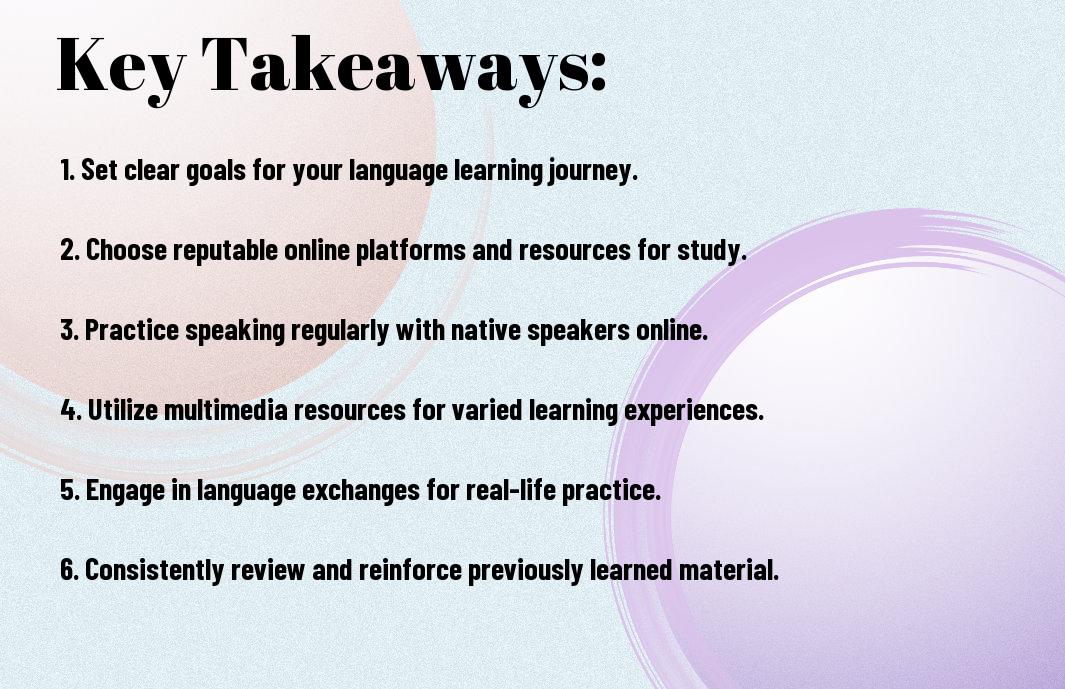
Key Takeaways:

To effectively learn languages through online education, consider the following points:

  • Utilize Interactive Resources such as videos, podcasts, and language learning apps to create an engaging learning experience.
  • Focus on Immersion Techniques like watching TV shows or movies, listening to music, and speaking with native speakers to improve pronunciation and comprehension.
  • Join Online Communities and forums to connect with other language learners, practice speaking and writing, and get feedback on progress.
  • Set Realistic Goals and track progress through regular assessments and self-evaluation to stay motivated and adjust the learning strategy as needed.
  • Take advantage of Personalized Learning tools that offer tailored lessons, exercises, and feedback to address individual learning styles and needs.

Benefits of Online Language Learning

A significant advantage of online language learning is the opportunity to acquire new skills at your own pace, which helps to enhance your language proficiency efficiently.

Flexibility and Accessibility

Almost any device with an internet connection can be used to access language learning platforms, allowing you to study from anywhere and at any time that suits your schedule.

Personalized Learning Experience

Against the backdrop of traditional classroom learning, online language courses offer you a tailored experience, adapting to your learning style, pace, and goals, making your learning journey more effective.

In addition, you can explore various interactive tools and resources that cater to your individual needs, providing you with a unique learning experience that helps you stay motivated and engaged throughout your language learning process.

Choosing the Right Online Platform

There’s a wide range of online platforms to learn languages, each with its unique features and benefits. You can choose from language learning apps, online courses, and tutorials, depending on your learning style and goals. Your selection will depend on the level of interaction, feedback, and support you need to stay motivated and achieve your objectives.

Language Learning Apps

Against the backdrop of numerous options, language learning apps are a popular choice, offering convenience and flexibility. You can access lessons, exercises, and quizzes on-the-go, making it easy to fit language learning into your busy schedule. Your progress is tracked, and you receive personalized feedback to help you improve.

Online Courses and Tutorials

Around the world, online courses and tutorials are gaining popularity, providing structured lessons and expert instruction. You can choose from various subjects, levels, and teaching methods, allowing you to tailor your learning experience to your needs and interests. Your learning is supported by interactive materials, assignments, and discussions with instructors and peers.

Understanding the different types of online courses and tutorials available will help you make an informed decision. You can opt for self-paced courses, which allow you to learn at your own pace, or instructor-led courses, which provide real-time interaction and feedback. Your goals, learning style, and schedule will determine the best fit for your language learning journey, and with the right online platform, you can achieve your objectives and become proficient in your target language.

Effective Learning Strategies

For successful language learning, you need to develop a well-structured approach. This involves using various techniques and tools to stay motivated and engaged.

Setting Realistic Goals

Strategically, you should set achievable objectives, breaking your learning process into manageable tasks, allowing you to track your progress and stay focused on your targets.

Creating a Study Schedule

Goal-oriented learners like you understand the importance of planning, so you establish a routine that suits your lifestyle, ensuring consistency in your learning journey.

Considering your schedule, you should allocate specific times for different activities, such as grammar exercises, vocabulary practice, and listening comprehension, to maintain a balanced learning experience, helping you to make the most out of your online education.

Interactive Learning Tools

Now that you’re exploring online education, you’ll discover a wide range of interactive tools to enhance your language learning experience. These tools offer engaging and immersive ways to practice your language skills, making learning more enjoyable and effective.

Language Exchange Websites

With the help of language exchange websites, you can connect with native speakers and practice your language skills through conversations and text exchanges, helping you improve your speaking and writing abilities.

Online Communities and Forums

The online language learning communities and forums provide you with a platform to discuss your progress, ask questions, and get feedback from other learners and experienced teachers, which can be incredibly beneficial for your learning journey.

Even as you engage with online communities and forums, you’ll find that you can tailor your learning to your specific needs and interests, allowing you to focus on areas where you need improvement, and you’ll also be able to learn from others who may be facing similar challenges, making your learning experience more personalized and supportive.

Overcoming Language Learning Challenges

After encountering obstacles, you’ll find that online education offers numerous resources to help you overcome them, ensuring your language learning journey stays on track.

Dealing with Grammar and Syntax

At the core of language learning lies the complexity of grammar and syntax, and you’ll need to tackle these challenges head-on to achieve fluency, using online tools and tutorials to guide you.

Improving Pronunciation and Fluency

Behind every fluent speaker is a dedication to practicing pronunciation, and you can achieve this by utilizing online speech recognition tools and interactive exercises to refine your skills.

A key aspect of improving your pronunciation and fluency is to immerse yourself in the language, listening to and speaking with native speakers, either through online language exchange platforms or video conferencing, allowing you to pick up on nuances and intonations that will make your speech more natural and confident.

Staying Motivated and Engaged

To maintain momentum in your online language learning journey, you need to stay motivated and engaged. This involves setting achievable goals, celebrating small victories, and making language learning a habit. You can achieve this by dedicating a specific time each day to language learning and making it a priority.

Finding Language Learning Partners

One effective way to stay motivated is to find a language learning partner. You can join online language exchange communities, forums, or social media groups to connect with others who share your interests and goals. This will enable you to practice your language skills, get feedback, and stay accountable.

Tracking Progress and Rewarding Yourself

Against all odds, tracking your progress and rewarding yourself can be a powerful motivator. You can use language learning apps, journals, or spreadsheets to monitor your progress and identify areas that need improvement. This will help you stay focused and motivated to continue learning.

It is crucial to track your progress regularly and reward yourself for achieving milestones. You can set specific goals, such as completing a certain number of lessons or reaching a certain level of proficiency, and reward yourself with something you enjoy, like watching a movie in the target language or trying a new recipe from the target culture. By doing so, you will stay motivated and engaged throughout your language learning journey, and you will be more likely to achieve your goals.

Final Words

So, as you conclude your journey of learning languages through online education, you have acquired the skills to effectively utilize digital platforms. You can now navigate through various courses, interact with instructors, and engage with fellow learners. Your dedication and persistence have been key to achieving your language learning goals, and you will continue to improve with consistent practice, expanding your linguistic abilities and exploring new cultural perspectives.

FAQ

Q: What are the benefits of learning languages through online education?

A: Learning languages through online education offers numerous benefits, including flexibility, convenience, and affordability. With online courses, you can learn at your own pace, anytime and anywhere, as long as you have a stable internet connection. Online language courses also provide access to a wide range of resources, such as interactive lessons, videos, and practice exercises, which can help you stay engaged and motivated. Additionally, online education platforms often offer personalized learning plans, allowing you to focus on areas where you need improvement and track your progress over time.

Q: How can I stay motivated and engaged while learning languages online?

A: To stay motivated and engaged while learning languages online, it’s imperative to set achievable goals and track your progress. Break down your learning process into smaller, manageable tasks, and reward yourself when you reach milestones. You can also join online language learning communities or find a language exchange partner to practice speaking and get feedback. Moreover, immerse yourself in the language by watching TV shows or movies, listening to music, or reading books and articles in the target language. This will help you develop a deeper understanding of the language and culture, making the learning process more enjoyable and effective.

Q: What are some effective online resources and tools for learning languages?

A: There are numerous online resources and tools available for learning languages, catering to different learning styles and levels. Some popular options include language learning apps like Duolingo, Babbel, and Rosetta Stone, which offer interactive lessons and exercises. You can also use online platforms like Coursera, edX, and Udemy, which provide courses and tutorials from reputable institutions and instructors. Additionally, language exchange websites and forums, such as italki and Reddit’s language learning community, can connect you with native speakers and fellow learners, providing opportunities for practice and feedback. Furthermore, online dictionaries, translation tools, and language learning podcasts can supplement your learning and help you stay up-to-date with language developments.

Skip to content