As you consider the state of education in rural areas, you may wonder how technology is changing the landscape. You are likely aware that online education is expanding opportunities for rural students. By exploring the benefits of online learning, you can see how it is bridging the gap in rural areas. For instance, you can discover 5 new benefits of online learning in rural areas that are transforming your understanding of education. Your perspective on rural education is about to shift.
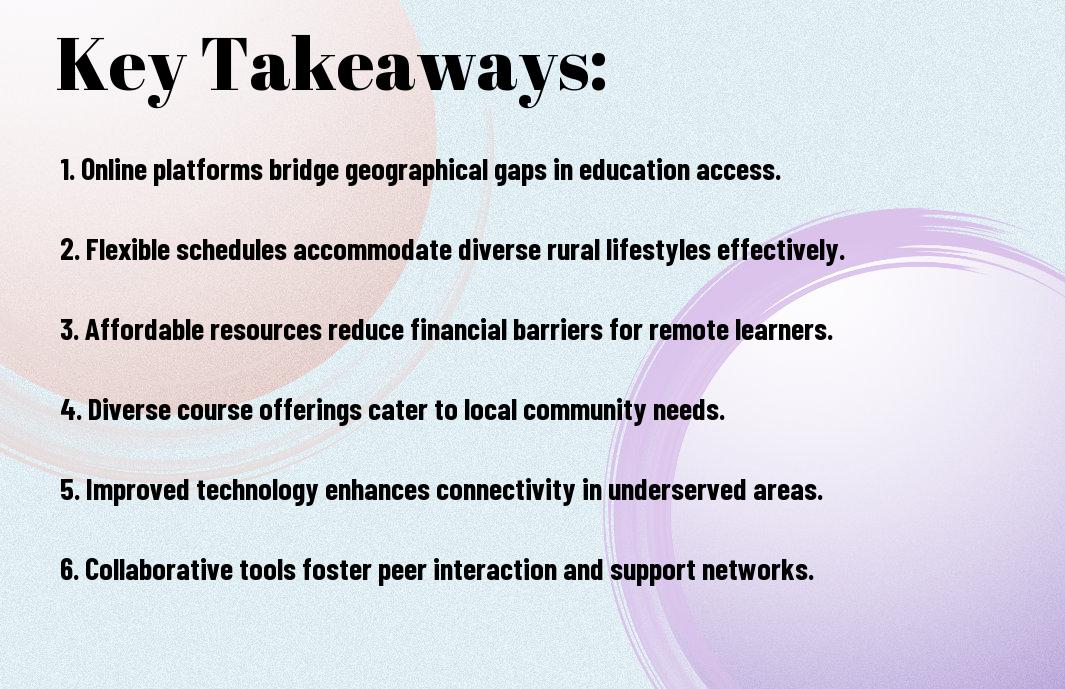
Key Takeaways:
To understand the impact of online education on rural areas, consider the following points:
- Online education is increasing Accessibility to learning resources for rural students, providing them with opportunities that were previously out of reach due to geographical constraints.
- The use of Technology in online education is helping to bridge the gap between urban and rural areas, enabling students to access high-quality educational content and interact with teachers and peers remotely.
- Personalization of learning is another significant benefit of online education in rural areas, as students can learn at their own pace and focus on areas where they need improvement, rather than being limited by a one-size-fits-all approach.
- Online education is also promoting Equity in rural areas by providing access to educational resources that are often limited or unavailable in these regions, helping to level the playing field for rural students.
- The growth of online education in rural areas is driving Innovation in the education sector, with new platforms, tools, and approaches being developed to meet the unique needs of rural students and communities.
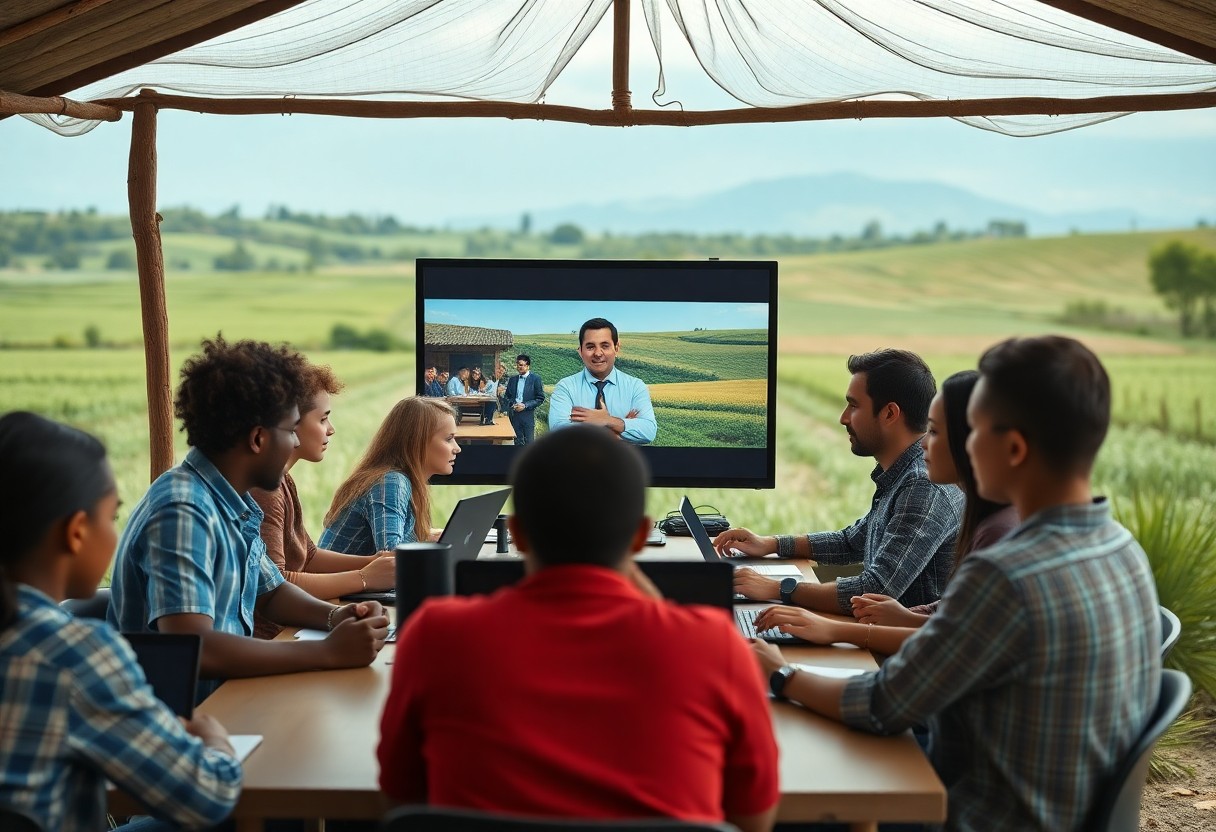
Expansion of Educational Opportunities
Before the advent of online education, your access to learning was largely determined by your geographical location. However, with the rise of digital platforms, you can now access a wide range of educational resources from anywhere in the world.
Increased accessibility for rural students
Accessibility to quality education has increased significantly for rural students, allowing you to pursue courses and degrees that were previously out of reach due to geographical constraints.
Reduced geographical barriers to learning
Any distance or location is no longer a barrier to learning, as you can now access educational resources and interact with instructors and peers from all over the world.
Plus, with online education, you can learn at your own pace, anytime and anywhere, which is particularly beneficial for rural students who may have limited access to traditional educational institutions. You can explore various subjects, from science and technology to arts and humanities, and engage with a diverse community of learners, broadening your perspectives and understanding of the world.
Technological Advancements
You are likely aware that technological advancements have been a key driver in increasing access to online education, particularly in rural areas. As you explore the landscape of online learning, you’ll notice significant developments that have transformed the way people access educational resources.
Development of online learning platforms
One notable aspect of this transformation is the proliferation of online learning platforms, which have made it possible for you to access high-quality educational content from anywhere with an internet connection, thereby bridging the gap between urban and rural areas.
Improvement of internet infrastructure in rural areas
With the expansion of internet infrastructure in rural areas, you now have greater opportunities to connect with online educational resources, which has been a significant factor in promoting rural access to learning, and this trend is expected to continue as technology advances.
This improvement in internet infrastructure has enabled you to participate in online courses, access digital libraries, and engage with educators and peers from around the world, thereby enriching your learning experience and providing you with opportunities that may not have been available otherwise, allowing you to broaden your knowledge and skills in a way that was previously unimaginable.
Personalized Learning Experiences
Once again, you find yourself at the forefront of a revolution, as online education brings personalized learning experiences to your doorstep, regardless of your geographical location.
Adaptive learning technologies
Beneath the surface of traditional teaching methods, adaptive learning technologies are emerging, allowing you to learn at your own pace and tailored to your individual needs and abilities.
Self-paced learning opportunities
Learning from the comfort of your own home, you can now access a wide range of courses and degree programs, designed to fit your schedule and learning style, giving you the flexibility you need to succeed.
Also, as you commence on this self-paced learning journey, you will discover that you have the freedom to pause, rewind, and revisit difficult concepts, allowing you to grasp complex ideas and reinforce your understanding, ultimately taking control of your educational path and unlocking your full potential.
Overcoming Traditional Limitations
Now, as you investigate into the world of online education, you’ll find that it’s breaking down barriers that once hindered rural access to learning, offering a beacon of hope for a more equitable future.
Lack of qualified teachers in rural areas
On one hand, you face the challenge of finding qualified teachers in rural areas, but online education provides a solution by connecting you with instructors from all over the world.
Insufficient resources and facilities
Around the globe, you see rural areas struggling with insufficient resources and facilities, but online education helps bridge this gap by providing access to digital tools and materials.
Due to the limitations of traditional educational settings, you may have previously felt constrained by the lack of resources and facilities in rural areas, but online education offers a wealth of digital materials, virtual labs, and interactive simulations that can enhance your learning experience, allowing you to explore subjects in greater depth and detail, and engage with course materials in a more immersive and interactive way.
New Opportunities for Skill Development
Unlike traditional educational settings, online education offers you a range of opportunities to develop new skills, as you can learn more about How Online Education Is Shaping the Future Workforce and its impact on your career.
Access to vocational training and certification programs
Accessibility to online platforms provides you with the chance to enroll in vocational training and certification programs, helping you acquire specialized skills and enhance your employability.
Development of digital literacy skills
The development of digital literacy skills is an crucial aspect of online education, as you learn to navigate and utilize various digital tools and platforms to access educational resources and connect with instructors and peers.
With the ability to access online educational resources, you can further develop your digital literacy skills, enabling you to effectively use technology to learn, work, and communicate in today’s digital age, and as you proceed, you will find that your ability to adapt to new technologies and learn new skills will be invaluable in your future endeavors.
Challenges and Limitations
Your journey to online education in rural areas is not without obstacles, as several challenges hinder the progress of this innovative approach, affecting your ability to access quality learning opportunities.
Digital divide and unequal access to technology
Dynamically, the gap in technology access affects your learning experience, as not all rural students have equal opportunities to utilize digital tools and devices, thus limiting their potential for growth and development.
Limited internet connectivity and speed
Beneath the surface of online education lies the issue of inadequate internet connectivity, which hampers your ability to participate in virtual classes and access digital resources, ultimately affecting your learning outcomes.
Access to reliable and fast internet is important for online learning, and you will encounter numerous difficulties if your connection is slow or interrupted, including poor video quality, dropped sessions, and delayed assignments, all of which can hinder your progress and engagement in the learning process.
To wrap up
To wrap up, as you consider the effects of online education, you see how it is bridging the gap in rural areas, providing your community with unprecedented access to knowledge and opportunities, and you must think critically about how this shift will shape your understanding of learning and its role in your life.
FAQ
Q: What role is online education playing in increasing access to learning in rural areas?
A: Online education is revolutionizing rural access to learning by providing individuals with the opportunity to access a wide range of courses and educational resources from anywhere, at any time. This is particularly significant in rural areas where access to traditional educational institutions may be limited due to geographical constraints. With online education, students in rural areas can now access high-quality educational content, interact with instructors and peers, and participate in virtual classrooms, thereby bridging the gap in educational opportunities.
Q: How is online education addressing the issue of limited educational resources in rural areas?
A: Online education is addressing the issue of limited educational resources in rural areas by providing access to a vast array of digital resources, including e-books, online libraries, and educational software. These resources can be accessed from any device with an internet connection, reducing the need for physical infrastructure and making learning more accessible and affordable. Additionally, online education platforms are also providing opportunities for rural students to connect with educators and experts from around the world, exposing them to new ideas, perspectives, and teaching methods that may not be available locally.
Q: What are the potential long-term benefits of online education for rural communities?
A: The potential long-term benefits of online education for rural communities are numerous. By increasing access to education, online learning can help to improve academic achievement, increase economic opportunities, and enhance the overall quality of life for individuals in rural areas. Furthermore, online education can also help to promote social mobility, reduce poverty, and foster community development by providing rural communities with the skills and knowledge needed to compete in the global economy. As online education continues to evolve, it is likely to play an increasingly important role in bridging the educational divide between rural and urban areas, and in promoting more equitable access to learning opportunities for all.