Traditional

Online vs. Traditional Education – Pros and Cons

As you consider your educational options, you’re likely weighing the advantages and disadvantages of online and traditional learning. You want to make an informed decision that suits your lifestyle and learning style. Your choice between online and traditional education will impact your academic experience, so it’s vital to explore the pros and cons of each option. You’ll need to think about factors like flexibility, cost, and accessibility to determine which path is best for you.

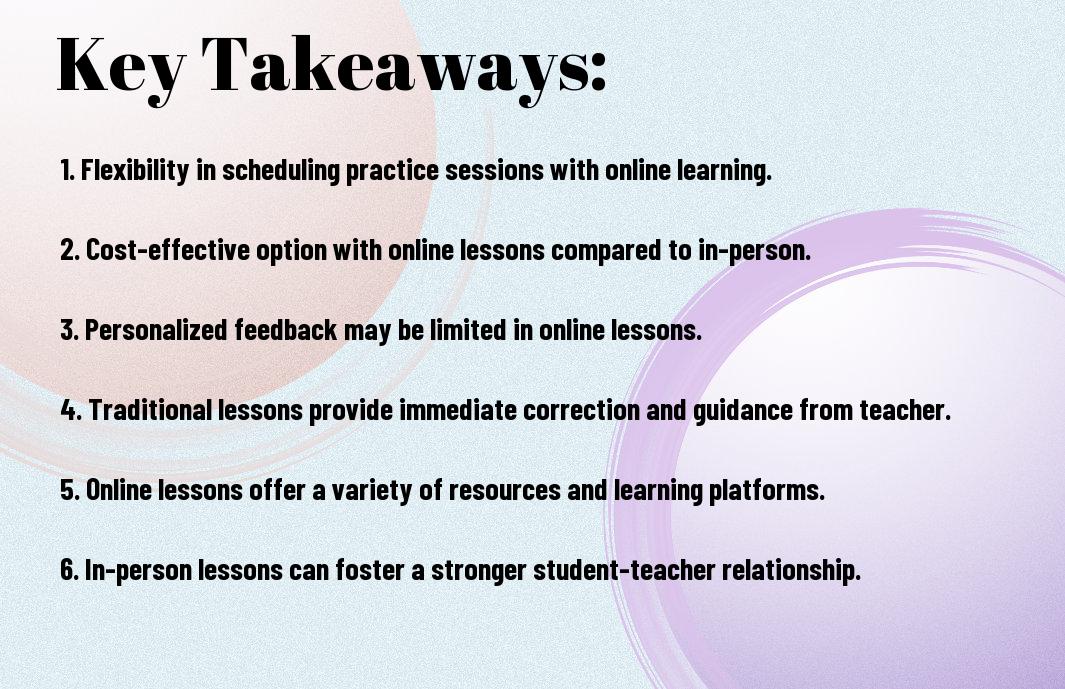
Key Takeaways:

When considering online vs. traditional education, there are several factors to weigh. Here are the main points to consider:

  • The flexibility of online learning allows students to complete coursework on their own schedule, which can be beneficial for those with work or family obligations.
  • Traditional education provides face-to-face interaction with instructors and peers, which can enhance the learning experience and provide opportunities for immediate feedback.
  • Online courses often offer lower costs and increased accessibility, making higher education more attainable for a wider range of students, including those in remote locations.
  • The structure of traditional education can provide students with a sense of accountability and discipline, as they are required to attend classes and adhere to a set schedule.
  • Online education requires self-motivation and technical skills, as students must be able to navigate digital platforms and manage their time effectively to succeed in an online learning environment.

Advantages of Online Education

While exploring your options, you can learn more about online education by visiting Online Classes vs. Traditional Classes: Advantages & Disadvantages. This will help you make an informed decision.

Flexibility and Accessibility

On top of traditional classroom settings, online education offers flexible scheduling, allowing you to access your courses at any time.

Personalized Learning Experience

An added benefit of online education is that it provides a personalized learning experience tailored to your needs and learning style.

Another aspect of personalized learning is that you can learn at your own pace, pausing or repeating sections as needed, which helps you better understand and retain the material, thus enhancing your overall learning experience.
Disadvantages of Online Education

If you’re considering online education, you should be aware of its drawbacks. You can find more information about the pros and cons of online learning at Distance Learning vs. Traditional Learning: Pros and Cons.

Limited Social Interaction

Any time you engage in online learning, you may miss out on social interactions, which are imperative for your personal and professional growth.

Technical Issues and Distractions

Distractions at home or technical issues can hinder your ability to focus and learn effectively in an online environment.

Disadvantages of technical issues and distractions can significantly impact your online learning experience, as you may encounter problems with your internet connection, computer, or other technical difficulties, which can frustrate you and hinder your ability to complete your coursework, and you should be prepared to address these challenges to succeed in online education.

Advantages of Traditional Education

To begin with, traditional education offers several benefits that can enhance your learning experience. You will have access to hands-on training, personalized attention, and a more engaging learning environment.

Face-to-Face Interaction and Networking

Interacting with your peers and instructors in person allows you to build relationships and establish a network of contacts that can benefit your future career. You will have opportunities to participate in discussions, ask questions, and collaborate with others on projects, which can help you develop crucial communication and teamwork skills.

Structured Learning Environment

Against the flexibility of online learning, traditional education provides a structured schedule and environment that can help you stay focused and motivated. You will have a set routine, clear expectations, and regular feedback from your instructors, which can help you stay on track and achieve your academic goals.

Further, a structured learning environment can also help you develop good study habits, time management skills, and self-discipline. You will be required to attend classes regularly, complete assignments on time, and prepare for exams, which can help you establish a sense of responsibility and accountability for your learning. This, in turn, can help you develop a strong work ethic and a growth mindset that can benefit you throughout your life.

Disadvantages of Traditional Education

Unlike online education, traditional education has several drawbacks that can hinder your learning experience. You may encounter rigid schedules, limited course offerings, and high costs, which can be a significant burden on your time and finances.

Limited Accessibility and Flexibility

By attending traditional educational institutions, you are often bound by geographical constraints and fixed schedules, limiting your ability to access educational resources and learn at your own pace.

High Costs and Resource Intensive

Among the significant downsides of traditional education are the high costs associated with attending a physical institution, including tuition fees, transportation, and accommodation, which can be a substantial strain on your financial resources.

Plus, the costs of traditional education extend beyond tuition fees, as you will also need to consider the expense of textbooks, equipment, and other learning materials, which can add up quickly and deplete your budget, making it challenging for you to pursue your educational goals without significant financial burden.
Comparison of Effectiveness

Despite the differences between online and traditional education, you can evaluate their effectiveness by considering various factors. Check out Online Classes vs Traditional Classes – Find the Best for You to learn more.

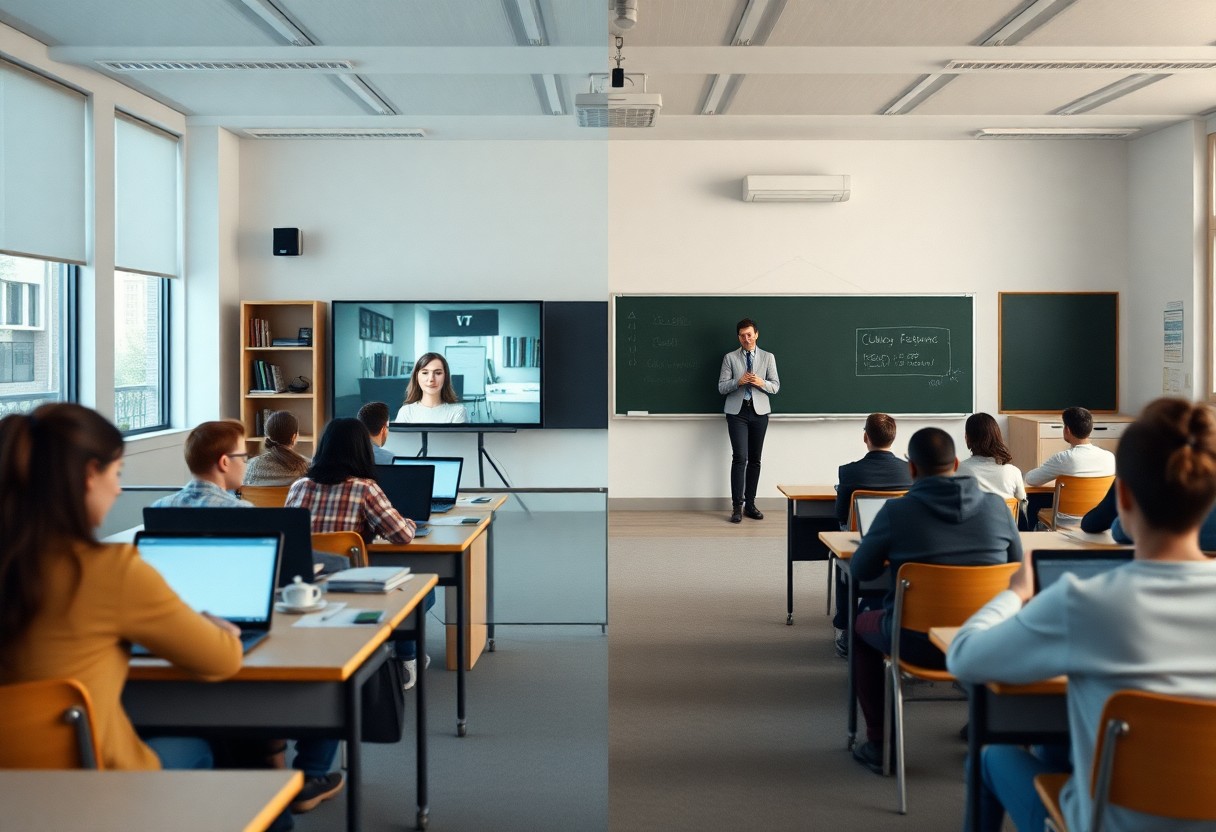
Online Education Traditional Education
Flexibility Structure

Academic Performance and Outcomes

Among the key aspects to consider when evaluating online and traditional education, you’ll find that academic performance and outcomes are significant. You’ll want to assess how each method impacts your learning experience.

Student Satisfaction and Engagement

Before making a decision, you should consider student satisfaction and engagement. You’ll find that both online and traditional education have their strengths and weaknesses in this area.

Engagement is a vital aspect of your educational experience, and you’ll want to choose the method that best supports your needs. As you explore online and traditional education, consider how each approach will impact your motivation and participation in the learning process, and how it will help you achieve your academic goals.

Future of Education

Not surprisingly, the future of education is likely to be shaped by technological advancements and changing learner needs. You will see a shift towards more flexible and personalized learning experiences.

Blended Learning Models

Following the success of online learning, you can expect to see more blended learning models emerge, combining the best of online and traditional education to create a more effective learning experience for you.

Emerging Trends and Technologies

Obviously, one of the most exciting developments in education is the integration of emerging trends and technologies, such as AI and VR, to enhance your learning experience.

Models like adaptive learning platforms and gamification will become increasingly popular, allowing you to take control of your learning and engage with complex subjects in a more interactive way, helping you to stay motivated and achieve your learning goals.

Final Words

Summing up, you now have a clearer understanding of the pros and cons of online vs. traditional education. You can weigh your options and decide what suits your learning style and needs. Your decision will depend on your personal preferences, schedule, and goals. Consider your priorities and make an informed choice that benefits your educational journey, allowing you to achieve your full potential.

FAQ

Q: What are the main advantages of online education compared to traditional education?

A: Online education offers several benefits, including flexibility and convenience, as students can access course materials and complete assignments at their own pace and from any location. Additionally, online education often provides a wider range of course options and can be more cost-effective than traditional education. Online courses also allow students to learn at their own speed, which can be particularly helpful for those who need more time to grasp certain concepts or for those who can quickly absorb information and want to move ahead. Furthermore, online education reduces the need for commuting, which saves time and money, and it also provides access to courses that may not be available locally.

Q: What are the disadvantages of online education in comparison to traditional education, and how can they be addressed?

A: One of the primary disadvantages of online education is the lack of face-to-face interaction with instructors and peers, which can lead to feelings of isolation. Technical issues can also disrupt the learning experience. Moreover, online education requires a high degree of self-motivation and discipline, as students must stay on track without the structure of a traditional classroom. To address these issues, many online educational institutions implement interactive tools and features that facilitate communication and community building among students and faculty, such as discussion forums, live chats, and video conferencing. Regular technical support is also available to minimize disruptions. Furthermore, setting a dedicated schedule and creating a conducive study environment can help students stay motivated and disciplined throughout their online courses.

Q: How do the learning outcomes of online education compare to those of traditional education, and what factors influence the effectiveness of each method?

A: Research indicates that the learning outcomes of online education can be comparable to, if not sometimes superior to, those of traditional education, depending on various factors such as the quality of the course design, the technology used, and the engagement of the students. The effectiveness of both online and traditional education methods is heavily influenced by the learner’s individual learning style, the subject matter being taught, and the level of interaction with the instructional material and with peers and instructors. For instance, some subjects that require extensive hands-on training might be better suited to traditional educational settings, while others that are more theoretical or based on individual study may thrive in online environments. Ultimately, the success of either method depends on how well the educational content is tailored to meet the needs and preferences of the learners, as well as the support systems in place to ensure student success.

How do online language learning courses compare to traditional classroom-based courses

Online language learning courses offer flexibility and convenience, allowing you to study at your own pace and schedule. However, traditional classroom-based courses provide face-to-face interaction with instructors and classmates, promoting real-time communication and collaboration. In this informative analysis, you will explore the strengths and weaknesses of both approaches to language learning, helping you make an informed decision on the best method to achieve your language learning goals.

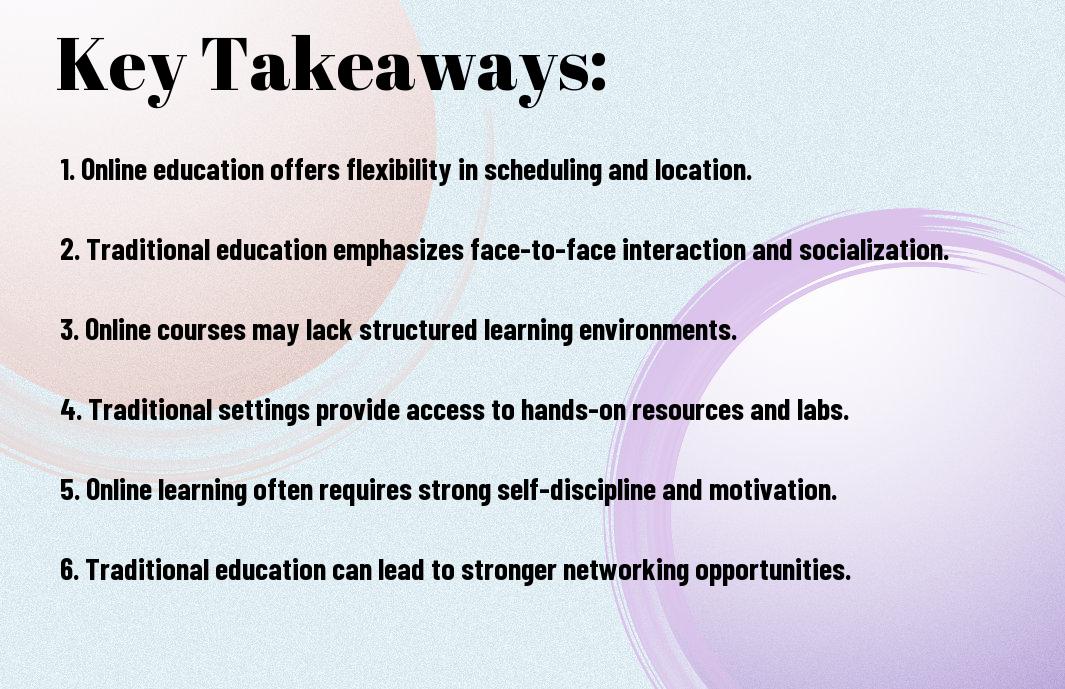
Key Takeaways:

  • Flexibility: Online language learning courses offer more flexibility in terms of study time and location compared to traditional classroom-based courses.
  • Personalized Learning: Online courses often provide personalized learning experiences through adaptive software and individual progress tracking, which may not be as easily achievable in a traditional classroom setting.
  • Interactivity: Traditional classroom-based courses provide more opportunities for in-person interaction, group activities, and immediate feedback from instructors, which can enhance the learning experience for some students.

The Rise of Online Language Learning

The Convenience Factor

Rise of the internet has transformed the way you learn languages. Online language learning courses have become increasingly popular due to their convenience. Imagine being able to enhance your language skills from the comfort of your own home, at any time that suits you. No more rushing to get to a physical classroom, you can simply log in and start your lesson with the click of a button. This flexibility is particularly beneficial for those with busy schedules or commitments that make attending traditional classes challenging.

Accessibility and Flexibility

Convenience is not the only advantage of online language courses. The accessibility and flexibility they offer are unmatched. You have the freedom to choose when and where you want to learn, fitting your language lessons around your life rather than the other way around. Whether you prefer studying in the early morning or late at night, online courses give you the flexibility to customize your learning schedule to best suit your needs.

It’s not just about the time and place either; online language courses often provide a variety of resources such as interactive exercises, quizzes, and multimedia tools that cater to different learning styles. This adaptability ensures that you can learn in a way that works best for you, helping you to make faster progress in mastering a new language.

Traditional Classroom-Based Courses

An crucial aspect of traditional classroom-based language courses is the human interaction and feedback you receive. In a physical classroom, you have real-time communication with your teacher and classmates, allowing for immediate questions, clarifications, and discussions. This direct interaction enables personalized feedback on your language skills, pronunciation, and comprehension. The ability to practice speaking and listening in a face-to-face setting offers a more dynamic and immersive learning experience than online courses.

Immersive Learning Environment

Human connection plays a vital role in creating an immersive learning environment in traditional classroom-based language courses. Being physically present in a classroom setting allows you to engage with the language through various senses. You can observe body language, facial expressions, and gestures, which are integral to communication in any language. Additionally, interacting with peers from diverse backgrounds enhances your cultural understanding and widens your perspective on language usage.

Feedback:

Furthermore, in a traditional classroom, you can benefit from instant feedback on your progress and areas needing improvement. Your teacher can observe your language proficiency firsthand and provide constructive criticism to help you grow. This personalized guidance is invaluable in honing your language skills effectively.

Language Learning Outcomes

Measuring Proficiency and Fluency

Language proficiency and fluency are crucial elements in assessing your ability to communicate effectively in a new language. Proficiency refers to your overall level of skill, while fluency indicates how smoothly and naturally you can speak and understand the language. Online language learning courses often use standardized tests like the CEFR (Common European Framework of Reference for Languages) to measure proficiency levels, offering assessments at various stages of learning to track your progress.

Comparing Results: Online vs. Traditional

When comparing the results of online language learning courses with traditional classroom-based courses, various factors come into play. Both methods can lead to significant improvements in language skills, but the approach and outcomes may differ. Below is a comparison of the outcomes between online and traditional language learning:

Online Language Learning Traditional Classroom-Based Learning
Flexible scheduling and self-paced learning Fixed class schedules and structured curriculum
Access to interactive multimedia resources Face-to-face interaction with teachers and peers
Opportunity for personalized learning experiences Immediate feedback and correction from instructors

When comparing the outcomes of online language learning courses to traditional classroom-based courses, it’s necessary to consider how each method aligns with your learning style and goals. Online courses offer flexibility and personalized learning experiences, allowing you to progress at your own pace. On the other hand, traditional classroom-based courses provide immediate feedback and real-time interaction, enhancing communication skills through face-to-face practice.

The Role of Technology in Language Learning

Interactive Tools and Resources

Technology has revolutionized language learning by providing interactive tools and resources that make the learning process engaging and effective. Online language courses offer features such as audio pronunciation guides, interactive grammar exercises, vocabulary games, and real-time feedback on your progress. These tools not only enhance your understanding of the language but also keep you motivated and actively involved in your learning.

Personalized Learning Paths

To cater to individual learning styles and preferences, online language courses offer personalized learning paths that adapt to your progress and goals. Through the use of algorithms and machine learning, these platforms can assess your strengths and weaknesses, track your performance, and recommend specific lessons or activities to help you improve. This customization ensures that you are continuously challenged at the right level and receive content that is relevant to your linguistic development.

With personalized learning paths, you can focus on areas where you need the most improvement, skip over topics you already know well, and set your own pace for learning. This tailored approach maximizes your learning efficiency and allows you to make significant strides in mastering a new language.

The Importance of Self-Motivation

Staying Engaged and Motivated Online

Keep in mind that online language learning courses require a high level of self-motivation and discipline. Without the physical presence of a teacher or classmates, it’s easy to feel disconnected at times. It’s imperative to schedule regular study times and set achievable goals to stay on track. Make use of interactive tools, online forums, and virtual language exchange partners to keep the learning experience engaging.

Building Discipline and Accountability

Any successful online language learner will tell you that building discipline is key to mastering a new language. Set a study routine and stick to it, just as you would with a traditional classroom course. Create a study space free from distractions, and hold yourself accountable for completing assignments and practicing regularly. Consider setting up a reward system for reaching language milestones to keep yourself motivated.

On top of discipline, accountability is crucial in online language learning. Since you’re in charge of your schedule and progress, it’s easy to postpone tasks or lose focus. To ensure accountability, consider joining online study groups or language learning communities. Connecting with others who share your goals can provide motivation and accountability, pushing you to stay consistent in your language learning journey.

Cost and Value Comparison

All online language learning courses require an investment of both time and money. When comparing the costs of online courses to traditional classroom-based courses, it’s imperative to consider various factors that contribute to the overall value you receive.

Breaking Down the Costs: Online vs. Traditional

Costs play a significant role in choosing between online and traditional language courses. Online courses often come at a lower price point due to savings on physical infrastructure and facilities. Additionally, you can avoid commuting expenses and have the flexibility to learn from the comfort of your home. However, traditional classroom-based courses may offer more personalized attention and real-time interaction with instructors, which can be beneficial for some learners.

Weighing the Benefits and Drawbacks

When weighing the benefits and drawbacks of online versus traditional language courses, it’s crucial to consider your learning preferences and goals. Online courses provide flexibility in terms of schedule and location, making them ideal for busy individuals or those with limited access to traditional classrooms. On the other hand, traditional classroom-based courses offer a structured learning environment and face-to-face interaction, which can enhance learning outcomes and promote better communication skills.

Another imperative factor to consider is the level of accountability and motivation you have when choosing between online and traditional language courses. While online courses offer flexibility, they may require more self-discipline to stay on track with your studies. In contrast, traditional classroom-based courses often provide a more structured learning environment with set schedules and deadlines, which can help you stay focused and committed to your language learning journey.

Final Words

Upon reflecting on how online language learning courses compare to traditional classroom-based courses, it is evident that both options have their unique advantages. Online courses offer the flexibility to learn at your own pace, anytime, and anywhere with the convenience of technology. On the other hand, traditional classroom-based courses provide opportunities for real-time interaction with teachers and peers, fostering a sense of community and accountability.

Ultimately, the choice between online and traditional learning methods comes down to your personal preferences and learning style. Whether you thrive in a structured classroom environment or prefer the freedom and independence of online learning, both options offer valuable resources to help you achieve your language learning goals. So, embrace the learning journey and explore the method that suits you best, as both online and traditional classroom-based courses can lead to success in mastering a new language.

Q: What are the main differences between online language learning courses and traditional classroom-based courses?

A: Online language learning courses offer flexibility in terms of timing and location, allowing students to learn at their own pace and convenience. On the other hand, traditional classroom-based courses have a fixed schedule and location, requiring students to attend classes in person at specific times.

Q: How do online language learning courses compare in terms of interactivity with instructors and peers?

A: Online language learning courses often provide opportunities for interaction through live chat sessions, discussion forums, and video calls with instructors and peers. While traditional classroom-based courses offer face-to-face interactions, online courses use technology to facilitate communication and collaboration among students and teachers.

Q: Which type of language learning course is more cost-effective: online or traditional classroom-based?

A: Online language learning courses are typically more cost-effective than traditional classroom-based courses due to lower overhead costs for facilities and materials. Additionally, online courses eliminate the need for commuting, saving both time and money for students. However, traditional classroom-based courses may offer a more immersive learning experience that some students find beneficial despite the higher cost.

How does learning piano online compare to traditional in-person lessons

Many aspiring musicians like yourself often wonder how learning piano online stacks up against the traditional in-person lessons. In this informative comparison, we will investigate into the pros and cons of each method, helping you make an informed decision on which avenue best suits your musical journey. Whether you prefer the convenience of online lessons or the personal touch of face-to-face instruction, we’ll explore the unique benefits and drawbacks of both approaches. So, let’s dive in and discover which option harmonizes best with your learning style and goals.

Key Takeaways:

  • Convenience: Online piano lessons offer the flexibility to schedule sessions at your own convenient time, avoiding the need for travel.
  • Personalized Learning: In-person lessons provide immediate feedback and correction from the instructor, while online lessons may require self-motivation and discipline for improvement.
  • Cost-effectiveness: Learning piano online can be more cost-effective compared to traditional lessons, as it eliminates the need for commuting expenses and potentially offers more affordable options.

The Rise of Online Learning

The Digital Age and Music Education

With the exponential growth of technology, the landscape of education has been revolutionized. This shift towards digital platforms has not skipped music education. Online piano lessons have surged in popularity, offering a new way for aspiring musicians like you to learn and improve your skills.

Accessibility and Convenience of Online Lessons

Education is no longer confined to traditional classrooms or studios. Online piano lessons provide you with the flexibility to learn from the comfort of your own home, at your own pace. You no longer need to schedule your day around fixed lesson times; instead, you can choose a time that fits your schedule best.

It’s a game-changer for those with busy lifestyles or limited access to in-person instructors. With online piano lessons, you have the freedom to learn whenever and wherever you want, making it easier to incorporate music into your daily routine.

Traditional In-Person Lessons

The Timeless Appeal of Face-to-Face Instruction

Instruction in a traditional, in-person setting offers a unique learning experience that cannot be replicated entirely by online platforms. The direct guidance from a skilled piano teacher, sitting beside you, observing your hand positioning, posture, and technique, is invaluable. According to Piano Software and Apps vs. In Person Lessons – VoicesInc.org, this personalized approach allows for immediate feedback and correction, ensuring that bad habits are nipped in the bud before they become ingrained in your playing.

The Benefits of Human Interaction and Feedback

One of the primary advantages of in-person piano lessons is the real-time interaction and personalized feedback that you receive from your instructor. You can ask questions, seek clarification, and engage in a musical dialogue that enhances your understanding of the instrument and music theory. The emotional connection and rapport built through face-to-face lessons can motivate you to practice diligently and strive for improvement.

Interaction with a teacher who understands your learning style, challenges, and aspirations can lead to customized lesson plans tailored to your needs. Moreover, having a human presence to guide you through moments of frustration or self-doubt can be incredibly reassuring and inspiring. This personalized touch fosters a supportive environment where your musical journey is nurtured and celebrated.

Comparing the Learning Experience

Any online learning experience differs from traditional in-person lessons in various ways. Let’s break down the comparison into key aspects:

Structured Learning Self-Directed Learning
Online piano lessons often offer structured curriculums and progress tracking tools to guide your learning journey systematically. On the other hand, in-person lessons may allow more room for self-directed exploration and improvisation, depending on your preferences and the teacher’s style.

The Role of Technology in Enhancing Engagement

Enhancing engagement through technology is a major advantage of online piano lessons. Interactive apps, virtual keyboards, and instant feedback mechanisms can make the learning process more dynamic and enjoyable.

Learning becomes more interactive and engaging through the use of various technological tools. For example, virtual keyboards can help you practice and receive feedback in real-time, enhancing your understanding and skill development.

Personalization and Adaptability in Online Lessons

Learning piano online allows for a high level of personalization and adaptability. From choosing your preferred learning pace to accessing a wide range of resources tailored to your skill level, online platforms offer flexibility that traditional lessons may lack.

Technology plays a crucial role in enabling personalized learning experiences for piano students. Features such as AI-based recommendations and progress tracking help align the curriculum with your individual learning needs, ensuring efficient progress and skill development.

The Quality of Instruction

Not all piano instruction is created equal. When comparing online piano lessons to traditional, The Pros and Cons of Online Piano Lessons vs In Person …, the quality of instruction is a crucial factor to consider. Let’s research into the qualifications and expertise of online instructors, as well as the importance of pedagogy in traditional lessons.

Qualifications and Expertise of Online Instructors

Quality instruction begins with the qualifications and expertise of the instructors. Online platforms often provide access to a diverse range of instructors from around the world, allowing you to select a teacher whose style and expertise align with your goals. Many online instructors have extensive experience, certifications, and even performance backgrounds that can enhance your learning experience.

The Importance of Pedagogy in Traditional Lessons

The pedagogy employed in traditional piano lessons is a fundamental aspect of the quality of instruction. In-person lessons often focus on not just teaching you how to play the piano, but also on the theory, technique, and musicality behind the notes. The one-on-one interaction with a teacher allows for immediate feedback and personalized instruction tailored to your learning style.

For instance, a traditional piano instructor can correct your hand position, posture, and fingering in real-time, addressing issues as they arise. This personalized attention is invaluable in building a strong foundation and advancing your skills effectively.

Accountability and Feedback Mechanisms

Instructors, both online and in-person, play a vital role in providing accountability and feedback mechanisms to help you progress in your piano journey. Online platforms often have features that track your practice time, offer progress reports, and allow for communication with instructors via messaging or video calls.

Feedback from instructors is crucial for your development as a pianist. In traditional lessons, immediate feedback on your performance, technique, and interpretation can significantly impact your growth. Regular assessments and constructive criticism from an experienced teacher can push you to improve and strive for excellence.

Cost and Value

The Economics of Online Lessons

Now, when it comes to the cost of online piano lessons compared to traditional in-person instruction, there are a few key differences to consider. Any online platform usually offers different pricing plans, allowing you to choose a package that fits your budget and learning needs. You may find that online lessons are more affordable than traditional lessons, as they eliminate travel costs and may offer discounts on bulk lesson packages.

The Investment in Traditional In-Person Instruction

For those who opt for traditional, in-person piano lessons, the investment can vary based on factors such as the teacher’s expertise, location, and lesson duration. A one-on-one lesson with an experienced instructor may come at a higher price point compared to online lessons. Some traditional instructors also require additional fees for materials or recital participation, which can add to the overall cost.

A traditional in-person lesson offers a personalized experience where the teacher can provide immediate feedback and tailor instruction to your learning style. This individualized attention can be invaluable for your progress and motivation. For those who prefer face-to-face interaction and guidance, the investment in traditional lessons can bring a sense of accountability and structure to your learning.

Weighing the Costs and Benefits

Lessons, when considering the costs and benefits of online versus in-person piano instruction, it’s crucial to weigh your priorities. Online lessons may offer flexibility in scheduling and cost-effectiveness, making them suitable for busy individuals or those on a budget. However, traditional lessons provide a unique learning environment with real-time interaction and personalized guidance from a skilled instructor.

For instance, if you value convenience and affordability, online lessons might be the right choice for you. On the other hand, if you prioritize a hands-on approach and in-depth instruction, investing in traditional in-person lessons could be more beneficial for your musical journey.

Overcoming Challenges

Staying Motivated and Disciplined in Online Learning

All journeys have their ups and downs, and learning piano online is no exception. On your online learning path, staying motivated and disciplined is crucial. Without the structure of traditional, in-person lessons, it can be tempting to procrastinate or let your practice sessions slide. To combat this, set specific goals for yourself and create a daily or weekly practice schedule. Treat your online lessons with the same dedication as you would with in-person instruction. Note, progress comes with consistent effort.

Addressing Technical Issues and Connectivity Problems

Problems with technology can be a roadblock in your online piano learning experience. If you encounter technical issues or connectivity problems during your online lessons, don’t get discouraged. It’s vital to troubleshoot common problems like audio lag, internet connectivity issues, or software glitches. Ensure you have a stable internet connection, close unnecessary background applications, and familiarize yourself with the online platform’s settings. Don’t hesitate to seek help from your online instructor or technical support to address any persistent issues.

Another tip to address technical issues and connectivity problems is to have a backup plan in place. Consider keeping a spare set of headphones, an alternative device, or a different internet connection option available as a contingency. Being prepared for potential technological challenges can help you navigate through any disruptions seamlessly and maintain your focus on learning and improving your piano skills.

Building Confidence and Performance Skills

Confidence is key when it comes to showcasing your piano skills, whether in an online setting or in front of an audience. As you progress in your online piano lessons, it’s vital to build your confidence and performance skills. Practice performing pieces regularly, record your performances, and reflect on your progress. Visualize yourself performing with poise and conviction, and embrace opportunities to share your music with others, such as in virtual recitals or online forums.

A positive mindset and a willingness to step out of your comfort zone are vital in building confidence and honing your performance skills. Embrace constructive feedback from your online instructor and peers, and use it as fuel to improve and grow as a pianist. Note, the journey to becoming a skilled pianist is as much about developing your confidence and stage presence as it is about mastering technical skills.

Conclusion

With this in mind, it is clear that learning piano online offers numerous benefits compared to traditional, in-person lessons. Online platforms provide flexibility in scheduling, personalized lesson plans, and the convenience of learning from the comfort of your own home. Additionally, the availability of a wide range of resources, such as video tutorials and interactive practice tools, can enhance your learning experience and help you progress at your own pace.

While traditional lessons may offer the advantage of face-to-face interaction and immediate feedback from a teacher, online lessons have proven to be effective in facilitating learning and accommodating different learning styles. Ultimately, the choice between online and in-person lessons depends on your personal preferences and goals as a piano student. Whether you opt for the structured approach of traditional lessons or the convenience and flexibility of online platforms, the key is to find a method that resonates with you and helps you achieve your musical aspirations.

Q: Is learning piano online as effective as traditional in-person lessons?

A: Online piano lessons can be just as effective as traditional in-person lessons, as long as you have a good internet connection and a quality online instructors. Many online platforms offer interactive lessons, feedback, and personalized instruction to help students progress.

Q: Are there any advantages to learning piano online versus traditional lessons?

A: Yes, there are several advantages to learning piano online. Online lessons offer more flexibility in terms of scheduling, location, and cost. Students can learn at their own pace and access lessons from anywhere with an internet connection. Additionally, online lessons often provide a variety of resources such as video tutorials, practice exercises, and supplemental materials.

Q: What are some potential drawbacks of learning piano online compared to traditional lessons?

A: One potential drawback of learning piano online is the lack of face-to-face interaction with an instructor. In-person lessons allow for immediate feedback and correction, as well as a more personalized learning experience. Additionally, some students may find it challenging to stay motivated and accountable without the structure of in-person lessons. It’s important to consider your learning style and preferences when deciding between online and traditional lessons.

Skip to content