As you engage with online learning communities, you’re likely looking to expand your knowledge and connect with like-minded individuals. You’ll find that building relationships with your peers and instructors can greatly enhance your learning experience. Your ability to effectively network in these communities will enable you to tap into valuable resources, gain new insights, and stay updated on industry trends. By following the right strategies, you can leverage online learning communities to advance your skills and achieve your goals.
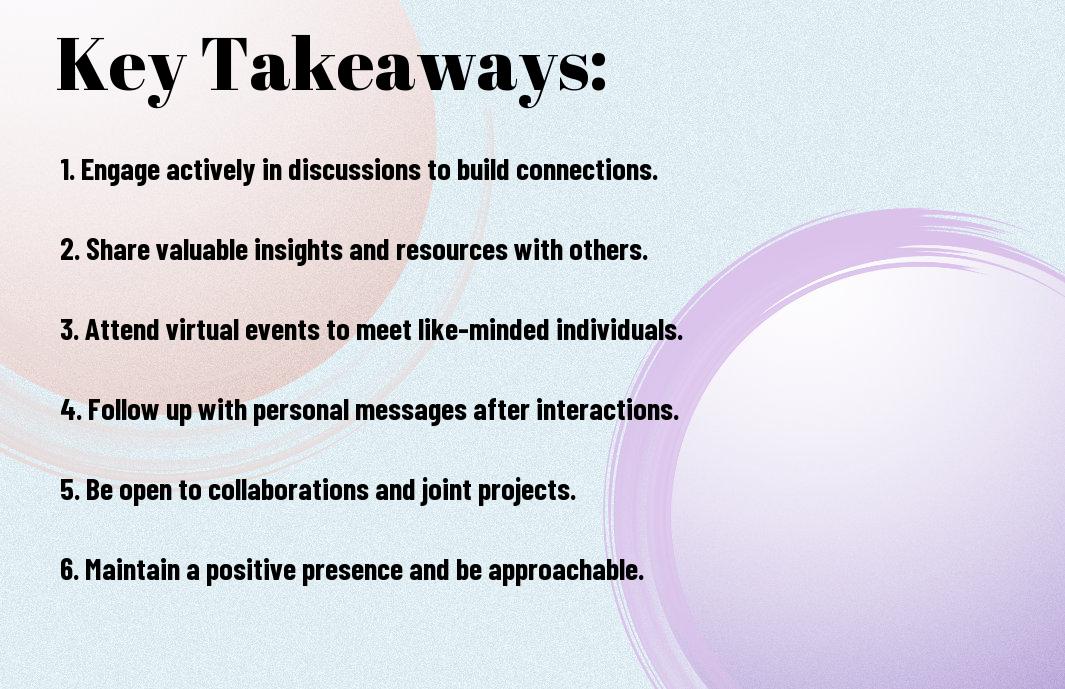
Key Takeaways:
To effectively navigate and benefit from online learning communities, consider the following points:
- Establish a strong online presence by creating a professional profile, including a profile picture and bio that showcases your interests and expertise.
- Be an active participant in discussions, engaging with others by asking questions, sharing relevant experiences, and providing helpful feedback to foster meaningful connections.
- Utilize keyword searches to find and join groups or forums related to your field of study or interest, allowing you to connect with like-minded individuals and stay updated on industry trends.
- Develop effective communication skills for online interactions, including clear and concise writing, active listening, and empathy, to build trust and rapport with fellow community members.
- Leverage online networking tools such as video conferencing, messaging apps, and collaboration software to facilitate interactions, share resources, and work on projects with others in the community.
Getting Started
A key aspect of networking in online learning communities is to begin by understanding the benefits and opportunities they offer. You will be able to connect with peers, instructors, and professionals in your field, which can lead to valuable relationships and opportunities.
Finding Online Learning Communities
Behind the scenes of many online courses and educational platforms, there are dedicated communities where you can engage with others. You can search for online forums, social media groups, and specialized platforms related to your field of study to find these communities.
Creating a Professional Online Presence
Learning to present yourself professionally online is imperative for making a good impression in online learning communities. You should ensure your social media profiles and online profiles are complete, consistent, and professional, as they will be visible to your peers and potential employers.
For instance, you can start by creating a LinkedIn profile, which will allow you to showcase your skills, experience, and education. You can also use other platforms like Twitter or Academia.edu to share your thoughts, engage with others, and establish yourself as an expert in your field. By doing so, you will be able to build your professional online presence and increase your visibility in online learning communities.
Building Relationships
The key to networking in online learning communities is to establish meaningful connections with your peers. You can achieve this by being an active participant, sharing your thoughts and ideas, and showing genuine interest in others. As you engage with your fellow learners, you will start to build relationships that can benefit your academic and professional career.
Engaging with Others in Online Discussions
Around the virtual classroom, you will find numerous opportunities to interact with your peers through discussion forums and live chats. You can start by introducing yourself, sharing your thoughts on a particular topic, and responding to others’ comments. This will help you get to know your fellow learners and establish a presence in the online community.
Participating in Group Projects and Activities
Participating in collaborative activities is an excellent way to network with your peers. You will be working together to achieve a common goal, sharing ideas, and learning from each other’s strengths and weaknesses. This will not only help you develop vital teamwork skills but also expand your professional network.
Online group projects and activities provide you with the opportunity to showcase your skills and expertise, and you can leverage this to build your personal brand. As you work with your team, you can identify potential mentors, collaborators, or even future business partners, and you can start building relationships that can benefit your career. You can also use these opportunities to learn from others, gain new insights, and develop new skills, which will help you become a more competitive professional in your field.
Effective Communication
Your ability to communicate effectively is vital in online learning communities, and you can learn more about it by checking out 6 Networking Tips for Online Learners to improve your skills.
Active Listening and Responding
Efficiently, you will be able to engage with others when you practice active listening and responding, which helps to build meaningful relationships in online communities.
Clear and Concise Writing
Among the key aspects of effective communication is writing clearly and concisely, allowing you to convey your thoughts and ideas in a way that others can easily understand.
Also, when you write clearly and concisely, you will be able to avoid misunderstandings and ensure that your message is conveyed effectively, which is especially important in online learning communities where nonverbal cues are absent.
Networking Strategies
Once again, developing a strong network is imperative in online learning communities. You can learn more about building a learning community by visiting A Complete Guide to Building Your Online Learning Community to enhance your networking skills.
Identifying Key Contacts and Influencers
Around the online learning community, you will find key contacts and influencers who can help you achieve your goals, and it’s up to you to identify them and start engaging with their content.
Building Meaningful Connections
About the connections you make, it’s not just about the number of people you meet, but about the quality of relationships you build, and you should focus on finding common interests and shared goals to establish a strong foundation.
Even as you build these connections, you will start to see opportunities for collaboration and mutual support, and you can leverage these relationships to gain new insights, access valuable resources, and stay motivated throughout your learning journey, and you will be able to achieve your goals more efficiently.
Overcoming Challenges
Keep in mind that online learning communities can present unique challenges, but with the right strategies, you can overcome them and achieve your goals. You will encounter obstacles, but staying focused and motivated is key to success.
Dealing with Technical Issues and Distractions
For instance, you may face technical difficulties or distractions that hinder your learning experience. You can minimize these issues by ensuring a stable internet connection and creating a conducive learning environment that fosters productivity.
Managing Time and Staying Motivated
Around the clock, you have the flexibility to learn at your own pace, but this also means you need to be disciplined in managing your time. You should establish a schedule and stick to it to stay on track and motivated.
At the heart of managing your time and staying motivated is setting clear goals and tracking your progress. You can break down larger goals into smaller, achievable tasks, and celebrate your successes along the way, which will help you stay engaged and motivated throughout your online learning journey.

Maintaining Momentum
Despite the initial excitement of joining online learning communities, it’s easy to lose steam over time. You must make a conscious effort to stay engaged and motivated to get the most out of your experience.
Setting Goals and Tracking Progress
On a regular basis, you should set specific, achievable goals for yourself and track your progress. This will help you stay focused and driven, as you work towards your objectives in the online learning community.
Continuously Learning and Improving
The key to maintaining momentum is to continuously update your skills and knowledge. You should always be looking for new ways to improve and expand your understanding of the subject matter, and be open to learning from others in the community.
Even as you become more confident in your abilities, you should continue to seek out new challenges and learning opportunities. This will help you stay engaged and motivated, and ensure that you get the most out of your experience in the online learning community. You will be able to apply your new skills and knowledge in practical ways, and share your expertise with others, further solidifying your position within the community.
Final Words
To wrap up, you have now gained insights into effective networking in online learning communities. You can leverage these skills to expand your professional network, access valuable resources, and enhance your learning experience. By actively participating in discussions and engaging with your peers, you will be able to build meaningful connections that can benefit your academic and professional pursuits. Your ability to navigate online communities will undoubtedly enrich your learning journey.
FAQ
Q: What are the benefits of networking in online learning communities?
A: Networking in online learning communities offers numerous benefits, including access to a vast pool of knowledge and expertise, opportunities for collaboration and feedback, and the ability to connect with peers and instructors from diverse backgrounds. By participating in online discussions, sharing resources, and engaging with others, you can broaden your understanding of the subject matter, gain new insights, and develop valuable skills that can enhance your academic and professional growth.
Q: How can I effectively introduce myself and establish a strong presence in online learning communities?
A: To establish a strong presence in online learning communities, start by creating a complete and professional profile, including a profile picture, bio, and contact information. When introducing yourself, be clear and concise, and highlight your interests, goals, and relevant experience. Engage with others by responding to posts, asking thoughtful questions, and sharing relevant resources. Be respectful, open-minded, and willing to learn from others, and always follow community guidelines and etiquette to maintain a positive and respectful online presence.
Q: What strategies can I use to build meaningful relationships and maintain connections with others in online learning communities?
A: To build meaningful relationships and maintain connections with others in online learning communities, focus on being consistent, responsive, and genuine in your interactions. Participate regularly in discussions, offer help and support when needed, and show appreciation for others’ contributions. Use private messaging or video conferencing tools to connect with peers and instructors on a more personal level, and consider collaborating on projects or study groups to deepen your relationships. By being proactive, empathetic, and committed to ongoing learning and growth, you can foster strong, lasting connections with others in online learning communities and enhance your overall learning experience.