You’re embracing the shift to online learning, and you want to make it a success. As you navigate this new landscape, you’ll need to adapt your approach to learning. Your goal is to create a seamless transition, and with the right strategies, you can achieve it. You’ll learn how to leverage technology, manage your time effectively, and stay engaged in online courses, ensuring your educational journey remains uninterrupted and productive. Your path to online learning starts here.
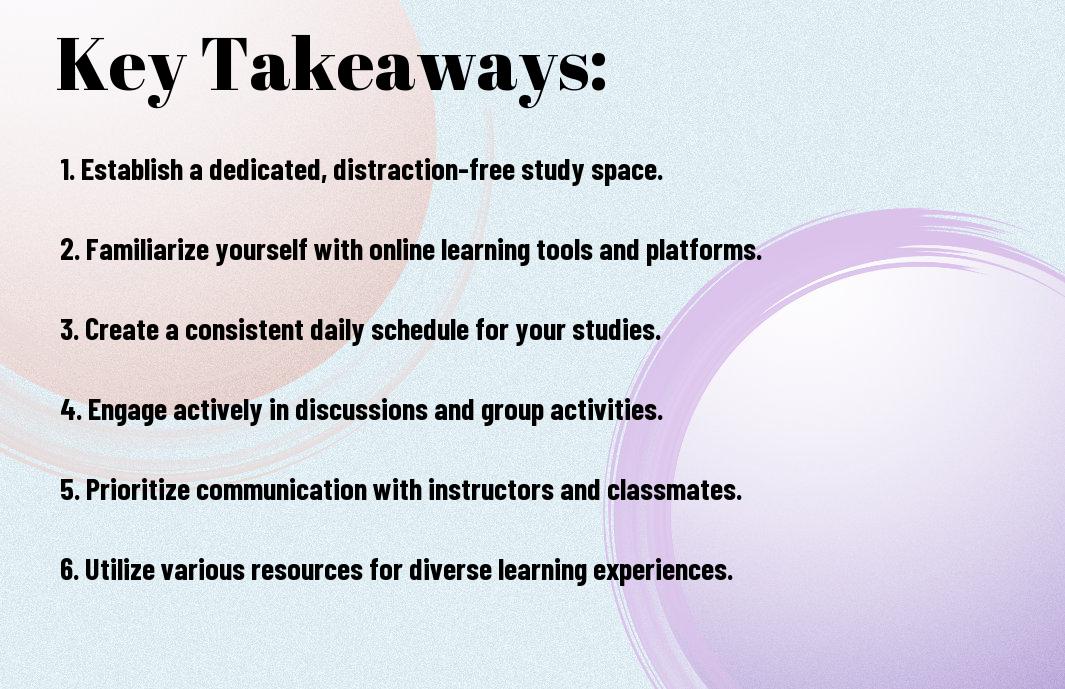
Key Takeaways:
To ensure a smooth transition to online learning, consider the following points:
- Develop a Flexible mindset and be open to new teaching methods and technologies to facilitate effective online learning.
- Establish a Structured schedule to maintain organization and consistency in the online learning environment, setting clear expectations for students and instructors.
- Utilize Interactive tools and multimedia resources to create engaging online lessons, promoting student participation and Collaboration.
- Focus on Personalized learning approaches, using data and analytics to tailor instruction to individual students’ needs and abilities in the online setting.
- Leverage Supportive resources, such as online forums and technical support, to ensure students and instructors have the help they need to succeed in the online learning environment.
Preparing for Online Learning
A successful transition to online learning requires careful planning, as outlined in Ten strategies for a successful transition to remote learning, to ensure a seamless experience.
Setting Up Your Digital Workspace
Across various devices and platforms, you will need to set up your digital workspace to facilitate online learning, ensuring you have the necessary tools and software to participate effectively.
Familiarizing Yourself with Online Platforms
By exploring the online platforms and tools used in your course, you can gain a better understanding of how to navigate and utilize them to your advantage, making your online learning experience more efficient.
Learning the ins and outs of online platforms will enable you to access course materials, submit assignments, and engage with your instructors and peers with ease, allowing you to focus on your academic goals and make the most of your online learning experience, as you become more comfortable using your digital workspace and online platforms, you will be able to adapt to the online learning environment with confidence.
Effective Time Management
Clearly, managing your time effectively is vital to succeed in online learning, as you will be responsible for creating your own schedule and staying on track with your coursework, which can be challenging without a traditional classroom structure.
Creating a Schedule
Above all, establishing a routine is vital, so you should create a schedule that outlines your daily and weekly tasks, including dedicated blocks of time for studying, attending virtual classes, and completing assignments, allowing you to stay organized and focused.
Minimizing Distractions
To optimize your learning experience, you need to eliminate distractions, such as turning off notifications on your phone or finding a quiet workspace, which will help you stay concentrated on your studies and make the most of your time.
According to your learning style, you can also use various tools and techniques to minimize distractions, such as website blockers or apps that help you stay focused, and by doing so, you will be able to maintain your productivity and achieve your academic goals.
Staying Engaged and Motivated
To maintain your momentum in online learning, it’s necessary to establish a routine and stick to it. You’ll need to stay focused and motivated to achieve your goals, and this requires discipline and dedication. Your ability to adapt to the online learning environment will play a significant role in your success.
Setting Goals and Rewards
Beneath the surface of online learning lies a wealth of opportunities for growth, and setting specific goals and rewards for yourself will help you stay on track. You can set daily or weekly targets, and reward yourself when you achieve them, helping you to stay motivated and engaged throughout your online learning journey.
Finding Online Communities and Support
By connecting with other online learners, you can build a support network that will help you navigate the challenges of online learning. You can join online forums, discussion groups, or social media communities to interact with fellow learners and get help when you need it, making your online learning experience more enjoyable and productive.
Consequently, as you become more engaged with online communities and support networks, you’ll find that your learning experience becomes more enjoyable and rewarding. You’ll have access to a wealth of resources, including study groups, webinars, and online mentors, which will help you to overcome obstacles and achieve your learning objectives, and you’ll be able to share your own knowledge and experience with others, reinforcing your own understanding and staying motivated to continue learning.
Navigating Online Course Materials
Your transition to online learning will involve exploring various digital resources, and you can learn more about how to successfully move your child to online school by visiting relevant websites.
Accessing Digital Textbooks and Resources
Besides getting familiar with the online platform, you will need to access digital textbooks and resources, which are often available through the learning management system or online library.
Using Online Tools and Software
Below the surface of online learning, you will find a variety of tools and software that facilitate collaboration, communication, and engagement, such as discussion forums, video conferencing, and screen sharing.
And as you become more comfortable with these tools, you will be able to use them to enhance your learning experience, participate in virtual discussions, and submit assignments with ease, making your transition to online learning seamless and effective.

Communicating with Instructors and Peers
Once again, effective communication is key to a successful online learning experience. You will need to communicate with your instructors and peers through various digital channels, which can be a new experience for you. You should be prepared to adapt to this new way of communicating and make the most out of it.
Email and Messaging Etiquette
Across various online platforms, you will be using email and messaging tools to communicate with your instructors and peers. You should be aware of the etiquette and best practices for using these tools, such as using clear and concise language, including a clear subject line, and being respectful in your tone.
Participating in Online Discussions
About the online discussions, you should be prepared to engage with your peers and instructors through online forums and discussions boards. You will need to actively participate in these discussions, share your thoughts and ideas, and respond to others in a timely and thoughtful manner.
Online discussions are an crucial part of your online learning experience, and you should take them seriously. You will be able to learn from others, share your knowledge and experiences, and develop your critical thinking and communication skills. By participating in online discussions, you will be able to engage with the course material on a deeper level and gain a better understanding of the subject matter, which will ultimately enhance your overall learning experience. You should also be mindful of your online presence and ensure that your contributions are respectful, informative, and engaging.
Overcoming Common Challenges
Now that you’ve begun your online learning journey, you’ll likely encounter various obstacles that can hinder your progress. You’ll need to develop strategies to overcome these challenges and stay on track.
Technical Issues and Troubleshooting
Commonly, difficulties with technology can disrupt your learning experience. You can troubleshoot issues by checking your internet connection, updating software, and contacting technical support when needed, ensuring you can quickly get back to your studies.
Staying Organized and Managing Stress
Fortunately, you can maintain a healthy balance between your online coursework and daily life by prioritizing tasks, setting realistic goals, and taking regular breaks to manage your time effectively and reduce stress.
This approach will help you stay focused and motivated, allowing you to make the most of your online learning experience. You can achieve this by creating a schedule, dedicating a specific workspace, and minimizing distractions, ultimately helping you to successfully navigate the challenges of online learning and reach your academic goals.
Conclusion
Ultimately, you can transition to online learning seamlessly by being open to new technologies and strategies. You will find that your learning experience is enhanced when you take advantage of the flexibility and resources offered by online learning platforms. By staying organized and committed, you can achieve your academic goals and make the most of your online learning experience, adapting your approach as you navigate this new environment and leveraging its benefits to meet your needs.
FAQ
Q: What are the initial steps I should take to prepare for a seamless transition to online learning?
A: To ensure a smooth transition to online learning, start by familiarizing yourself with the online learning platform and its features. This includes understanding how to navigate through the platform, accessing course materials, and using communication tools such as discussion forums and video conferencing software. Additionally, establish a dedicated learning space with minimal distractions and ensure your device meets the technical requirements for online learning. It’s also necessary to develop a schedule and stick to it, setting aside dedicated time for learning and engaging with course content.
Q: How can I effectively manage my time and stay organized in an online learning environment?
A: Effective time management is key to success in online learning. Start by creating a study routine that balances online coursework with other responsibilities. Utilize digital calendars or planners to keep track of assignments, deadlines, and virtual meetings. Break down larger tasks into smaller, manageable chunks, and prioritize tasks based on their importance and urgency. Regularly check the online learning platform for updates, announcements, and feedback from instructors. Furthermore, establish open communication with your instructor and peers to clarify any doubts or concerns, and seek help when needed to stay on track.
Q: What strategies can I use to stay engaged and motivated throughout my online learning journey?
A: Staying engaged and motivated is vital for achieving success in online learning. One strategy is to set clear, achievable goals for each course or module, and celebrate your progress along the way. Actively participate in online discussions, sharing your thoughts and insights, and engaging with your peers’ contributions. Seek out additional resources, such as online tutorials or educational videos, to deepen your understanding of the subject matter. Moreover, find ways to apply what you’re learning to real-life situations, making the learning experience more meaningful and relevant. Lastly, maintain a healthy work-life balance, taking breaks and practicing self-care to avoid burnout and maintain your motivation throughout the course.