
How Online Education Enhances Collaboration Skills

As you engage with online education, you’ll discover that it offers a unique opportunity to develop your collaboration skills. You’ll learn to work effectively with others from diverse backgrounds, sharing ideas and perspectives through digital platforms. Your ability to communicate, negotiate, and solve problems together will improve, preparing you for success in today’s interconnected world. By leveraging online education, you can enhance your collaboration skills and become a more effective team player.

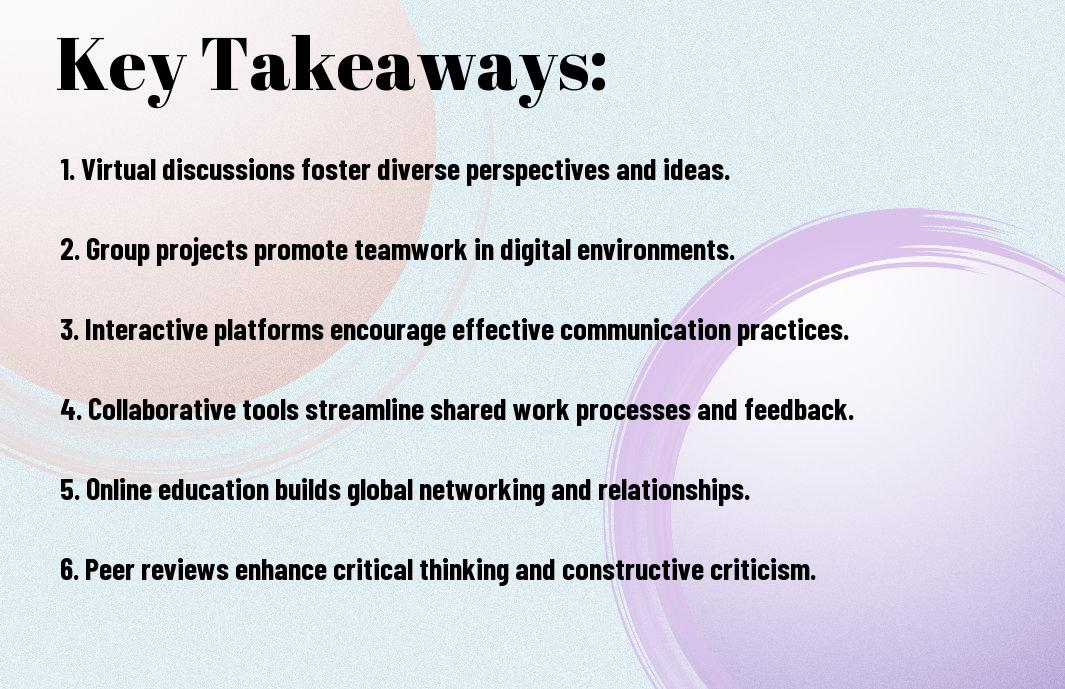
Key Takeaways:

  • Online education promotes Effective Communication among students, instructors, and peers through various digital platforms, fostering a sense of community and teamwork.
  • Through online discussions and Group Projects, students develop Problem-Solving skills, learning to collaborate and work towards a common goal.
  • Online learning environments provide opportunities for students to engage in Peer Review and feedback, helping to refine their work and develop a growth mindset.
  • Online education encourages Self-Directed Learning, allowing students to take ownership of their learning and develop time management skills, which are important for successful collaboration.
  • By leveraging Digital Tools and platforms, online education enables students to collaborate with peers from diverse backgrounds and locations, preparing them for a global and interconnected workforce.

The Rise of Online Education

While the concept of online education has been around for decades, its popularity has grown exponentially in recent years, and you are now part of a global community that values flexibility and accessibility in learning.

Increasing Accessibility

Above all, online education provides you with the opportunity to access courses and degree programs from institutions worldwide, breaking geographical barriers and allowing you to learn from the comfort of your own space.

Diverse Learning Environments

By leveraging technology, online education creates an environment where you can interact with peers from diverse backgrounds, fostering a unique learning experience that prepares you for a globalized workforce.

At the heart of online education’s success lies its ability to cater to different learning styles, and as you engage with various digital tools and platforms, you will discover that your learning experience is tailored to your individual needs, making it more effective and enjoyable.

Breaking Down Barriers

It is evident that online education platforms facilitate collaboration by providing you with resources like Enhancing Collaboration and Support with Online Learning Communities, which help you connect with peers worldwide.

Global Connections

Towards expanding your network, you can engage in online discussions, share ideas, and learn from others across the globe, fostering your ability to work with diverse groups.

Cultural Exchange

Behind the success of online education lies the opportunity for you to experience various cultural perspectives, broadening your understanding of different customs and traditions.

For instance, as you participate in online group projects, you will encounter people from different backgrounds, allowing you to appreciate the nuances of communication and collaboration in a multicultural setting, which will enhance your ability to navigate complex team dynamics and contribute to your growth as a collaborative individual.

Effective Communication Tools

Your ability to collaborate effectively in an online setting relies heavily on the tools you use, and the right tools can make all the difference in facilitating seamless communication and teamwork.

Video Conferencing

Following the initial stages of online course introduction, you will likely utilize video conferencing to engage with your peers and instructors, allowing you to participate in discussions and presentations in real-time.

Collaborative Software

Between various online platforms and tools, you can access a wide range of collaborative software designed to enhance your teamwork and communication skills, enabling you to work together on projects and share resources efficiently.

Conferencing and collaborative software enable you to interact with your team members and track progress on shared projects, allowing you to adjust your approach as needed to ensure the successful completion of assignments, and you can use these tools to clarify any doubts or questions you may have, getting feedback from your peers and instructors in a timely manner.

Developing Essential Skills

Now that you’re engaged in online education, you can enhance your collaboration skills through various interactive tools and platforms, allowing you to work effectively with others and achieve common goals.

Teamwork and Problem-Solving

Between collaborating on projects and participating in discussions, you will develop strong teamwork and problem-solving skills, enabling you to analyze problems from different perspectives and find innovative solutions.

Adaptability and Time Management

With the flexibility of online education, you can balance your schedule and prioritize tasks, allowing you to adapt to new situations and manage your time more efficiently.

Developing your adaptability and time management skills will enable you to navigate through complex projects and multiple deadlines, ensuring you meet your goals and deliver quality work, as you become more self-directed and motivated in your learning journey, you will be better equipped to handle the demands of online collaboration.

Overcoming Challenges

Despite the numerous benefits of online education, you will inevitably face obstacles that can hinder your collaborative efforts. As you navigate online learning platforms, you will need to develop strategies to overcome these challenges and maintain effective collaboration with your peers.

Technical Issues

Around the clock, technical problems can arise, disrupting your online learning experience and collaborative activities. You should be prepared to troubleshoot common issues, such as connectivity problems or software compatibility, to minimize their impact on your collaborative work.

Social Isolation

Any feelings of loneliness or disconnection can be mitigated by actively engaging with your online community, participating in discussions, and sharing your thoughts and ideas with your peers. You can also use video conferencing tools to connect with your teammates and instructors, helping to build stronger relationships and a sense of belonging.

Social isolation can be a significant challenge in online education, but you can take steps to overcome it. By being proactive and taking the initiative to connect with your peers, you can build a strong support network and stay motivated throughout your online learning journey. You can also use social media platforms and online forums to expand your professional network and engage with like-minded individuals, further enhancing your collaborative skills and knowledge.

Real-World Applications

Unlike traditional classroom settings, online education provides you with the flexibility to collaborate with peers from diverse backgrounds, preparing you for real-world scenarios where teamwork and communication are necessary.

Professional Networking

Realistically, you will find that online education platforms offer numerous opportunities to connect with professionals in your field, enabling you to build a strong network that can benefit your future career.

Entrepreneurial Opportunities

Professionally, you can leverage online education to develop skills that can be applied to entrepreneurial ventures, allowing you to turn your ideas into successful businesses and pursue your passions.

This entrepreneurial spirit can be further nurtured through online courses and collaborations, where you can test your ideas, gather feedback, and refine your approach, ultimately leading to the creation of innovative solutions and products that can disrupt markets and improve lives, and as you progress, you will find that your online education has provided you with the foundation to succeed in your entrepreneurial endeavors.
Final Words

To wrap up, you can enhance your collaboration skills through online education, which provides a flexible and interactive environment. As you engage in online learning, you develop your ability to work effectively with others. You can explore Strategies for Online Education: Collaborative Work & Discussions to improve your teamwork and communication skills, ultimately enriching your online learning experience and preparing you for success in your personal and professional endeavors.

FAQ

Q: How does online education facilitate collaboration among students from diverse backgrounds?

A: Online education provides a platform for students from different parts of the world to interact and collaborate on various projects and assignments. This helps to foster a sense of community and promotes cross-cultural understanding, as students learn from each other’s perspectives and experiences. Through online discussions, group projects, and shared workspaces, students can develop crucial collaboration skills, such as communication, problem-solving, and conflict resolution, which are valuable in both academic and professional settings.

Q: What tools and technologies are used in online education to enhance collaboration among students?

A: Online education utilizes a range of tools and technologies to facilitate collaboration, including learning management systems, video conferencing software, online discussion forums, and collaborative document editing tools. These tools enable students to work together on projects, share resources, and provide feedback to one another in real-time. Additionally, social media platforms and online communities can be used to facilitate networking and collaboration among students, allowing them to connect with peers who share similar interests and goals.

Q: How can online education help students develop the collaboration skills required in the modern workplace?

A: Online education can help students develop the collaboration skills required in the modern workplace by providing opportunities for them to work on real-world projects, participate in virtual team meetings, and engage in peer-to-peer feedback and review. Through these experiences, students can develop skills such as teamwork, leadership, and time management, which are highly valued by employers. Furthermore, online education can help students develop the ability to work independently and as part of a distributed team, which is becoming increasingly common in today’s globalized and remote work environment.

How to Prepare for a Career Using Online Courses

You’re taking the first step towards advancing your career by considering online courses. As you explore your options, you’ll find that online learning can be a game-changer. According to experts, How Online Learning Can Prepare You For A Career Change is a viable path. You can acquire new skills, enhance your knowledge, and increase your chances of success in your desired field. Your career preparation starts here, and this guide will walk you through the process.

Key Takeaways:

To effectively prepare for a career using online courses, consider the following points:

  • Develop in-demand skills by taking online courses that focus on emerging trends and technologies in your desired field, enhancing your chances of getting hired.
  • Choose online courses that offer hands-on experience and practical applications, allowing you to apply theoretical knowledge to real-world scenarios and build a portfolio of work.
  • Utilize online learning platforms that provide flexible scheduling and self-paced learning, enabling you to balance coursework with other responsibilities and learn at your own pace.
  • Focus on specialized courses that cater to your career goals, and consider obtaining certifications or credentials that demonstrate your expertise and commitment to potential employers.
  • Leverage online communities and networking opportunities to connect with professionals in your field, gain valuable insights, and stay updated on industry developments that can inform your career decisions.

Getting Started with Online Courses

Before submerging into the world of online courses, you need to understand your motivations and what you hope to achieve. You’ll want to explore the various options available and determine which courses align with your career aspirations. This initial step will help you create a solid foundation for your online learning journey, allowing you to make the most of your time and resources.

Finding the Right Online Platform

Some online platforms offer a wide range of courses, while others specialize in specific areas. You’ll need to research and compare different platforms to find the one that best fits your needs and goals. Consider factors such as course content, pricing, and flexibility to ensure you find a platform that supports your learning style and career objectives.

Setting Career Goals and Objectives

There’s no one-size-fits-all approach to setting career goals, and you’ll need to tailor your objectives to your unique situation and aspirations. You’ll want to consider what you want to achieve through online courses, whether it’s to enhance your skills, transition to a new field, or advance in your current career. Take the time to reflect on your strengths, weaknesses, and interests to set meaningful and achievable goals.

Setting clear career goals and objectives is crucial to getting the most out of online courses. You’ll want to think about what you want to achieve in the short-term and long-term, and how online courses can help you get there. By establishing a clear direction, you’ll be able to focus your efforts, prioritize your time, and make informed decisions about which courses to take, ensuring that your online learning experience is productive and effective in supporting your career aspirations.

Key Factors to Consider

It is imperative to consider several factors when preparing for a career using online courses. You should look at the following:

  • Course duration
  • Cost

For more information, visit The 15 Best Online Courses To Get You a Job. The key to success lies in making informed decisions.

Understanding Your Learning Style

Only by recognizing your own strengths and weaknesses can you choose the most suitable online courses for your needs, allowing you to learn more effectively and achieve your career goals.

Identifying Essential Skills for Your Career

Understanding what skills are required for your desired career is vital, as it enables you to focus on relevant courses and training, increasing your chances of success in the job market.

Plus, identifying imperative skills for your career helps you to create a personalized learning plan, ensuring that you acquire the knowledge and abilities needed to stand out in your chosen field, and you can confidently apply for jobs, knowing that you have the necessary skills to excel in your career.

How-to Guide to Choosing Relevant Courses

For a successful career, you need to choose online courses that align with your goals and interests. You can start by exploring various course platforms and reading descriptions to find the best fit for your needs.

Researching Course Content and Outcomes

Similarly, for effective learning, you should investigate what each course covers and what you can achieve after completion, ensuring it meets your career objectives.

Evaluating Course Reviews and Ratings

Certainly, course credibility is vital, so you should check what other learners say about their experience and assess the overall rating to make an informed decision about your course selection.

With this information, you can get a sense of the course’s strengths and weaknesses, allowing you to choose a high-quality course that will help you achieve your career goals, and you will be able to make the most out of your online learning experience, making progress towards your desired career path.

Tips for Effective Online Learning

To achieve success in online courses, you should consider the following tips:

  • Setting goals
  • Creating a schedule

. Knowing these tips will help you to stay on track and get the most out of your online learning experience.

Creating a Study Schedule and Sticking to It

Studying regularly is crucial to your success in online courses. You can create a schedule that fits your needs and helps you stay organized, ensuring you complete all coursework on time.

Engaging with Course Materials and Instructors

Constructing a strong connection with your course materials and instructors is vital. You can achieve this by actively participating in discussions, asking questions, and seeking feedback on your performance.

Engaging with your course materials and instructors will help you to better understand the subject matter and stay motivated throughout the course. You can also use this opportunity to network with your instructors and peers, potentially opening up new career opportunities for you.

Overcoming Common Challenges

All online learners face challenges, but with the right mindset, you can overcome them and achieve your career goals using online courses.

Staying Motivated and Avoiding Procrastination

Assuming you have set clear goals, you will find it easier to stay motivated and avoid procrastination, focusing on the benefits of online learning to drive your progress.

Managing Time and Balancing Responsibilities

Common obstacles to online learning include managing your time effectively and balancing responsibilities, requiring you to prioritize your tasks and create a schedule that works for you.

Responsibilities such as work, family, and social commitments can compete for your attention, but by allocating specific times for learning and sticking to your plan, you can balance your responsibilities and make steady progress in your online courses, helping you to stay on track and achieve your career objectives.

Measuring Progress and Success

Not only is it imperative to set goals, but also to track your progress. You will be able to see how far you’ve come and make adjustments as needed.

Tracking Course Completion and Certification

The most straightforward way to measure progress is by tracking your course completion and certification. You can use online platforms to monitor your progress and receive certificates upon completion.

Applying New Skills in Real-World Scenarios

The ability to apply new skills in real-world scenarios is a key indicator of success. You will be able to test your knowledge and gain practical experience.

A key aspect of applying new skills is to start small and build your way up. You can begin by tackling small projects or tasks, and as you gain confidence and experience, you can move on to more complex challenges. This will help you to refine your skills and gain a deeper understanding of the subject matter, enabling you to make a more significant impact in your chosen field.

Final Words

With these considerations, you can effectively prepare for a career using online courses. You will be able to enhance your skills and knowledge, making your profile more attractive to potential employers. By utilizing online courses, you can take control of your learning and stay ahead in your field, shaping your career path to suit your aspirations and goals, and ultimately achieving your professional objectives with ease and confidence, leveraging your new skills to boost your career prospects and secure your desired job.

FAQ

Q: What are the benefits of using online courses to prepare for a career?

A: Using online courses to prepare for a career offers numerous benefits, including flexibility, affordability, and accessibility. Online courses allow individuals to learn at their own pace, from anywhere, and at any time, making it easier to balance learning with other responsibilities. Additionally, online courses often cost less than traditional classroom courses, and many platforms offer financial aid or scholarships. This makes high-quality education more accessible to people worldwide, regardless of their location or financial situation.

Q: How can I choose the right online courses to help me prepare for my desired career?

A: Choosing the right online courses involves several steps. First, identify the skills and knowledge required for your desired career by researching job descriptions and industry requirements. Then, look for courses that align with these needs, and consider factors such as the course provider’s reputation, the curriculum, and any available certifications upon completion. It’s also important to read reviews and testimonials from past students to get an idea of the course’s effectiveness and support. Utilizing platforms that offer career guidance and course recommendations can also help narrow down your options.

Q: How can I ensure that the skills I learn from online courses are recognized by potential employers?

A: To ensure that the skills you learn from online courses are recognized by potential employers, it’s imperative to choose courses that are accredited by recognized institutions or professional bodies in your field. Look for courses that offer certifications or badges that can be verified by employers. Additionally, many online platforms now partner with top companies to offer courses that are directly relevant to job requirements. Including these certifications and the skills you’ve learned in your resume, cover letter, and during interviews can help demonstrate your capabilities to potential employers. Furthermore, building a portfolio that showcases projects completed during your online courses can provide tangible evidence of your competence.

How Online Learning Makes Education Accessible Everywhere

As you explore the world of education, you’ll find that online learning has revolutionized the way you access knowledge. With online learning, you can acquire new skills and expand your knowledge from anywhere, at any time. Your location is no longer a barrier to receiving a quality education, as you can now connect with top institutions and instructors from around the globe. You can tailor your learning experience to fit your schedule and preferences, making education more accessible and convenient than ever.

Key Takeaways:

  • Flexible scheduling allows students to learn at their own pace, making education more accessible to those with busy schedules or living in remote areas with limited educational institutions.
  • Online courses and degree programs provide equal opportunities for students with disabilities, as they can participate in learning from the comfort of their own homes.
  • Diverse educational resources and materials are available online, catering to different learning styles and preferences, and enabling students to access a wide range of subjects and topics.
  • Affordable online education options reduce the financial burden on students, making higher education more accessible to people from all walks of life.
  • Global connectivity enables students to collaborate and interact with peers from different countries and cultures, fostering a more inclusive and international learning environment.

Breaking Down Barriers

The advent of online learning has revolutionized the way you access education, making it possible for you to learn from anywhere in the world.

Geographic limitations

Across the globe, you can now access educational resources that were previously out of reach, thanks to online learning platforms that bridge the gap between you and your desired courses.

Socioeconomic divides

Similarly, geographic constraints are no longer a barrier to education, as you can access online courses regardless of your location or financial situation, giving you equal opportunities to learn and grow.

It is worth noting that socioeconomic divides are also addressed through online learning, as you can access high-quality educational resources at a lower cost, making it possible for you to pursue your educational goals without financial burdens, and you can learn at your own pace, allowing you to balance your education with other aspects of your life.

Accessibility Features

If you’re considering online learning, you’ll appreciate the various accessibility features that make education more inclusive. These features enable you to participate in learning from anywhere, at any time, and cater to your individual needs.

Flexible scheduling

To tailor your learning experience, online platforms offer flexible scheduling options, allowing you to balance your academic and personal responsibilities. You can create a schedule that suits your lifestyle, ensuring you can complete coursework and assignments at your own pace.

Personalized learning

Accessibility-wise, you can benefit from personalized learning paths that cater to your learning style and abilities. You can focus on areas where you need improvement, and your online instructor can provide targeted support to help you succeed.

Another advantage of personalized learning is that it allows you to learn at your own speed, revisiting concepts that are difficult for you and accelerating through material you grasp quickly. You can also access additional resources and support materials to reinforce your understanding, making your learning experience more effective and enjoyable.

Technological Advancements

Keep in mind that technological advancements have transformed the education landscape, making it more accessible than ever. You can learn more about How Online Schooling is Making Education Accessible for All and discover the benefits of online learning.

Virtual classrooms

For instance, you can participate in virtual classes from anywhere, at any time, as long as you have a stable internet connection, making it easier for you to manage your schedule and learn at your own pace.

Interactive tools

Above all, interactive tools such as videos, quizzes, and games make online learning more engaging and fun, allowing you to stay motivated and focused throughout your educational journey.

Another significant advantage of interactive tools is that they provide you with immediate feedback and assessment, enabling you to track your progress and identify areas where you need improvement, which helps you to adjust your learning strategy and achieve your goals more effectively.

Global Reach

Many online learning platforms have made it possible for you to access educational resources from anywhere in the world, breaking geographical barriers and expanding your learning opportunities.

International student enrollment

For instance, you can now enroll in international universities and colleges, giving you a global perspective and diverse learning experience, which can enhance your career prospects and personal growth.

Cultural exchange programs

Beneath the surface of online learning lies a world of cultural exchange programs, allowing you to interact with students from different countries and backgrounds, broadening your understanding of the world and its diverse cultures.

At the heart of these cultural exchange programs, you will find opportunities to engage in discussions, collaborate on projects, and learn from one another, fostering a sense of global community and cooperation, which can enrich your online learning experience and help you develop valuable skills for your future career.

Support Systems

Unlike traditional learning, online education provides you with various support systems. You can explore if online learning is more inclusive by visiting Is Online Learning More Inclusive? to understand its benefits.

Online mentorship

At the comfort of your own space, you can connect with mentors who guide you through your online courses, offering personalized support and feedback to enhance your learning experience.

Community engagement

One of the significant advantages of online learning is the ability to engage with a community of learners from diverse backgrounds, fostering collaboration and discussion that enriches your understanding of the subject matter.

Support from your online community can be invaluable as you navigate through your courses, providing you with a sense of belonging and motivation to succeed in your academic pursuits, and you can rely on your peers and instructors to help you overcome any challenges you may face.

Future Prospects

Not only will online learning continue to grow, but it will also become more personalized and adaptive to your needs, making education even more accessible and effective.

Emerging trends

Behind the scenes, new trends are emerging that will shape the future of online learning, and you will have access to a wide range of courses and programs tailored to your interests and career goals.

Innovative technologies

Behind the current advancements, innovative technologies such as AI and VR are being developed to enhance your online learning experience, making it more immersive and engaging.

Plus, with the integration of these technologies, you can expect to see more interactive and dynamic content, allowing you to explore complex concepts in a more intuitive and hands-on way, which will ultimately enhance your understanding and retention of the material, and you will be able to apply your knowledge in real-world situations.

Final Words

The advent of online learning has revolutionized your approach to education, making it accessible from anywhere. You can now pursue your academic goals without being constrained by geographical boundaries. Your learning experience is enhanced with flexible scheduling, allowing you to balance your responsibilities. As you launch on this journey, you will find that online learning provides unparalleled opportunities for growth and development, empowering you to achieve your full potential. You will have the ability to access a wealth of knowledge at your fingertips.

FAQ

Q: What is online learning and how does it make education accessible everywhere?

A: Online learning refers to the use of digital technologies to deliver educational content and instruction to students via the internet. This approach makes education accessible everywhere by providing students with the flexibility to learn from anywhere, at any time, as long as they have a stable internet connection. With online learning, students can access a wide range of courses, degree programs, and educational resources, regardless of their geographical location, allowing them to pursue their educational goals without being limited by physical constraints.

Q: How does online learning cater to students with different learning needs and abilities?

A: Online learning platforms often provide a range of tools and features that cater to students with different learning needs and abilities. For example, online courses may include closed captions, transcripts, and audio descriptions to support students with disabilities. Additionally, online learning platforms may offer personalized learning pathways, allowing students to learn at their own pace and focus on areas where they need improvement. This flexibility enables students to take ownership of their learning, making education more accessible and inclusive for all.

Q: What are the benefits of online learning in terms of increasing access to education for underprivileged communities?

A: Online learning has the potential to increase access to education for underprivileged communities by breaking down geographical and socio-economic barriers. By providing access to high-quality educational resources and courses, online learning can help bridge the educational gap between privileged and underprivileged communities. Moreover, online learning can be more cost-effective than traditional classroom-based instruction, making it a more affordable option for students from low-income backgrounds. This can help to promote social mobility and equality, ultimately leading to a more educated and equitable society.

What are the most popular platforms for online language learning courses

Many language enthusiasts like yourself may wonder about the best platforms for online language learning courses. In this insightful guide, we will explore the most popular and effective online platforms where you can enhance your language skills from the comfort of your home. Whether you are looking to learn Spanish, French, Mandarin, or any other language, these platforms offer a variety of resources, interactive lessons, and opportunities for practice to help you achieve your language learning goals. Let’s dive in and discover the top choices for your linguistic journey!

Key Takeaways:

  • Popular Platforms: Some of the most popular platforms for online language learning courses include Duolingo, Rosetta Stone, Babbel, and Memrise.
  • Diverse Options: These platforms offer a diverse range of languages to learn, catering to a wide audience looking to learn languages such as Spanish, French, Mandarin, and more.
  • Interactive and Engaging: Online language learning courses on these platforms often use interactive tools, games, and quizzes to engage learners and make the learning process fun and effective.

The Rise of Online Language Learning

The growing demand for language skills

An increasing interconnected world means that being multilingual is more valuable than ever before. Your ability to communicate in multiple languages can significantly enhance your career prospects, open up new opportunities for travel and cultural experiences, and improve your cognitive skills. As globalization continues to blur borders, there is a growing demand for individuals who can speak multiple languages fluently.

The shift to online learning platforms

On top of this demand for language skills, there has been a significant shift towards online learning platforms in recent years. The convenience and flexibility of being able to learn a new language from the comfort of your own home or on the go with a mobile device have made online language courses extremely popular. With the rise of e-learning, a wealth of resources is now available at your fingertips, allowing you to choose from a variety of languages, skill levels, and teaching styles to find the perfect fit for your learning needs.

Understanding the shift to online learning platforms is crucial for anyone looking to commence on a language learning journey. These platforms often provide interactive exercises, live tutoring sessions, and personalized feedback to help you progress quickly and effectively. Additionally, the gamified elements and social aspects of many online language learning courses can make the process not only educational but also enjoyable, keeping you motivated to continue your learning.

Market Leaders in Online Language Learning

Duolingo: The gamification pioneer

Some of the most popular platforms for online language learning include Duolingo, a pioneer in gamifying the language learning experience. With Duolingo, you can learn a new language in bite-sized lessons that feel more like a game than traditional learning. The app’s engaging and interactive approach helps you stay motivated as you progress through levels and earn rewards for your achievements.

Rosetta Stone: The veteran in the field

To cater to a more traditional approach, many learners turn to Rosetta Stone, a veteran in the field of language learning. With Rosetta Stone, you have access to comprehensive courses developed by linguists and educators. Their method focuses on immersion, helping you learn a new language through visual and auditory cues, without the need for translations.

Another noteworthy platform in the online language learning landscape is Babbel. Babbel offers comprehensive language courses that cover various proficiency levels and real-life scenarios. With Babbel, you can practice speaking, listening, writing, and reading in the language of your choice, making it a well-rounded option for those looking to master a new language.

Babbel: The comprehensive language course provider

Leaders in the language learning industry, Babbel combines proven educational techniques with innovative technology to create effective language courses that adapt to your learning style. With Babbel, you have access to a wide range of languages and can track your progress as you advance through the lessons. Whether you’re a beginner or an advanced learner, Babbel offers a personalized learning experience to help you achieve your language learning goals.

Specialized Platforms for Specific Languages

Once again, let’s explore into the world of online language learning platforms that cater to specific languages. Whether you are looking to brush up on your Chinese, French, or Spanish skills, these platforms offer targeted courses and resources to help you achieve your language learning goals.

Chinese language learning with HelloTalk and ChinesePod

The Chinese language can be a challenging one to learn, but with the right tools, you can make significant progress. HelloTalk is a great platform that connects you with native Chinese speakers for language exchange, allowing you to practice your skills in a real-world setting. On the other hand, ChinesePod offers a comprehensive range of audio and video lessons designed to improve your listening and speaking abilities in Mandarin.

French language learning with FluentU and French.org

Learning French can open up a whole new world of culture and communication for you. Platforms like FluentU provide engaging video content with interactive subtitles, making the learning process both fun and effective. French.org, on the other hand, offers a more traditional approach with grammar lessons, vocabulary exercises, and cultural insights to deepen your understanding of the language.

With FluentU, you can immerse yourself in French language and culture through authentic videos, while French.org provides a solid foundation in the language through its structured lessons and practice activities.

Spanish language learning with Open Culture and SpanishDict

Languages like Spanish are widely spoken and offer numerous opportunities for travel and communication. Open Culture provides a collection of free Spanish language courses from top universities around the world, allowing you to access high-quality educational content at no cost. SpanishDict, on the other hand, is a comprehensive online dictionary with grammar guides, vocabulary quizzes, and interactive learning tools to enhance your Spanish language skills.

To deepen your understanding of Spanish, you can explore the wide range of resources available on Open Culture and SpanishDict, from grammar explanations to practice exercises and real-world language examples.

Platforms Focusing on Conversational Skills

italki: Connecting learners with native speaker tutors

Keep your language learning journey engaging and fruitful by using platforms like italki, which connect you with native speaker tutors. This platform is a fantastic resource for those looking to improve their conversational skills in a foreign language. By interacting with native speakers, you not only get to practice speaking in a natural setting but also gain insights into the culture and nuances of the language.

Conversation Exchange: Language exchange and practice

Native speakers are invaluable resources when it comes to honing your conversational skills. With platforms like Conversation Exchange, you can engage in language exchange with native speakers from around the world. This approach allows you to practice speaking in a casual and relaxed setting, helping you improve your fluency and confidence in using the language.

Another benefit of using Conversation Exchange is the opportunity to make meaningful connections with speakers of your target language. Building friendships through language exchange can make your learning experience more enjoyable and effective as you practice speaking regularly with a language partner.

Tandem: Language learning through messaging and calling

Through platforms like Tandem, you can enhance your conversational skills by learning through messaging and calling with native speakers. This method allows you to practice speaking at your own pace and convenience, making it easier to fit language practice into your daily routine. Additionally, you receive immediate feedback on your pronunciation and grammar, helping you improve your speaking skills effectively.

Practice makes perfect when it comes to developing your conversational skills in a foreign language. By using platforms like Tandem, you have the opportunity to engage in regular conversations with native speakers, which is imperative for building fluency and confidence in speaking the language.

MOOCs (Massive Open Online Courses) for Language Learning

All around the world, MOOCs (Massive Open Online Courses) are revolutionizing the way we learn languages. These platforms offer a wide range of language courses taught by experts from top universities and institutions, making it easier than ever to pick up a new language or improve your existing skills.

Coursera: University-level language courses

Courses on Coursera offer university-level language instruction, allowing you to examine deep into grammar, vocabulary, and cultural nuances. With courses developed by professors from renowned universities, you can rest assured that you are getting high-quality language education. Interactive quizzes, peer-reviewed assignments, and discussion forums make the learning experience engaging and effective.

edX: Language courses from top institutions

Online, you can find language courses on edX developed by leading institutions like Harvard, MIT, and the University of Tokyo. These courses cover a wide range of languages and proficiency levels, allowing you to find the perfect fit for your learning goals. Whether you’re a beginner looking to start from scratch or an advanced learner aiming to polish your skills, edX has something for everyone.

Language learners on edX can benefit from features such as video lectures, interactive exercises, and opportunities for peer interaction. Additionally, many courses offer certificates upon completion, which can be a valuable addition to your resume or CV.

FutureLearn: Language courses with a focus on culture

Culture plays a significant role in language learning, shaping the way we communicate and interact with others. FutureLearn offers language courses that go beyond grammar and vocabulary, providing insights into the cultural contexts in which languages are used. By understanding the cultural nuances of a language, you can become a more effective and confident communicator.

Culture enriches your language learning experience, helping you appreciate the diversity of the world and the richness of human communication. FutureLearn’s courses combine language instruction with cultural insights, giving you a more holistic understanding of the language you are learning. Immerse yourself in the language and culture of your choice, and open doors to new opportunities and connections.

Niche Platforms for Specific Learning Needs

Now, if you’re looking for specialized language learning platforms that cater to specific needs, there are several options you can explore. For a comprehensive list of the best language learning apps in 2024, tested by our editors, you can check out Best language learning apps in 2024, tested by our editors.

Language learning for business with LinguaNext and Busuu

On the business front, platforms like LinguaNext and Busuu are tailored for professionals aiming to enhance their language skills for work-related purposes. LinguaNext offers specialized courses designed for corporate environments, focusing on industry-specific vocabulary and communication skills. Busuu, on the other hand, provides a platform where you can interact with native speakers and access business-focused lessons to improve your language proficiency in a professional context.

Language learning for travel with TripLingo and Learn Languages with Mondly

Mondly specializes in offering language courses that cater to travelers, helping you pick up important phrases and vocabulary to navigate your way in diverse linguistic environments. TripLingo, on the other hand, goes a step further by providing cultural insights alongside language lessons, ensuring you’re well-prepared for your travel adventures. These platforms are ideal for those looking to communicate effectively and authentically while exploring new destinations.

Language learning for travel with TripLingo and Learn Languages with Mondly:
If you’re a language learner who enjoys traveling and wants to be able to communicate effectively in various languages during your trips, platforms like TripLingo and Learn Languages with Mondly are tailored to meet your needs. These platforms offer courses that focus on practical phrases, cultural insights, and real-life scenarios to help you engage with locals and make the most of your travel experiences. Whether you’re planning a vacation or a business trip, these platforms can equip you with the language skills you need to navigate foreign environments confidently.

Language learning for kids with ABCmouse and Lingodeer

One of the best ways to introduce your child to a new language is through interactive and engaging platforms like ABCmouse and Lingodeer. ABCmouse offers a comprehensive early learning curriculum that includes language lessons in a fun and engaging format, making it an ideal choice for young learners. Lingodeer, on the other hand, is designed specifically for children and teenagers, focusing on building a strong foundation in multiple languages through interactive activities and games. These platforms make language learning enjoyable and effective for young minds.

One of the best ways to introduce your child to a new language is with platforms like ABCmouse and Lingodeer. These interactive and engaging platforms offer language lessons in a fun and educational format, making it easy for kids to learn and practice new languages. With a focus on engaging content and interactive activities, ABCmouse and Lingodeer provide a stimulating environment for children to explore different languages and cultures.

Summing up

To wrap up, when it comes to online language learning courses, some of the most popular platforms include Duolingo, Rosetta Stone, Babbel, and Lingodeer. Each of these platforms offers unique features and teaching methods to help you improve your language skills. Whether you’re a beginner or an advanced learner, there is a platform out there to suit your needs and preferences. So, if you’re looking to enhance your language abilities from the comfort of your own home, consider exploring these popular platforms and finding the one that works best for you.

Q: What are the most popular platforms for online language learning courses?

A: Some of the most popular platforms for online language learning courses include Duolingo, Babbel, Rosetta Stone, Busuu, and Memrise.

Q: How do I choose the right platform for online language learning?

A: When choosing a platform for online language learning, consider factors such as the languages offered, teaching methods, user reviews, cost, and whether the platform offers interactive features like games and quizzes.

Q: Are online language learning platforms effective?

A: Online language learning platforms can be effective for improving vocabulary, grammar, and pronunciation. However, to truly master a language, it’s important to supplement online learning with real-world practice through conversation, reading, and writing.

How do online language learning courses compare to traditional classroom-based courses

Online language learning courses offer flexibility and convenience, allowing you to study at your own pace and schedule. However, traditional classroom-based courses provide face-to-face interaction with instructors and classmates, promoting real-time communication and collaboration. In this informative analysis, you will explore the strengths and weaknesses of both approaches to language learning, helping you make an informed decision on the best method to achieve your language learning goals.

Key Takeaways:

  • Flexibility: Online language learning courses offer more flexibility in terms of study time and location compared to traditional classroom-based courses.
  • Personalized Learning: Online courses often provide personalized learning experiences through adaptive software and individual progress tracking, which may not be as easily achievable in a traditional classroom setting.
  • Interactivity: Traditional classroom-based courses provide more opportunities for in-person interaction, group activities, and immediate feedback from instructors, which can enhance the learning experience for some students.

The Rise of Online Language Learning

The Convenience Factor

Rise of the internet has transformed the way you learn languages. Online language learning courses have become increasingly popular due to their convenience. Imagine being able to enhance your language skills from the comfort of your own home, at any time that suits you. No more rushing to get to a physical classroom, you can simply log in and start your lesson with the click of a button. This flexibility is particularly beneficial for those with busy schedules or commitments that make attending traditional classes challenging.

Accessibility and Flexibility

Convenience is not the only advantage of online language courses. The accessibility and flexibility they offer are unmatched. You have the freedom to choose when and where you want to learn, fitting your language lessons around your life rather than the other way around. Whether you prefer studying in the early morning or late at night, online courses give you the flexibility to customize your learning schedule to best suit your needs.

It’s not just about the time and place either; online language courses often provide a variety of resources such as interactive exercises, quizzes, and multimedia tools that cater to different learning styles. This adaptability ensures that you can learn in a way that works best for you, helping you to make faster progress in mastering a new language.

Traditional Classroom-Based Courses

An crucial aspect of traditional classroom-based language courses is the human interaction and feedback you receive. In a physical classroom, you have real-time communication with your teacher and classmates, allowing for immediate questions, clarifications, and discussions. This direct interaction enables personalized feedback on your language skills, pronunciation, and comprehension. The ability to practice speaking and listening in a face-to-face setting offers a more dynamic and immersive learning experience than online courses.

Immersive Learning Environment

Human connection plays a vital role in creating an immersive learning environment in traditional classroom-based language courses. Being physically present in a classroom setting allows you to engage with the language through various senses. You can observe body language, facial expressions, and gestures, which are integral to communication in any language. Additionally, interacting with peers from diverse backgrounds enhances your cultural understanding and widens your perspective on language usage.

Feedback:

Furthermore, in a traditional classroom, you can benefit from instant feedback on your progress and areas needing improvement. Your teacher can observe your language proficiency firsthand and provide constructive criticism to help you grow. This personalized guidance is invaluable in honing your language skills effectively.

Language Learning Outcomes

Measuring Proficiency and Fluency

Language proficiency and fluency are crucial elements in assessing your ability to communicate effectively in a new language. Proficiency refers to your overall level of skill, while fluency indicates how smoothly and naturally you can speak and understand the language. Online language learning courses often use standardized tests like the CEFR (Common European Framework of Reference for Languages) to measure proficiency levels, offering assessments at various stages of learning to track your progress.

Comparing Results: Online vs. Traditional

When comparing the results of online language learning courses with traditional classroom-based courses, various factors come into play. Both methods can lead to significant improvements in language skills, but the approach and outcomes may differ. Below is a comparison of the outcomes between online and traditional language learning:

Online Language Learning Traditional Classroom-Based Learning
Flexible scheduling and self-paced learning Fixed class schedules and structured curriculum
Access to interactive multimedia resources Face-to-face interaction with teachers and peers
Opportunity for personalized learning experiences Immediate feedback and correction from instructors

When comparing the outcomes of online language learning courses to traditional classroom-based courses, it’s necessary to consider how each method aligns with your learning style and goals. Online courses offer flexibility and personalized learning experiences, allowing you to progress at your own pace. On the other hand, traditional classroom-based courses provide immediate feedback and real-time interaction, enhancing communication skills through face-to-face practice.

The Role of Technology in Language Learning

Interactive Tools and Resources

Technology has revolutionized language learning by providing interactive tools and resources that make the learning process engaging and effective. Online language courses offer features such as audio pronunciation guides, interactive grammar exercises, vocabulary games, and real-time feedback on your progress. These tools not only enhance your understanding of the language but also keep you motivated and actively involved in your learning.

Personalized Learning Paths

To cater to individual learning styles and preferences, online language courses offer personalized learning paths that adapt to your progress and goals. Through the use of algorithms and machine learning, these platforms can assess your strengths and weaknesses, track your performance, and recommend specific lessons or activities to help you improve. This customization ensures that you are continuously challenged at the right level and receive content that is relevant to your linguistic development.

With personalized learning paths, you can focus on areas where you need the most improvement, skip over topics you already know well, and set your own pace for learning. This tailored approach maximizes your learning efficiency and allows you to make significant strides in mastering a new language.

The Importance of Self-Motivation

Staying Engaged and Motivated Online

Keep in mind that online language learning courses require a high level of self-motivation and discipline. Without the physical presence of a teacher or classmates, it’s easy to feel disconnected at times. It’s imperative to schedule regular study times and set achievable goals to stay on track. Make use of interactive tools, online forums, and virtual language exchange partners to keep the learning experience engaging.

Building Discipline and Accountability

Any successful online language learner will tell you that building discipline is key to mastering a new language. Set a study routine and stick to it, just as you would with a traditional classroom course. Create a study space free from distractions, and hold yourself accountable for completing assignments and practicing regularly. Consider setting up a reward system for reaching language milestones to keep yourself motivated.

On top of discipline, accountability is crucial in online language learning. Since you’re in charge of your schedule and progress, it’s easy to postpone tasks or lose focus. To ensure accountability, consider joining online study groups or language learning communities. Connecting with others who share your goals can provide motivation and accountability, pushing you to stay consistent in your language learning journey.

Cost and Value Comparison

All online language learning courses require an investment of both time and money. When comparing the costs of online courses to traditional classroom-based courses, it’s imperative to consider various factors that contribute to the overall value you receive.

Breaking Down the Costs: Online vs. Traditional

Costs play a significant role in choosing between online and traditional language courses. Online courses often come at a lower price point due to savings on physical infrastructure and facilities. Additionally, you can avoid commuting expenses and have the flexibility to learn from the comfort of your home. However, traditional classroom-based courses may offer more personalized attention and real-time interaction with instructors, which can be beneficial for some learners.

Weighing the Benefits and Drawbacks

When weighing the benefits and drawbacks of online versus traditional language courses, it’s crucial to consider your learning preferences and goals. Online courses provide flexibility in terms of schedule and location, making them ideal for busy individuals or those with limited access to traditional classrooms. On the other hand, traditional classroom-based courses offer a structured learning environment and face-to-face interaction, which can enhance learning outcomes and promote better communication skills.

Another imperative factor to consider is the level of accountability and motivation you have when choosing between online and traditional language courses. While online courses offer flexibility, they may require more self-discipline to stay on track with your studies. In contrast, traditional classroom-based courses often provide a more structured learning environment with set schedules and deadlines, which can help you stay focused and committed to your language learning journey.

Final Words

Upon reflecting on how online language learning courses compare to traditional classroom-based courses, it is evident that both options have their unique advantages. Online courses offer the flexibility to learn at your own pace, anytime, and anywhere with the convenience of technology. On the other hand, traditional classroom-based courses provide opportunities for real-time interaction with teachers and peers, fostering a sense of community and accountability.

Ultimately, the choice between online and traditional learning methods comes down to your personal preferences and learning style. Whether you thrive in a structured classroom environment or prefer the freedom and independence of online learning, both options offer valuable resources to help you achieve your language learning goals. So, embrace the learning journey and explore the method that suits you best, as both online and traditional classroom-based courses can lead to success in mastering a new language.

Q: What are the main differences between online language learning courses and traditional classroom-based courses?

A: Online language learning courses offer flexibility in terms of timing and location, allowing students to learn at their own pace and convenience. On the other hand, traditional classroom-based courses have a fixed schedule and location, requiring students to attend classes in person at specific times.

Q: How do online language learning courses compare in terms of interactivity with instructors and peers?

A: Online language learning courses often provide opportunities for interaction through live chat sessions, discussion forums, and video calls with instructors and peers. While traditional classroom-based courses offer face-to-face interactions, online courses use technology to facilitate communication and collaboration among students and teachers.

Q: Which type of language learning course is more cost-effective: online or traditional classroom-based?

A: Online language learning courses are typically more cost-effective than traditional classroom-based courses due to lower overhead costs for facilities and materials. Additionally, online courses eliminate the need for commuting, saving both time and money for students. However, traditional classroom-based courses may offer a more immersive learning experience that some students find beneficial despite the higher cost.

Skip to content