Learning.

How to Make Learning Fun in Online Classes

As you navigate the world of online learning, you’re likely looking for ways to stay engaged and motivated. Your online classes can be just as enjoyable as traditional ones with the right approach. You can transform your learning experience by incorporating interactive elements, setting achievable goals, and leveraging technology to your advantage. By doing so, you’ll be able to make the most of your online classes and have a more enjoyable learning experience.

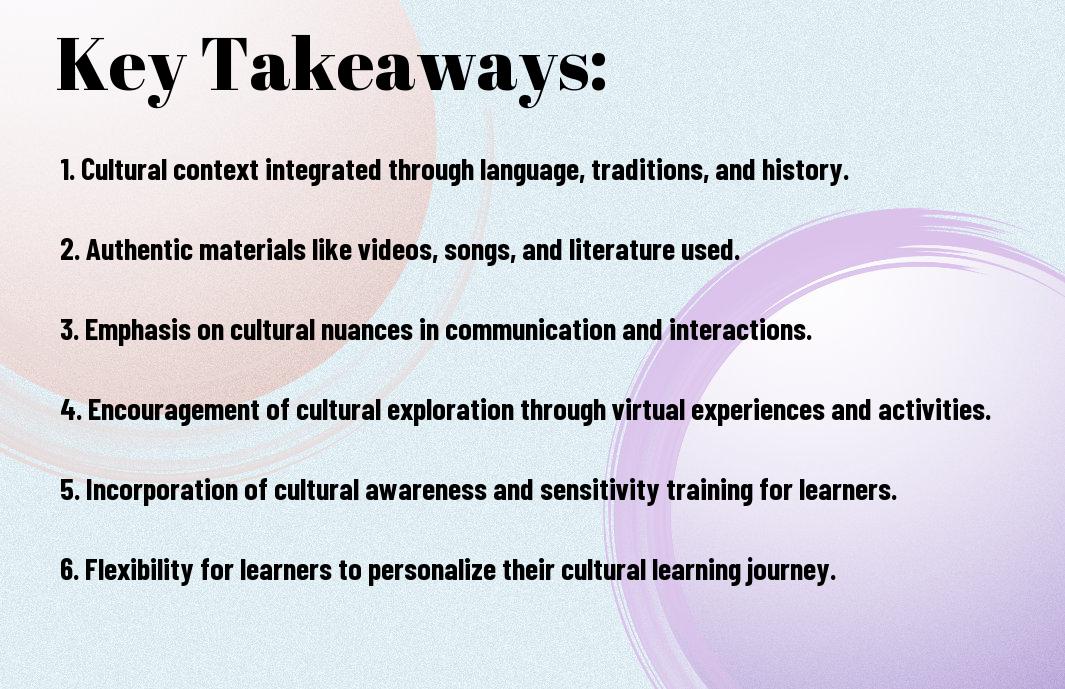
Key Takeaways:

To make learning fun in online classes, consider the following points:

  • Use engaging content to capture students’ attention, such as videos, animations, and interactive simulations, to make the learning process more enjoyable and effective.
  • Incorporate game-based learning elements, like quizzes, puzzles, and challenges, to create a competitive and motivating environment that encourages students to participate and learn.
  • Encourage collaboration and interaction among students through discussion forums, group projects, and live sessions, to foster a sense of community and belonging in the online classroom.
  • Provide personalized feedback and support to students, using tools like learning analytics and virtual office hours, to help them stay on track and motivated throughout the course.
  • Use real-world examples and practical applications to illustrate key concepts and make the learning experience more relevant and meaningful, preparing students for future careers and success.

Understanding Key Factors

Your approach to online learning should consider several factors, including:

  • student engagement
  • learning styles

The success of your online class depends on these factors.

Identifying Student Engagement

These days, engaging students in online classes is a major challenge, you need to identify the level of engagement to make learning fun.

Recognizing Individual Learning Styles

Similarly, engagement of students depends on their individual learning styles, you should recognize these styles to make your online class effective.

It is important to note that individual learning styles can be visual, auditory, or kinesthetic, and you should use a combination of these styles to cater to different students, thereby making your online class more engaging and fun for everyone, and you will see a significant improvement in your students’ performance.

How-to Tips for Instructors

Now, to make online classes engaging, you can follow these tips:

  • Encourage student participation
  • Use gamification
  • The key to successful online teaching is to be flexible and adapt to your students’ needs.

    Creating Interactive Lessons

    Minimally, you can start by incorporating discussions and group work into your lessons, allowing your students to interact with each other and with you, making the learning process more enjoyable and effective for you and your students.

    Utilizing Multimedia Resources

    Obviously, you can enhance your online classes by using multimedia resources such as videos, images, and audio files to convey information in a more engaging way, making it easier for your students to understand and retain the material, and as you do this, you will see an improvement in your students’ engagement.

    It is worth noting that utilizing multimedia resources can also help you to cater to different learning styles, as some students may learn better through visual or auditory means, and by incorporating these resources into your lessons, you can ensure that all your students have an equal opportunity to learn and succeed in your online classes, which will ultimately make your teaching more effective and rewarding for you and your students.

    Effective Communication Strategies

    Not only is communication key to a successful online class, but it also helps you create a engaging learning environment. You can find more tips on How to make an online class fun and apply them to your teaching methods.

    Encouraging Student Participation

    Some of the most effective online classes involve students in the learning process, you can achieve this by asking questions and encouraging discussions, this will help you gauge your students’ understanding and adjust your teaching style accordingly.

    Providing Regular Feedback

    On a regular basis, you should provide your students with feedback on their performance, this will help them stay motivated and focused on their goals, you can use various tools to provide feedback, such as video recordings or written comments.

    Understanding the importance of regular feedback, you will be able to adjust your teaching methods to better suit your students’ needs, by providing feedback, you help your students identify areas where they need improvement, and guide them towards achieving their learning objectives, as you do this, you will notice an improvement in your students’ engagement and participation in the online class.

    Incorporating Gamification and Rewards

    To make online classes more engaging, you can use gamification techniques, such as points, badges, and leaderboards. You can find more information on how to increase engagement in online classes by visiting 8 ways to make lessons fun and engaging in an online classroom, which provides valuable insights on creating interactive lessons.

    Designing Point Systems and Badges

    Some online teachers find that designing point systems and badges helps to motivate students to participate in online classes, as it allows them to track their progress and earn rewards.

    Creating Virtual Class Challenges

    Little things, such as virtual class challenges, can go a long way in making online classes more engaging and fun for your students, as they encourage teamwork and healthy competition.

    Virtual class challenges can be customized to fit your teaching style and the subject matter, allowing you to create a unique and interactive learning experience for your students. You can create challenges that test their knowledge, problem-solving skills, or creativity, and provide feedback and guidance to help them improve. By incorporating virtual class challenges into your online classes, you can increase student engagement and motivation, making the learning process more enjoyable and effective.

    Leveraging Technology for Engagement

    Keep your online classes engaging by utilizing various technology tools that promote interactive learning, making it easier for you to capture your students’ attention and encourage participation.

    Using Virtual Breakout Rooms

    Utilizing virtual breakout rooms allows you to divide your students into smaller groups, facilitating discussions and teamwork, and enabling you to provide personalized attention to each group.

    Implementing Collaborative Tools

    You can implement collaborative tools, such as discussion boards and live chats, to foster a sense of community and encourage your students to share their thoughts and ideas with one another.

    Technology enables you to implement collaborative tools that cater to different learning styles, allowing you to create a personalized learning experience for your students, and helping you to track their progress and provide feedback, making it easier for you to adjust your teaching methods to meet their needs.

    Overcoming Common Challenges

    Unlike traditional classroom settings, online classes present unique challenges that you must address to ensure a productive learning experience. You will encounter various obstacles, but with the right strategies, you can overcome them and create an engaging online learning environment.

    Managing Technical Issues

    Mastering the technical aspects of online classes is imperative to avoid disruptions and ensure smooth learning. You can achieve this by familiarizing yourself with the platform, testing your equipment, and having a backup plan in place to minimize downtime and stay focused on your learning objectives.

    Maintaining Student Motivation

    Students can easily lose interest in online classes if they are not engaged and motivated. You can maintain your motivation by setting achievable goals, participating in discussions, and seeking help when needed to stay on track and make the most of your online learning experience.

    A key aspect of maintaining student motivation is to create a sense of community and connection with your instructor and peers. You can achieve this by actively participating in online discussions, sharing your thoughts and ideas, and collaborating with your peers on projects to build relationships and stay motivated throughout the course.
    Summing up

    Considering all points, you can create an engaging online learning experience by incorporating interactive elements and making your classes enjoyable. You will find that by using multimedia resources, encouraging discussions, and providing feedback, your students will stay motivated and focused. As you implement these strategies, you will see an improvement in your students’ participation and overall learning outcomes, making your online classes a success.

    FAQ

    Q: How can I make online classes more engaging for my students?

    A: To make online classes more engaging, incorporate interactive elements such as gamification, quizzes, and discussions. Utilize multimedia resources like videos, images, and podcasts to present information in a variety of formats. Additionally, encourage student participation through live chats, polls, and breakout rooms to foster a sense of community and connection among students.

    Q: What are some effective ways to encourage student participation in online classes?

    A: Encouraging student participation in online classes can be achieved by setting clear expectations and goals from the beginning. Provide opportunities for students to share their thoughts and ideas through discussion forums, group projects, and peer-to-peer learning activities. Moreover, offer incentives such as badges, points, or rewards for active participation, and use personalized feedback to help students stay motivated and invested in the learning process.

    Q: How can I use technology to make online learning more enjoyable and interactive?

    A: Leveraging technology is key to making online learning enjoyable and interactive. Utilize learning management systems that offer interactive tools such as virtual whiteboards, screen sharing, and recording capabilities. Integrate social media platforms to facilitate communication and collaboration among students. Furthermore, incorporate immersive technologies like virtual and augmented reality to create interactive and experiential learning experiences that simulate real-world scenarios, making learning more fun and effective.


How to Build Confidence Through Online Learning

You can enhance your self-assurance and gain new skills from the comfort of your own space. Online learning offers a flexible and accessible way to improve your knowledge and abilities, allowing you to tackle challenges and achieve your goals. As you engage in online courses and training, you will develop a stronger sense of self-belief, enabling you to approach your personal and professional life with renewed confidence and motivation, driving your personal growth and success. Your online learning journey starts here.

Key Takeaways:

To build confidence through online learning, consider the following points:

  • Engage in Self-Paced learning to allow yourself to learn at your own speed, which can help you feel more in control and confident in your abilities.
  • Focus on Setting Goals and achieving them, as this can help you develop a sense of accomplishment and boost your self-esteem.
  • Develop a Growth Mindset by embracing challenges and viewing failures as opportunities for growth, which can help you build confidence in your ability to learn and adapt.
  • Practice Active Learning techniques, such as taking notes and participating in discussions, to help you stay engaged and motivated in your online learning journey.
  • Cultivate Positive Self-Talk by encouraging yourself and celebrating your successes, which can help you develop a more confident and positive self-image.

Setting Goals and Motivation

A key aspect of building confidence through online learning is setting clear goals and motivation. You will need to define what you want to achieve and what drives you to succeed. This will help you stay focused and motivated throughout your online learning journey.

Identifying Personal Objectives

If you are to make progress, you need to identify your personal objectives and set specific, measurable, and achievable goals. You can start by reflecting on your strengths, weaknesses, and interests to determine what you want to accomplish through online learning.

Creating a Supportive Environment

Identifying the right resources and tools is necessary to creating a supportive environment that fosters your online learning. You should explore different platforms, tools, and communities that can help you stay motivated and engaged.

The environment you create will have a significant impact on your online learning experience. You can customize your space to suit your needs, minimize distractions, and optimize your technology to ensure a smooth and enjoyable learning experience. This will help you stay focused, motivated, and confident as you work towards achieving your goals.

Choosing the Right Online Courses

Some online courses can help you build confidence in your skills and knowledge. When deciding on courses, consider factors such as your interests, career goals, and learning style.

Factors to Consider When Selecting Courses

With numerous options available, you should evaluate courses based on:

  • course content
  • instructor expertise
  • reviews from previous students

. Any course you choose should align with your goals and provide opportunities for interaction and feedback.

Tips for Evaluating Course Effectiveness

Consider the following when evaluating a course:

  • clear learning objectives
  • engaging instructional methods
  • opportunities for practice and application

. Recognizing the effectiveness of a course will help you achieve your learning goals.

The key to successful online learning is finding courses that meet your needs and keep you motivated. You can evaluate course effectiveness by considering factors such as:

  • interactive elements
  • real-world applications
  • support from instructors and peers

. Recognizing the importance of these factors will help you make informed decisions about your online learning journey.

Building Foundation Knowledge

Despite the vast amount of information available online, you can build a strong foundation by focusing on core concepts and principles. You will be able to develop a deeper understanding of the subject matter, enabling you to tackle more complex topics with confidence.

How-to Approach Complex Subjects

While navigating online courses, you will encounter complex subjects that require a step-by-step approach. You can break down difficult topics into manageable chunks, allowing you to grasp each component before moving on to the next, and thus building your confidence in the process.

Essential Skills for Online Learning

Learning to navigate online platforms and tools is vital for your success. You will need to develop skills such as time management, self-motivation, and effective communication to get the most out of your online learning experience.

Another key aspect of online learning is being able to evaluate and analyze information effectively. You will need to develop your critical thinking skills to distinguish between reliable and unreliable sources, and to apply what you have learned to real-world situations, which will help you build confidence in your abilities and decision-making.

Overcoming Obstacles and Self-Doubt

For many learners, online learning can be a daunting experience, filled with self-doubt and uncertainty. You may face challenges that test your resolve, but with persistence and the right mindset, you can overcome them and build confidence in your abilities.

Common Challenges in Online Learning

Comparable to traditional learning, online learning presents its own set of challenges, such as lack of face-to-face interaction and technical issues, which can hinder your progress and affect your motivation.

Strategies for Staying Motivated

Strategic planning and time management are imperative for staying motivated in online learning, as you set goals and priorities, creating a schedule that works for you and helps you stay on track.

Obstacles such as procrastination and distractions can derail your online learning journey, but by implementing strategies like breaking tasks into smaller chunks, creating a conducive learning environment, and seeking support from instructors or peers, you can stay motivated and focused, ultimately building your confidence and achieving your goals.

Practicing Consistency and Persistence

Unlike other methods, online learning requires discipline and dedication. You can build confidence by following a consistent routine, as seen in 3 Ways College Students can Build Self-Confidence, and staying committed to your goals.

Creating a Study Schedule

Only by planning your study sessions can you make steady progress. You set achievable milestones and allocate time for each task, ensuring you stay on track and make the most of your online learning experience.

Tracking Progress and Adjusting Habits

Assuming you have a clear picture of your strengths and weaknesses, you can identify areas for improvement and adjust your strategy accordingly, helping you stay motivated and focused on your goals.

Creating a system to track your progress allows you to evaluate your performance and make informed decisions about your learning approach, enabling you to make adjustments and refine your habits to achieve optimal results, and you will be able to see how your consistent efforts are paying off, boosting your confidence in the process.

Enhancing Learning Experience

Not only can online learning provide you with flexibility, but it also offers a wide range of resources to enhance your learning experience. You can visit 6 Tips to Help Students New to Online Learning Succeed to get started.

How-to Leverage Technology for Learning

With the right tools and mindset, you can leverage technology to improve your learning outcomes. You will find that online platforms and resources can help you stay organized and focused.

Tips for Engaging with Online Communities

If you want to get the most out of your online learning experience, consider the following tips:

  • Participate in discussions
  • Ask questions
  • Share your experiences

. Recognizing your own strengths and weaknesses will help you engage more effectively with online communities.

Tips for engaging with online communities are vital for your success. You can:

  • Set clear goals
  • Be respectful
  • Stay active

. Recognizing the value of your contributions will help you stay motivated and engaged in online discussions.

Final Words

Considering all points, you now have the tools to build confidence through online learning. You can apply these strategies to enhance your skills and knowledge, boosting your self-assurance. As you progress, your confidence will grow, and you will become more self-assured in your abilities, enabling you to tackle new challenges and achieve your goals, making the most of your online learning experience.

FAQ

Q: What are the benefits of building confidence through online learning?

A: Building confidence through online learning can have numerous benefits, including increased self-esteem, improved academic performance, and enhanced career opportunities. Online learning provides a flexible and accessible way to acquire new skills and knowledge, allowing individuals to learn at their own pace and on their own schedule. As a result, online learners can develop a sense of accomplishment and confidence in their abilities, which can translate to other areas of their lives.

Q: How can I stay motivated and engaged while learning online to build my confidence?

A: To stay motivated and engaged while learning online, it’s imperative to set clear goals and deadlines, create a dedicated learning space, and establish a routine. Additionally, online learners can participate in online communities and discussion forums to connect with others, share ideas, and get support. Celebrating small wins and rewards can also help to boost motivation and confidence. Furthermore, online learners can use various tools and resources, such as interactive videos, quizzes, and games, to make learning more enjoyable and interactive.

Q: What strategies can I use to overcome self-doubt and imposter syndrome while learning online to build my confidence?

A: To overcome self-doubt and imposter syndrome while learning online, individuals can practice self-compassion and acknowledge that it’s normal to feel uncertain or overwhelmed. Online learners can also focus on their strengths and accomplishments, rather than dwelling on weaknesses or perceived limitations. Moreover, setting realistic expectations, breaking tasks into smaller steps, and seeking support from instructors, mentors, or peers can help to build confidence and alleviate self-doubt. By developing a growth mindset and embracing challenges as opportunities for growth, online learners can cultivate confidence and develop a more positive and resilient mindset.

How Online Learning Makes Education Accessible Everywhere

As you explore the world of education, you’ll find that online learning has revolutionized the way you access knowledge. With online learning, you can acquire new skills and expand your knowledge from anywhere, at any time. Your location is no longer a barrier to receiving a quality education, as you can now connect with top institutions and instructors from around the globe. You can tailor your learning experience to fit your schedule and preferences, making education more accessible and convenient than ever.

Key Takeaways:

  • Flexible scheduling allows students to learn at their own pace, making education more accessible to those with busy schedules or living in remote areas with limited educational institutions.
  • Online courses and degree programs provide equal opportunities for students with disabilities, as they can participate in learning from the comfort of their own homes.
  • Diverse educational resources and materials are available online, catering to different learning styles and preferences, and enabling students to access a wide range of subjects and topics.
  • Affordable online education options reduce the financial burden on students, making higher education more accessible to people from all walks of life.
  • Global connectivity enables students to collaborate and interact with peers from different countries and cultures, fostering a more inclusive and international learning environment.

Breaking Down Barriers

The advent of online learning has revolutionized the way you access education, making it possible for you to learn from anywhere in the world.

Geographic limitations

Across the globe, you can now access educational resources that were previously out of reach, thanks to online learning platforms that bridge the gap between you and your desired courses.

Socioeconomic divides

Similarly, geographic constraints are no longer a barrier to education, as you can access online courses regardless of your location or financial situation, giving you equal opportunities to learn and grow.

It is worth noting that socioeconomic divides are also addressed through online learning, as you can access high-quality educational resources at a lower cost, making it possible for you to pursue your educational goals without financial burdens, and you can learn at your own pace, allowing you to balance your education with other aspects of your life.

Accessibility Features

If you’re considering online learning, you’ll appreciate the various accessibility features that make education more inclusive. These features enable you to participate in learning from anywhere, at any time, and cater to your individual needs.

Flexible scheduling

To tailor your learning experience, online platforms offer flexible scheduling options, allowing you to balance your academic and personal responsibilities. You can create a schedule that suits your lifestyle, ensuring you can complete coursework and assignments at your own pace.

Personalized learning

Accessibility-wise, you can benefit from personalized learning paths that cater to your learning style and abilities. You can focus on areas where you need improvement, and your online instructor can provide targeted support to help you succeed.

Another advantage of personalized learning is that it allows you to learn at your own speed, revisiting concepts that are difficult for you and accelerating through material you grasp quickly. You can also access additional resources and support materials to reinforce your understanding, making your learning experience more effective and enjoyable.

Technological Advancements

Keep in mind that technological advancements have transformed the education landscape, making it more accessible than ever. You can learn more about How Online Schooling is Making Education Accessible for All and discover the benefits of online learning.

Virtual classrooms

For instance, you can participate in virtual classes from anywhere, at any time, as long as you have a stable internet connection, making it easier for you to manage your schedule and learn at your own pace.

Interactive tools

Above all, interactive tools such as videos, quizzes, and games make online learning more engaging and fun, allowing you to stay motivated and focused throughout your educational journey.

Another significant advantage of interactive tools is that they provide you with immediate feedback and assessment, enabling you to track your progress and identify areas where you need improvement, which helps you to adjust your learning strategy and achieve your goals more effectively.

Global Reach

Many online learning platforms have made it possible for you to access educational resources from anywhere in the world, breaking geographical barriers and expanding your learning opportunities.

International student enrollment

For instance, you can now enroll in international universities and colleges, giving you a global perspective and diverse learning experience, which can enhance your career prospects and personal growth.

Cultural exchange programs

Beneath the surface of online learning lies a world of cultural exchange programs, allowing you to interact with students from different countries and backgrounds, broadening your understanding of the world and its diverse cultures.

At the heart of these cultural exchange programs, you will find opportunities to engage in discussions, collaborate on projects, and learn from one another, fostering a sense of global community and cooperation, which can enrich your online learning experience and help you develop valuable skills for your future career.

Support Systems

Unlike traditional learning, online education provides you with various support systems. You can explore if online learning is more inclusive by visiting Is Online Learning More Inclusive? to understand its benefits.

Online mentorship

At the comfort of your own space, you can connect with mentors who guide you through your online courses, offering personalized support and feedback to enhance your learning experience.

Community engagement

One of the significant advantages of online learning is the ability to engage with a community of learners from diverse backgrounds, fostering collaboration and discussion that enriches your understanding of the subject matter.

Support from your online community can be invaluable as you navigate through your courses, providing you with a sense of belonging and motivation to succeed in your academic pursuits, and you can rely on your peers and instructors to help you overcome any challenges you may face.

Future Prospects

Not only will online learning continue to grow, but it will also become more personalized and adaptive to your needs, making education even more accessible and effective.

Emerging trends

Behind the scenes, new trends are emerging that will shape the future of online learning, and you will have access to a wide range of courses and programs tailored to your interests and career goals.

Innovative technologies

Behind the current advancements, innovative technologies such as AI and VR are being developed to enhance your online learning experience, making it more immersive and engaging.

Plus, with the integration of these technologies, you can expect to see more interactive and dynamic content, allowing you to explore complex concepts in a more intuitive and hands-on way, which will ultimately enhance your understanding and retention of the material, and you will be able to apply your knowledge in real-world situations.

Final Words

The advent of online learning has revolutionized your approach to education, making it accessible from anywhere. You can now pursue your academic goals without being constrained by geographical boundaries. Your learning experience is enhanced with flexible scheduling, allowing you to balance your responsibilities. As you launch on this journey, you will find that online learning provides unparalleled opportunities for growth and development, empowering you to achieve your full potential. You will have the ability to access a wealth of knowledge at your fingertips.

FAQ

Q: What is online learning and how does it make education accessible everywhere?

A: Online learning refers to the use of digital technologies to deliver educational content and instruction to students via the internet. This approach makes education accessible everywhere by providing students with the flexibility to learn from anywhere, at any time, as long as they have a stable internet connection. With online learning, students can access a wide range of courses, degree programs, and educational resources, regardless of their geographical location, allowing them to pursue their educational goals without being limited by physical constraints.

Q: How does online learning cater to students with different learning needs and abilities?

A: Online learning platforms often provide a range of tools and features that cater to students with different learning needs and abilities. For example, online courses may include closed captions, transcripts, and audio descriptions to support students with disabilities. Additionally, online learning platforms may offer personalized learning pathways, allowing students to learn at their own pace and focus on areas where they need improvement. This flexibility enables students to take ownership of their learning, making education more accessible and inclusive for all.

Q: What are the benefits of online learning in terms of increasing access to education for underprivileged communities?

A: Online learning has the potential to increase access to education for underprivileged communities by breaking down geographical and socio-economic barriers. By providing access to high-quality educational resources and courses, online learning can help bridge the educational gap between privileged and underprivileged communities. Moreover, online learning can be more cost-effective than traditional classroom-based instruction, making it a more affordable option for students from low-income backgrounds. This can help to promote social mobility and equality, ultimately leading to a more educated and equitable society.

How do online language learning courses incorporate cultural context into their curriculum

Cultural immersion is key to truly mastering a language, and online language learning courses understand this importance. By infusing cultural context into their curriculum, these courses provide you with a well-rounded learning experience that goes beyond grammar and vocabulary. According to a study on the role of culture in English language learning, delving into cultural nuances enhances your understanding and appreciation of the language. Explore how online courses integrate cultural elements to enrich your language learning journey here.

Key Takeaways:

  • Cultural content inclusion: Online language learning courses incorporate cultural context by including aspects such as traditions, customs, and cultural norms within their curriculum.
  • Interactive activities: These courses use interactive activities like virtual field trips, cultural games, and multimedia resources to immerse learners in the cultural context of the language they are studying.
  • Native speaker interactions: Utilizing real-life scenarios, role plays, and conversations with native speakers help learners understand cultural nuances, idioms, and expressions, thereby enriching their language learning experience.

The Importance of Cultural Context in Language Learning

Why language is deeply rooted in culture

Context is crucial in understanding the intricacies of a language, as language and culture are deeply intertwined. Language is not just a set of words and grammar rules; it is a reflection of the history, values, and beliefs of the people who speak it. When you learn a new language, you are not just memorizing vocabulary and syntax; you are gaining insight into a whole new way of thinking and perceiving the world.

The limitations of language learning without cultural context

An understanding of cultural context is crucial for truly mastering a language. Without it, your communication may lack nuance and could even lead to misunderstandings. For example, a simple phrase like “How are you?” can have different connotations and appropriate responses depending on the cultural context. If you don’t understand these nuances, your language skills may plateau, and you may struggle to connect with native speakers on a deeper level.

It is important to remember that language is not just a means of communication; it is a reflection of society’s norms, values, and beliefs. Without cultural context, you may miss out on crucial aspects of language use such as idiomatic expressions, humor, and social etiquette. Embracing cultural context in your language learning journey will not only help you become more proficient in the language but also open doors to meaningful cross-cultural connections and experiences.

Approaches to Incorporating Cultural Context

Immersion-based learning

Some online language learning courses incorporate cultural context through immersion-based learning. With this approach, you are exposed to the language in real-life situations, such as conversations, videos, or virtual reality scenarios that reflect cultural norms and practices. This method helps you not only understand the language but also the customs, traditions, and social etiquette associated with it.

Cultural references and authentic materials

Any credible online language learning platform will integrate cultural references and authentic materials into their curriculum. By including music, films, literature, and other cultural artifacts from the target language’s origin, you get a deeper understanding of the context in which the language is spoken. Plus, these materials expose you to various accents, dialects, and regional nuances, enriching your learning experience.

Furthermore, learning from authentic materials allows you to grasp colloquial expressions, slang, and idiomatic phrases that are commonly used by native speakers but might not be covered in traditional textbooks.

Interactive activities and discussions

The interactive activities and discussions provided in online language learning courses are another effective way to incorporate cultural context. Through group projects, role-playing exercises, and virtual cultural exchanges, you not only practice using the language but also learn about the social norms and values of the target culture.

Interactive platforms often feature forums or chat rooms where you can engage with native speakers or other learners from different cultural backgrounds, fostering a sense of community and providing valuable insights into the cultural nuances of the language you are studying.

Language Learning Platforms and Cultural Context

Duolingo’s approach to cultural context

For language learners, understanding cultural context is imperative for truly mastering a language. Duolingo recognizes this and incorporates cultural elements into its curriculum to provide a comprehensive learning experience. Context is infused into lessons through interactive exercises, where learners not only practice vocabulary and grammar but also learn about cultural nuances.

Rosetta Stone’s cultural immersion features

Duolingo’s emphasis on cultural understanding enhances your language learning journey by immersing you in the context of the language. By incorporating cultural references, idioms, and customs, Rosetta Stone goes beyond just teaching vocabulary and grammar. You will find yourself not only learning the language but also gaining insights into the culture, making your learning experience more enriching.

A key aspect of Rosetta Stone’s cultural immersion features is the inclusion of real-life scenarios and conversations in the language’s cultural context. This approach helps you grasp not just the language itself but also how it is used in everyday situations, giving you a deeper understanding of the language.

Babbel’s focus on conversational skills in context

With Babbel, the focus is not just on building vocabulary and grammar knowledge but on honing your conversational skills within the appropriate cultural context. By practicing dialogues, role-plays, and cultural insights, you are better equipped to engage in real-life conversations in the language you are learning. Through this contextual approach, you not only learn the language but also how to use it effectively in different social settings.

Skills are developed through Babbel’s tailored lessons that simulate real-life conversations, ensuring that you not only understand the language rules but can also apply them in context. This focus on practical communication skills within cultural contexts makes your language learning experience more relevant and applicable to real-world scenarios.

The Role of Instructors and Cultural Ambassadors

The importance of native speaker instructors

Ambassadors of language and culture, native speaker instructors play a vital role in online language learning courses by providing authentic insights into the target language’s cultural nuances and societal norms. Their firsthand knowledge and use of the language help you not only grasp grammar and vocabulary but also understand the context in which these linguistic elements are used.

Furthermore, native speaker instructors can offer anecdotes, local idioms, and colloquial expressions that textbooks might overlook. This personal touch helps you develop a more profound appreciation and comprehension of the language beyond just its technical aspects.

Cultural ambassadors and language learning

The presence of cultural ambassadors in online language learning courses enhances the overall educational experience by bridging the gap between language acquisition and cultural understanding. By immersing you in the customs, traditions, and values of the native speakers, these ambassadors provide a holistic approach to learning a language.

The insights shared by cultural ambassadors go beyond language instruction; they offer a glimpse into daily life routines, celebrations, and social norms, fostering a deeper connection to the culture you are learning about. This symbiotic relationship between language and culture enriches your learning journey and broadens your global perspective.

Creating a sense of community and cultural connection

Instructors in online language courses play a significant role in creating a sense of community among learners from diverse backgrounds. By facilitating discussions, organizing cultural events, and encouraging peer-to-peer interactions, instructors help you not only improve your language skills but also forge connections with fellow learners who share your passion for the language and its associated culture.

One notable aspect of having dedicated instructors in online language courses is their ability to personalize the learning experience based on your interests and goals. Whether through virtual excursions to cultural landmarks or themed language activities, instructors make your language learning journey engaging and relevant to your individual learning needs.

Challenges and Limitations of Incorporating Cultural Context

Balancing cultural sensitivity and accuracy

Despite the importance of incorporating cultural context into language learning courses, there are challenges that educators face in finding the right balance between cultural sensitivity and accuracy. For example, while it’s crucial to be respectful of different cultures and avoid stereotypes, it’s also necessary to accurately represent the cultural nuances and diversity within a language.

For online language learning courses, striking this balance can be particularly challenging due to the lack of face-to-face interaction with students. Educators must rely on course materials and activities to convey cultural context effectively without misrepresenting or oversimplifying it.

Addressing cultural stereotypes and biases

Accuracy in representing cultural context in language learning courses is crucial to avoid perpetuating stereotypes and biases. Educators need to be mindful of how they present cultural information to ensure it is authentic and respectful. This involves examining the materials used in the courses, as well as the language and examples employed to teach cultural aspects.

  • Understanding the diversity within cultures and avoiding generalizations
  • Recognizing and addressing biases that may influence course content

Knowing the cultural background of your students can also help in addressing and dispelling stereotypes that may arise during the learning process.

Accuracy Cultural Sensitivity
Authentically representing cultural nuances Respecting different cultural practices
Avoiding oversimplification Acknowledging cultural diversity
Fostering understanding Promoting inclusivity
Challenging biases Dispelling stereotypes
Ensuring accuracy Embracing cultural sensitivity

Ensuring cultural relevance in a globalized world

Cultural relevance is necessary in language learning to prepare students for a globalized world where intercultural communication plays a significant role. By incorporating current cultural references, customs, and practices into the curriculum, online language learning courses can better equip students to navigate diverse cultural contexts.

To ensure cultural relevance, course developers must regularly update materials to reflect the evolving nature of cultures and societies. This may involve collaborating with native speakers, cultural experts, and educators to incorporate authentic cultural content into the curriculum.

Best Practices for Effective Cultural Context Integration

Using authentic materials and real-life scenarios

After all, language is intertwined with culture, so to truly grasp a language, you must immerse yourself in the cultural context. Online language learning courses that incorporate authentic materials such as newspapers, videos, and real-life scenarios help you understand not just the language but also the underlying beliefs, values, and practices of a culture. By learning from real-world examples, you gain a deeper insight into how language is used in everyday situations, making your learning experience more engaging and effective.

Encouraging learner reflection and self-awareness

Authentic cultural experiences are vital for your language learning journey. Online courses that encourage you to reflect on your own cultural assumptions and biases help you develop a greater sense of self-awareness. When you understand how your cultural background shapes your perceptions and communication style, you can better appreciate and respect the diversity of others. This self-reflection not only fosters cultural sensitivity but also enhances your language learning by encouraging you to adapt your communication style to different cultural contexts.

Context plays a crucial role in language learning. By reflecting on how cultural norms and values influence communication, you become more adept at navigating cross-cultural interactions. This heightened awareness allows you to adapt your language usage to suit various cultural contexts, leading to more effective and nuanced communication.

Fostering a growth mindset and cultural curiosity

Reflection is key to developing a growth mindset and fostering cultural curiosity in language learning. By challenging yourself to step out of your comfort zone and engage with unfamiliar cultural practices and perspectives, you not only expand your linguistic skills but also develop a broader understanding of the world. Online language courses that encourage you to explore different cultures with an open mind inspire you to embrace diversity and see language learning as a journey of discovery.

Reallife cultural experiences are invaluable for nurturing a growth mindset and cultivating cultural curiosity. By immersing yourself in authentic cultural contexts, you can appreciate the richness and diversity of human expression through language. Embracing new cultural experiences with curiosity and an eagerness to learn empowers you to not only master a language but also develop a deep appreciation for the interconnectedness of language and culture.

Conclusion

Upon reflecting on how online language learning courses incorporate cultural context into their curriculum, you can see the importance of understanding cultural nuances in language acquisition. By integrating cultural elements into the lessons, these courses offer a more holistic approach to learning a new language. This not only enhances your language skills but also helps you navigate real-life situations with cultural sensitivity.

If you are interested in further exploring how English speaking classes incorporate cultural understanding into language learning, you can research into resources like How do English speaking classes incorporate cultural understanding into language learning. This will provide you with additional insights and perspectives on the topic, enriching your understanding of the intersection between language and culture.

Q: How do online language learning courses incorporate cultural context into their curriculum?

A: Online language learning courses incorporate cultural context into their curriculum through various methods such as including cultural readings, videos, music, and real-life scenarios in the lessons. This helps students understand not only the language but also the customs, traditions, and values of the culture they are studying.

Q: Why is it important for online language learning courses to include cultural context in their curriculum?

A: Including cultural context in language learning courses is crucial as language and culture are deeply interconnected. Understanding the cultural norms and practices of a language helps students communicate effectively, avoid misunderstandings, and appreciate the richness of the language. It also engages students more deeply with the language and enhances their overall learning experience.

Q: How can students benefit from learning about the cultural context in online language courses?

A: Students can benefit from learning about cultural context in online language courses by gaining a deeper understanding of the language they are studying. They also develop cross-cultural communication skills, empathy, and cultural awareness. Learning about the cultural context enriches the language learning experience, making it more meaningful and rewarding.

How do interactive piano learning platforms enhance the learning experience

With the rise of technology, interactive piano learning platforms offer a dynamic way to enhance your learning experience. By incorporating features like real-time feedback, interactive lessons, and gamified practice sessions, these platforms provide a personalized approach to learning the piano. Discover how these tools can transform your piano learning journey and help you reach your musical goals more effectively.

Key Takeaways:

  • Engagement: Interactive piano learning platforms offer engaging features like gamification, progress tracking, and instant feedback to keep students motivated and interested.
  • Personalized Learning: These platforms use AI algorithms to personalize lessons according to individual progress, learning styles, and goals, providing a tailored learning experience.
  • Convenience: Learners can access interactive piano lessons anytime, anywhere, allowing for flexibility in practicing and learning at their own pace.

The Evolution of Piano Learning

Traditional Methods: Limitations and Drawbacks

For centuries, traditional methods of learning the piano have been the cornerstone of music education. These methods often involve one-on-one lessons with a teacher, practicing scales and exercises, and learning music theory. While this approach has its merits, it also comes with limitations. Personalized attention from a teacher can be expensive and not always accessible for everyone. Additionally, the rigid structure of traditional lessons may not cater to individual learning styles and pacing, leading to potential frustration and lack of engagement.

The Rise of Interactive Platforms: A New Era in Music Education

An exciting development in piano learning has been the rise of interactive platforms that offer a more engaging and accessible way to learn music. These platforms use technology to provide interactive lessons, feedback, and practice tools that cater to different learning styles. You can now learn the piano at your own pace, anytime and anywhere, with the help of virtual instructors and gamified learning experiences. This new era in music education is revolutionizing the way people learn piano, making it more enjoyable and effective than ever before.

Piano learning platforms leverage multimedia elements, such as videos, interactive sheet music, and performance analysis tools, to enhance your learning experience. You can receive instant feedback on your playing, track your progress over time, and even participate in online communities to share your achievements and seek advice from fellow learners. These interactive features not only make learning the piano more fun and engaging but also accelerate your progress and mastery of the instrument.

Engaging Interactivity

Gamification: Making Practice Fun and Competitive

Some people find traditional piano practice mundane and repetitive, leading to reduced motivation and progress. Interactive piano learning platforms often incorporate gamification elements to make practicing more enjoyable and engaging. By turning practice sessions into games or challenges, you are more likely to stay focused and committed to your learning goals. The element of competition, whether with yourself or others, can add an extra layer of excitement to your practice routine.

Real-time Feedback: Personalized Guidance for Improved Progress

On interactive piano platforms, real-time feedback is a game-changer in your learning journey. As you play along, the platform can analyze your performance instantly and provide personalized guidance to help you correct mistakes and improve your skills. This immediate feedback loop not only saves you time but also ensures that you are practicing effectively, targeting areas that need the most work. With this personalized guidance, you can monitor your progress more efficiently and tailor your practice sessions for maximum improvement.

Another benefit of real-time feedback is the ability to track your progress over time. By reviewing your performance data and practice history, you can identify patterns, set specific goals, and measure your improvement accurately. This feature not only keeps you motivated but also provides a clear roadmap for your piano learning journey.

Accessible Learning

Convenience and Flexibility: Learning at Your Own Pace

The interactive piano learning platforms offer you the convenience and flexibility to learn at your own pace. Unlike traditional lessons with strict schedules, you have the freedom to practice whenever you want, whether it’s early morning or late at night. This flexibility allows you to fit piano lessons seamlessly into your busy schedule without the stress of rushing to make it to a class on time.

The interactive nature of these platforms also means that you can pause, rewind, and replay lessons as many times as you need until you fully grasp the concept. This personalized approach to learning ensures that you can take your time to master each skill before moving on to the next, leading to a more successful and fulfilling learning experience.

Democratizing Music Education: Reaching a Wider Audience

Accessible to anyone with an internet connection, interactive piano learning platforms are democratizing music education by reaching a wider audience. Whether you’re a beginner or an advanced player, these platforms provide a level playing field for anyone interested in learning the piano. You no longer need to have access to expensive private lessons or prestigious music schools to enhance your musical skills.

With interactive piano learning platforms, geographical barriers are eliminated, allowing individuals from all corners of the world to access high-quality music education. This inclusivity not only expands the reach of music education but also fosters a diverse and vibrant community of learners passionate about honing their piano skills.

Enhanced Retention and Recall

After exploring interactive piano learning platforms, you will discover how they enhance the retention and recall of musical concepts and skills. These platforms offer a variety of features and tools designed to make learning more engaging, effective, and memorable.

Interactive Exercises: Reinforcing Musical Concepts and Skills

Musical concepts can be reinforced through interactive exercises that test your knowledge and understanding of key principles such as music theory, rhythm, and technique. By actively engaging with these exercises, you are not only learning new concepts but also reinforcing them through practice and application. This hands-on approach helps solidify your understanding and improves your ability to recall information when playing the piano.

Spaced Repetition: Optimizing Practice for Long-term Retention

An important feature of interactive piano learning platforms is spaced repetition, a learning technique that involves revisiting and practicing musical concepts at strategically spaced intervals. This method is proven to enhance long-term retention by optimizing the way you practice and review material. By spacing out your practice sessions and revisiting previously learned concepts over time, you strengthen your memory and improve your ability to recall information in the future.

Another benefit of spaced repetition is that it helps prevent forgetting and ensures that you retain the knowledge and skills you have acquired during your piano lessons. By incorporating spaced repetition into your practice routine, you can maximize your learning potential and make faster progress in your musical journey.

Personalized Learning Paths

Adaptive Technology: Tailoring Instruction to Individual Needs

Learning on interactive piano platforms is a personalized journey, with adaptive technology that tailors instruction to your individual needs. These platforms utilize algorithms to assess your playing abilities and learning pace, allowing you to progress at a pace that is just right for you. This personalized approach ensures that you are neither overwhelmed with material that is too advanced nor bored by content that is too easy. As you practice and play, the platform continuously adjusts the difficulty level to keep you challenged and engaged.

Identifying Strengths and Weaknesses: Focused Practice for Rapid Progress

Learning on interactive platforms involves identifying your strengths and weaknesses through focused practice strategies aimed at rapid progress. By analyzing your performance data, these platforms can pinpoint areas where you excel and areas that need improvement. This focused approach allows you to concentrate your practice efforts on specific skills that will have the most significant impact on your overall playing ability. As a result, you can make noticeable improvements in a shorter amount of time compared to traditional learning methods.

Understanding your strengths and weaknesses is crucial for your development as a pianist. By focusing on areas that need improvement, you can efficiently enhance your skills and become a more well-rounded musician. The targeted practice sessions provided by interactive platforms enable you to address specific challenges and make substantial progress in a short period, ultimately leading to a more gratifying and efficient learning experience.

Real-world Applications and Collaborations

Once again, interactive piano learning platforms open up a world of real-world applications and collaborations that enrich your piano learning experience. These platforms are not just about individual practice; they offer opportunities to engage in virtual recitals, collaborate with peers and mentors worldwide, and build valuable skills beyond just playing the piano.

Virtual Recitals and Performances: Building Confidence and Stage Presence

An imperative aspect of becoming a well-rounded pianist is the ability to perform confidently in front of an audience. Interactive piano learning platforms provide a safe space for you to participate in virtual recitals and performances. These opportunities allow you to showcase your skills, receive feedback from peers and mentors, and ultimately build your confidence and stage presence. By simulating real-life performance scenarios, you can overcome stage fright and improve your overall performance abilities.

Collaborative Learning: Connecting with Peers and Mentors Worldwide

Collaborations with other learners and experienced mentors worldwide are a unique feature of interactive piano learning platforms. This collaborative learning approach enables you to connect with like-minded individuals, share insights, and learn from each other’s experiences. By engaging in collaborative projects, such as group performances or duets, you not only improve your musical skills but also develop a sense of community and support within the online piano learning environment.

This collaborative learning aspect fosters a sense of camaraderie and encourages you to explore new musical genres, techniques, and perspectives. By connecting with peers and mentors worldwide, you can broaden your musical horizons, gain valuable feedback, and grow both as a pianist and as a part of a global learning community.

Summing up

Taking this into account, interactive piano learning platforms have revolutionized the way students learn to play the piano. By offering a wide range of features such as interactive lessons, real-time feedback, gamified learning, and social interaction, these platforms enhance the learning experience in ways that traditional methods cannot. They make the learning process more engaging, personalized, and accessible, ultimately helping you to progress faster and enjoy the journey of mastering the piano.

For those aspiring to teach piano online, platforms like these provide imperative tools for creating engaging and effective lessons. If you’re interested in learning more about how to teach online piano lessons, you can check out this informative article How To Teach Online Piano Lessons for valuable insights and strategies.

FAQ

Q: How do interactive piano learning platforms enhance the learning experience?

A: Interactive piano learning platforms enhance the learning experience by providing engaging and interactive lessons that cater to individual learning styles. These platforms often include features such as gamified learning, progress tracking, instant feedback, and interactive exercises that help students stay motivated and focused on their piano learning journey.

Q: What are the benefits of using interactive piano learning platforms?

A: Using interactive piano learning platforms can help students learn at their own pace, access a wide range of instructional materials, and receive personalized feedback from virtual instructors. These platforms also offer the flexibility to practice anytime, anywhere, and often include a variety of songs and exercises to keep learning fun and engaging.

Q: How can interactive piano learning platforms help improve practice consistency?

A: Interactive piano learning platforms use features like progress tracking, reminders, and practice schedules to help students build a consistent practice routine. By setting goals, tracking progress, and receiving regular feedback, students are encouraged to practice regularly and stay motivated to improve their piano skills.

Skip to content