Education

How effective are mobile apps compared to web-based online language learning courses

Most language learners today turn to mobile apps or web-based online courses to master a new language. But have you ever wondered which option is truly more effective in helping you achieve fluency? In this insightful comparison, we probe into the effectiveness of mobile apps versus web-based language learning courses, uncovering the strengths and weaknesses of each platform to guide you in choosing the best method for your language learning journey.

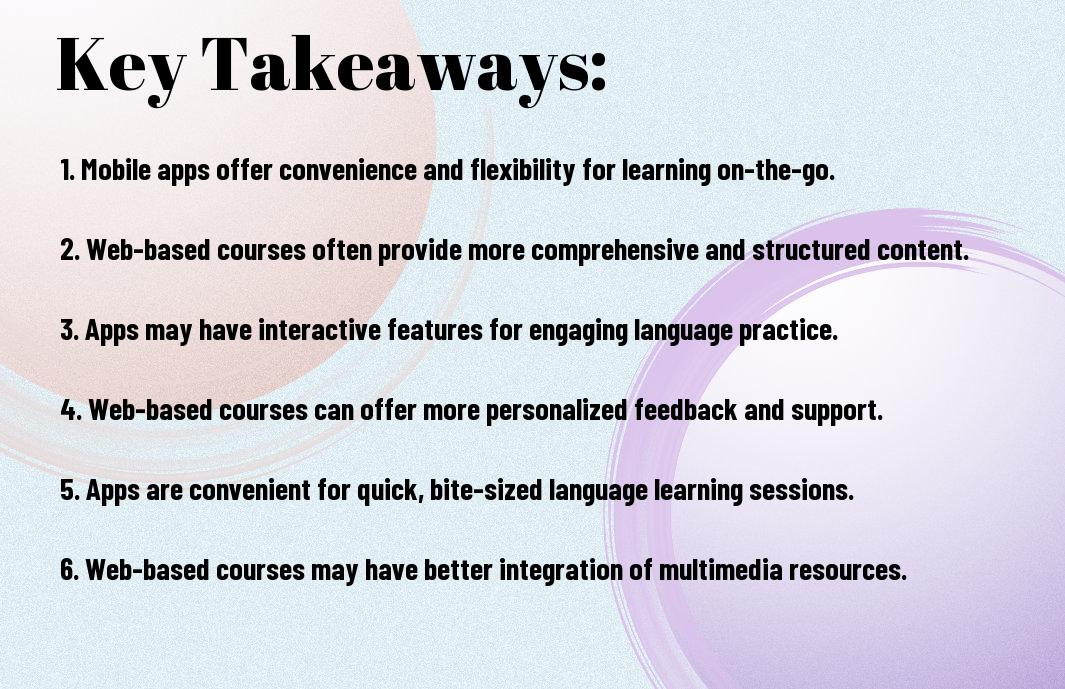
Key Takeaways:

  • Convenience: Mobile apps offer the convenience of learning on-the-go, anytime and anywhere, as compared to web-based courses which require a stable internet connection and a larger screen.
  • Engagement: Mobile apps have the capability to offer interactive and gamified learning experiences, which can enhance user engagement and motivation, as compared to web-based courses which may feel more static and less immersive.
  • Content Depth: Web-based online language learning courses may provide more in-depth content, resources, and structure compared to mobile apps, which may offer more supplementary or bite-sized learning opportunities.
The Rise of Online Language Learning

The growing demand for language learning

For many years, the desire to learn a new language has been a popular goal for individuals seeking personal growth and professional development. As the world becomes more interconnected, the ability to communicate in multiple languages is increasingly important. With globalization creating more opportunities for travel, work, and cultural exchange, the demand for language learning has never been higher. Whether for business purposes, academic pursuits, or simply the love of learning, mastering a foreign language has become a valuable skill in today’s society.

The emergence of mobile apps and web-based courses

The advent of mobile technology and the internet has revolutionized the way people approach language learning. Mobile apps and web-based courses offer flexibility, convenience, and accessibility that traditional classroom settings often cannot match. You can now carry an entire language learning program in your pocket, allowing you to study anytime, anywhere. These apps and courses cater to different learning styles, offering interactive exercises, gamified challenges, and real-time feedback to keep you engaged and motivated in your language learning journey.

This shift towards digital platforms has democratized language learning, breaking down barriers of cost and location. You no longer need to enroll in expensive language classes or travel to immersion programs abroad to advance your language skills. With just a smartphone or computer, you can access a wealth of resources and tools to support your learning, making the process more affordable and convenient than ever before.

Mobile Apps: Convenience and Accessibility

If you are looking for convenience and accessibility in your language learning journey, mobile apps are the perfect solution for you. With language learning apps at your fingertips, you can study anytime, anywhere, making the most of those short pockets of free time during your day.

The benefits of mobile apps for language learners

Mobile apps offer flexibility that traditional web-based courses may not provide. You have the freedom to practice your language skills on the go, whether you’re waiting in line, commuting, or just relaxing at home. This accessibility allows you to integrate language learning seamlessly into your daily routine, maximizing your study time.

How mobile apps cater to different learning styles

One of the advantages of mobile language learning apps is their ability to cater to different learning styles. Whether you are a visual learner who benefits from interactive exercises and flashcards, an auditory learner who prefers listening to conversations and pronunciations, or a kinesthetic learner who learns best through hands-on activities, there is an app out there to suit your needs.

Apps can adapt to your preferred learning style by offering a variety of features such as quizzes, games, videos, and chatbots, allowing you to engage with the language in a way that resonates most with you.

The role of gamification in mobile language learning

Catering to your learning preferences, mobile language learning apps often incorporate gamification elements to make the learning process more engaging and enjoyable for you. By turning language practice into a game, with rewards, points, and levels to unlock, apps motivate you to stay consistent and progress in your studies.

Engaging with language learning through gamified activities can enhance your retention of vocabulary and grammar rules, as well as improve your overall fluency in a fun and interactive way.

Web-Based Courses: Comprehensive and Structured

Not all online language learning methods are created equal. While mobile apps offer convenience and flexibility, web-based courses provide a more comprehensive and structured approach to language learning. These courses are designed to take you through a systematic learning process, ensuring you cover all aspects of language learning, from grammar rules to vocabulary building and beyond.

The advantages of web-based courses for language learners

Any language learner knows that consistency and structure are key to mastering a new language. Web-based courses offer a step-by-step curriculum that guides you through your language journey. With organized lessons and clear learning objectives, you can track your progress and stay motivated to achieve fluency.

The importance of interactive exercises and quizzes

Learners thrive when they have opportunities to apply their knowledge in real-time. Interactive exercises and quizzes provided by web-based language courses allow you to practice what you’ve learned instantly. This active engagement helps reinforce concepts, improve retention, and enhance your overall language skills.

Another benefit of interactive exercises and quizzes is that they cater to different learning styles. Whether you prefer visual, auditory, or kinesthetic learning, these exercises can be tailored to suit your individual preferences, making your language learning experience more effective and enjoyable.

How web-based courses provide personalized feedback

Any effective language learning journey involves feedback to track your progress and identify areas for improvement. Web-based courses leverage technology to provide personalized feedback on your exercises and quizzes. This immediate feedback helps you understand your strengths and weaknesses, allowing you to focus on areas that need more practice.

Web-Based courses can analyze your performance and customizes recommendations based on your proficiency level. This personalized approach ensures that you receive targeted support tailored to your specific learning needs, accelerating your language learning progress.

Comparing Mobile Apps and Web-Based Courses

A side-by-side comparison of features and functionality

Keep in mind that mobile apps and web-based language learning courses each have their strengths and limitations. Let’s break down the key features and functionalities of both platforms:

Mobile Apps Web-Based Courses
Convenient access on-the-go More comprehensive lessons and resources
Interactive exercises and games Ability to track progress and set goals
Quick vocabulary and grammar practice Opportunities for live interaction and feedback

Which platform is better suited for beginners?

Courses on both platforms cater to beginners, but the choice ultimately depends on your learning preferences. If you prefer a more guided and structured approach, web-based courses may be better suited for you. They often offer a more comprehensive curriculum and the ability to track your progress over time.

On the other hand, mobile apps are ideal for beginners who enjoy learning in short bursts and on the go. The interactive nature of apps, with games and quick exercises, can help you start learning a new language in a fun and engaging way.

Any platform you choose, as a beginner, it’s crucial to set realistic goals, stay consistent in your practice, and take advantage of the features that best support your learning style. Do not forget, everyone learns differently, so find what works best for you.

How mobile apps and web-based courses complement each other

Complement your language learning journey by utilizing both mobile apps and web-based courses. Mobile apps are great for daily vocabulary practice, grammar drills, and enhancing language skills on the go. Meanwhile, web-based courses offer in-depth lessons, interactive tools, and the opportunity for live practice and feedback.

When used together, these platforms can provide a well-rounded language learning experience. For example, you can use a mobile app for daily practice and reinforcement, while turning to a web-based course for more structured lessons and interactive exercises. By combining the strengths of both platforms, you can enhance your language skills more effectively.
Learning Outcomes and Effectiveness

Measuring the effectiveness of mobile apps and web-based courses

After engaging with both mobile apps and web-based online language learning courses, you may wonder about their effectiveness. Any assessment of the effectiveness of these tools should consider various aspects, including learner progress, retention of knowledge, and overall satisfaction with the learning experience.

By analyzing your improvement in language proficiency, the completion rates of lessons or modules, and feedback mechanisms provided by the platforms, you can gauge the effectiveness of mobile apps and web-based courses in helping you achieve your language learning goals.

The role of motivation and engagement in language learning

Web-based language learning courses often emphasize the importance of motivation and engagement in determining your success in acquiring a new language. This intrinsic motivation can be fostered through interactive exercises, progress tracking, and gamified elements that keep you motivated to continue learning.

This engagement not only boosts your interest in the language but also enhances your overall learning experience. By staying motivated and consistently engaging with the course materials, you are more likely to see significant progress in your language skills.

Real-life examples of successful language learners

When exploring the effectiveness of language learning courses, looking at real-life examples of successful language learners can provide valuable insights. courses Highlighting individuals who have achieved fluency or proficiency in a language through mobile apps or web-based courses can inspire you and showcase the potential outcomes of dedicated language learning.

By learning from the strategies and experiences of these successful language learners, you can gain a better understanding of how to maximize the effectiveness of your chosen language learning tools and approaches to reach your own language goals.

Limitations and Challenges

The limitations of mobile apps for language learning

Unlike web-based online language learning courses, mobile apps have certain limitations that may impact your learning experience. One of the main drawbacks of mobile apps is the limited scope of content they offer compared to web-based courses. While apps can be convenient for on-the-go practice, they may not provide as comprehensive a learning experience as web-based platforms.

The challenges of web-based courses for language learners

On the other hand, web-based online language learning courses present their own set of challenges for learners. These courses often require a stable internet connection, which may not always be accessible, especially for those in remote areas or while traveling. Additionally, some web-based courses can be overwhelming with the sheer amount of content available, making it challenging to stay focused and motivated throughout your learning journey.

Web-based language courses can sometimes feel impersonal, lacking the immediate feedback and interaction that you might get from a live teacher in a traditional classroom setting. This can make it harder to gauge your progress and address any specific language learning needs you may have.

Overcoming common obstacles in online language learning

To make the most out of your online language learning experience, it’s imperative to be proactive in overcoming common obstacles. Set specific goals for your learning, break down the content into manageable chunks, and establish a consistent study routine to stay on track. Additionally, don’t hesitate to reach out to online communities, language exchange partners, or tutors for support and guidance along the way.

This proactive approach can help you stay motivated and engaged throughout your online language learning journey, whether you choose to use mobile apps or web-based courses. Be mindful of, the key to success lies in your commitment and dedication to improving your language skills, regardless of the platform you choose to learn from.
Summing up

Taking this into account, when it comes to comparing mobile apps with web-based online language learning courses, it is vital to consider your individual learning style and preferences. Mobile apps can provide convenient, on-the-go learning opportunities that fit into your daily routine, while web-based courses may offer more comprehensive and structured lessons. Ultimately, the effectiveness of either option will depend on how well it aligns with your learning goals and preferences.

So, before plunging into language learning with either mobile apps or web-based courses, take the time to assess your learning style, schedule, and goals. By doing so, you can choose the option that best suits your needs and offers you the most effective path to language proficiency.

Q: How effective are mobile apps compared to web-based online language learning courses?

A: Both mobile apps and web-based online language learning courses can be effective, but they have different advantages and limitations. Mobile apps are usually more accessible and convenient, allowing users to learn on-the-go anytime, anywhere. On the other hand, web-based courses often offer more comprehensive content and interactive exercises.

Q: Are there any specific benefits of using mobile apps for language learning?

A: Yes, mobile apps offer several benefits for language learning. They often have gamified features, such as quizzes and rewards, that can make learning more engaging and enjoyable. Additionally, many apps use spaced repetition algorithms to help users retain information more effectively.

Q: Can web-based online language learning courses be more effective than mobile apps?

A: Web-based online language learning courses can be more effective in certain cases. They often provide more structured and in-depth lessons, which can be beneficial for learners who prefer a more traditional approach to language learning. Additionally, web-based courses may offer more opportunities for interaction with instructors or other learners.

What is the typical duration of an online language learning course

You might be wondering, how long does it take to complete an online language learning course? Well, the typical duration varies depending on the program and your learning goals. According to How Long Does it Take to Become Proficient in a Language?, factors like the language complexity and your daily commitment all play a role in determining the time needed to achieve proficiency in a new language. Let’s explore the typical timeframe for online language learning courses to help you set realistic expectations for your language learning journey.

Key Takeaways:

  • Variability: The duration of an online language learning course can vary significantly depending on the provider, the focus of the course, and the student’s goals.
  • Standard Duration: A typical online language learning course usually lasts between 3 to 6 months, with some intensive courses spanning a few weeks.
  • Self-Paced Options: Many online language learning platforms offer self-paced courses, allowing students to complete the course at their own pace, which can extend or shorten the overall duration.

Factors Influencing Course Duration

Your online language learning course duration can be influenced by several factors. Understanding these factors can help you plan your learning journey effectively. Here are some key considerations that can impact the duration of your language course:

  • Language Complexity

  • Complexity is a significant factor that can affect the duration of your language course. Languages vary in complexity, with some being more challenging to learn than others. For example, if you are learning a language with a different alphabet or complex grammar rules, it may take you longer to master compared to a language more similar to your native tongue.

    Though, with dedication and consistent practice, you can overcome the challenges posed by a complex language and make steady progress in your learning.

  • Learner’s Prior Knowledge

  • Complexity in a language can also be influenced by your prior knowledge or lack thereof. If you have previous experience with languages that share similarities with the one you are learning, you may find it easier to grasp certain concepts and accelerate your learning progress.

    Course Objectives

    Prior understanding of your course objectives can also impact the duration of your language learning journey. It is necessary to have a clear idea of what you aim to achieve through the course. Whether you are learning the language for basic communication or aiming for fluency, knowing your goals will help you stay focused and track your progress effectively.

    It is necessary to align your course objectives with your desired outcomes. If you have specific goals in mind, such as passing a language proficiency exam or using the language for business purposes, you may need to invest more time and effort into the course to meet these objectives.

    Average Course Durations

    Some online language learning platforms offer beginner courses that typically last around 6-8 weeks. These courses are designed to help you grasp the basics of the language, including vital vocabulary, grammar rules, and simple conversations. You can expect to spend a few hours each week completing lessons, exercises, and practice sessions to build a solid foundation in the language.

    Beginner Courses

    One of the key advantages of beginner courses is that they provide a structured learning path for those new to the language. By following the course outline and completing the assignments, you can steadily progress and gain confidence in your language skills. Additionally, beginner courses often include interactive elements such as audio exercises and speaking practice to enhance your learning experience.

    Intermediate Courses

    The intermediate courses on online language learning platforms usually span between 10-12 weeks. These courses are designed for learners who have a basic understanding of the language and aim to improve their proficiency further. Intermediate courses focus on more complex grammar structures, vocabulary expansion, and in-depth conversations to help you communicate more fluently.

    Intermediate courses build upon the foundation laid in beginner courses, challenging you to engage with the language at a deeper level. You will have the opportunity to practice reading, writing, listening, and speaking skills to enhance your overall language proficiency.

    Advanced Courses

    To cater to advanced learners, online language learning platforms offer courses that typically last 12-16 weeks. These courses are designed to help you achieve near-native proficiency in the language, focusing on advanced grammar concepts, nuanced vocabulary, and cultural nuances. Advanced courses often involve in-depth discussions, writing assignments, and immersive activities to hone your language skills further.

    1. Real-world Applications: Advanced courses often include tasks that simulate real-life language use, preparing you for authentic communication scenarios.
    2. Feedback and Assessment: Instructors provide detailed feedback on your progress and assessments to track your development throughout the course.

    With advanced courses, you have the opportunity to refine your language skills to a high level of proficiency, enabling you to engage with native speakers confidently and explore more complex topics in the language.

    Self-Paced vs. Instructor-Led Courses

    Despite the various options available for online language learning courses, there are typically two main formats: self-paced and instructor-led courses. Each has its own benefits and considerations, so let’s probe into the differences between the two.

    Self-Paced Course Flexibility

    Course flexibility is a significant advantage of self-paced language learning courses. With this format, you have the freedom to study at your own pace and on your own schedule. This flexibility is ideal for individuals with busy lifestyles or varying commitments, as you can tailor your learning around your existing responsibilities. Additionally, you can revisit challenging topics or speed through familiar ones, catering to your unique learning style.

    Instructor-Led Course Structure

    Self-paced courses offer flexibility, but instructor-led courses provide a structured learning environment. In these courses, you’ll have a set schedule to follow, with designated lecture times, assignments, and assessments. Having an instructor guiding you through the curriculum can be beneficial, as they can provide feedback, answer questions, and keep you accountable for your progress. This structured approach can be motivating and effective for those who thrive in a more traditional educational setting.

    Moreover, instructor-led courses often encourage interaction with peers through group discussions, projects, or virtual classrooms. This collaborative aspect can enhance your language learning experience by offering opportunities to practice speaking, listening, and communicating with others in the target language.

    Course Format and Delivery

    Online Platforms and Tools

    To enhance your online language learning experience, language courses are often delivered through virtual platforms and tools. These platforms provide interactive lessons, multimedia resources, and opportunities for real-time practice with instructors or fellow learners. Tools like virtual whiteboards, chat rooms, and video conferencing make the learning process engaging and dynamic.

    Through online platforms, you can access course materials, submit assignments, track your progress, and communicate with instructors conveniently. The flexibility of these tools allows you to engage with the course at your own pace, fitting learning into your schedule wherever you are.

    Mobile Apps and Podcasts

    To complement your online language course, mobile apps and podcasts offer a convenient way to practice language skills on the go. These resources provide interactive exercises, language games, and audio lessons to help you improve vocabulary, pronunciation, and listening comprehension.

    Online language learning apps are designed to make learning enjoyable and accessible, allowing you to practice language skills anytime, anywhere. Podcasts, on the other hand, offer authentic language content that immerses you in real-life conversations and cultural nuances, enhancing your overall language proficiency.

    Mobile apps and podcasts are valuable supplementary tools that can enhance your learning experience and provide additional opportunities for practice and exposure to the target language.

    Video-Based Learning

    Course materials are often delivered through video-based learning modules, featuring instructional videos, cultural insights, and language demonstrations. Platforms like YouTube, language learning websites, and specialized course platforms host a wide range of video content tailored to different proficiency levels and learning objectives.

    Video-based learning offers a dynamic way to engage with the language, providing visual and auditory input that complements traditional text-based learning materials. Through videos, you can observe native speakers in authentic language contexts, practice pronunciation, and improve comprehension skills through visual cues and gestures.

    Format

    Learner’s Commitment and Time Management

    All successful online language learners have one thing in common – realistic goals and schedules. Setting achievable milestones and creating a study plan that fits into your daily routine is crucial. By breaking down your learning objectives into smaller tasks and allocating specific time slots for language practice, you can stay on track and make steady progress.

    Realistic Goals and Schedules

    Any online language learning course requires dedication and time management. It’s imperative to assess your current level, set clear objectives for improvement, and establish a study schedule that works for you. Consistency is key, so make sure to allocate a consistent amount of time each day or week for practicing languages to see noticeable results over the course duration.

    Consistency and Motivation

    The key to succeeding in your online language learning course is consistency. Make language practice a habit by integrating it into your daily routine. Whether it’s dedicating 30 minutes every morning to vocabulary exercises or joining online language exchange sessions regularly, staying consistent will help reinforce your learning and maintain motivation.

    Plus, finding ways to stay motivated is imperative for long-term language learning success. Celebrate small victories, such as mastering a new grammar concept or holding a conversation in your target language, to keep your enthusiasm high. Recall, consistency and motivation go hand in hand when initiateing on an online language learning journey.

    Course Providers and Their Durations

    Once again, when considering the typical duration of an online language learning course, it’s important to look at various course providers. Different platforms offer courses with varying lengths, catering to the diverse needs of learners. Let’s explore into some popular options and their durations.

    Popular Online Language Learning Platforms

    Any popular online language learning platform such as Duolingo, Babbel, or Rosetta Stone typically offers courses that span several weeks to a few months. These platforms are structured to accommodate self-paced learning, allowing you to progress at your own speed. You can expect to spend a few months consistently engaging with the material to achieve proficiency in a language.

    University and College Courses

    Learning a language through a university or college course often follows a more structured timeline, usually lasting a full semester or academic year. These courses may require more commitment in terms of time and effort, but they often provide a comprehensive understanding of the language. It’s common for university language courses to have regular classes and assignments throughout the semester to ensure steady progress.

    This structured approach can be beneficial for those who prefer a guided learning experience and thrive in a more formal educational setting. University and college courses typically offer a deeper probe grammar, vocabulary, and cultural nuances of a language.

    Private Tutoring and Language Schools

    The option of private tutoring or enrolling in a language school can offer a more personalized learning experience, tailored to your specific goals and learning pace. The duration of these courses can vary significantly based on the intensity and frequency of your sessions. Some learners may opt for intensive language programs that last a few weeks, while others may choose ongoing weekly sessions over a more extended period.

    The flexibility of private tutoring and language schools allows you to customize your learning schedule and focus on areas that require more attention. Working closely with a tutor or instructor can expedite your language learning progress and provide immediate feedback for improvement.

    Summing up

    Considering all points, the typical duration of an online language learning course can vary greatly depending on several factors such as your language learning goals, your commitment level, and the teaching methods used. However, on average, it is suggested that it takes about 600-750 hours to reach a basic level of proficiency in most languages. If you’re aiming to learn a language in two years, you may need to dedicate a certain amount of hours each day to practice consistently. According to a helpful thread on Quora, the number of hours you need to practice daily can vary depending on your personal learning style and the complexity of the language you’re learning.

    FAQ

    Q: What is the typical duration of an online language learning course?

    A: The typical duration of an online language learning course can vary depending on the level of the course and the intensity of the program. However, on average, most online language learning courses range from a few weeks to several months.

    Q: How long does it take to complete a beginner-level online language course?

    A: A beginner-level online language course usually takes around 3 to 6 months to complete. These courses are designed to introduce learners to the basics of the language and help them build a solid foundation for further learning.

    Q: Are there any accelerated online language learning courses available?

    A: Yes, there are accelerated online language learning courses available for those looking to learn a language quickly. These intensive programs can range from a few weeks to a couple of months and often require a higher time commitment from learners each week.

How do online language learning courses incorporate cultural context into their curriculum

Cultural immersion is key to truly mastering a language, and online language learning courses understand this importance. By infusing cultural context into their curriculum, these courses provide you with a well-rounded learning experience that goes beyond grammar and vocabulary. According to a study on the role of culture in English language learning, delving into cultural nuances enhances your understanding and appreciation of the language. Explore how online courses integrate cultural elements to enrich your language learning journey here.

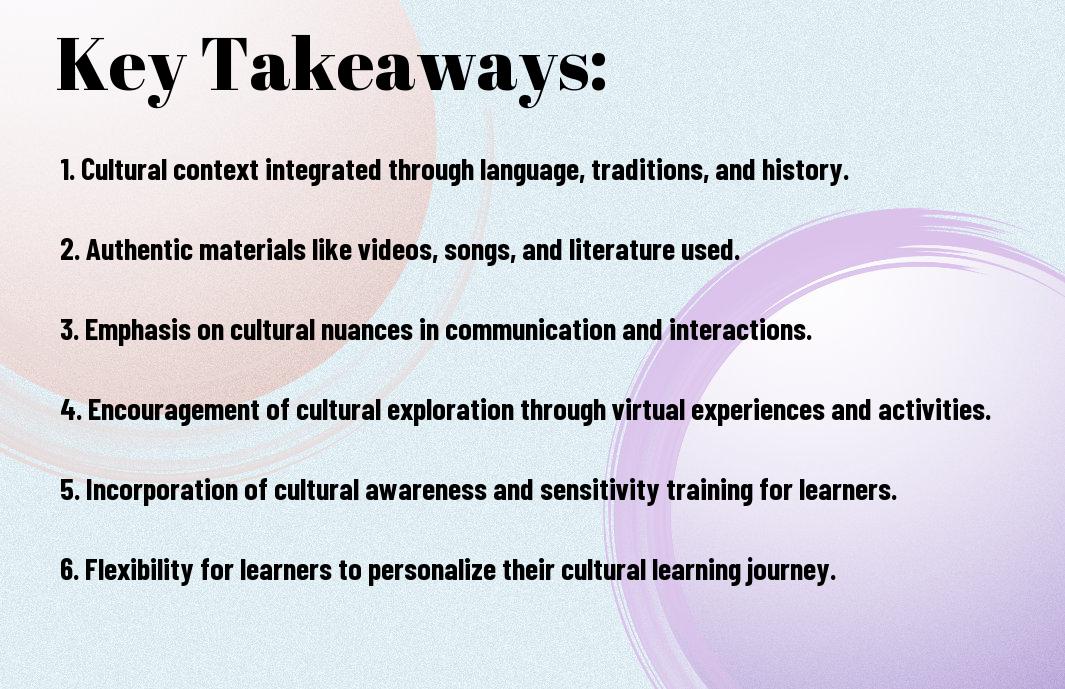
Key Takeaways:

  • Cultural content inclusion: Online language learning courses incorporate cultural context by including aspects such as traditions, customs, and cultural norms within their curriculum.
  • Interactive activities: These courses use interactive activities like virtual field trips, cultural games, and multimedia resources to immerse learners in the cultural context of the language they are studying.
  • Native speaker interactions: Utilizing real-life scenarios, role plays, and conversations with native speakers help learners understand cultural nuances, idioms, and expressions, thereby enriching their language learning experience.

The Importance of Cultural Context in Language Learning

Why language is deeply rooted in culture

Context is crucial in understanding the intricacies of a language, as language and culture are deeply intertwined. Language is not just a set of words and grammar rules; it is a reflection of the history, values, and beliefs of the people who speak it. When you learn a new language, you are not just memorizing vocabulary and syntax; you are gaining insight into a whole new way of thinking and perceiving the world.

The limitations of language learning without cultural context

An understanding of cultural context is crucial for truly mastering a language. Without it, your communication may lack nuance and could even lead to misunderstandings. For example, a simple phrase like “How are you?” can have different connotations and appropriate responses depending on the cultural context. If you don’t understand these nuances, your language skills may plateau, and you may struggle to connect with native speakers on a deeper level.

It is important to remember that language is not just a means of communication; it is a reflection of society’s norms, values, and beliefs. Without cultural context, you may miss out on crucial aspects of language use such as idiomatic expressions, humor, and social etiquette. Embracing cultural context in your language learning journey will not only help you become more proficient in the language but also open doors to meaningful cross-cultural connections and experiences.

Approaches to Incorporating Cultural Context

Immersion-based learning

Some online language learning courses incorporate cultural context through immersion-based learning. With this approach, you are exposed to the language in real-life situations, such as conversations, videos, or virtual reality scenarios that reflect cultural norms and practices. This method helps you not only understand the language but also the customs, traditions, and social etiquette associated with it.

Cultural references and authentic materials

Any credible online language learning platform will integrate cultural references and authentic materials into their curriculum. By including music, films, literature, and other cultural artifacts from the target language’s origin, you get a deeper understanding of the context in which the language is spoken. Plus, these materials expose you to various accents, dialects, and regional nuances, enriching your learning experience.

Furthermore, learning from authentic materials allows you to grasp colloquial expressions, slang, and idiomatic phrases that are commonly used by native speakers but might not be covered in traditional textbooks.

Interactive activities and discussions

The interactive activities and discussions provided in online language learning courses are another effective way to incorporate cultural context. Through group projects, role-playing exercises, and virtual cultural exchanges, you not only practice using the language but also learn about the social norms and values of the target culture.

Interactive platforms often feature forums or chat rooms where you can engage with native speakers or other learners from different cultural backgrounds, fostering a sense of community and providing valuable insights into the cultural nuances of the language you are studying.

Language Learning Platforms and Cultural Context

Duolingo’s approach to cultural context

For language learners, understanding cultural context is imperative for truly mastering a language. Duolingo recognizes this and incorporates cultural elements into its curriculum to provide a comprehensive learning experience. Context is infused into lessons through interactive exercises, where learners not only practice vocabulary and grammar but also learn about cultural nuances.

Rosetta Stone’s cultural immersion features

Duolingo’s emphasis on cultural understanding enhances your language learning journey by immersing you in the context of the language. By incorporating cultural references, idioms, and customs, Rosetta Stone goes beyond just teaching vocabulary and grammar. You will find yourself not only learning the language but also gaining insights into the culture, making your learning experience more enriching.

A key aspect of Rosetta Stone’s cultural immersion features is the inclusion of real-life scenarios and conversations in the language’s cultural context. This approach helps you grasp not just the language itself but also how it is used in everyday situations, giving you a deeper understanding of the language.

Babbel’s focus on conversational skills in context

With Babbel, the focus is not just on building vocabulary and grammar knowledge but on honing your conversational skills within the appropriate cultural context. By practicing dialogues, role-plays, and cultural insights, you are better equipped to engage in real-life conversations in the language you are learning. Through this contextual approach, you not only learn the language but also how to use it effectively in different social settings.

Skills are developed through Babbel’s tailored lessons that simulate real-life conversations, ensuring that you not only understand the language rules but can also apply them in context. This focus on practical communication skills within cultural contexts makes your language learning experience more relevant and applicable to real-world scenarios.

The Role of Instructors and Cultural Ambassadors

The importance of native speaker instructors

Ambassadors of language and culture, native speaker instructors play a vital role in online language learning courses by providing authentic insights into the target language’s cultural nuances and societal norms. Their firsthand knowledge and use of the language help you not only grasp grammar and vocabulary but also understand the context in which these linguistic elements are used.

Furthermore, native speaker instructors can offer anecdotes, local idioms, and colloquial expressions that textbooks might overlook. This personal touch helps you develop a more profound appreciation and comprehension of the language beyond just its technical aspects.

Cultural ambassadors and language learning

The presence of cultural ambassadors in online language learning courses enhances the overall educational experience by bridging the gap between language acquisition and cultural understanding. By immersing you in the customs, traditions, and values of the native speakers, these ambassadors provide a holistic approach to learning a language.

The insights shared by cultural ambassadors go beyond language instruction; they offer a glimpse into daily life routines, celebrations, and social norms, fostering a deeper connection to the culture you are learning about. This symbiotic relationship between language and culture enriches your learning journey and broadens your global perspective.

Creating a sense of community and cultural connection

Instructors in online language courses play a significant role in creating a sense of community among learners from diverse backgrounds. By facilitating discussions, organizing cultural events, and encouraging peer-to-peer interactions, instructors help you not only improve your language skills but also forge connections with fellow learners who share your passion for the language and its associated culture.

One notable aspect of having dedicated instructors in online language courses is their ability to personalize the learning experience based on your interests and goals. Whether through virtual excursions to cultural landmarks or themed language activities, instructors make your language learning journey engaging and relevant to your individual learning needs.

Challenges and Limitations of Incorporating Cultural Context

Balancing cultural sensitivity and accuracy

Despite the importance of incorporating cultural context into language learning courses, there are challenges that educators face in finding the right balance between cultural sensitivity and accuracy. For example, while it’s crucial to be respectful of different cultures and avoid stereotypes, it’s also necessary to accurately represent the cultural nuances and diversity within a language.

For online language learning courses, striking this balance can be particularly challenging due to the lack of face-to-face interaction with students. Educators must rely on course materials and activities to convey cultural context effectively without misrepresenting or oversimplifying it.

Addressing cultural stereotypes and biases

Accuracy in representing cultural context in language learning courses is crucial to avoid perpetuating stereotypes and biases. Educators need to be mindful of how they present cultural information to ensure it is authentic and respectful. This involves examining the materials used in the courses, as well as the language and examples employed to teach cultural aspects.

  • Understanding the diversity within cultures and avoiding generalizations
  • Recognizing and addressing biases that may influence course content

Knowing the cultural background of your students can also help in addressing and dispelling stereotypes that may arise during the learning process.

Accuracy Cultural Sensitivity
Authentically representing cultural nuances Respecting different cultural practices
Avoiding oversimplification Acknowledging cultural diversity
Fostering understanding Promoting inclusivity
Challenging biases Dispelling stereotypes
Ensuring accuracy Embracing cultural sensitivity

Ensuring cultural relevance in a globalized world

Cultural relevance is necessary in language learning to prepare students for a globalized world where intercultural communication plays a significant role. By incorporating current cultural references, customs, and practices into the curriculum, online language learning courses can better equip students to navigate diverse cultural contexts.

To ensure cultural relevance, course developers must regularly update materials to reflect the evolving nature of cultures and societies. This may involve collaborating with native speakers, cultural experts, and educators to incorporate authentic cultural content into the curriculum.

Best Practices for Effective Cultural Context Integration

Using authentic materials and real-life scenarios

After all, language is intertwined with culture, so to truly grasp a language, you must immerse yourself in the cultural context. Online language learning courses that incorporate authentic materials such as newspapers, videos, and real-life scenarios help you understand not just the language but also the underlying beliefs, values, and practices of a culture. By learning from real-world examples, you gain a deeper insight into how language is used in everyday situations, making your learning experience more engaging and effective.

Encouraging learner reflection and self-awareness

Authentic cultural experiences are vital for your language learning journey. Online courses that encourage you to reflect on your own cultural assumptions and biases help you develop a greater sense of self-awareness. When you understand how your cultural background shapes your perceptions and communication style, you can better appreciate and respect the diversity of others. This self-reflection not only fosters cultural sensitivity but also enhances your language learning by encouraging you to adapt your communication style to different cultural contexts.

Context plays a crucial role in language learning. By reflecting on how cultural norms and values influence communication, you become more adept at navigating cross-cultural interactions. This heightened awareness allows you to adapt your language usage to suit various cultural contexts, leading to more effective and nuanced communication.

Fostering a growth mindset and cultural curiosity

Reflection is key to developing a growth mindset and fostering cultural curiosity in language learning. By challenging yourself to step out of your comfort zone and engage with unfamiliar cultural practices and perspectives, you not only expand your linguistic skills but also develop a broader understanding of the world. Online language courses that encourage you to explore different cultures with an open mind inspire you to embrace diversity and see language learning as a journey of discovery.

Reallife cultural experiences are invaluable for nurturing a growth mindset and cultivating cultural curiosity. By immersing yourself in authentic cultural contexts, you can appreciate the richness and diversity of human expression through language. Embracing new cultural experiences with curiosity and an eagerness to learn empowers you to not only master a language but also develop a deep appreciation for the interconnectedness of language and culture.

Conclusion

Upon reflecting on how online language learning courses incorporate cultural context into their curriculum, you can see the importance of understanding cultural nuances in language acquisition. By integrating cultural elements into the lessons, these courses offer a more holistic approach to learning a new language. This not only enhances your language skills but also helps you navigate real-life situations with cultural sensitivity.

If you are interested in further exploring how English speaking classes incorporate cultural understanding into language learning, you can research into resources like How do English speaking classes incorporate cultural understanding into language learning. This will provide you with additional insights and perspectives on the topic, enriching your understanding of the intersection between language and culture.

Q: How do online language learning courses incorporate cultural context into their curriculum?

A: Online language learning courses incorporate cultural context into their curriculum through various methods such as including cultural readings, videos, music, and real-life scenarios in the lessons. This helps students understand not only the language but also the customs, traditions, and values of the culture they are studying.

Q: Why is it important for online language learning courses to include cultural context in their curriculum?

A: Including cultural context in language learning courses is crucial as language and culture are deeply interconnected. Understanding the cultural norms and practices of a language helps students communicate effectively, avoid misunderstandings, and appreciate the richness of the language. It also engages students more deeply with the language and enhances their overall learning experience.

Q: How can students benefit from learning about the cultural context in online language courses?

A: Students can benefit from learning about cultural context in online language courses by gaining a deeper understanding of the language they are studying. They also develop cross-cultural communication skills, empathy, and cultural awareness. Learning about the cultural context enriches the language learning experience, making it more meaningful and rewarding.

Are there online language learning courses tailored for children or teenagers

There’s an abundance of online language learning courses designed specifically for children and teenagers like yourself. These programs are crafted to be engaging, interactive, and age-appropriate, making the process of learning a new language fun and exciting for young learners. In this blog post, you will discover the various online platforms offering language courses tailored to your age group, allowing you to expand your linguistic skills from the comfort of your own home. Embrace the opportunity to explore new languages and cultures through these specially curated online courses!

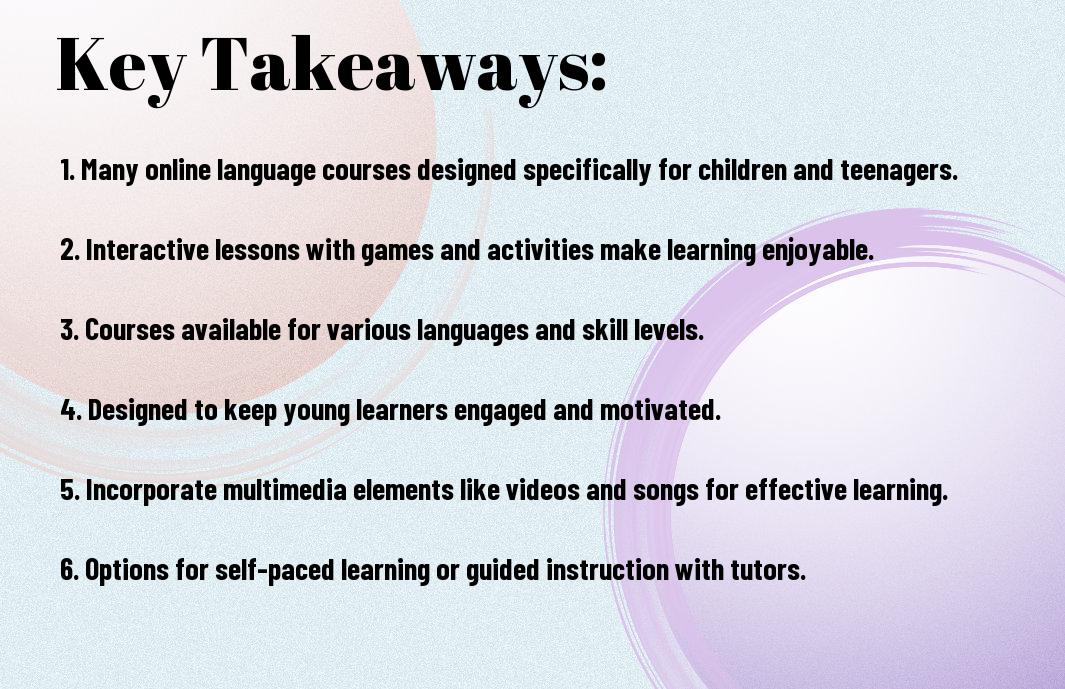
Key Takeaways:

  • Online language courses tailored for children: There are various online language learning courses designed specifically for children, with engaging content and interactive activities to keep them interested and motivated.
  • Online language courses tailored for teenagers: Many online platforms offer language courses tailored for teenagers, incorporating modern teaching methods and technology to cater to their learning preferences.
  • Variety of languages and levels: These courses cover a wide range of languages and proficiency levels, allowing children and teenagers to choose a language that interests them and matches their current skills.

The Importance of Early Language Learning

Cognitive Benefits for Children

Early language learning can significantly benefit children’s cognitive development. Research shows that exposing children to a second language at a young age can improve their problem-solving skills, creativity, and memory. By learning a new language, children’s brains are challenged to think in different ways, which can enhance their overall cognitive abilities.

Enhanced Career Opportunities for Teenagers

One important aspect of early language learning is the long-term impact it can have on teenagers’ future career opportunities. In today’s globalized world, being bilingual or multilingual is a valuable skill that many employers look for. By starting to learn a new language early on, teenagers can become proficient speakers by the time they enter the job market, giving them a competitive edge in various industries.

Plus, learning a new language can open up doors to international job opportunities, as many companies seek employees who can communicate effectively with clients and colleagues from different cultural backgrounds. By investing in language learning now, you are setting yourself up for a successful and rewarding career in the future.

Online Language Learning Platforms for Kids

Even in online language learning, there are platforms specifically curated for kids that offer engaging ways to learn new languages. These platforms focus on making the language learning experience interactive and fun, tailored to the unique needs and interests of children and teenagers.

Duolingo Kids: A Fun and Interactive Approach

For a playful and interactive language learning experience, Duolingo Kids is a fantastic choice. With colorful designs and engaging games, this platform makes language learning fun for children. It offers a variety of languages to choose from and uses a gamified approach to keep kids motivated and entertained while learning a new language.

Rosetta Stone Kids: A Comprehensive Language Program

For a more structured and comprehensive language learning approach, Rosetta Stone Kids is an excellent option. This platform offers a wide range of languages and provides a well-rounded language program that covers all aspects of language learning, including vocabulary, grammar, pronunciation, and more. Rosetta Stone Kids ensures that children receive a holistic language education that sets a strong foundation for language proficiency.

On Rosetta Stone Kids, children have access to guided lessons, interactive activities, and speech recognition technology that helps improve pronunciation skills. The platform is designed to adapt to the individual learning pace of each child, making it a personalized and effective language learning tool for kids and teenagers.

Comprehensive language programs like Rosetta Stone Kids not only teach children a new language but also help them develop important cognitive skills such as problem-solving, critical thinking, and creativity through engaging language activities and exercises. By immersing themselves in a new language through these platforms, children can broaden their horizons and embrace the multicultural world around them.

Language Learning Apps for Teenagers

Babbel: Focused on Conversational Skills

To truly grasp a new language, you need to immerse yourself in conversations. That’s where Babbel comes in. With Babbel, you won’t just memorize vocabulary words and verb conjugations – you’ll actually engage in conversations and practice real-life dialogue. This interactive approach helps you become more confident in speaking the language, making it perfect for teenagers looking to improve their conversational skills.

Quizlet: A Study Aid for Language Learners

Language learning can be challenging, but Quizlet makes it a little easier. This app offers a range of study tools, from flashcards to interactive games, that cater to different learning styles. You can create your own study sets or choose from the vast collection of user-generated content. Quizlet is a valuable resource for teenagers who want to reinforce their language learning through self-paced study sessions.

Quizlet is not just about memorizing words – it’s about understanding and applying them in context. By using the various study modes available, such as matching games and practice tests, you can solidify your language skills in a fun and engaging way. This app is a must-have tool for any teenager serious about mastering a new language.

Features to Look for in Online Language Courses

Once again, when considering online language courses tailored for children or teenagers, there are several key features you should look out for to ensure an engaging and effective learning experience.

Gamification and Interactive Elements

Any quality online language course for children or teenagers should incorporate gamification and interactive elements to make learning fun and engaging. These features can include language games, quizzes, and interactive lessons that help reinforce language concepts in an entertaining way. By turning language learning into a game-like experience, students are more likely to stay motivated and progress quickly in their studies.

Personalized Learning Paths and Progress Tracking

Tracking your progress and having personalized learning paths are crucial components of an effective online language course. With personalized learning paths, you can focus on areas where you need the most improvement, making your study time more efficient and effective. Progress tracking allows you to see how far you’ve come and gives you a sense of accomplishment, motivating you to continue learning and improving your language skills.

Online language courses that offer personalized learning paths and progress tracking provide you with a customized learning experience. With the ability to track your progress and see how you’re improving over time, you can stay motivated and focused on reaching your language learning goals. By setting personalized goals and monitoring your progress, you can take charge of your learning journey and see tangible results as you continue to study and practice.

Benefits of Online Language Learning for Children and Teenagers

Flexibility and Accessibility

Accessibility is a key benefit of online language learning for children and teenagers. With online courses, you have the flexibility to study anytime, anywhere. This convenient access allows you to fit language learning into your busy schedule, whether it’s after school, on weekends, or during school holidays. You no longer have to worry about missing a class or being late for a lesson – the online platform is available whenever you are ready to learn.

Exposure to Different Cultures and Perspectives

The exposure to different cultures and perspectives is another significant advantage of online language learning for young learners. By studying a new language online, you have the opportunity to interact with teachers and students from around the world. This exposure not only enhances your language skills but also broadens your worldview and fosters cultural appreciation. It allows you to develop empathy, understanding, and respect for diversity, which are valuable life skills that will benefit you as you grow and navigate an increasingly interconnected world.

Challenges and Limitations of Online Language Learning

Lack of Human Interaction and Feedback

To fully grasp a new language, you need human interaction and feedback. Unfortunately, online language learning courses may lack the personal touch that traditional classroom settings offer. In a physical classroom, you can engage in conversations with your teacher and peers, practice pronunciation, and receive instant feedback on your language skills. This immediate interaction is often missing in online courses, making it challenging to replicate the nuanced communication skills necessary to master a new language.

Technical Issues and Distractibility

Any online platform is susceptible to technical glitches that can disrupt your learning experience. From poor internet connectivity to software malfunctions, these issues can hinder your progress and frustrate your efforts to learn a new language effectively. Additionally, the digital nature of online courses can make it easier to get distracted by notifications, social media, or other online temptations, taking your focus away from language learning tasks.

Technical issues can be a significant barrier to your language learning journey, as they can derail your study routine and decrease your motivation to continue learning. It’s crucial to troubleshoot any technical problems promptly and create a distraction-free environment to optimize your online language learning experience.

Challenges

Overcoming the challenges and limitations of online language learning requires dedication, adaptability, and effective time management. By acknowledging these obstacles and implementing strategies to counteract them, you can enhance your online language learning experience and make significant progress in mastering a new language.

To wrap up

So, as you explore the world of online language learning courses tailored for children or teenagers, remember to consider factors like age-appropriate content, engaging activities, and interactive lessons. By finding the right course that suits your child’s learning style and interests, you can help them develop valuable language skills in a fun and effective way. If you want to discover more about the best online language classes for kids in 2024, check out The best online language classes for kids in 2024 for further insights and recommendations.

Q: Are there online language learning courses specifically designed for children?

A: Yes, there are numerous online language learning courses tailored for children. These courses often incorporate interactive activities, games, and colorful visuals to make the learning process engaging and fun for kids.

Q: Are there online language learning courses geared towards teenagers?

A: Yes, there are online language learning courses designed specifically for teenagers. These courses often focus on topics and vocabulary relevant to teenagers’ interests and daily lives, making the learning experience more relatable for them.

Q: What are some popular platforms that offer online language learning courses for children and teenagers?

A: Some popular platforms that offer online language learning courses for children and teenagers include Duolingo, Rosetta Stone Kids, Babbel for Kids, and Mango Languages. These platforms provide a variety of languages to choose from and cater to different age groups to facilitate effective language learning.

What support systems are in place for students who struggle with online language learning

Support is crucial for students like you who are facing challenges in online language learning. Various support systems exist to assist you in your journey, such as online tutoring services, language learning apps with personalized feedback, virtual study groups, and access to language learning resources. These support systems aim to address your specific learning needs, provide guidance, encouragement, and help you overcome obstacles in your language learning process. Recall, you are not alone in this journey, and there are resources available to support you every step of the way.

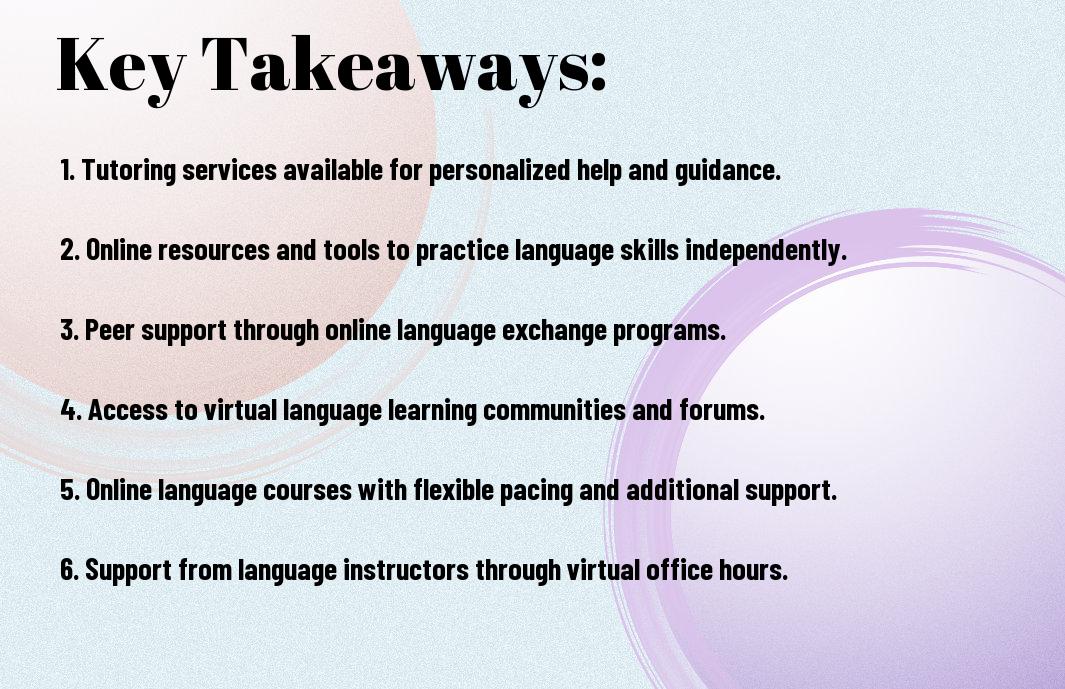
Key Takeaways:

  • Peer support: Students can engage in online language learning communities or peer groups to support each other, share tips and resources, and practice together.
  • Online tutoring: Many language learning platforms offer online tutoring services where students can receive personalized support from language experts to address their specific struggles.
  • Interactive resources: Online language learning platforms often provide interactive resources such as games, quizzes, and exercises to make learning more engaging and help students practice in a fun way.

Identifying Struggles

Common Challenges in Online Language Learning

Challenges in online language learning can arise from various factors such as lack of face-to-face interaction with instructors, difficulties in self-motivation, limited opportunities for real-time practice, and technological barriers. It can be overwhelming to navigate through the vast amount of online resources available, and staying focused while studying independently may become a struggle.

Recognizing Early Warning Signs of Struggle

To identify if you are struggling with online language learning, pay attention to your progress and engagement levels. If you find yourself frequently procrastinating, feeling demotivated, or not understanding the material despite dedicated efforts, these could be early warning signs of a larger struggle. Additionally, if you consistently score lower on assessments or notice a decline in your language skills, it may indicate the need for extra support or intervention.

Warning: It is important to address these warning signs promptly to prevent further setbacks in your language learning journey. Seek guidance from your instructors, academic advisors, or online support resources to help you overcome these challenges effectively.

Institutional Support

Assuming you are facing challenges in online language learning, institutions have put in place various support systems to assist you. One necessary element is the language learning platforms’ built-in resources.

Language Learning Platforms’ Built-in Resources

Support through language learning platforms’ built-in resources can significantly aid your learning experience. These resources often include grammar guides, vocabulary lists, interactive exercises, and pronunciation tools. They are designed to supplement your learning and provide additional explanations and practice opportunities. By utilizing these resources effectively, you can reinforce your understanding of the language and improve your skills.

Online Tutoring Services and Mentorship Programs

The availability of online tutoring services and mentorship programs further enhances the support system for students struggling with online language learning. These services connect you with experienced language tutors who can provide personalized assistance, practice sessions, and feedback on your progress. Additionally, mentorship programs offer guidance and support from seasoned language learners or instructors who can share their expertise and strategies for overcoming challenges in language acquisition.

The flexibility and accessibility of online tutoring services and mentorship programs make them valuable resources for students seeking extra help and guidance in their language learning journey. Whether you need assistance with specific language concepts, require additional practice, or seek motivation and advice, these programs are designed to cater to your individual learning needs.

Institutional support systems play a crucial role in assisting students who struggle with online language learning. By utilizing the resources and services available to you, you can enhance your learning experience, overcome challenges, and achieve your language learning goals effectively.

Peer Support Networks

Many educational platforms offer various tools and resources to aid in language learning. For example, you can explore Helpful Online Resources for Teaching ELLs to find valuable materials to support your language learning journey. However, sometimes the most effective support comes from your peers. Peer support networks can provide unique insights, tips, and encouragement to help you navigate the challenges of learning a new language online.

Online Language Exchange Communities

An excellent way to engage with others in your language learning process is by joining online language exchange communities. These platforms allow you to connect with native speakers of the language you are learning who are also looking to practice a language you speak fluently. Through language exchange, you can improve your conversational skills, cultural understanding, and even make new friends from around the world.

Social Media Groups for Language Learners

The online world is abundant with social media groups dedicated to language learning. These groups bring together individuals with a shared interest in mastering a new language. You can find groups tailored to specific languages, skill levels, or learning objectives. The diverse community within these groups offers a wealth of resources, support, and motivation to keep you engaged in your language learning journey.

For instance, you can join Facebook groups focused on language exchange, vocabulary building, or even specific language proficiency exams. These groups provide a space for you to ask questions, share resources, and connect with like-minded language enthusiasts. By actively participating in these social media groups, you can create a supportive network that encourages your language learning progress.

Self-Directed Learning Strategies

Now, one key aspect of successful online language learning is setting realistic goals and creating study schedules. Without clear objectives, it can be easy to feel overwhelmed or unmotivated. Begin by determining what you want to achieve in your language learning journey. Are you aiming to become conversational, improve your writing skills, or prepare for a proficiency exam? Once you have identified your goals, break them down into smaller, manageable tasks. By creating a study schedule that outlines specific activities and timelines, you can stay on track and make steady progress towards your objectives.

Setting Realistic Goals and Creating Study Schedules

For effective language learning, it’s crucial to set realistic goals that align with your abilities and commitments. While it’s great to aim high, setting unattainable goals can lead to frustration and burnout. Start by assessing your current language proficiency level and then setting objectives that challenge you but are within reach. Additionally, establish a study schedule that fits into your daily routine. Consistency is key when it comes to language learning, so allocate dedicated time each day for practicing listening, speaking, reading, and writing.

Utilizing Language Learning Apps and Tools

To enhance your online language learning experience, you can make use of a variety of language learning apps and tools available at your fingertips. These resources offer interactive lessons, vocabulary exercises, grammar drills, and even opportunities for live language practice with native speakers. Whether you prefer gamified apps like Duolingo, comprehensive platforms like Rosetta Stone, or conversation-based tools like Tandem, there is a wide range of options to cater to your learning style and preferences.

With the plethora of language learning apps and tools accessible online, you have the flexibility to tailor your learning experience to suit your needs. Experiment with different apps to find which ones resonate most with you and complement your learning goals. Some platforms offer personalized learning paths based on your strengths and weaknesses, while others provide social features that allow you to connect with a community of language learners worldwide. By incorporating these tools into your study routine, you can make your online language learning journey engaging, effective, and enjoyable.

Accessibility Features

Not all students have the same needs when it comes to online language learning. That’s why accessibility features play a crucial role in providing support to those who may struggle with traditional learning methods. These features are designed to accommodate various disabilities and learning styles, ensuring that all students have equal opportunities to succeed in their language studies.

Accommodations for Students with Disabilities

Disabilities can present unique challenges when it comes to language learning, but online platforms offer a range of accommodations to support students with disabilities. Features like screen readers, voice commands, and adjustable font sizes can assist students with visual impairments or dyslexia. Additionally, captioning and transcription tools help students with hearing impairments participate fully in language lessons. By providing these accommodations, online language learning becomes more inclusive and accessible to all students.

Language Learning Software for Different Learning Styles

Accommodations for various learning styles are also imperative in supporting students who struggle with online language learning. Language learning software often caters to different learning preferences, such as visual, auditory, or kinesthetic. Visual learners may benefit from interactive multimedia lessons, while auditory learners could use pronunciation exercises and audio prompts. Kinesthetic learners, on the other hand, might prefer hands-on activities and interactive games to reinforce language skills.

To make the most of these accommodations, it’s imperative to identify your learning style and utilize the features that align with how you learn best. By taking advantage of the diverse range of tools and resources available, you can enhance your online language learning experience and overcome any challenges you may face along the way.

Progress Tracking and Feedback

Regular Assessments and Progress Monitoring

Keep track of your progress in online language learning through regular assessments and progress monitoring. These tools help you to understand where you stand in your language learning journey and identify areas that need improvement. By receiving consistent feedback on your performance, you can take necessary steps to enhance your language skills and stay motivated to achieve your learning goals.

Personalized Feedback from Instructors or Peers

To improve your online language learning experience, seek personalized feedback from instructors or peers. This individualized feedback can provide valuable insights into your strengths and weaknesses, helping you focus on areas that need more attention. Engaging with instructors or peers for feedback can also create a supportive learning environment where you receive constructive criticism and encouragement to progress in your language studies.

Progress in online language learning can be accelerated through personalized feedback from instructors or peers. Take advantage of opportunities to engage with others and receive tailored feedback on your language skills. By incorporating this feedback into your learning strategies, you can address specific areas of improvement and make significant progress in mastering a new language.

Summing up

The support systems in place for students who struggle with online language learning are crucial for ensuring their success in language acquisition. From access to language learning platforms to individualized tutoring sessions, various resources are available to help you navigate the challenges of online language learning. Additionally, leveraging peer support networks and seeking guidance from language educators can further enhance your learning experience and progress. For more insights on language access in education and bridging the gap, check out Language Access in Education: Bridging the Gap.

Q: What kind of support systems are in place for students who struggle with online language learning?

A: Many online language learning platforms offer a variety of support systems for struggling students. These may include access to tutors or language coaches who can provide personalized assistance, interactive forums or discussion boards where students can ask questions and receive help from peers, and resources such as grammar guides, vocabulary lists, and practice exercises. Additionally, some platforms offer live online classes or webinars where students can interact with instructors in real time.

Q: How can students get help if they are struggling with a particular concept or lesson in online language learning?

A: If a student is struggling with a particular concept or lesson in online language learning, they can reach out to their instructor or tutor for help. Most platforms have messaging or email systems that allow students to communicate with instructors directly. Students can also post questions in discussion forums or chat with classmates to get help and clarification. Additionally, many platforms have a help center or customer support team that can assist with technical issues or provide guidance on using the platform.

Q: What should students do if they feel overwhelmed or discouraged while learning a language online?

A: Learning a language online can be challenging, and it’s common for students to feel overwhelmed or discouraged at times. If a student is feeling this way, it’s important for them to take a break and practice self-care. They can try taking a walk, meditating, or engaging in a different activity to clear their mind. Students can also reach out to a friend, family member, or classmate for support and encouragement. Additionally, setting realistic goals, breaking up study sessions into manageable chunks, and celebrating small victories along the way can help students stay motivated and on track with their language learning journey.

Skip to content