Virtual

The Rise of Virtual Classrooms Worldwide

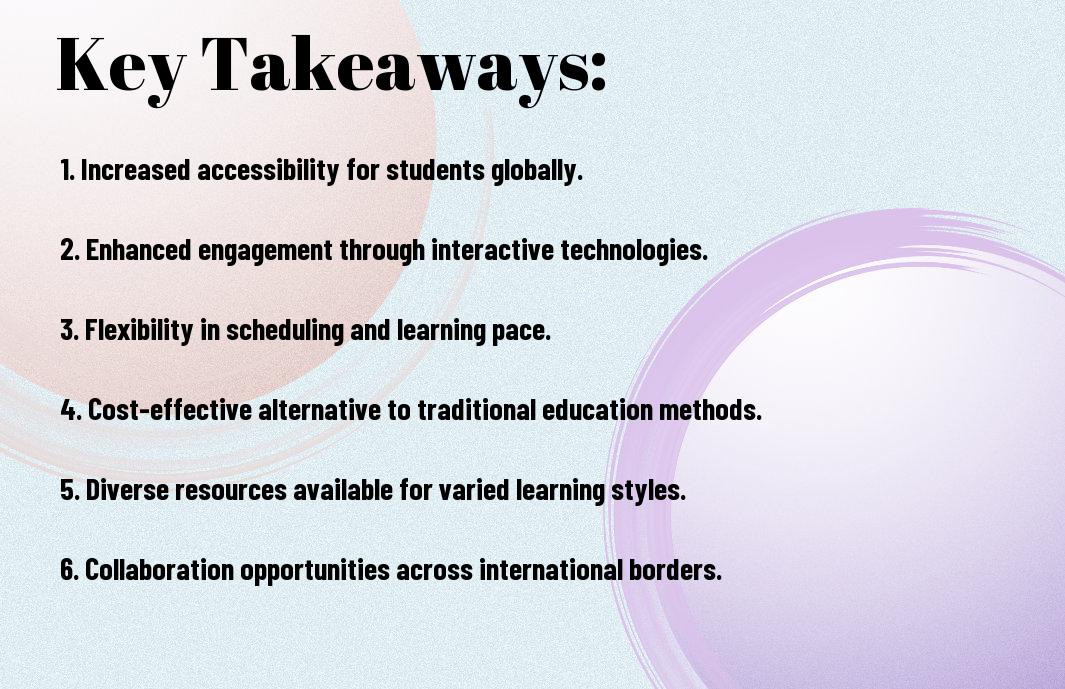
Key Takeaways:
  • The adoption of virtual classrooms has increased significantly due to advances in technology and the need for flexible learning options, allowing students to access educational resources from anywhere in the world.
  • Online learning platforms have made it possible to connect students with expert instructors from diverse backgrounds and locations, promoting global knowledge sharing and cultural exchange.
  • The personalization of learning experiences is a key benefit of virtual classrooms, as students can learn at their own pace and engage with interactive content that caters to their individual needs and learning styles.
  • Virtual classrooms have also enabled increased accessibility to education for students with disabilities or those living in remote areas, helping to bridge the education gap and promote equal opportunities for all.
  • The future of education is likely to be shaped by the continued growth of virtual classrooms, with artificial intelligence and virtual reality playing a major role in enhancing the learning experience and making it more immersive and engaging.

History of Virtual Classrooms

While exploring the concept of virtual classrooms, you’ll discover that their development has been a gradual process, spanning several decades, and influencing your understanding of online learning.

Early Beginnings

Begining with the first instances of distance learning, you find that educators have long sought ways to expand access to education, and your research will reveal that early experiments with virtual classrooms laid the groundwork for modern online learning.

Evolution of Technology

Around the turn of the century, you see that advancements in technology started to pave the way for more sophisticated virtual classrooms, and your observations will show that this period marked a significant shift in the way you approach online education.

And as you research deeper into the evolution of technology, you’ll notice that improvements in internet connectivity, video conferencing tools, and learning management systems have enabled the creation of immersive and interactive virtual learning environments, allowing you to engage with course materials and instructors in a more effective and personalized way.

Benefits of Virtual Classrooms

Any educator or learner can attest to the numerous advantages of virtual classrooms, which have transformed the way you learn and teach, offering flexibility, convenience, and effectiveness that traditional classrooms often cannot match.

Increased Accessibility

Around the globe, you can now access virtual classrooms, allowing you to learn from anywhere, at any time, as long as you have a stable internet connection, making it easier for you to fit learning into your busy schedule.

Personalized Learning

Along with the flexibility, virtual classrooms also provide you with the opportunity to learn at your own pace, allowing you to revisit and review material as many times as you need, which helps to reinforce your understanding of the subject matter.

Increased interaction with virtual learning materials enables you to engage more deeply with the content, and as you progress through your course, you can tailor your learning experience to suit your individual needs, helping you to stay motivated and focused on your goals, and ultimately, achieve your full potential.

Challenges in Implementing Virtual Classrooms

Your journey to implementing virtual classrooms may be hindered by several obstacles, including technical issues and teacher training, as discussed in The Digital Classroom Revolution: Surprising E-Learning Statistics and Trends, which highlights the need for careful planning and execution.

Technical Issues

One of the primary concerns is the reliability of your technology infrastructure, as poor internet connectivity and outdated hardware can disrupt the learning experience, causing frustration for both you and your students.

Teacher Training

Beside the technical aspects, you will also need to consider the training required for your teachers to effectively use virtual classroom tools and engage with students in a digital environment, which can be a significant challenge if not properly addressed.

Issues related to teacher training can be complex, and you will need to invest time and resources to ensure that your teachers are comfortable and confident using virtual classroom technology, which is necessary for a successful implementation, and this may involve providing ongoing support and professional development opportunities to help them adapt to new technologies and pedagogies.

Impact on Student Engagement

Now, as virtual classrooms become more prevalent, you can expect to see a significant shift in how students interact with educational content. This, in turn, affects your overall learning experience, making it more immersive and effective.

Improved Participation

Increased involvement is noticeable, as you find yourself more inclined to participate in discussions and activities, thanks to the comfort and convenience of a virtual setting.

Enhanced Motivation

Among the many benefits, you’ll notice that your motivation levels rise, as virtual classrooms provide a sense of autonomy and flexibility, allowing you to learn at your own pace.

At the heart of enhanced motivation is the ability to personalize your learning experience, which virtual classrooms effortlessly provide, enabling you to focus on areas that interest you the most, thereby increasing your enthusiasm and dedication to learning, and ultimately, leading to better academic outcomes for you.

Global Adoption of Virtual Classrooms

Despite the initial skepticism, virtual classrooms have gained widespread acceptance worldwide. You can learn more about The rise of virtual university creations in education and its impact on the education sector.

Developed Countries

Developing nations aside, you’ll find that developed countries have been at the forefront of adopting virtual classrooms, with many institutions investing heavily in digital infrastructure to support online learning.

Developing Countries

Below the surface of developed nations, you’ll find that developing countries are also embracing virtual classrooms, albeit at a slower pace, due to infrastructure and resource constraints.

Global trends indicate that as technology becomes more accessible, you can expect to see a significant surge in the adoption of virtual classrooms in developing countries, bridging the education gap and increasing access to quality education for your students.

Future of Virtual Classrooms

Once again, you will witness a significant transformation in the way you learn and interact with educators, as virtual classrooms continue to evolve and improve, offering you more personalized and immersive experiences.

Advancements in Technology

Alongside the development of new tools and platforms, you will have access to enhanced features, such as augmented reality and artificial intelligence, that will further enrich your virtual learning environment.

Changing Role of Teachers

Automatically, your instructors will need to adapt to new roles, focusing on guiding and mentoring you, rather than just lecturing, as virtual classrooms become more prevalent and student-centered.

In fact, as you navigate these changes, you will likely find that your teachers are more approachable and supportive, helping you to take ownership of your learning and make the most of the virtual classroom experience, with personalized feedback and real-time assessments that cater to your unique needs and learning style.

Conclusion

Summing up, you have witnessed the significant growth of virtual classrooms worldwide, transforming your learning experience. As you explore this new landscape, your access to global educational resources expands, allowing you to connect with peers and instructors from diverse backgrounds. Your ability to learn from anywhere, at any time, has become a reality, and you can expect continued innovation in virtual classrooms to shape your future educational pursuits.

FAQ

Q: What are the main factors driving the rise of virtual classrooms worldwide?

A: The main factors driving the rise of virtual classrooms worldwide include advancements in technology, increased access to high-speed internet, and the growing demand for flexible and accessible education. Additionally, the COVID-19 pandemic has accelerated the adoption of virtual classrooms, as many educational institutions were forced to shift to online learning to ensure continuity. The benefits of virtual classrooms, such as reduced costs, increased reach, and personalized learning experiences, have also contributed to their growing popularity.

Q: How do virtual classrooms enhance the learning experience for students?

A: Virtual classrooms enhance the learning experience for students in several ways. They provide access to high-quality educational resources and materials, allowing students to learn at their own pace and on their own schedule. Virtual classrooms also enable students to interact with instructors and peers from diverse backgrounds, fostering global connections and collaborations. Moreover, virtual classrooms often incorporate interactive and immersive technologies, such as virtual reality and gamification, which can increase student engagement and motivation. Overall, virtual classrooms offer a flexible, accessible, and engaging learning environment that can cater to different learning styles and needs.

Q: What are the potential challenges and limitations of virtual classrooms, and how can they be addressed?

A: The potential challenges and limitations of virtual classrooms include technical issues, such as connectivity problems and equipment failures, as well as social and emotional challenges, such as feelings of isolation and disconnection. To address these challenges, educational institutions can invest in reliable technology and provide technical support, as well as implement strategies to foster social connection and community-building, such as virtual discussion forums and social events. Additionally, instructors can use pedagogical approaches that promote interactive and collaborative learning, and provide regular feedback and support to students. By acknowledging and addressing these challenges, virtual classrooms can be designed to provide a high-quality and inclusive learning experience for all students.

How to Make the Most of Virtual Learning

You’re navigating the world of virtual learning, and you want to get the most out of your experience. As you explore this new landscape, you’ll find that staying engaged and motivated is key to your success. To help you achieve your goals, you can check out 7 Pro Tips for Engaging & Successful Virtual Classes to enhance your virtual learning experience and make the most of your time.

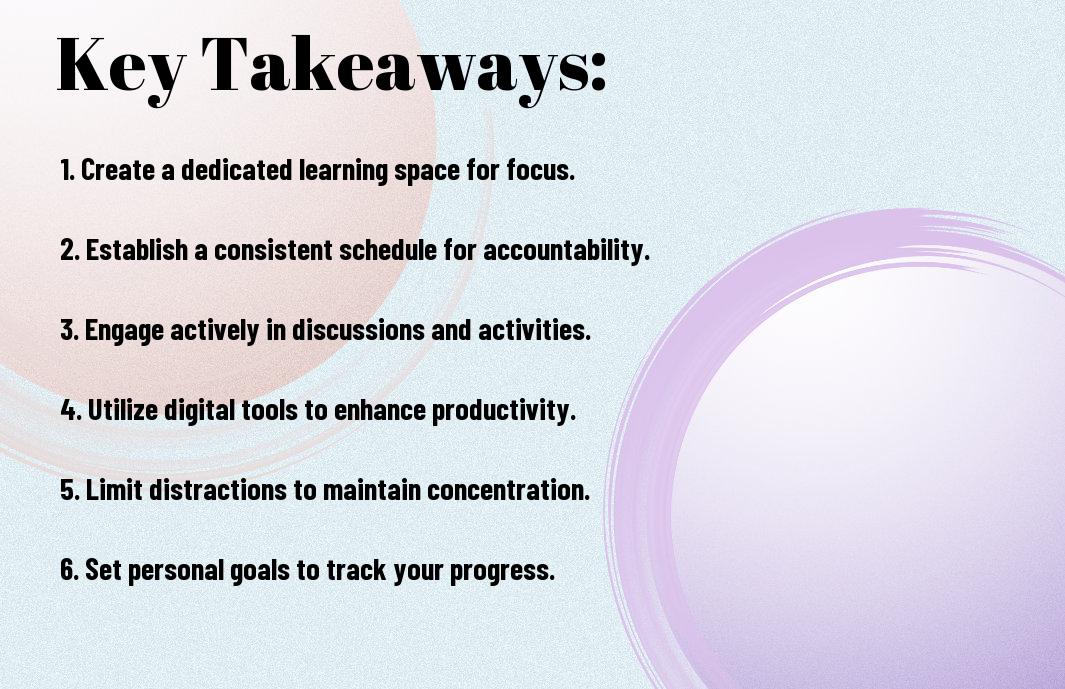
Key Takeaways:

To get the most out of virtual learning, consider the following points:

  • Establish a dedicated workspace to help you stay focused and avoid distractions during online classes.
  • Develop a schedule and stick to it, setting aside specific times for learning, breaks, and self-care.
  • Leverage technology to your advantage by utilizing digital tools and resources that enhance your online learning experience.
  • Active participation is key to getting the most out of virtual learning, so engage with instructors, ask questions, and contribute to discussions.
  • Seek support when needed, whether it’s from instructors, peers, or online communities, to help you stay motivated and overcome challenges.

Setting Up for Success

A well-structured approach is vital to achieving your virtual learning goals. You need to set yourself up for success by creating an environment that fosters productivity and focus.

Creating a Dedicated Learning Space

For the most effective learning experience, you should designate a specific area for studying, free from distractions and interruptions, where you can concentrate on your coursework.

Establishing a Routine

One of the key factors in successful virtual learning is establishing a routine that works for you, allowing you to stay organized and on track with your assignments and study schedule.

Indeed, having a routine helps you develop a sense of discipline and accountability, enabling you to make the most of your virtual learning experience, and you will find that you are better able to manage your time, prioritize tasks, and achieve your goals, as you progress through your course.

Effective Time Management

You need to manage your time wisely to get the most out of virtual learning, setting a schedule and sticking to it.

Prioritizing Tasks and Goals

To maximize your productivity, prioritize tasks based on importance and deadlines, focusing on the most significant ones first.

Avoiding Distractions and Staying Focused

Staying on track is important; eliminate distractions by creating a conducive learning environment and minimizing interruptions.

Further, to minimize procrastination, break down large tasks into smaller, manageable chunks, and take regular breaks to maintain your concentration and retain information better.

Engaging with Course Materials

Keep your virtual learning experience engaging by exploring the various course materials provided to you. You can access textbooks, articles, and other resources from the comfort of your own space, allowing you to learn at your own pace.

Actively Participating in Online Discussions

Across the online learning platform, you will find discussion forums where you can interact with your peers and instructors. You will be able to share your thoughts, ask questions, and learn from others, making your learning experience more collaborative and dynamic.

Utilizing Multimedia Resources

Around the clock, you will have access to a variety of multimedia resources, including videos, podcasts, and interactive tutorials. You can use these resources to supplement your learning, revisit complex topics, and explore new concepts in a more engaging way.

Understanding how to effectively utilize multimedia resources is key to enhancing your virtual learning experience. You can use videos to watch lectures, podcasts to listen to discussions, and interactive tutorials to practice what you have learned. By incorporating these resources into your study routine, you will be able to deepen your understanding of the course materials and stay motivated throughout your learning journey.

Staying Motivated and Accountable

Once again, your motivation and accountability are key to success in virtual learning. You need to find ways to stay engaged and motivated, such as setting goals and tracking progress, to get the most out of your virtual learning experience.

Setting Realistic Expectations and Rewards

The key to motivating yourself is to set achievable goals and reward your progress. You can set specific targets and deadlines, and reward yourself when you achieve them, helping you stay motivated and focused throughout your virtual learning journey.

Building a Support Network

With a support network, you can stay connected and motivated. You can join online communities, forums, or social media groups to connect with other learners, share experiences, and get help when you need it, making your virtual learning experience more enjoyable and effective.

Even as you build your support network, you will find that it becomes an imperative part of your virtual learning experience. You will have access to a community of learners who understand your challenges and can offer valuable advice and support, helping you to overcome obstacles and achieve your goals. By engaging with your support network, you can stay motivated, get feedback, and develop a sense of belonging, all of which are imperative for success in virtual learning.

Overcoming Technical Challenges

After encountering technical issues, you can take steps to resolve them and continue with your virtual learning. This involves identifying the problem, seeking help, and finding alternative solutions to stay on track.

Troubleshooting Common Issues

With patience and practice, you will become proficient in troubleshooting common technical problems, such as internet connectivity and software compatibility, allowing you to quickly get back to your online learning.

Accessing Technical Support

Beside your own problem-solving skills, you can also rely on your institution’s technical support team to help you overcome any technical hurdles that may arise during your virtual learning journey.

Indeed, accessing technical support is an crucial part of virtual learning, and you should be aware of the various channels available to you, such as email, phone, or live chat, to get the help you need in a timely and efficient manner, ensuring that your learning experience is not disrupted by technical issues.

Evaluating Progress and Achievements

Your progress in virtual learning can be evaluated by tracking your performance and grades, and reflecting on your learning experiences. You can find helpful Tips for Learning Online to improve your learning outcomes.

Tracking Performance and Grades

At this stage, you will be monitoring your grades and performance regularly, identifying areas of improvement and adjusting your learning plan accordingly.

Reflecting on Learning Experiences

Along with tracking your grades, you will also be reflecting on your learning experiences, thinking about what you have learned and how you can apply it in real-life situations.

Another aspect of reflecting on your learning experiences is to think about what worked well for you and what didn’t, and use this information to make adjustments to your learning approach, helping you to make the most of your virtual learning experience and achieve your goals.

To wrap up

Ultimately, you can maximize your virtual learning experience by staying organized and engaged. You will find it helpful to check out 15 Tips to Succeed in an Online Class for more guidance. By following these tips, you can make the most of your online courses and achieve your academic goals. You will be able to take control of your learning and make steady progress in your educational journey.

FAQ

Q: What are the key components to a successful virtual learning environment?

A: To make the most of virtual learning, it is crucial to have a dedicated workspace with minimal distractions, a reliable computer or device, and a stable internet connection. Additionally, a headset or speakers, a webcam, and a microphone are necessary for effective communication and engagement. Having the right tools and technology in place will help you stay focused and ensure a seamless learning experience.

Q: How can I stay organized and manage my time effectively in a virtual learning setting?

A: To stay organized, create a schedule and stick to it, just as you would in a traditional classroom. Set reminders for upcoming assignments, deadlines, and virtual meetings. Utilize digital calendars, planners, or apps to keep track of your tasks and submissions. It is also vital to establish a routine for checking and responding to messages from instructors and peers to avoid missing important updates or discussion opportunities. By prioritizing tasks and managing your time wisely, you can maintain a healthy balance between learning and other aspects of your life.

Q: What strategies can I use to engage actively with the course material and interact with my virtual classmates?

A: To engage actively with the course material, participate in online discussions by posting thoughtful questions, insights, and reflections. Engage with multimedia content such as videos, podcasts, and interactive simulations to deepen your understanding of the subject matter. Collaborate with your peers on group projects and assignments to foster teamwork and shared knowledge. Moreover, take advantage of virtual office hours to ask instructors questions and seek feedback on your progress. By being an active participant in the virtual learning community, you can enhance your learning outcomes and develop meaningful connections with your classmates.

How to Stay Connected in a Virtual Classroom

As you navigate the world of online learning, you’re probably wondering how to make meaningful connections with your instructors and fellow students. You’re not alone in this feeling – many students struggle to feel engaged in a virtual environment. Fortunately, there are ways to combat this sense of isolation. For instance, you can check out 4 Ways to Connect With Students in a Virtual Classroom to get started, and then discover more tips and tricks to help you stay connected and thrive in your virtual classroom.

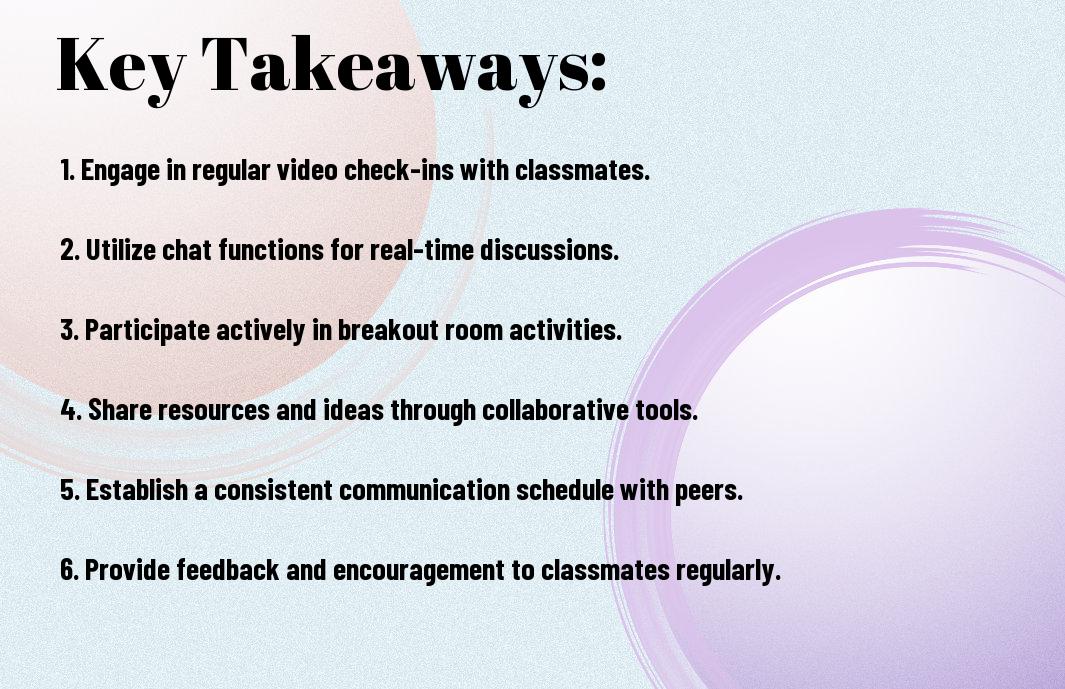
Key Takeaways:

To maintain a productive and engaging learning environment in a virtual classroom, consider the following points:

  • Establish a strong online presence by being visible and approachable to students, fostering a sense of community and encouraging participation.
  • Utilize video conferencing tools to facilitate face-to-face interaction, promoting a more personal connection among students and instructors.
  • Foster open communication by setting clear expectations and providing regular feedback, helping students stay motivated and focused throughout the course.
  • Encourage collaboration among students through group projects and discussions, promoting teamwork and problem-solving skills in a virtual setting.
  • Leverage technology to create an interactive learning environment, incorporating multimedia resources and real-time assessments to enhance student engagement and understanding.

Setting Up Your Virtual Classroom

To establish a virtual classroom, you’ll need to consider a few key elements. You’ll want to create an environment that’s conducive to learning, with the right tools and technology to support your students.

Choosing the Right Platform

Any virtual classroom platform you select should be user-friendly and accessible to all your students. You’ll want to explore options that offer features like video conferencing, screen sharing, and chat functionality to facilitate interaction and engagement.

Configuring Your Equipment

Before you start teaching, you’ll need to set up your equipment, including your computer, webcam, and microphone. You’ll want to ensure that your internet connection is stable and that your audio and video are clear and of high quality.

Understanding how to configure your equipment is vital to a successful virtual classroom experience. You’ll want to familiarize yourself with the settings and features of your equipment, and test them beforehand to avoid any technical issues during your classes. This will help you to create a seamless and effective learning environment for your students, and allow you to focus on what matters most – teaching and engaging with them.

Effective Communication Strategies

The key to a successful virtual classroom lies in your ability to convey ideas and facilitate discussions. You’ll need to be intentional about creating opportunities for interaction and feedback, using tools like video conferencing and instant messaging to stay connected with your students.

Verbal and Nonverbal Cues

One of the most significant challenges in a virtual setting is conveying nonverbal cues, such as body language and facial expressions. You can use video conferencing to help you pick up on these cues and adjust your teaching style accordingly, making sure your students feel seen and heard.

Encouraging Student Participation

Behind every successful virtual classroom is a teacher who knows how to draw out their students. You can do this by asking open-ended questions, using breakout rooms, and encouraging collaboration on projects, which helps to build a sense of community and shared purpose among your students.

To take it to the next level, you can also use interactive tools like polls, quizzes, and discussions to keep your students engaged and motivated. By doing so, you’ll create a space where your students feel comfortable sharing their thoughts and ideas, and where they can learn from one another, making the virtual classroom feel more like a real, vibrant community.

Building a Sense of Community

Many virtual classrooms struggle to replicate the sense of connection found in traditional settings, but with a little effort, you can create a thriving online community that supports your learning journey. You can start by encouraging open communication, sharing personal experiences, and celebrating each other’s successes.

Icebreaker Activities

Beneath the surface of any successful virtual classroom lies a foundation of familiarity and comfort, which you can establish through icebreaker activities that help you get to know your fellow students and instructors. You’ll find that these activities can be as simple as sharing your favorite hobbies or interests, and they can go a long way in breaking down barriers and fostering connections.

Fostering Collaboration and Teamwork

Alongside the need for individual connection, you’ll also want to create opportunities for collaboration and teamwork, which can be achieved through group projects, discussions, and peer review. You’ll be amazed at how these interactions can help you learn from one another, share knowledge, and develop a sense of camaraderie that enhances your overall learning experience.

And as you investigate deeper into collaborative work, you’ll discover that your virtual classroom can become a vibrant hub of activity, with you and your peers working together to achieve common goals, sharing resources, and supporting each other through challenges. You’ll find that this collective effort not only enriches your learning but also helps you develop important skills in communication, problem-solving, and leadership, which will serve you well beyond the virtual classroom.

Managing Virtual Classroom Dynamics

Despite the distance, you can still create a sense of community in your virtual classroom by being approachable and engaging with your students.

Establishing Clear Expectations

Similarly, dynamics are key to a successful virtual classroom, and you can establish this by setting clear expectations for participation and communication from the start, making sure your students know what to expect.

Handling Technical Issues

For instance, you’ll need to be prepared for technical issues that may arise, and have a plan in place to troubleshoot problems quickly and efficiently, so you can get back to teaching without interruption.

Plus, when handling technical issues, you’ll want to stay calm and patient, as your students will take their cue from you, and a positive attitude can go a long way in resolving problems and keeping your virtual classroom running smoothly, allowing you to focus on what matters most – teaching and learning.

Engaging Students in Virtual Lessons

Not all students thrive in a virtual environment, but with the right strategies, you can keep them invested in the learning process. You’ll need to be creative and flexible to hold their attention and encourage participation.

Interactive Tools and Resources

Among the many options available, you’ll find that interactive whiteboards, videos, and collaborative software can be powerful tools to enhance your virtual lessons. You can use these resources to create engaging presentations, facilitate discussions, and encourage teamwork.

Real-time Feedback and Assessment

To get the most out of your virtual lessons, you’ll want to provide your students with immediate feedback and assessment. You can use online polling tools, quizzes, and discussions to gauge their understanding and adjust your teaching on the fly.

Students will appreciate the opportunity to track their progress and receive constructive feedback in real-time. You can use this feedback to identify areas where your students need extra support, and adjust your lesson plans accordingly, helping you to refine your teaching and improve student outcomes. As you do this, you’ll find that your virtual classroom becomes a more dynamic and responsive learning environment, where you can respond to the needs of your students and help them achieve their full potential.

Overcoming Common Challenges

Unlike traditional classrooms, virtual classrooms come with their own set of challenges that you’ll need to navigate. You’ll face issues like technical difficulties, communication barriers, and student motivation, but with the right strategies, you can overcome them and create a engaging learning environment.

Time Zone Differences and Scheduling

Against the backdrop of a global classroom, you’ll need to contend with time zone differences and scheduling conflicts. You’ll have to find ways to accommodate students from different parts of the world, ensuring that everyone can participate and engage with the material.

Maintaining Student Motivation

Outlasting the initial enthusiasm, you’ll need to devise strategies to keep your students motivated and invested in the course. You’ll have to create a sense of community and connection, encouraging students to participate and engage with the material.

In fact, maintaining student motivation is an ongoing process that requires creativity and effort. You can use various techniques such as gamification, discussion forums, and personalized feedback to keep your students engaged and motivated throughout the course. As you experiment with different approaches, you’ll find what works best for your students and your teaching style, helping you to build a supportive and inclusive virtual classroom environment that fosters learning and growth.

Conclusion

As a reminder, you now have the tools to stay connected in a virtual classroom. You’ve learned how to engage with your peers, participate in discussions, and build relationships with your instructors. With these skills, you can create a sense of community and make the most of your online learning experience. By staying connected, you’ll find that your virtual classroom feels more like a collaborative space, and you’ll be more likely to succeed in your studies. Your online education will be a more enjoyable and rewarding experience.

FAQ

Q: How can I effectively communicate with my instructor and peers in a virtual classroom?

A: To stay connected with your instructor and peers, utilize the various communication tools provided by the virtual classroom platform, such as video conferencing, instant messaging, and discussion forums. Regularly check the platform for announcements and updates, and don’t hesitate to reach out to your instructor or peers via email or phone if you have questions or need clarification on any topic. Additionally, participate in virtual office hours and group discussions to engage with your instructor and peers in real-time.

Q: What strategies can I use to stay engaged and motivated in a virtual classroom environment?

A: To stay engaged and motivated, create a dedicated learning space that is quiet, comfortable, and free from distractions. Establish a routine and stick to it, just as you would in a traditional classroom. Set specific goals and deadlines for yourself, and break down larger tasks into smaller, manageable chunks. Actively participate in virtual discussions and activities, and seek help when needed. You can also use tools like calendars, reminders, and to-do lists to stay organized and on track. Furthermore, reward yourself for achieving milestones and completing assignments to stay motivated.

Q: How can I troubleshoot technical issues and access support in a virtual classroom?

A: If you encounter technical issues in the virtual classroom, start by checking the platform’s troubleshooting guide or FAQ section for solutions to common problems. If the issue persists, contact the platform’s technical support team via phone, email, or live chat. You can also reach out to your instructor or teaching assistant for assistance, as they may be able to provide guidance or point you in the right direction. Additionally, make sure your computer or device meets the minimum system requirements for the virtual classroom platform, and keep your software and browser up to date to prevent compatibility issues. It’s also a good idea to have a backup plan, such as a secondary device or internet connection, in case of an emergency.

The Role of Virtual Reality in Online Education

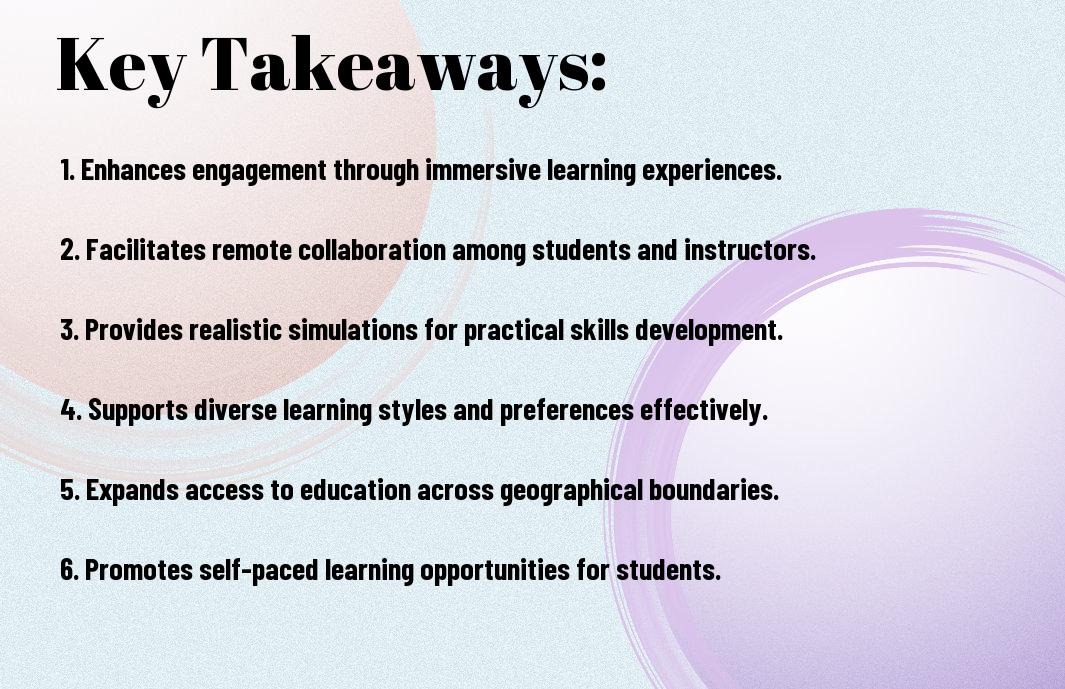
Key Takeaways:

  • The use of Virtual Reality in online education can greatly enhance the learning experience by providing an immersive and interactive environment for students to engage with the course material.
  • Personalized learning is another significant benefit of incorporating Virtual Reality into online education, as it allows students to learn at their own pace and focus on areas where they need improvement.
  • The implementation of Virtual Reality in online education can also increase student engagement and motivation, as it provides a more enjoyable and dynamic way of learning compared to traditional methods.
  • Cost-effective solutions can be achieved through the use of Virtual Reality in online education, as it eliminates the need for physical infrastructure and transportation, making it more accessible to a wider range of students.
  • The integration of Virtual Reality in online education can also provide real-time feedback and assessment, enabling instructors to track student progress and adjust their teaching methods accordingly to improve learning outcomes.

The Potential of Virtual Reality

While virtual reality (VR) is still a developing technology, you can expect it to play a significant role in shaping the future of online education. As you explore the potential of VR, you’ll discover its ability to create immersive and interactive learning experiences.

Enhancing Student Engagement

Around the concept of student engagement, you’ll find that VR has the potential to increase participation and motivation in your online courses. By providing an immersive experience, you can capture your students’ attention and encourage them to take a more active role in their learning.

Improving Learning Outcomes

Outcome-based research suggests that VR can have a positive impact on your students’ learning outcomes. As you incorporate VR into your teaching methods, you can expect to see improvements in knowledge retention and understanding of complex concepts.

With the ability to simulate real-world environments and scenarios, you can create personalized learning experiences that cater to your students’ individual needs. As you utilize VR in your online education, you’ll be able to track your students’ progress and adjust your teaching strategies to optimize their learning outcomes, allowing you to make data-driven decisions to improve your educational content and delivery.

Technical Requirements

Some technical specifications are necessary for a seamless virtual reality experience in online education. You can explore more about this topic in a publication on Web and virtual reality as platforms to improve online education experiences.

Hardware and Software Needs

One of the primary considerations for virtual reality in online education is the hardware and software you will need. You will require a compatible device, headset, and controllers to facilitate an immersive experience.

Accessibility and Affordability

Before implementing virtual reality in your online education, consider the accessibility and affordability of the technology for your students. You need to ensure that your students have access to the necessary hardware and software.

And as you investigate deeper into the aspects of accessibility and affordability, you will find that there are various options available to make virtual reality more inclusive, such as affordable headsets and free software, allowing you to provide your students with an immersive learning experience without breaking the bank.

Pedagogical Applications

Now, as you explore the role of virtual reality in online education, you’ll discover its numerous pedagogical applications, transforming the way you learn and interact with educational content.

Simulations and Interactive Models

Bridging the gap between theory and practice, you can use virtual reality to create immersive simulations and interactive models that enhance your understanding of complex concepts and systems.

Virtual Field Trips and Explorations

Similarly, you can use virtual reality to commence on virtual field trips and explorations, allowing you to visit and interact with remote or inaccessible locations in a highly immersive and engaging way.

In fact, as you probe deeper into virtual field trips and explorations, you’ll find that they offer a wide range of benefits, including increased accessibility, cost-effectiveness, and flexibility, enabling you to explore and learn about different environments and phenomena in a highly interactive and immersive manner, which can be tailored to your individual needs and learning style.

Challenges and Limitations

All online educational institutions face challenges when implementing virtual reality. You will encounter technical and equity issues that can hinder your progress.

Technical Issues and Glitches

By leveraging virtual reality, you may experience glitches and technical issues that can disrupt your learning experience, causing frustration and affecting your engagement.

Equity and Inclusion Concerns

The accessibility of virtual reality technology can be a concern, as you may not have equal access to the necessary equipment, which can create a divide among students.

Further, as you consider virtual reality in online education, you should think about how to address equity and inclusion concerns, ensuring that all students have the opportunity to benefit from this technology, regardless of their background or socioeconomic status, and that your educational institution provides the necessary support and resources to bridge any gaps.

Teacher Training and Support

For educators to effectively integrate virtual reality into their online education, they need proper training and support. You will need to learn how to use the technology and incorporate it into your curriculum. This will enable you to provide high-quality education to your students.

Professional Development Opportunities

Beneath the surface of successful virtual reality integration lies a need for ongoing professional development. You can take advantage of workshops, conferences, and online courses to enhance your skills and knowledge in using virtual reality technology.

Best Practices for Implementation

Alongside the development of your skills, you should consider best practices for implementing virtual reality in your online education. You will want to ensure that you are using the technology in a way that is engaging and effective for your students.

Consequently, as you probe deeper into the implementation of virtual reality, you will discover the importance of setting clear learning objectives and outcomes. You should also consider the technical requirements and ensure that your students have access to the necessary equipment and support. By doing so, you will be able to create an immersive and interactive learning experience that enhances your students’ understanding and retention of the material.

Future Directions

Keep in mind that virtual reality in online education will continue to evolve, offering new opportunities for engagement and learning.

Emerging Trends and Innovations

Trending technologies like augmented reality and mixed reality will further enhance your online learning experience, providing more interactive and immersive environments.

Potential for Personalized Learning

With the help of virtual reality, you can expect more tailored learning experiences, addressing your individual needs and learning styles, making education more effective.

Considering your unique learning preferences, virtual reality can help create personalized learning paths, allowing you to focus on areas that interest you the most, and thereby increasing your overall learning outcomes and satisfaction with the educational process.

Final Words

Presently, you can see the significant impact of virtual reality on online education, enhancing your learning experience. As you explore this technology, you will find that it offers personalized and immersive lessons, increasing your engagement and knowledge retention. You can expect virtual reality to continue shaping your educational journey, making it more interactive and effective, and you will be able to access a wide range of courses and resources in a more engaging way.

FAQ

Q: What is the role of Virtual Reality in Online Education?

A: Virtual Reality (VR) plays a significant role in online education by providing immersive and interactive learning experiences for students. VR technology enables students to engage with complex concepts and simulations in a highly realistic and engaging manner, which can enhance their understanding and retention of the subject matter. By leveraging VR, online educators can create interactive 3D models, virtual labs, and simulated environments that allow students to explore and learn in a more experiential way, making online education more effective and enjoyable.

Q: How can Virtual Reality enhance the learning experience in online education?

A: Virtual Reality can enhance the learning experience in online education in several ways. Firstly, it provides a highly interactive and immersive environment that can increase student engagement and motivation. Secondly, VR allows students to visualize complex concepts and processes in 3D, making it easier for them to understand and analyze the subject matter. Additionally, VR enables students to participate in simulated experiments and activities that would be difficult or impossible to conduct in a traditional online learning setting, providing a more hands-on and experiential learning experience. Overall, VR has the potential to make online education more engaging, effective, and enjoyable for students.

Q: What are the potential benefits and challenges of implementing Virtual Reality in online education?

A: The potential benefits of implementing Virtual Reality in online education include increased student engagement and motivation, improved learning outcomes, and enhanced student satisfaction. Additionally, VR can provide equal access to educational opportunities for students with disabilities and those located in remote areas. However, there are also challenges to implementing VR in online education, such as the high cost of VR equipment and software, the need for specialized technical support, and the potential for technical issues and glitches. Furthermore, educators may need to develop new skills and pedagogies to effectively integrate VR into their online courses, which can be a time-consuming and resource-intensive process. Despite these challenges, the potential benefits of VR in online education make it an exciting and promising area of innovation and development.

How to Build Community in Virtual Learning

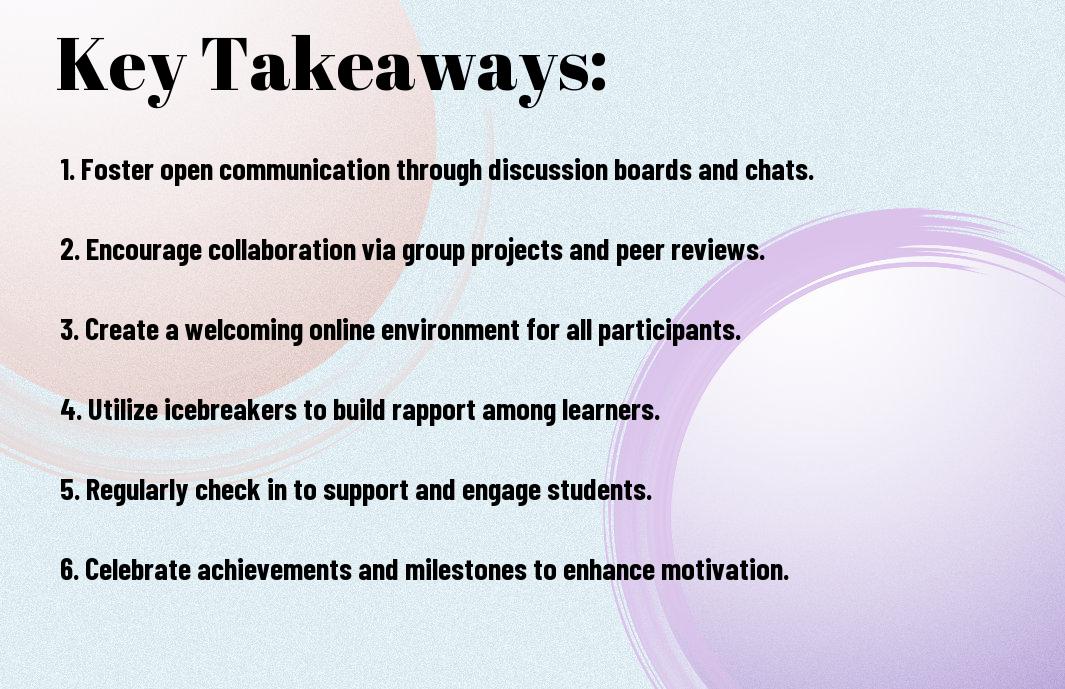
Key Takeaways:

To build a strong sense of community in virtual learning environments, consider the following points:

  • Establish a Sense of Belonging by creating opportunities for students to interact with each other and with instructors through Virtual Meetings and Discussion Forums.
  • Foster Open Communication by setting clear expectations and encouraging students to share their thoughts and ideas through Regular Feedback and Live Sessions.
  • Use Collaborative Tools such as Group Projects and Peer Review to promote teamwork and Social Learning among students.
  • Encourage Student Engagement by incorporating Gamification and Interactive Activities that promote Participation and Motivation.
  • Provide Technical Support and Training to ensure that students have the necessary skills to navigate the virtual learning environment and Access to all the necessary resources.

Setting the Foundation

A strong foundation is vital for building community in virtual learning. As you commence on this journey, you’ll need to establish a sense of belonging and connection among your learners. This involves creating a shared space where everyone feels welcome and valued.

Building Trust in a Virtual Environment

By taking the time to get to know your learners, you can foster a sense of trust and camaraderie. You’ll need to be approachable, responsive, and transparent in your interactions, setting the tone for a positive and supportive community.

Encouraging Open Communication

Across the virtual landscape, you’ll want to create opportunities for your learners to share their thoughts, ideas, and concerns. You can do this by using discussion forums, live chats, and video conferencing to facilitate open and honest communication.

Communication is the lifeblood of any community, and in a virtual learning environment, it’s especially vital. As you encourage your learners to share their perspectives and engage with one another, you’ll begin to see a rich tapestry of connections and relationships emerge. You’ll notice that your learners are more likely to participate, to take risks, and to support one another, and this, in turn, will help to build a strong and resilient community that will thrive in the virtual space.

Creating Engaging Content

If you want to capture your students’ attention, you’ll need to craft content that sparks their curiosity and ignites their passion for learning. As you design your virtual lessons, consider what will resonate with your audience and leave a lasting impression.

Interactive Lessons and Activities

Betwixt the screens and software, you’ll find a world of possibilities for interactive learning. You can create immersive experiences that draw your students in and encourage them to participate, share, and collaborate with one another.

Utilizing Multimedia Resources

Only by incorporating a variety of multimedia resources can you create a rich and dynamic learning environment. You can use videos, podcasts, and images to convey complex ideas in an engaging and accessible way, making your content more enjoyable and effective for your students.

Lessons that incorporate multimedia resources can be particularly effective in a virtual setting, as they allow you to cater to different learning styles and abilities. As you explore the possibilities of multimedia, you’ll discover new ways to make your content more engaging, interactive, and memorable, helping your students to stay motivated and invested in their learning journey.

Fostering Connections

Once again, you find yourself wondering how to bring your virtual students together. You can learn How to Forge a Strong Community in an Online Classroom by exploring successful strategies from educators who have paved the way.

Virtual Icebreakers and Team-Building Exercises

By introducing engaging activities, you can help your students feel more connected. Virtual icebreakers and team-building exercises are an excellent way to initiate meaningful interactions among your students, making your online classroom feel more like a community.

Encouraging Student Participation and Feedback

Similarly, icebreakers can lead to increased participation, as students become more comfortable sharing their thoughts and ideas with their peers. You can design activities that encourage feedback, allowing students to reflect on their learning and provide insights on how to improve the virtual learning experience.

Participation is the key to a thriving online community, and as you encourage your students to take an active role, you’ll notice a significant shift in their engagement. You’ll see them supporting one another, sharing their perspectives, and collaborating on projects, all of which will help to foster a sense of belonging and connection in your virtual classroom, making the learning experience more enjoyable and effective for everyone involved.

Establishing a Sense of Community

Not every virtual learning environment feels welcoming, but you can change that by creating a sense of belonging. You can learn from experts at Making Virtual Vibes Real: How to Build a Strong Classroom Community Online, and discover new ways to engage your students.

Creating a Shared Online Space

Shared online spaces can foster a sense of togetherness, and you can use platforms to create a virtual hub for your students to connect and collaborate, making your virtual learning environment feel more intimate.

Hosting Virtual Events and Workshops

Behind the scenes, you’re working hard to create an engaging experience, and hosting virtual events can help you achieve that, allowing you to bring your students together in a way that feels dynamic and interactive.

For instance, you can host webinars, virtual office hours, or online discussions, and use tools like video conferencing software to make these events feel more personal, allowing you to see your students’ faces and gauge their reactions, making the experience feel more immersive and engaging for everyone involved, and helping you build a stronger sense of community in your virtual learning environment.

Overcoming Challenges

After establishing your virtual learning community, you’ll likely encounter obstacles that test your resolve and creativity. Your ability to adapt and innovate will be important in overcoming these hurdles and fostering a thriving online environment.

Addressing Technical Issues and Accessibility Concerns

Issues such as connectivity problems and inadequate digital resources can hinder your progress, but you can mitigate these by providing clear guidelines and support for your students, ensuring that everyone has an equal opportunity to participate and learn.

Managing Conflict and Maintaining a Positive Online Environment

With a diverse group of students, conflicts can arise, but you can address them by establishing clear expectations and encouraging open communication, creating a safe and respectful space for all participants to engage and grow.

Addressing conflicts in a timely and constructive manner is vital to maintaining a positive online environment, and you can achieve this by actively listening to your students’ concerns, remaining empathetic and impartial, and seeking solutions that benefit the entire community, allowing your virtual learning space to flourish and become a vibrant hub of collaboration and discovery.

Evaluating Success

Now that you’ve built your virtual learning community, it’s time to evaluate its success. You’ll want to assess what’s working and what areas need improvement. This will help you refine your approach and create a more effective learning environment for your students.

Assessing Student Engagement and Participation

Among the key indicators of a thriving virtual learning community is student engagement. You’ll want to look at metrics such as login frequency, discussion board participation, and assignment completion rates to gauge student involvement.

Gathering Feedback and Making Improvements

Along with assessing student engagement, you’ll also want to gather feedback from your students. You can use surveys, polls, or one-on-one check-ins to collect feedback and identify areas for improvement.

The feedback you gather will be invaluable in helping you refine your virtual learning community. You’ll be able to identify what’s working and what’s not, and make adjustments to better meet the needs of your students. As you make improvements, you’ll find that your community becomes more vibrant and effective, and your students will thrive in this supportive and engaging environment. You’ll be able to tailor your approach to their needs, and watch as they grow and succeed.

Summing up

The path to building community in virtual learning is yours to forge, and as you begin on this journey, you’ll discover that your connections with others are the very fabric that weaves a rich and immersive experience. You’ll find that your interactions, your shared moments, and your collective discoveries all blend together to create a sense of belonging that transcends the virtual realm, and as you look back, you’ll see that your community has become a vibrant, thriving entity that illuminates your learning path.

FAQ

Q: What are the key elements to consider when building a community in virtual learning environments?

A: When building a community in virtual learning environments, it’s necessary to consider several key elements. First, establish clear expectations and goals for the community, ensuring all participants understand their roles and responsibilities. Second, foster open communication by utilizing various tools such as discussion forums, video conferencing, and instant messaging. Third, encourage active participation by incorporating interactive activities, group projects, and peer-to-peer feedback. Lastly, ensure accessibility and inclusivity by providing accommodations and support for diverse learners. By considering these elements, you can create a vibrant and engaging community that supports the academic and social growth of all participants.

Q: How can instructors effectively facilitate meaningful interactions among students in a virtual learning setting?

A: Instructors can facilitate meaningful interactions among students in a virtual learning setting by implementing strategies that promote collaboration and socialization. One approach is to design group projects that require students to work together to achieve a common goal, promoting teamwork and problem-solving skills. Another strategy is to use breakout rooms or small group discussions, allowing students to engage in more intimate conversations and build relationships. Additionally, instructors can create social spaces, such as virtual cafes or lounges, where students can informally interact and connect with one another. By providing these opportunities, instructors can help students develop a sense of belonging and connection in the virtual learning environment.

Q: What role do technology and digital tools play in building and maintaining a virtual learning community?

A: Technology and digital tools play a significant role in building and maintaining a virtual learning community. They provide the infrastructure for communication, collaboration, and socialization among participants. Learning management systems, online discussion forums, and video conferencing tools enable instructors to share resources, facilitate discussions, and engage with students in real-time. Social media platforms and online communities can also be leveraged to extend the virtual learning environment, allowing students to connect with one another and with the broader academic community. Furthermore, digital tools such as polls, quizzes, and gamification elements can be used to increase student engagement and motivation, helping to foster a sense of community and shared purpose among participants.

Skip to content