Virtual

Top Tips for Success in Virtual Classrooms

As you step into the virtual classroom, you’re about to begin on a new learning journey. You’ll need to adapt and evolve to succeed. To help you thrive, you can explore Student Engagement Strategies for Virtual Classroom Success and discover how to make the most of your online education. Your path to success starts here, with practical advice and expert insights to guide you through the virtual learning landscape.

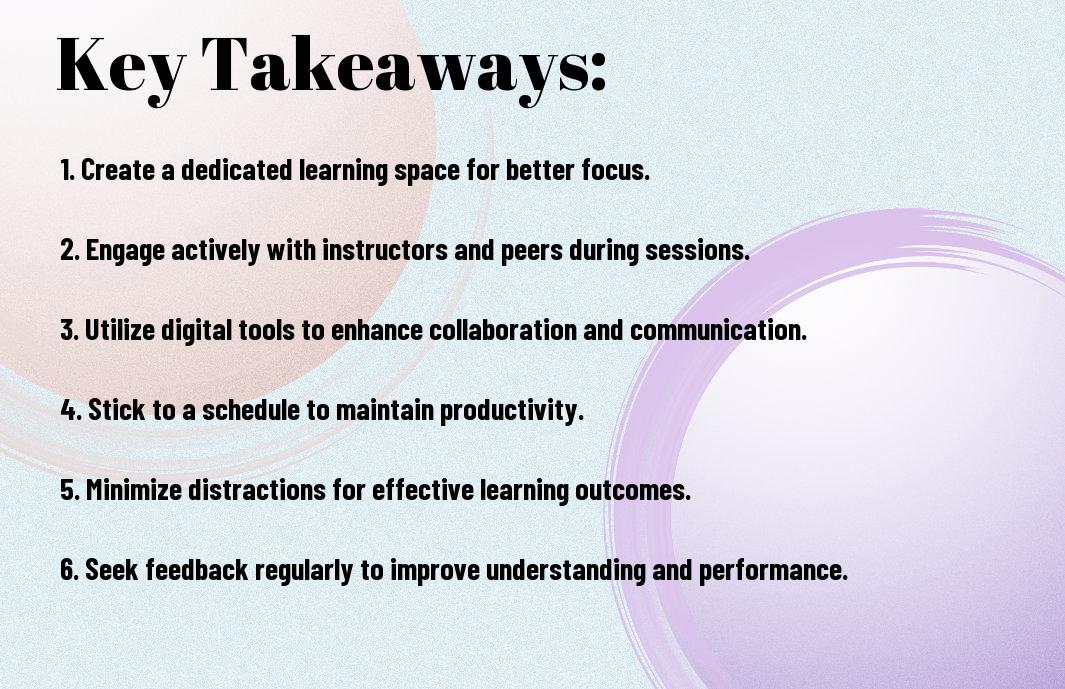
Key Takeaways:

To achieve success in virtual classrooms, consider the following points:

  • Establish a Virtual Routine to maintain a sense of structure and normalcy for students, helping them stay engaged and motivated throughout the learning process.
  • Utilize Interactive Tools such as video conferencing software, online whiteboards, and collaboration platforms to facilitate Real-Time Feedback and encourage student participation.
  • Foster a Supportive Learning Environment by promoting open communication, addressing technical issues promptly, and providing Personalized Support to students who need it.
  • Develop Engaging Content that incorporates multimedia elements, such as videos and gamification, to keep students interested and invested in the learning material.
  • Monitor Student Progress regularly, using data and analytics to identify areas where students may need extra help, and adjust the virtual classroom strategy accordingly to ensure Optimal Learning Outcomes.
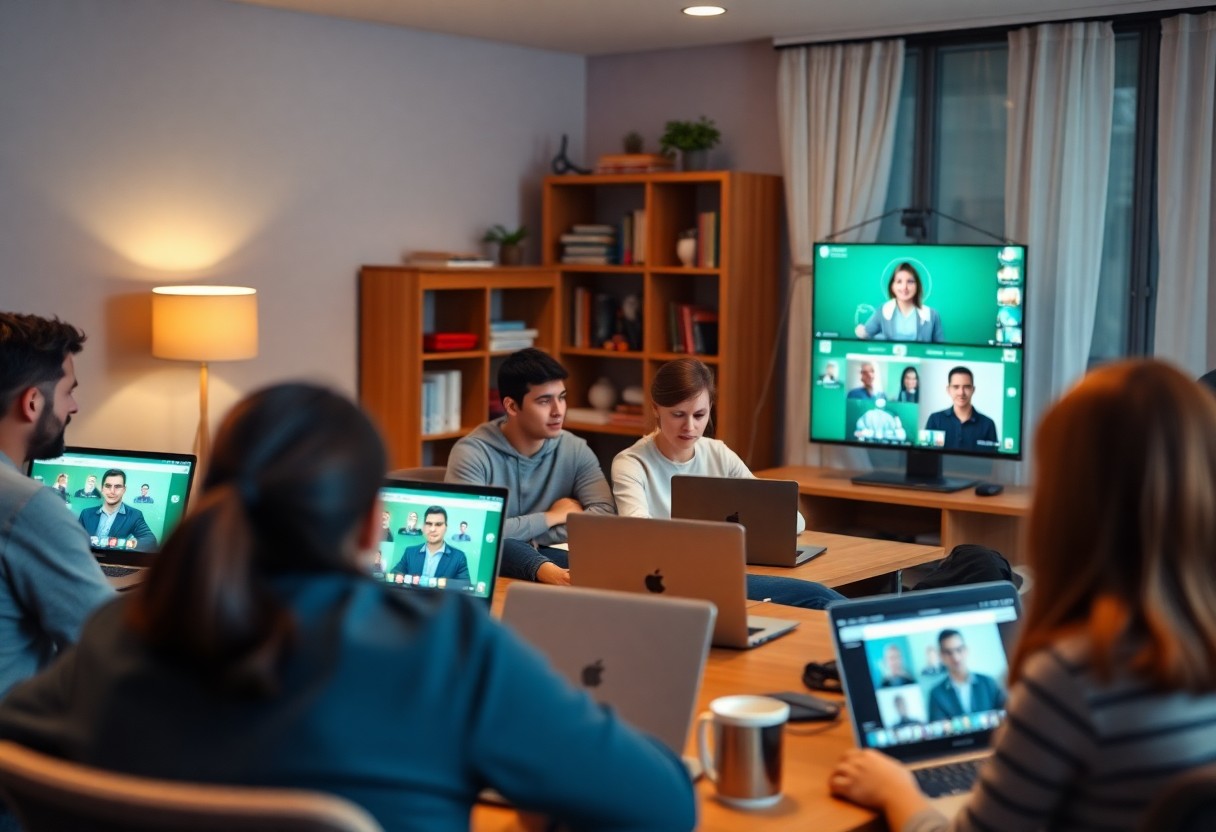
Setting Up for Success

To ensure a smooth virtual learning experience, you’ll want to lay the groundwork for success. You can find helpful guidance by visiting 10 Tips Critical for Online Learning Success | ODUGlobal to get started.

Creating a Conducive Learning Environment

Before you begin, consider your physical space and how it will impact your learning. You’ll want to create a dedicated area that is quiet, comfortable, and free from distractions to help you stay focused.

Essential Tools and Technologies

One of the key components of virtual classroom success is having the right tools and technologies at your disposal. You’ll need a reliable computer, internet connection, and necessary software to participate fully in your courses.

Hence, it’s imperative to familiarize yourself with the various platforms and tools you’ll be using, such as video conferencing software, online discussion forums, and digital assignment submission systems, to ensure a seamless learning experience. You’ll find that having the right tools and technologies will help you stay organized and engaged throughout your virtual courses.
Effective Communication

Clearly, effective communication is the backbone of a successful virtual classroom, and you’ll need to establish a strong foundation to ensure your students stay engaged and motivated. Your ability to convey complex ideas in a clear and concise manner will help your students understand the material and participate fully in the learning process.

Clear Instruction and Feedback

Besides having a well-structured lesson plan, you’ll need to provide regular feedback to your students, guiding them through the learning process and helping them stay on track. Your instruction should be easy to follow, and your feedback should be timely and constructive, allowing your students to learn from their mistakes.

Encouraging Student Participation

Following the lead of your instruction, you’ll want to encourage your students to participate actively in the virtual classroom, sharing their thoughts and ideas with their peers. Your goal is to create a collaborative learning environment where students feel comfortable contributing to the discussion and learning from one another.

Further, to foster a sense of community and encourage student participation, you can use various tools and strategies, such as discussion forums, live chats, and group activities, to help your students connect with one another and engage with the course material. As you create a supportive and inclusive learning environment, you’ll find that your students become more confident and motivated, leading to a more successful and effective virtual classroom experience.

Engagement Strategies

Not every student is alike, and you need to tailor your approach to keep your virtual classroom engaged. You can achieve this by incorporating various techniques to stimulate participation and interest.

Interactive Activities and Games

Interacting with your students through activities and games can be an effective way to boost engagement. You can use virtual breakout rooms, polls, and quizzes to create a more dynamic learning environment, encouraging your students to participate and learn from one another.

Real-World Applications and Examples

After presenting theoretical concepts, you can illustrate their practical uses to help your students understand the relevance of the material. You can use case studies, videos, or guest speakers to make the learning experience more relatable and interesting.

Understanding how to apply theoretical concepts to real-world situations is key to making your virtual classroom more engaging. You can help your students see the connections between the course material and their own lives, making the learning experience more meaningful and memorable. By doing so, you can increase student motivation and encourage them to take a more active role in the learning process.

Managing Virtual Classroom Dynamics

Unlike traditional classrooms, virtual classrooms require intentional effort to establish a productive and respectful environment. You’ll need to be mindful of the unique challenges and opportunities that come with remote learning, and adapt your teaching strategies to meet the needs of your students.

Establishing Ground Rules and Expectations

Expectantly, you will want to set clear guidelines for behavior and communication in your virtual classroom. You should outline your expectations for student participation, engagement, and interaction, and make sure your students understand what is expected of them.

Handling Technical Issues and Distractions

Any issues that arise during a virtual class can be distracting and disruptive. You should have a plan in place for dealing with technical problems, such as internet connectivity issues or audio problems, and be prepared to minimize their impact on the learning experience.

And as you navigate the challenges of virtual classroom dynamics, you’ll find that being prepared and flexible is key. You’ll need to think on your feet and come up with creative solutions to unexpected problems, all while keeping your students engaged and motivated. By doing so, you’ll be able to create a positive and productive learning environment that supports the success of all your students.

Fostering Community and Collaboration

Keep your virtual classroom engaging by encouraging interaction among students. This helps to create a sense of community, making your students feel more connected and invested in the learning process.

Building Student Relationships and Trust

Among the most effective ways to foster a sense of community is to prioritize building relationships with your students. As you get to know them, you’ll be able to tailor your teaching to their needs, making your virtual classroom a more inclusive and supportive environment.

Group Projects and Peer Review

For a more collaborative approach, consider assigning group projects that encourage students to work together and share their ideas. This helps to foster a sense of teamwork and mutual respect, important for a positive and productive virtual classroom.

Building on the idea of group projects, you’ll find that peer review is an excellent way to promote critical thinking and constructive feedback. As you guide your students through this process, you’ll see them develop their communication skills, learn from one another, and grow as individuals. By providing a platform for your students to share their thoughts and opinions, you’ll create a vibrant and dynamic virtual classroom that’s conducive to learning and growth.

Assessment and Evaluation

Despite the challenges of assessing student learning in a virtual classroom, you can still evaluate their progress effectively. You will need to adapt your assessment strategies to the online environment, using tools such as quizzes, discussions, and assignments to gauge student understanding.

Designing Effective Online Assessments

Alongside traditional assessment methods, you can use technology to create interactive and engaging assessments that cater to different learning styles. You can use online quiz tools, discussion forums, and peer review activities to assess student learning and understanding.

Providing Constructive Feedback and Grading

Alike a guide, you will need to provide your students with constructive feedback that helps them improve their performance. You should strive to make your feedback specific, timely, and action-oriented, helping your students to identify areas of strength and weakness.

To provide effective feedback, you will need to establish clear expectations and criteria for assessment, and use a variety of feedback tools, such as audio and video recordings, to reach your students. You can also use peer review and self-assessment activities to encourage students to take an active role in their own learning, and help them develop a growth mindset that will serve them well in their academic and professional careers.

Conclusion

So, as you begin on your virtual learning journey, you’ll find that your success depends on your ability to stay engaged, motivated, and organized. By implementing the top tips outlined, you’ll be able to navigate your virtual classroom with ease, making the most of your educational experience. You’ll discover that with practice and patience, you can achieve your academic goals and unlock your full potential in the virtual learning environment.

FAQ

Q: What are the most effective ways to prepare for a virtual classroom session?

A: To get the most out of a virtual classroom, it’s crucial to prepare your environment and materials in advance. This includes selecting a quiet and distraction-free workspace, ensuring your computer and internet connection are reliable, and having all necessary materials, such as headphones, a webcam, and relevant documents, readily available. Additionally, familiarizing yourself with the virtual classroom platform and its features before the session can help you navigate it smoothly and focus on the learning content.

Q: How can I stay engaged and motivated during virtual classroom sessions?

A: Staying engaged in a virtual classroom requires active participation and a proactive approach to learning. This can be achieved by setting clear goals for what you want to achieve from the session, asking questions and contributing to discussions, and using interactive features such as chat boxes and polls. Moreover, minimizing digital distractions by closing unnecessary tabs and finding ways to stay comfortable and focused, such as taking breaks and staying hydrated, can help maintain your motivation and engagement throughout the session.

Q: What strategies can I use to effectively interact with instructors and peers in a virtual classroom setting?

A: Effective interaction in a virtual classroom is key to a successful learning experience. Strategies for enhancing interaction include being responsive and communicative through the use of video and audio functions, participating in group activities and discussions, and reaching out to instructors and peers via messaging or email for support or clarification. Furthermore, being open to feedback and willing to provide constructive feedback to others can foster a collaborative and supportive learning environment, which is beneficial for everyone involved in the virtual classroom.
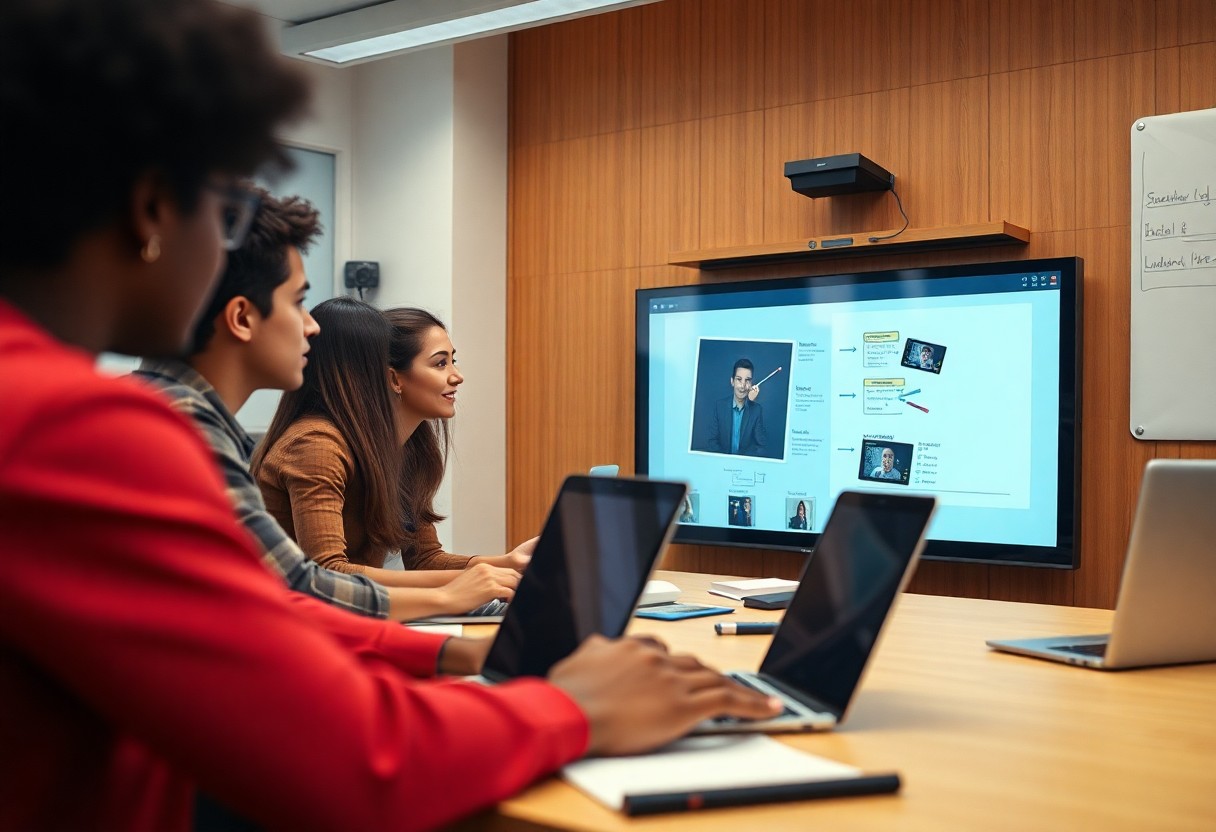
The Importance of Collaboration in Virtual Learning

As you navigate the ever-evolving landscape of virtual learning, you begin to appreciate the value of collaboration in achieving your academic and professional goals. You realize that your success is intertwined with the success of your peers, and that together, you can accomplish far more than you could alone. By embracing collaboration, you open yourself up to a wealth of knowledge, skills, and perspectives that can enrich your learning experience and help you grow as an individual.

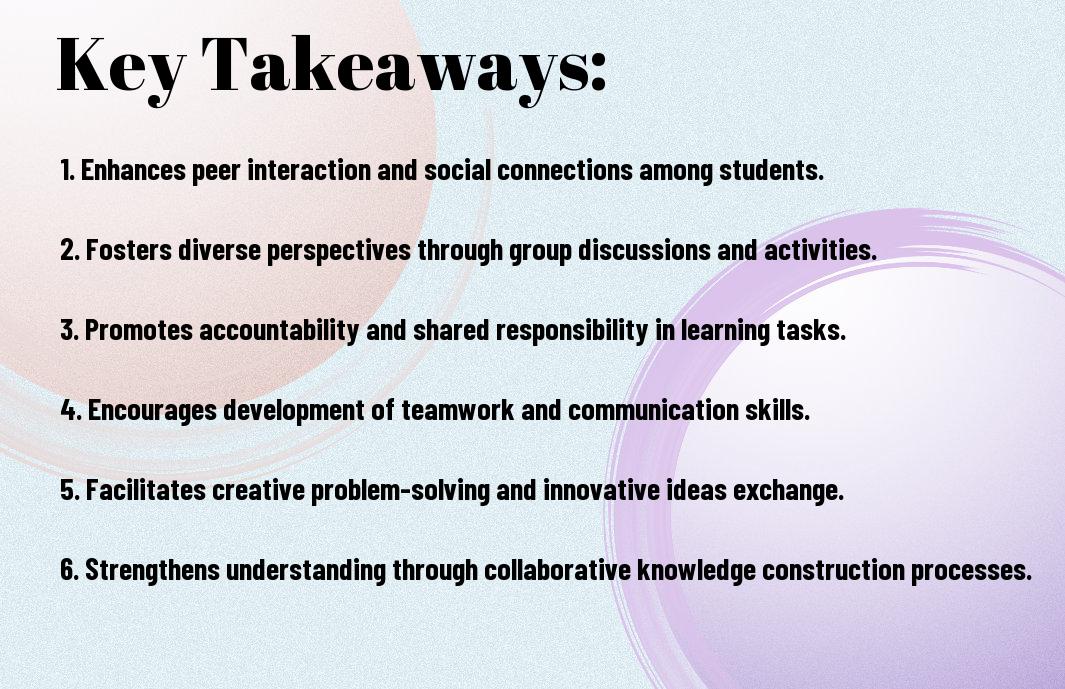
Key Takeaways:

  • The effectiveness of virtual learning depends on the ability of learners to engage in collaborative activities, sharing knowledge and ideas to achieve common goals.
  • Communication is key to successful collaboration in virtual learning environments, where learners must be able to clearly express themselves and respond to others in a timely manner.
  • Technology plays a significant role in facilitating collaboration in virtual learning, providing tools and platforms that enable learners to interact and work together seamlessly.
  • Flexibility is imperative in virtual learning collaborations, as learners may be located in different time zones or have varying schedules, requiring adaptability and accommodation.
  • By fostering a sense of community, virtual learning collaborations can promote learner engagement, motivation, and overall success, leading to a more productive and effective learning experience.

Benefits of Collaboration

A key aspect of virtual learning is the opportunity to collaborate with others, which leads to a more engaging and effective learning experience. As you work with others, you will discover that collaboration fosters a sense of community and promotes mutual support.

Enhanced Learning Outcomes

Alongside the benefits of collaboration, an added advantage is the potential for enhanced learning outcomes. As you engage with your peers, you will find that your understanding of the subject matter deepens, and your ability to apply concepts improves.

Improved Communication Skills

About the skills you will develop through collaboration, one of the most significant is the ability to communicate effectively with others. As you interact with your peers, you will learn to articulate your thoughts, listen actively, and clarify your understanding of the subject matter.

In addition, as you continue to develop your communication skills through collaboration, you will become more confident in expressing your ideas and more adept at navigating diverse perspectives. You will learn to appreciate the value of feedback and constructive criticism, and your ability to work with others towards a common goal will become one of your greatest strengths, enabling you to achieve greater success in your virtual learning journey.

Effective Virtual Collaboration Tools

If you are to succeed in virtual learning, you need to have the right tools at your disposal. You will find that effective virtual collaboration tools can make all the difference in your learning experience.

Video Conferencing Software

To facilitate face-to-face interactions, you can use video conferencing software, which enables you to connect with your peers and instructors in real-time, fostering a sense of community and promoting meaningful discussions.

Online Discussion Forums

Among the various collaboration tools available, online discussion forums stand out as a powerful means of facilitating asynchronous discussions, allowing you to share your thoughts and ideas with your peers at your convenience.

Effective online discussion forums enable you to engage in thoughtful and reflective conversations, sharing your insights and learning from others, which can lead to a deeper understanding of the subject matter and help you develop your critical thinking skills, as you navigate the virtual learning environment and explore new ideas and perspectives, you will find that online discussion forums become an indispensable part of your learning journey, empowering you to take ownership of your learning and make the most of your virtual learning experience.

Strategies for Successful Virtual Teams

Keep in mind that effective virtual teams require intentional effort and dedication from all members. You must be proactive in establishing a strong foundation for collaboration and communication to achieve your goals.

Clear Goal Setting

Clarity is necessary when defining objectives and expectations for your virtual team. You should establish a shared understanding of what you want to accomplish and how you will work together to achieve it.

Regular Feedback Mechanisms

Only through open and honest communication can you ensure that your virtual team is functioning effectively. You should prioritize regular check-ins and constructive feedback to facilitate growth and improvement.

At the heart of successful virtual teams is a commitment to ongoing evaluation and adjustment. As you implement regular feedback mechanisms, you will be able to identify areas for improvement and make data-driven decisions to optimize your team’s performance, ultimately leading to greater success and achievement of your goals.

Overcoming Challenges in Virtual Collaboration

All virtual learning environments require effective collaboration to succeed. You can learn more about How to Foster Collaboration in Online Learning Environments to enhance your skills. By doing so, you will be better equipped to tackle the challenges that arise in virtual collaboration.

Cultural and Language Barriers

The differences in cultural backgrounds and languages can pose significant challenges in virtual collaboration. You need to be sensitive to these differences and adapt your approach to ensure that all participants feel included and valued.

Technical Issues and Solutions

With the advancement of technology, virtual collaboration has become more accessible, but technical issues can still arise. You should be prepared to troubleshoot common problems and have a plan in place to minimize disruptions.

Considering the potential technical issues that may arise, you will want to invest in reliable software and hardware to support your virtual collaboration. By doing so, you will be able to focus on the learning objectives and build strong relationships with your peers, ultimately leading to a more productive and successful virtual learning experience. You will be able to navigate these challenges with ease and confidence, and your ability to collaborate effectively will be enhanced as a result.

Building Trust and Rapport in Virtual Teams

Unlike traditional classroom settings, virtual learning requires intentional effort to establish trust and rapport among team members. As you explore ways to optimize collaborative learning, consider consulting resources such as Optimizing collaborative learning in online courses – PMC to inform your approach.

Active Listening and Empathy

Empathizing with your teammates is crucial in virtual teams, as it allows you to understand their perspectives and build strong relationships. As you engage with your team, you will find that active listening and empathy help to foster a sense of community and cooperation.

Open and Honest Communication

Between you and your teammates, open and honest communication is vital for building trust and resolving conflicts. You will find that transparent communication helps to prevent misunderstandings and promotes a positive team culture.

It is worth noting that open and honest communication in virtual teams requires effort and dedication from all members. As you prioritize transparent communication, you will find that your team becomes more cohesive and effective, leading to greater success in your virtual learning endeavors. By embracing open communication, you can create a positive and productive team environment that supports your learning goals.

Best Practices for Virtual Collaboration

Your approach to virtual collaboration can make or break the success of your online learning experience. You can learn more about the benefits of collaborative learning by visiting Reasons Why Collaborative Online Learning Activities Are Effective to discover new strategies for your virtual classroom.

Establishing Clear Expectations

Before you begin your virtual collaboration, it’s vital to clearly outline the goals, objectives, and expectations for your team, ensuring everyone is on the same page and working towards a common outcome.

Encouraging Active Participation

For your virtual collaboration to be successful, you need to foster an environment where all participants feel valued and encouraged to contribute, sharing their ideas and perspectives to enrich the learning experience.

Further, to encourage active participation, you can use various tools and techniques, such as breakout rooms, discussion forums, and gamification, to keep your team engaged and motivated, allowing them to take ownership of their learning and develop a sense of community and camaraderie with their fellow collaborators, which is vital for achieving your collective goals.

Summing up

The effectiveness of virtual learning relies on your ability to collaborate with others. As you navigate online platforms, you will find that your success is deeply rooted in your capacity to work together with peers and instructors. By embracing collaboration, you will enhance your learning experience, foster meaningful relationships, and develop important skills that will benefit your personal and professional life. You will become a more effective and motivated learner, achieving your goals and unlocking your full potential in the virtual learning environment.

FAQ

Q: What are the benefits of collaboration in virtual learning environments?

A: Collaboration in virtual learning environments offers numerous benefits, including enhanced student engagement, improved knowledge sharing, and increased motivation. When students work together on projects and activities, they develop necessary skills such as communication, problem-solving, and teamwork. Moreover, collaboration in virtual learning environments provides opportunities for students to learn from one another, share diverse perspectives, and develop a sense of community, which can lead to a more comprehensive and enriching learning experience.

Q: How can educators facilitate effective collaboration in virtual learning environments?

A: To facilitate effective collaboration in virtual learning environments, educators can utilize various strategies and tools. For instance, they can create online discussion forums, virtual group projects, and collaborative assignments that encourage students to work together and share ideas. Additionally, educators can leverage video conferencing tools, instant messaging apps, and collaborative document editing software to enable students to communicate and work together in real-time. By providing clear guidelines, expectations, and feedback, educators can also promote a supportive and productive collaborative learning environment.

Q: What role does technology play in enhancing collaboration in virtual learning environments?

A: Technology plays a significant role in enhancing collaboration in virtual learning environments by providing a wide range of tools and platforms that facilitate communication, interaction, and teamwork. For example, learning management systems, online whiteboards, and collaboration software enable students to access shared resources, participate in discussions, and work on projects together. Furthermore, technologies such as virtual reality, augmented reality, and social media can be utilized to create immersive and interactive learning experiences that promote collaboration, creativity, and engagement. By leveraging these technologies, educators can create virtual learning environments that are engaging, interactive, and conducive to collaborative learning.

The Importance of Communication in Virtual Classrooms

Key Takeaways:
  • The effectiveness of virtual classrooms largely depends on clear communication between instructors and students, as it helps to prevent misunderstandings and ensures that all parties are on the same page.
  • Active listening and engagement are important in virtual classrooms, as they enable students to fully comprehend the material being presented and allow instructors to gauge student understanding.
  • Technical issues can hinder communication in virtual classrooms, so it is important to have a reliable internet connection, quality audio and video equipment, and a backup plan in case of technical difficulties.
  • Nonverbal cues, such as body language and facial expressions, are often lost in virtual classrooms, making it important for instructors to be more explicit and clear in their communication.
  • Feedback is a vital aspect of communication in virtual classrooms, as it allows instructors to assess student understanding, identify areas of improvement, and make adjustments to their teaching methods as needed.

The Virtual Classroom Environment

To create an effective virtual classroom environment, you need to consider the tools and features that facilitate interaction and engagement. You can use video conferencing software, online discussion forums, and collaborative document editing tools to create a immersive learning experience.

Benefits of Virtual Classrooms

Around the concept of virtual classrooms, you will find numerous advantages that enhance your learning experience. You can access course materials, participate in discussions, and interact with your instructor from anywhere, at any time, making it a flexible and convenient option.

Challenges in Virtual Classrooms

On the other hand, you may encounter technical issues, such as poor internet connectivity, that can hinder your ability to fully participate in virtual classes. You may also struggle with staying motivated and engaged in a virtual setting.

Plus, as you navigate the challenges of virtual classrooms, you will need to develop strategies to overcome distractions, manage your time effectively, and establish a dedicated learning space to ensure your success in this environment. You can achieve this by setting clear goals, creating a schedule, and minimizing interruptions to stay focused and engaged throughout your virtual learning journey.

Effective Communication Strategies

There’s no denying that effective communication is key to a successful virtual classroom experience. You can learn more about Understanding the Importance of Virtual Team Communication in High School to improve your online teaching skills.

Teacher-Student Interaction

Between you and your students, clear communication is vital to ensure they understand the course material. You should make yourself available to answer questions and provide feedback, helping your students stay on track.

Student-Student Collaboration

Across different time zones and locations, your students can still work together effectively with the right tools and strategies. You can use discussion boards, group projects, and video conferencing to facilitate collaboration and teamwork.

Another aspect of student-student collaboration is the ability to share ideas and perspectives, which can enrich your students’ learning experience. You can encourage your students to participate in online discussions, share their work, and provide feedback to their peers, helping to create a sense of community in the virtual classroom.

Technology and Communication Tools

All virtual classrooms rely on technology to facilitate communication between you and your students. You can leverage various tools to create an engaging and interactive learning environment, enhancing your overall teaching experience.

Video Conferencing Platforms

Along with the rise of virtual classrooms, video conferencing platforms have become important for remote communication. You can use these platforms to conduct live sessions, share screens, and interact with your students in real-time, making your virtual classes more engaging and personalized.

Online Discussion Forums

The online discussion forums provide you with a space to share course materials, assign tasks, and encourage discussions among your students. You can use these forums to foster a sense of community, facilitate collaboration, and track your students’ progress, allowing you to adjust your teaching strategies accordingly.

Communication is the key to successful online discussions. As you use online discussion forums, you will be able to assess your students’ understanding, provide feedback, and guide them through the course materials, ensuring that they stay on track and achieve their learning objectives. You can also use these forums to share additional resources, answer questions, and address concerns, making your virtual classroom a supportive and inclusive environment.

Building Student Engagement

Once again, effective communication is key to building student engagement in virtual classrooms, as it allows you to foster a sense of community and encourage participation among your students, helping you to create a more interactive and immersive learning experience.

Encouraging Participation

The most successful virtual classrooms are those where students feel motivated to contribute to discussions and share their ideas, and you can achieve this by creating a supportive and inclusive environment that values your students’ input and perspectives.

Providing Feedback

With regular feedback, you can help your students stay on track and adjust their learning strategies as needed, and this can be particularly important in virtual classrooms where students may feel more isolated and less connected to their instructor and peers.

Considering the importance of timely and constructive feedback, you should make it a priority to provide your students with regular updates on their progress, highlighting areas where they are doing well and identifying areas where they need improvement, and offering suggestions for how they can address these challenges and achieve their learning goals.

Overcoming Language and Cultural Barriers

Keep in mind that language and cultural barriers can hinder effective communication in virtual classrooms. You can overcome these challenges by implementing strategies that cater to diverse student needs, ensuring your virtual classroom is inclusive and engaging for all participants.

Language Support Services

Approximately, about half of the students in virtual classrooms may face language barriers, you can provide language support services to help them participate fully, such as translation tools, subtitles, and multilingual facilitators.

Cultural Sensitivity Training

Across cultures, you will encounter varying learning styles, preferences, and values, and providing cultural sensitivity training can help you understand and address these differences, creating a more harmonious and productive learning environment.

Further, when you undergo cultural sensitivity training, you will be better equipped to recognize and challenge your own biases, allowing you to tailor your teaching methods to meet the unique needs of your students, fostering a sense of belonging and respect among all participants in your virtual classroom.

Measuring Communication Effectiveness

Many virtual classroom instructors face challenges in assessing the effectiveness of their communication strategies. You can learn more about these challenges, such as Communication and cooperation challenges in the online learning environment, to better understand the issues you may encounter.

Assessment Methods

After establishing your communication goals, you will need to determine the best methods to assess their effectiveness, allowing you to identify areas for improvement and adjust your strategies accordingly.

Evaluation Criteria

Methods for evaluating communication effectiveness in virtual classrooms involve considering various factors, including student engagement and participation, which help you gauge the success of your communication strategies.

This process enables you to refine your approaches, ensuring that your communication is clear, effective, and supportive of your students’ learning needs, allowing you to make data-driven decisions to enhance your virtual classroom environment.

To wrap up

Ultimately, you understand that effective communication is vital in virtual classrooms, enhancing your learning experience. You can engage with instructors and peers, clarifying doubts and broadening your understanding of complex topics. By leveraging digital tools, you foster a collaborative environment, making your online education more interactive and productive, which helps you achieve your academic goals. Your ability to communicate effectively in virtual classrooms will significantly impact your success.

FAQ

Q: What is the role of effective communication in a virtual classroom setting?

A: Effective communication plays a significant role in a virtual classroom setting as it enables students to engage with the course material, interact with instructors and peers, and clarify any doubts or concerns. Clear communication helps to establish a sense of community and fosters a collaborative learning environment, which is vital for academic success. Moreover, it facilitates the exchange of ideas, promotes active learning, and helps to build trust among students and instructors, leading to a more productive and inclusive online learning experience.

Q: How can instructors promote effective communication in a virtual classroom?

A: Instructors can promote effective communication in a virtual classroom by using a variety of strategies, such as using video conferencing tools to facilitate face-to-face interactions, creating discussion forums and chat rooms for students to engage with each other, and providing regular feedback and updates through email or announcements. Additionally, instructors can encourage students to ask questions and share their thoughts and ideas through interactive activities, such as polls, quizzes, and group projects. By being approachable, responsive, and transparent, instructors can create a supportive and inclusive online learning environment that fosters open communication and collaboration.

Q: What are some common challenges to effective communication in virtual classrooms and how can they be overcome?

A: Some common challenges to effective communication in virtual classrooms include technical issues, language barriers, and lack of nonverbal cues. To overcome these challenges, instructors can use reliable technology, provide clear instructions and guidelines, and encourage students to use video and audio tools to facilitate more personal interactions. Furthermore, instructors can use strategies such as breakout rooms, small group discussions, and one-on-one meetings to facilitate more intimate and engaging interactions. By being aware of these potential challenges and taking proactive steps to address them, instructors can create an online learning environment that supports effective communication and promotes student success.

Skip to content