Learning.

How to Find Your Learning Style in Online Education

As you navigate online education, understanding your learning style is crucial to maximizing your potential. You will encounter various digital resources and teaching methods, and identifying your individual learning approach will help you make the most of these tools. Your learning style influences how you absorb and process information, and recognizing it will enable you to tailor your study habits and optimize your online learning experience, leading to greater success and achievement in your academic pursuits.

Key Takeaways:

To optimize your online learning experience, consider the following points:

  • Identify your learning preferences to determine whether you are a visual, auditory, or kinesthetic learner, and choose online courses that cater to your style.
  • Understand your self-motivation levels and develop strategies to stay engaged and motivated throughout your online learning journey.
  • Explore different learning platforms and tools to find the ones that best suit your needs and preferences, such as video lectures, interactive simulations, or discussion forums.
  • Develop a personalized learning plan that sets clear goals, outlines a study schedule, and tracks progress to help you stay focused and achieve your objectives.
  • Seek support and feedback from instructors, peers, or mentors to address any challenges or concerns you may encounter during your online learning experience.

Identifying Your Learning Style

Your learning style plays a significant role in online education, and you can discover it by visiting Learning Tips: Discover Your Learning Style to learn more about your strengths.

Visual Learning

Across various online platforms, you can identify if you are a visual learner by checking if images and videos help you understand concepts better, making learning more engaging and effective for you.

Auditory Learning

Among the different types of learning styles, auditory learning involves processing information through sound, which means you learn best by listening to audio materials, such as podcasts or audio lectures, to grasp new concepts.

For instance, if you find it easier to recall information from audio recordings or voice notes, you may have an auditory learning style, and incorporating more audio materials into your online learning routine can help you achieve better results, allowing you to make the most of your online education experience.
Online Learning Platforms

Any online learning platform you choose should cater to your learning style. You can find more information on How to Identify and Use Your Learning Style to make an informed decision.

Interactive Tools

Platforms like online course providers offer interactive tools to enhance your learning experience. You can explore these tools to discover what works best for your learning style.

Virtual Classrooms

Across various online learning platforms, you can access virtual classrooms that simulate a traditional classroom environment. You can engage with instructors and peers in real-time, making online learning more engaging and interactive.

It is worth noting that virtual classrooms often include features such as video conferencing, live chats, and screen sharing, allowing you to interact with your instructor and fellow students in a more immersive and engaging way, which can help you stay motivated and focused throughout your online course.

Personalized Learning Approaches

Unlike traditional classroom settings, online education offers you the flexibility to tailor your learning experience to your individual needs and preferences, allowing you to learn more effectively.

Self-Paced Learning

Alike other forms of learning, self-paced learning enables you to proceed at your own speed, reviewing material as many times as you need to, and taking breaks when necessary, making it an ideal option for those with busy schedules.

Collaborative Learning

Following your own learning path, you can also engage in collaborative learning, where you work with peers and instructors to achieve common goals, share knowledge, and gain new insights, enhancing your overall learning experience.

SelfPaced learning is a great starting point, but once you engage in collaborative learning, you will find that your learning experience is enriched by the interactions and feedback from your peers, and you will be able to apply your knowledge in a more practical and meaningful way, as you learn from others and they learn from you.

Strategies for Effective Learning

Despite the numerous online resources available, you need to develop a strategy to learn effectively. You can do this by identifying your strengths and weaknesses, and then creating a personalized learning plan that suits your needs.

Time Management

By organizing your schedule, you can allocate specific times for learning, breaks, and other activities, helping you stay focused and avoid procrastination, allowing you to make the most of your online education.

Goal Setting

Goal-oriented learners tend to achieve more, as they have a clear direction and motivation, you can set specific, achievable goals for your online education, breaking them down into smaller, manageable tasks to track your progress.

This approach to goal setting enables you to maintain a consistent pace, celebrate your accomplishments, and make adjustments as needed, ensuring you stay on track and motivated throughout your online learning journey, and ultimately, achieve your academic and professional goals, enhancing your overall learning experience.

Overcoming Challenges

Now that you’ve identified your learning style, it’s time to tackle the obstacles that may hinder your online learning journey. You’ll encounter various challenges, but with persistence and the right strategies, you can overcome them and achieve your goals.

Staying Motivated

Among the key factors that contribute to your success is maintaining your motivation. You can stay motivated by setting achievable goals, celebrating your progress, and rewarding yourself for your accomplishments.

Seeking Support

Before you start feeling overwhelmed, consider seeking help from your instructors, peers, or online resources. You can reach out to them whenever you need guidance or support, and they can provide you with valuable advice and assistance.

Indeed, seeking support is an imperative part of your online learning journey. You can join online communities, forums, or discussion groups where you can connect with fellow learners, share your experiences, and learn from their perspectives. By seeking support, you can gain a deeper understanding of the subject matter, clarify any doubts, and stay on track to achieve your learning objectives.

Evaluating Progress

Once again, you’ll need to reflect on your learning journey to understand what works best for you. Tracking your progress helps you identify what you’ve achieved and what you need to work on.

Assessing Strengths

For instance, you can start by evaluating your strengths, focusing on the subjects or topics where you excel, and understanding what makes you successful in those areas.

Identifying Areas for Improvement

On the other hand, you should also identify areas where you struggle, analyzing what’s not working and what you can do to improve, which will help you develop a more effective learning strategy.

Strengths in certain subjects can often be leveraged to improve weaker areas, as you can apply similar learning techniques or mindsets to enhance your understanding and performance, allowing you to grow and develop as a learner, and ultimately, achieve your academic goals, with your unique learning style guiding your path forward, helping you to stay motivated and engaged in your online education journey, as you continue to learn and improve.

To wrap up

From above, you now have a better understanding of how to find your learning style in online education. You can explore Learning Styles and the Online Environment to learn more. By identifying your strengths and weaknesses, you can optimize your online learning experience and achieve your academic goals. You will be able to create a personalized approach to learning, making you more effective and efficient in your studies.

FAQ

Q: What is the first step in determining my learning style in online education?

A: The first step in determining your learning style in online education is to reflect on how you have learned best in the past. Consider your experiences in traditional classrooms and other online courses. Ask yourself questions like: Do you learn better through watching videos, reading texts, or listening to audio? Do you prefer hands-on activities or theoretical explanations? Identifying your past learning strengths and weaknesses will help you narrow down your learning style preferences and guide you in selecting the most effective online educational resources.

Q: How can I discover whether I am a visual, auditory, or kinesthetic learner in an online setting?

A: To discover your learning style in an online setting, try experimenting with different types of content delivery. For example, if you’re taking an online course, try watching video lectures, then reading the transcript of the same lecture, and finally, engaging in a related interactive simulation or quiz. Pay attention to which method helps you understand and retain the information best. Additionally, many online educational platforms offer quizzes or assessments to help determine your learning style. Utilizing these tools can provide insights into whether you are a visual learner (learning through images and videos), an auditory learner (learning through sound and audio), or a kinesthetic learner (learning through physical activities and hands-on experiences).

Q: Can my learning style change over time, and how can I adapt to new learning environments in online education?

A: Yes, your learning style can evolve over time due to changes in personal preferences, improvements in technology, or variations in the subject matter. As you continue your online education, be open to trying new methods of learning. You might find that what worked for you in one course doesn’t work as well in another, due to differences in content or delivery. Be flexible and willing to adapt your learning approach as needed. Moreover, online education often provides a variety of resources and tools, so don’t hesitate to explore different learning paths within a course to find what works best for you. Keeping a learning journal or seeking feedback from instructors can also help you identify areas where you might need to adjust your learning strategy to achieve the best outcomes.

The Importance of Collaboration in Virtual Learning

As you navigate the ever-evolving landscape of virtual learning, you begin to appreciate the value of collaboration in achieving your academic and professional goals. You realize that your success is intertwined with the success of your peers, and that together, you can accomplish far more than you could alone. By embracing collaboration, you open yourself up to a wealth of knowledge, skills, and perspectives that can enrich your learning experience and help you grow as an individual.

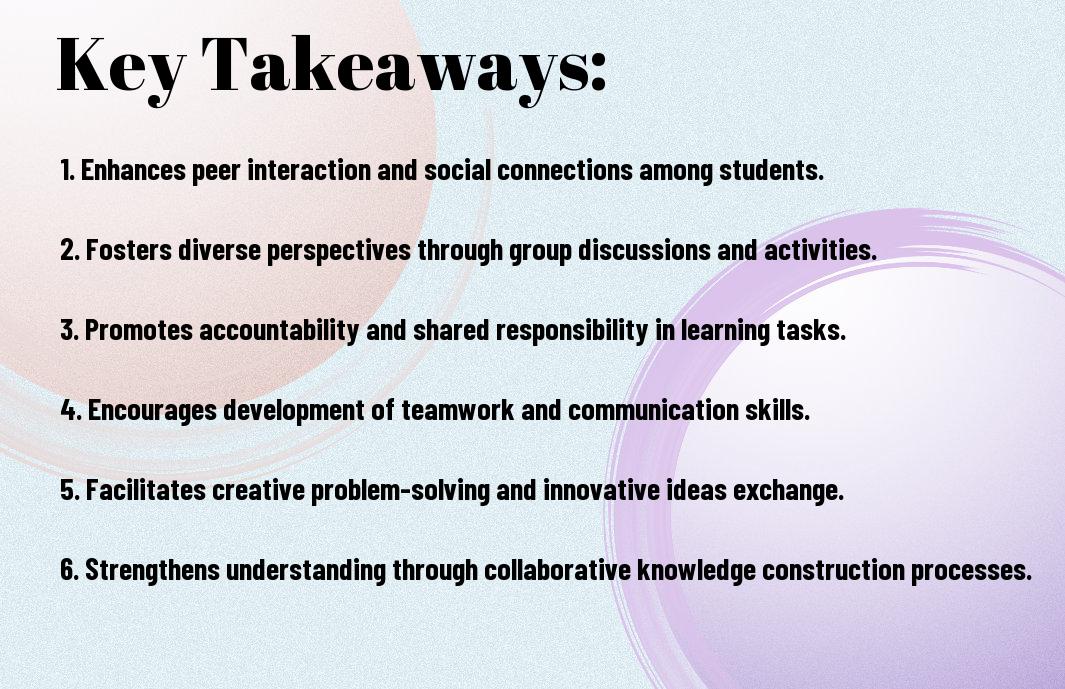
Key Takeaways:

  • The effectiveness of virtual learning depends on the ability of learners to engage in collaborative activities, sharing knowledge and ideas to achieve common goals.
  • Communication is key to successful collaboration in virtual learning environments, where learners must be able to clearly express themselves and respond to others in a timely manner.
  • Technology plays a significant role in facilitating collaboration in virtual learning, providing tools and platforms that enable learners to interact and work together seamlessly.
  • Flexibility is imperative in virtual learning collaborations, as learners may be located in different time zones or have varying schedules, requiring adaptability and accommodation.
  • By fostering a sense of community, virtual learning collaborations can promote learner engagement, motivation, and overall success, leading to a more productive and effective learning experience.

Benefits of Collaboration

A key aspect of virtual learning is the opportunity to collaborate with others, which leads to a more engaging and effective learning experience. As you work with others, you will discover that collaboration fosters a sense of community and promotes mutual support.

Enhanced Learning Outcomes

Alongside the benefits of collaboration, an added advantage is the potential for enhanced learning outcomes. As you engage with your peers, you will find that your understanding of the subject matter deepens, and your ability to apply concepts improves.

Improved Communication Skills

About the skills you will develop through collaboration, one of the most significant is the ability to communicate effectively with others. As you interact with your peers, you will learn to articulate your thoughts, listen actively, and clarify your understanding of the subject matter.

In addition, as you continue to develop your communication skills through collaboration, you will become more confident in expressing your ideas and more adept at navigating diverse perspectives. You will learn to appreciate the value of feedback and constructive criticism, and your ability to work with others towards a common goal will become one of your greatest strengths, enabling you to achieve greater success in your virtual learning journey.

Effective Virtual Collaboration Tools

If you are to succeed in virtual learning, you need to have the right tools at your disposal. You will find that effective virtual collaboration tools can make all the difference in your learning experience.

Video Conferencing Software

To facilitate face-to-face interactions, you can use video conferencing software, which enables you to connect with your peers and instructors in real-time, fostering a sense of community and promoting meaningful discussions.

Online Discussion Forums

Among the various collaboration tools available, online discussion forums stand out as a powerful means of facilitating asynchronous discussions, allowing you to share your thoughts and ideas with your peers at your convenience.

Effective online discussion forums enable you to engage in thoughtful and reflective conversations, sharing your insights and learning from others, which can lead to a deeper understanding of the subject matter and help you develop your critical thinking skills, as you navigate the virtual learning environment and explore new ideas and perspectives, you will find that online discussion forums become an indispensable part of your learning journey, empowering you to take ownership of your learning and make the most of your virtual learning experience.

Strategies for Successful Virtual Teams

Keep in mind that effective virtual teams require intentional effort and dedication from all members. You must be proactive in establishing a strong foundation for collaboration and communication to achieve your goals.

Clear Goal Setting

Clarity is necessary when defining objectives and expectations for your virtual team. You should establish a shared understanding of what you want to accomplish and how you will work together to achieve it.

Regular Feedback Mechanisms

Only through open and honest communication can you ensure that your virtual team is functioning effectively. You should prioritize regular check-ins and constructive feedback to facilitate growth and improvement.

At the heart of successful virtual teams is a commitment to ongoing evaluation and adjustment. As you implement regular feedback mechanisms, you will be able to identify areas for improvement and make data-driven decisions to optimize your team’s performance, ultimately leading to greater success and achievement of your goals.

Overcoming Challenges in Virtual Collaboration

All virtual learning environments require effective collaboration to succeed. You can learn more about How to Foster Collaboration in Online Learning Environments to enhance your skills. By doing so, you will be better equipped to tackle the challenges that arise in virtual collaboration.

Cultural and Language Barriers

The differences in cultural backgrounds and languages can pose significant challenges in virtual collaboration. You need to be sensitive to these differences and adapt your approach to ensure that all participants feel included and valued.

Technical Issues and Solutions

With the advancement of technology, virtual collaboration has become more accessible, but technical issues can still arise. You should be prepared to troubleshoot common problems and have a plan in place to minimize disruptions.

Considering the potential technical issues that may arise, you will want to invest in reliable software and hardware to support your virtual collaboration. By doing so, you will be able to focus on the learning objectives and build strong relationships with your peers, ultimately leading to a more productive and successful virtual learning experience. You will be able to navigate these challenges with ease and confidence, and your ability to collaborate effectively will be enhanced as a result.

Building Trust and Rapport in Virtual Teams

Unlike traditional classroom settings, virtual learning requires intentional effort to establish trust and rapport among team members. As you explore ways to optimize collaborative learning, consider consulting resources such as Optimizing collaborative learning in online courses – PMC to inform your approach.

Active Listening and Empathy

Empathizing with your teammates is crucial in virtual teams, as it allows you to understand their perspectives and build strong relationships. As you engage with your team, you will find that active listening and empathy help to foster a sense of community and cooperation.

Open and Honest Communication

Between you and your teammates, open and honest communication is vital for building trust and resolving conflicts. You will find that transparent communication helps to prevent misunderstandings and promotes a positive team culture.

It is worth noting that open and honest communication in virtual teams requires effort and dedication from all members. As you prioritize transparent communication, you will find that your team becomes more cohesive and effective, leading to greater success in your virtual learning endeavors. By embracing open communication, you can create a positive and productive team environment that supports your learning goals.

Best Practices for Virtual Collaboration

Your approach to virtual collaboration can make or break the success of your online learning experience. You can learn more about the benefits of collaborative learning by visiting Reasons Why Collaborative Online Learning Activities Are Effective to discover new strategies for your virtual classroom.

Establishing Clear Expectations

Before you begin your virtual collaboration, it’s vital to clearly outline the goals, objectives, and expectations for your team, ensuring everyone is on the same page and working towards a common outcome.

Encouraging Active Participation

For your virtual collaboration to be successful, you need to foster an environment where all participants feel valued and encouraged to contribute, sharing their ideas and perspectives to enrich the learning experience.

Further, to encourage active participation, you can use various tools and techniques, such as breakout rooms, discussion forums, and gamification, to keep your team engaged and motivated, allowing them to take ownership of their learning and develop a sense of community and camaraderie with their fellow collaborators, which is vital for achieving your collective goals.

Summing up

The effectiveness of virtual learning relies on your ability to collaborate with others. As you navigate online platforms, you will find that your success is deeply rooted in your capacity to work together with peers and instructors. By embracing collaboration, you will enhance your learning experience, foster meaningful relationships, and develop important skills that will benefit your personal and professional life. You will become a more effective and motivated learner, achieving your goals and unlocking your full potential in the virtual learning environment.

FAQ

Q: What are the benefits of collaboration in virtual learning environments?

A: Collaboration in virtual learning environments offers numerous benefits, including enhanced student engagement, improved knowledge sharing, and increased motivation. When students work together on projects and activities, they develop necessary skills such as communication, problem-solving, and teamwork. Moreover, collaboration in virtual learning environments provides opportunities for students to learn from one another, share diverse perspectives, and develop a sense of community, which can lead to a more comprehensive and enriching learning experience.

Q: How can educators facilitate effective collaboration in virtual learning environments?

A: To facilitate effective collaboration in virtual learning environments, educators can utilize various strategies and tools. For instance, they can create online discussion forums, virtual group projects, and collaborative assignments that encourage students to work together and share ideas. Additionally, educators can leverage video conferencing tools, instant messaging apps, and collaborative document editing software to enable students to communicate and work together in real-time. By providing clear guidelines, expectations, and feedback, educators can also promote a supportive and productive collaborative learning environment.

Q: What role does technology play in enhancing collaboration in virtual learning environments?

A: Technology plays a significant role in enhancing collaboration in virtual learning environments by providing a wide range of tools and platforms that facilitate communication, interaction, and teamwork. For example, learning management systems, online whiteboards, and collaboration software enable students to access shared resources, participate in discussions, and work on projects together. Furthermore, technologies such as virtual reality, augmented reality, and social media can be utilized to create immersive and interactive learning experiences that promote collaboration, creativity, and engagement. By leveraging these technologies, educators can create virtual learning environments that are engaging, interactive, and conducive to collaborative learning.

How Online Learning Prepares Students for Leadership Roles

As you pursue your academic and professional goals, you may wonder how online learning can shape your future. You will discover that online learning provides a unique set of skills and experiences that prepare you for leadership roles. Your ability to work independently, think critically, and solve problems will be refined, setting you up for success in leadership positions, where you will be expected to make informed decisions and guide others. You will be equipped to take on new challenges and thrive in a rapidly changing world.

Key Takeaways:

To succeed in leadership positions, students must acquire a set of skills that can be developed through online learning. Here are a few key points to consider:

  • Develops self-motivation and time management skills, which are vital for leaders to prioritize tasks and achieve goals.
  • Enhances collaboration and communication skills through virtual interactions with peers and instructors, preparing students for team management roles.
  • Fosters adaptability and flexibility, as online learners must navigate different learning platforms and technologies, a skill valuable in fast-paced business environments.
  • Provides opportunities for global connectivity, exposing students to diverse perspectives and cultures, which can help them develop empathy and strategic thinking as future leaders.
  • Cultivates problem-solving and critical thinking skills, as online learners often encounter and overcome technical challenges, preparing them for complex decision-making in leadership roles.

Developing Essential Skills

Before entering leadership roles, you need to develop skills that will set you up for success. Online learning helps you build a strong foundation in areas such as critical thinking, problem-solving, and communication.

Critical Thinking and Problem-Solving

Above all, online learning encourages you to think critically and approach problems in a logical and methodical way, allowing you to develop effective solutions to complex challenges.

Effective Communication and Collaboration

Below the surface of online learning, you will find opportunities to develop your communication and collaboration skills, working with peers and instructors to achieve common goals.

Consequently, as you engage in online learning, you will find that your ability to communicate effectively and collaborate with others will improve, allowing you to work seamlessly with team members and lead with confidence, making you a more effective leader in your future roles.

Leadership Fundamentals

The fundamentals of leadership are imperative for students to master, and online learning provides a platform to develop these skills. You will learn to analyze situations, make informed decisions, and collaborate with others to achieve common goals.

Setting Goals and Priorities

By focusing on your strengths and weaknesses, you can set realistic goals and prioritize tasks to achieve success. You will develop a sense of direction and purpose, enabling you to make progress towards your objectives.

Time Management and Organization

Setting a schedule and sticking to it is vital in online learning, allowing you to balance coursework and other responsibilities. You will learn to allocate time effectively, minimizing distractions and maximizing productivity.

Considering your individual needs and learning style, you can tailor your approach to time management and organization. You will discover how to use tools and resources to stay organized, ensuring that you meet deadlines and achieve your goals, and as you progress, you will become more confident in your ability to manage your time and prioritize tasks, preparing you for leadership roles that require strong organizational skills.

Online Learning Platforms

Your online learning journey begins with a platform that provides access to a wide range of courses and resources, helping you develop the skills and knowledge needed for leadership roles.

Access to Global Resources

Above all, online learning platforms offer you access to global resources, enabling you to learn from renowned experts and institutions worldwide, broadening your perspective and understanding of different cultures and practices.

Personalized Learning Experiences

Platforms like these provide you with personalized learning experiences, allowing you to learn at your own pace and focus on areas that interest you the most, making your learning experience more engaging and effective.

This personalized approach helps you to identify your strengths and weaknesses, set goals, and track your progress, enabling you to take ownership of your learning and develop a growth mindset, crucial for leadership roles where adaptability and continuous learning are key to success.

Real-World Applications

Now, as you explore the advantages of online learning, you will discover that it offers numerous opportunities for applying theoretical knowledge to practical problems. You can learn more about How to Develop Leadership Skills in Virtual School and how it prepares students for future challenges.

Applying Theories to Practical Problems

For instance, you will be able to analyze case studies and develop solutions, allowing you to think critically and make informed decisions, preparing you for leadership roles.

Developing Adaptability and Resilience

Among the key benefits of online learning is the development of adaptability and resilience, as you navigate different learning platforms and collaborate with peers from diverse backgrounds.

Problems that you encounter during online learning, such as technical issues or difficulties with time management, can actually help you build your resilience and adaptability, important skills for future leaders, as you learn to approach challenges with a growth mindset and develop creative solutions to overcome them, preparing you for the demands of leadership roles.

Navigating Online Communities

All online learning platforms provide you with the opportunity to engage with peers and instructors from diverse backgrounds, helping you develop your communication and collaboration skills, imperative for leadership roles.

Building Professional Networks

Besides the academic benefits, online learning enables you to establish connections with professionals in your field, potentially leading to valuable mentorship and career opportunities that can aid in your growth as a leader.

Participating in Discussions and Feedback

Among the key aspects of online learning, participating in discussions and providing feedback allows you to hone your critical thinking and problem-solving skills, which are vital for effective leadership.

Participating in online discussions and giving feedback helps you develop a deeper understanding of different perspectives and ideas, enabling you to make informed decisions and lead teams more efficiently, which is a key aspect of your development as a leader in your chosen field, and you will find that your ability to analyze information and provide constructive feedback will serve you well in your future leadership roles.

Overcoming Challenges

Once again, you will face challenges in online learning, but these obstacles can help you develop valuable skills for leadership roles, such as resilience and adaptability.

Managing Distractions and Staying Motivated

By minimizing distractions and creating a conducive learning environment, you can stay focused and motivated, developing self-discipline and time management skills that will serve you well in leadership positions.

Seeking Support and Guidance

Before tackling a difficult task or assignment, you can seek help from instructors, peers, or mentors, learning to ask for support when needed and building a network of valuable contacts.

Indeed, seeking support and guidance is a key aspect of online learning, as you learn to navigate resources, ask questions, and collaborate with others, all of which are imperative skills for effective leadership, enabling you to make informed decisions and drive your team forward.

Final Words

On the whole, you will find that online learning plays a significant role in preparing you for leadership roles by fostering skills such as self-motivation and independence. As you navigate virtual classrooms, you develop strong communication and collaboration skills, important for effective leadership. To learn more about how virtual learning can benefit you, visit How Virtual Learning Prepares Students For The Real World to discover your potential and unlock your future leadership opportunities.

FAQ

Q: How does online learning help students develop the skills needed for leadership roles?

A: Online learning provides students with a unique opportunity to develop vital skills for leadership roles, such as self-motivation, time management, and independence. Through online courses, students learn to take ownership of their learning, set goals, and prioritize tasks, which are valuable skills for any leader. Additionally, online learning platforms often incorporate collaborative tools, allowing students to engage with peers and instructors, fostering teamwork, communication, and problem-solving skills, all of which are vital for effective leadership.

Q: Can online learning prepare students for the technological demands of modern leadership roles?

A: Yes, online learning is well-equipped to prepare students for the technological demands of modern leadership roles. Online courses often utilize cutting-edge technology, such as learning management systems, video conferencing tools, and digital collaboration platforms, which provide students with hands-on experience using the latest technologies. This exposure helps students develop the technical skills and digital literacy necessary to succeed in today’s fast-paced, technology-driven business environment. Moreover, online learning encourages students to adapt to new tools and platforms, making them more agile and responsive to changing technological landscapes.

Q: How does online learning foster the development of soft skills, such as emotional intelligence and adaptability, which are vital for leadership success?

A: Online learning offers a range of opportunities for students to develop soft skills, such as emotional intelligence and adaptability, which are vital for leadership success. Through online discussions, students engage with peers from diverse backgrounds, fostering empathy, active listening, and effective communication. Online learning also encourages students to be self-reflective, setting goals, and tracking progress, which helps develop self-awareness, a key component of emotional intelligence. Furthermore, online courses often incorporate real-world case studies and scenario-based learning, allowing students to develop adaptability, critical thinking, and creative problem-solving skills, all of which are vital for effective leadership in today’s complex and rapidly changing world.

How to Transition to Online Learning Seamlessly

You’re embracing the shift to online learning, and you want to make it a success. As you navigate this new landscape, you’ll need to adapt your approach to learning. Your goal is to create a seamless transition, and with the right strategies, you can achieve it. You’ll learn how to leverage technology, manage your time effectively, and stay engaged in online courses, ensuring your educational journey remains uninterrupted and productive. Your path to online learning starts here.

Key Takeaways:

To ensure a smooth transition to online learning, consider the following points:

  • Develop a Flexible mindset and be open to new teaching methods and technologies to facilitate effective online learning.
  • Establish a Structured schedule to maintain organization and consistency in the online learning environment, setting clear expectations for students and instructors.
  • Utilize Interactive tools and multimedia resources to create engaging online lessons, promoting student participation and Collaboration.
  • Focus on Personalized learning approaches, using data and analytics to tailor instruction to individual students’ needs and abilities in the online setting.
  • Leverage Supportive resources, such as online forums and technical support, to ensure students and instructors have the help they need to succeed in the online learning environment.

Preparing for Online Learning

A successful transition to online learning requires careful planning, as outlined in Ten strategies for a successful transition to remote learning, to ensure a seamless experience.

Setting Up Your Digital Workspace

Across various devices and platforms, you will need to set up your digital workspace to facilitate online learning, ensuring you have the necessary tools and software to participate effectively.

Familiarizing Yourself with Online Platforms

By exploring the online platforms and tools used in your course, you can gain a better understanding of how to navigate and utilize them to your advantage, making your online learning experience more efficient.

Learning the ins and outs of online platforms will enable you to access course materials, submit assignments, and engage with your instructors and peers with ease, allowing you to focus on your academic goals and make the most of your online learning experience, as you become more comfortable using your digital workspace and online platforms, you will be able to adapt to the online learning environment with confidence.

Effective Time Management

Clearly, managing your time effectively is vital to succeed in online learning, as you will be responsible for creating your own schedule and staying on track with your coursework, which can be challenging without a traditional classroom structure.

Creating a Schedule

Above all, establishing a routine is vital, so you should create a schedule that outlines your daily and weekly tasks, including dedicated blocks of time for studying, attending virtual classes, and completing assignments, allowing you to stay organized and focused.

Minimizing Distractions

To optimize your learning experience, you need to eliminate distractions, such as turning off notifications on your phone or finding a quiet workspace, which will help you stay concentrated on your studies and make the most of your time.

According to your learning style, you can also use various tools and techniques to minimize distractions, such as website blockers or apps that help you stay focused, and by doing so, you will be able to maintain your productivity and achieve your academic goals.

Staying Engaged and Motivated

To maintain your momentum in online learning, it’s necessary to establish a routine and stick to it. You’ll need to stay focused and motivated to achieve your goals, and this requires discipline and dedication. Your ability to adapt to the online learning environment will play a significant role in your success.

Setting Goals and Rewards

Beneath the surface of online learning lies a wealth of opportunities for growth, and setting specific goals and rewards for yourself will help you stay on track. You can set daily or weekly targets, and reward yourself when you achieve them, helping you to stay motivated and engaged throughout your online learning journey.

Finding Online Communities and Support

By connecting with other online learners, you can build a support network that will help you navigate the challenges of online learning. You can join online forums, discussion groups, or social media communities to interact with fellow learners and get help when you need it, making your online learning experience more enjoyable and productive.

Consequently, as you become more engaged with online communities and support networks, you’ll find that your learning experience becomes more enjoyable and rewarding. You’ll have access to a wealth of resources, including study groups, webinars, and online mentors, which will help you to overcome obstacles and achieve your learning objectives, and you’ll be able to share your own knowledge and experience with others, reinforcing your own understanding and staying motivated to continue learning.

Navigating Online Course Materials

Your transition to online learning will involve exploring various digital resources, and you can learn more about how to successfully move your child to online school by visiting relevant websites.

Accessing Digital Textbooks and Resources

Besides getting familiar with the online platform, you will need to access digital textbooks and resources, which are often available through the learning management system or online library.

Using Online Tools and Software

Below the surface of online learning, you will find a variety of tools and software that facilitate collaboration, communication, and engagement, such as discussion forums, video conferencing, and screen sharing.

And as you become more comfortable with these tools, you will be able to use them to enhance your learning experience, participate in virtual discussions, and submit assignments with ease, making your transition to online learning seamless and effective.

Communicating with Instructors and Peers

Once again, effective communication is key to a successful online learning experience. You will need to communicate with your instructors and peers through various digital channels, which can be a new experience for you. You should be prepared to adapt to this new way of communicating and make the most out of it.

Email and Messaging Etiquette

Across various online platforms, you will be using email and messaging tools to communicate with your instructors and peers. You should be aware of the etiquette and best practices for using these tools, such as using clear and concise language, including a clear subject line, and being respectful in your tone.

Participating in Online Discussions

About the online discussions, you should be prepared to engage with your peers and instructors through online forums and discussions boards. You will need to actively participate in these discussions, share your thoughts and ideas, and respond to others in a timely and thoughtful manner.

Online discussions are an crucial part of your online learning experience, and you should take them seriously. You will be able to learn from others, share your knowledge and experiences, and develop your critical thinking and communication skills. By participating in online discussions, you will be able to engage with the course material on a deeper level and gain a better understanding of the subject matter, which will ultimately enhance your overall learning experience. You should also be mindful of your online presence and ensure that your contributions are respectful, informative, and engaging.

Overcoming Common Challenges

Now that you’ve begun your online learning journey, you’ll likely encounter various obstacles that can hinder your progress. You’ll need to develop strategies to overcome these challenges and stay on track.

Technical Issues and Troubleshooting

Commonly, difficulties with technology can disrupt your learning experience. You can troubleshoot issues by checking your internet connection, updating software, and contacting technical support when needed, ensuring you can quickly get back to your studies.

Staying Organized and Managing Stress

Fortunately, you can maintain a healthy balance between your online coursework and daily life by prioritizing tasks, setting realistic goals, and taking regular breaks to manage your time effectively and reduce stress.

This approach will help you stay focused and motivated, allowing you to make the most of your online learning experience. You can achieve this by creating a schedule, dedicating a specific workspace, and minimizing distractions, ultimately helping you to successfully navigate the challenges of online learning and reach your academic goals.

Conclusion

Ultimately, you can transition to online learning seamlessly by being open to new technologies and strategies. You will find that your learning experience is enhanced when you take advantage of the flexibility and resources offered by online learning platforms. By staying organized and committed, you can achieve your academic goals and make the most of your online learning experience, adapting your approach as you navigate this new environment and leveraging its benefits to meet your needs.

FAQ

Q: What are the initial steps I should take to prepare for a seamless transition to online learning?

A: To ensure a smooth transition to online learning, start by familiarizing yourself with the online learning platform and its features. This includes understanding how to navigate through the platform, accessing course materials, and using communication tools such as discussion forums and video conferencing software. Additionally, establish a dedicated learning space with minimal distractions and ensure your device meets the technical requirements for online learning. It’s also necessary to develop a schedule and stick to it, setting aside dedicated time for learning and engaging with course content.

Q: How can I effectively manage my time and stay organized in an online learning environment?

A: Effective time management is key to success in online learning. Start by creating a study routine that balances online coursework with other responsibilities. Utilize digital calendars or planners to keep track of assignments, deadlines, and virtual meetings. Break down larger tasks into smaller, manageable chunks, and prioritize tasks based on their importance and urgency. Regularly check the online learning platform for updates, announcements, and feedback from instructors. Furthermore, establish open communication with your instructor and peers to clarify any doubts or concerns, and seek help when needed to stay on track.

Q: What strategies can I use to stay engaged and motivated throughout my online learning journey?

A: Staying engaged and motivated is vital for achieving success in online learning. One strategy is to set clear, achievable goals for each course or module, and celebrate your progress along the way. Actively participate in online discussions, sharing your thoughts and insights, and engaging with your peers’ contributions. Seek out additional resources, such as online tutorials or educational videos, to deepen your understanding of the subject matter. Moreover, find ways to apply what you’re learning to real-life situations, making the learning experience more meaningful and relevant. Lastly, maintain a healthy work-life balance, taking breaks and practicing self-care to avoid burnout and maintain your motivation throughout the course.

The Best Practices for Online Learning Success

As you launch on your online learning journey, you’re likely to encounter a variety of challenges and opportunities. Your success will depend on your ability to navigate these digital landscapes effectively. You’ll need to develop strategies to stay focused, motivated, and engaged. By adopting effective habits and techniques, you can maximize your online learning experience and achieve your goals. This post will guide you through the best practices to ensure your success in the online learning environment.

Key Takeaways:

To achieve success in online learning, consider the following best practices:

  • Establish a dedicated learning space that is quiet, comfortable, and free from distractions to help you stay focused and motivated throughout your online courses.
  • Develop a regular study schedule and stick to it, setting aside dedicated time for learning and avoiding procrastination to ensure steady progress.
  • Utilize technology effectively by familiarizing yourself with the online learning platform, using tools and resources provided, and troubleshooting technical issues promptly to minimize disruptions.
  • Engage actively with course materials by participating in discussions, asking questions, and seeking feedback from instructors to deepen your understanding and stay engaged.
  • Maintain open communication with instructors and peers through regular updates, notifications, and discussions to foster a sense of community and support throughout your online learning journey.

Setting Up for Success

To achieve online learning success, you need to set yourself up for success from the start. This involves creating a conducive learning environment and developing habits that promote productivity and focus.

Creating a dedicated learning space

About the space where you learn, consider dedicating a specific area for online learning, free from distractions and interruptions, to help you stay focused and engaged.

Establishing a routine and schedule

After settling into your learning space, establish a routine and schedule that works for you, including dedicated blocks of time for learning, breaks, and self-care activities to maintain your physical and mental well-being.

Establishing a routine and schedule helps you stay organized and motivated, allowing you to make the most of your online learning experience. You can prioritize your tasks, manage your time effectively, and make steady progress towards your learning goals, which will ultimately lead to your success.

Effective Online Learning Strategies

Some of the most successful online learners develop a routine and stick to it, setting aside dedicated time for studying and interacting with course materials. You can achieve online learning success by creating a schedule and following it consistently.

Active engagement with course materials

Often, the key to understanding complex concepts is to engage actively with the course materials, taking notes and summarizing key points in your own words. You will find that this helps to reinforce your learning and improve retention of the material.

Utilizing technology to enhance learning

Before you start your online course, familiarize yourself with the technology and tools provided, such as discussion forums, video conferencing, and online assignments. You can use these tools to interact with your instructors and peers, and to submit your assignments and track your progress.

This technology can be a powerful tool to enhance your learning experience, providing you with the flexibility to learn at your own pace and access course materials anywhere, anytime. You can use it to access additional resources, such as video lectures, podcasts, and online simulations, to supplement your learning and stay engaged with the course materials.

Time Management and Organization

Unlike traditional classroom settings, online learning requires you to be highly self-motivated and disciplined in managing your time. You need to create a schedule and stick to it, allocating specific times for studying, assignments, and breaks.

Prioritizing tasks and assignments

Besides having a schedule, you need to prioritize your tasks and assignments, focusing on the most important ones first. You should break down large tasks into smaller, manageable chunks, and set deadlines for each one, allowing you to stay on track and make steady progress.

Using tools to stay organized and on track

Between multiple assignments and deadlines, it can be easy to get overwhelmed. You can use digital calendars, to-do lists, and project management tools to stay organized and focused, helping you to prioritize tasks and manage your time more effectively.

In addition, using tools like time-tracking software and apps can help you identify how you spend your time, highlighting areas where you can improve your productivity and make adjustments to your schedule as needed, allowing you to make the most of your online learning experience.

Staying Motivated and Focused

Not surprisingly, online learning requires discipline and dedication. You can learn more about effective strategies by visiting Pedagogical Best Practices: Residential, Blended, and Online Learning to enhance your online learning experience.

Setting goals and rewarding progress

Around the time you start your online course, you will need to set achievable goals and establish a system to track your progress, which will help you stay motivated and focused on your objectives.

Minimizing distractions and staying engaged

Beside your computer, you should have a dedicated and quiet space to study, free from distractions, allowing you to stay focused on your coursework and assignments.

Plus, to minimize distractions, you will need to establish a routine and schedule, turning off notifications and finding ways to avoid multitasking, which can decrease your productivity and hinder your ability to stay engaged with the course material, ultimately affecting your overall learning experience and outcomes, as you work towards achieving your academic goals, and you will be able to engage more effectively with your online coursework.

Building a Support Network

Once again, having a strong support network is imperative for your online learning success. You will need to establish connections with others to stay motivated and engaged throughout your course.

Connecting with instructors and peers

Any opportunity to interact with your instructors and peers will help you build a stronger understanding of the course material and stay on track with your assignments.

Participating in online communities and forums

Along with connecting with instructors and peers, you can also participate in online communities and forums to expand your network and gain valuable insights from others.

Hence, as you participate in online communities and forums, you will have access to a wealth of knowledge and experience that can help you navigate challenges and achieve your learning goals, and you can use this collective knowledge to develop your skills and stay up-to-date with industry trends, which will ultimately enhance your overall learning experience.

Overcoming Challenges and Obstacles

For online learning success, you will encounter various challenges. You can find helpful advice at 10 Tips for Success in Online Classes | College of Education to overcome them.

Identifying and addressing technical issues

Issues such as connectivity problems or software bugs can hinder your progress. You should identify them quickly and contact your instructor or technical support for assistance.

Managing stress and maintaining a healthy work-life balance

Along with studying, you need to take care of your physical and mental health. You should prioritize self-care and set boundaries to maintain a healthy work-life balance.

Managing your time effectively is key to reducing stress and maintaining a healthy work-life balance. You can achieve this by creating a schedule that allows you to complete your coursework and still have time for relaxation and leisure activities, enabling you to stay focused and motivated throughout your online learning journey.

Summing up

The key to achieving online learning success lies in your ability to create a dedicated learning space and establish a routine. You will need to set clear goals and develop self-discipline to stay on track. By following these best practices, you can maximize your online learning experience and achieve your academic objectives, making the most of your time and efforts to enhance your knowledge and skills.

FAQ

Q: What are the most effective ways to stay organized and manage my time while learning online?

A: To achieve online learning success, it is necessary to establish a dedicated study space, free from distractions and interruptions. Create a schedule and stick to it, setting aside dedicated blocks of time for learning and breaks. Utilize digital calendars, reminders, and task lists to stay on track and ensure you meet deadlines. Additionally, prioritize self-care activities, such as exercise and meditation, to maintain a healthy work-life balance and reduce stress. By doing so, you will be able to stay focused, motivated, and make steady progress towards your learning goals.

Q: How can I engage effectively with online course materials and instructors to get the most out of my learning experience?

A: Active engagement with online course materials and instructors is vital for successful online learning. Start by thoroughly reading and following instructions, and participate in online discussions, forums, and live sessions. Ask questions, share your thoughts and experiences, and provide feedback to others to foster a sense of community and collaboration. Regularly check announcements, emails, and course updates to stay informed about upcoming events, assignments, and deadlines. Furthermore, take advantage of office hours, tutoring services, and other support resources to address any challenges or concerns you may have, and to receive personalized guidance and feedback.

Q: What strategies can I use to overcome common challenges and stay motivated during online learning?

A: To overcome common challenges and stay motivated during online learning, it is helpful to break down larger goals into smaller, manageable tasks, and celebrate your achievements along the way. Identify your strengths, weaknesses, and learning style to develop a personalized approach that works best for you. Seek support from family, friends, or a learning community to share experiences, exchange ideas, and stay accountable. Moreover, be patient and kind to yourself, acknowledging that setbacks and difficulties are a normal part of the learning process. By maintaining a growth mindset, being adaptable, and focusing on progress rather than perfection, you can build resilience, stay motivated, and achieve your online learning goals.

Skip to content